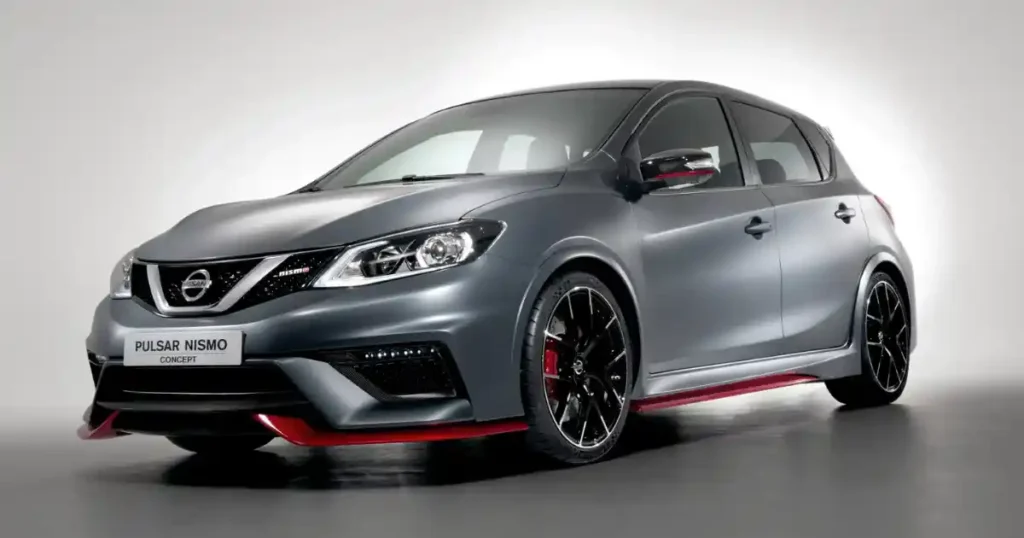
Last winter in Seattle, I stepped out into the freezing rain, turned the key in my Pulsar, and got dead silence. That sinking feeling in your chest is something every car owner knows too well. Dealing with a Nissan Pulsar not starting can ruin your morning fast, but you can fix it with a calm plan. A car can fail to crank, crank without firing, or start and immediately die. These different symptoms point to separate systems under the hood, so throwing random parts at the car wastes money.
Engine setups and fuse layouts change across model years, so you need the right steps for your build. I will guide you through simple checks first before testing your battery, fuel, spark, and wiring.
Why Is My Nissan Pulsar Not Starting?
A no-start problem gets much easier to solve once you split the symptoms into two distinct buckets. You need to know if the engine turns over or if it stays completely still.
Nissan Pulsar Does Not Crank
When you turn the key, nothing moves inside the engine bay. You might hear one loud click, rapid clicking, or total silence from the starter.
- No engine movement: The crankshaft stays still when you turn the key.
- Single click: The starter solenoid pulls in, but the motor fails to spin.
- Rapid clicking: Low voltage makes the starter relay chatter fast.
- Complete silence: No power reaches the starter switch or solenoid.
- Dashboard lights working: The cabin gets low power, but not enough to crank.
- Weak electrical power: Dim lights signal a drained or dead battery.
Nissan Pulsar Cranks but Will Not Start
The engine spins fast and sounds normal, but it never catches fire to run on its own.
- Starter turns normally: The engine rotates at its regular speed.
- Engine attempts to start: You might hear a quick splutter that dies fast.
- No combustion: Spark plugs fail to ignite fuel inside the cylinders.
- Possible causes: Faulty fuel pumps, bad spark, or security lockouts cause this.
Nissan Pulsar Starts Then Stalls
The engine fires up for a short second, stumbles, and shuts off right away.
- Starts and dies: Fuel pressure drops immediately after firing.
- Starts after several attempts: Weak fuel delivery slows down initial starting.
- Stalls when warm: Heat builds resistance in failing engine sensors.
- Stalls at idle: Idle air valves or vacuum leaks starve the engine.
- System issues: Anti-theft units or air leaks can kill a running engine.
Nissan Pulsar Starts Sometimes but Not Others
Your car works fine one day, then leaves you stranded the very next morning without warning.
- Intermittent battery connection: Loose terminals break contact on rough roads.
- Failing starter motor: Worn starter brushes fail when hot spots line up.
- Faulty ignition switch: Internal switch contacts wear down over time.
- Weak fuel pump: Aging pump motors stop spinning unpredictably.
- Crankshaft position signal: Intermittent sensor signals cut engine timing.
- Immobilizer or NATS: Key chip recognition drops out randomly.
- Ground connection: Corroded ground wires create loose electrical paths.
Nissan Pulsar Not Starting Troubleshooting Flow
Stop guessing and follow a clean diagnostic path. Older workshop manuals and official service docs always break starting faults into electrical, fuel, and mechanical steps.
Step 1: Does the Engine Crank?
First, turn your ignition key and listen closely to the engine bay.
- Yes: Move straight to checking fuel delivery, spark plugs, air intake, and sensors.
- No: Focus on your battery state, terminal connections, starter motor, and fuses.
Step 2: Check the Battery
Low voltage causes strange electronic issues across your whole car.
- Dashboard brightness: Check if cluster lights dim when you turn the key.
- Headlight brightness: Turn on high beams to test battery strength under load.
- Battery terminals: Look for white corrosion or loose metal clamps.
- Ground connection: Ensure the main ground wire clamps tightly to the chassis.
- Battery condition: Test voltage with a simple digital multimeter across posts.
Step 3: Check for Fuel
Your engine needs steady fuel flow to build combustion in the cylinders.
- Fuel level: Check that you actually have gas in the tank.
- Fuel-pump operation: Listen for a faint hum near the rear seat for two seconds.
- Fuel-pump fuse/relay: Verify the pump fuse and horn relay function properly.
- Fuel delivery: Inspect lines for wet leaks or low rail pressure.
Step 4: Check the Engine Management System
Modern cars rely on clear sensor signals to coordinate ignition timing.
- Warning lights: Watch for the check engine or security light on your dash.
- Diagnostic trouble codes: Plug in an OBD2 scanner to read hidden fault codes.
- Crankshaft position signal: Verify engine RPM reads on your scan tool while cranking.
- Camshaft position signal: Check cam sensor data on models with variable timing.
- Wiring and connectors: Look for broken wires, melted plugs, or loose pins.
Step 5: Consider Ignition and Mechanical Causes
If fuel and power look good, check physical engine hardware.
- Spark: Use a tester to verify crisp blue spark at the plug leads.
- Spark plugs: Pull plugs to check for black carbon, oil, or wet fuel.
- Ignition coils: Test coil packs for cracks, burn marks, or power loss.
- Compression: Measure cylinder pressure to confirm tight valve seals.
- Timing: Inspect timing belts or chains for skipped teeth or slack.
Nissan Pulsar No-Start Symptoms Table
This handy lookup guide matches key sounds and behaviors to their root causes. Keep it open on your phone while testing your car in the driveway.
| What happens | Possible area | First check |
| Nothing happens | Battery, ignition, starter circuit | Battery and connections |
| Rapid clicking | Weak battery or connection | Battery terminals |
| One strong click | Starter circuit | Starter and battery |
| Engine cranks normally | Fuel, spark, sensors | Scan and basic engine checks |
| Starts then dies | Fuel, ignition, NATS | Warning/security indicators |
| Starts with a jump | Battery/charging system | Battery and alternator |
| Starts intermittently | Electrical, starter, fuel | Connections and diagnostic scan |
AAA lists battery, starter, alternator, ignition, fuel, and electrical faults as top causes for a vehicle that will not start.
Check the Nissan Pulsar Battery First
Starting with your battery saves time because low voltage creates misleading symptoms across other car systems.
Signs of a Weak Pulsar Battery
A dying battery gives off clear warning signs long before it stops working completely.
- Slow cranking: The engine turns over sluggishly when cold.
- Rapid clicking: Relays snap fast as voltage drops under load.
- Dim dashboard: Dash lights fade out when you turn the key.
- Dim headlights: Front beams look yellow instead of bright white.
- Strange electrical issues: Power windows, radios, and locks act erratically.
- Repeated jump-starts: You need jumper cables every time the car sits overnight.
Inspect the Battery Connections
Clean metal connections let high current flow to your starter motor without resistance.
- Positive terminal: Remove blue corrosion and tighten the top post clamp.
- Negative terminal: Clean black buildup off the negative terminal post.
- Ground connection: Ensure the thick ground wire bolts tightly to the body frame.
- Corrosion: Scrub away white battery acid powder using water and baking soda.
- Loose clamps: Wiggle metal terminals to make sure they do not spin freely.
- Damaged cables: Check for cracked rubber insulation or frayed wire strands.
Battery Versus Alternator
Your battery provides starting power, while your alternator recharges it while driving.
- Battery power: The battery spins the starter motor to fire up the engine.
- Alternator duty: The alternator powers all car electronics once the engine runs.
- Temporary jump: A jump-start supplies quick external power to fire the engine.
- Repeated discharge: A car that dies right after jumping points to a bad alternator.
AAA notes that a vehicle that starts after a jump but soon dies often suffers from charging system failure.
When a Battery Test Is Better Than Guessing
Avoid throwing money at new parts before testing your current battery setup.
- Battery age: Most car batteries last between three and five years max.
- Cranking performance: Watch how much voltage drops while turning the engine key.
- Voltage testing: A healthy resting battery shows 12.6 volts on a meter.
- Professional load test: Auto parts stores can test battery health for free.
- Charging-system test: Measure output voltage while running; it should hit 13.8 to 14.5 volts.
Nissan Pulsar Cranks Slowly or Only Clicks
Listen closely to the noises under your hood when you turn the key. Those distinct sounds provide great clues for quick repairs.
Rapid Clicking
Fast chatter means power reaches the starter relay, but voltage drops too fast under load.
- Low battery charge: The battery lacks total amp capacity to turn the motor.
- Poor battery connection: High resistance blocks current at the terminal posts.
- Ground connection problem: Rusty ground points prevent electrical current loops.
- Starter circuit issue: Corroded starter wires drop voltage before reaching the solenoid.
One Click With Good Dashboard Power
A single heavy thunk means the starter solenoid moved, but the motor failed to spin.
- Starter motor: Internal carbon brushes are worn down or burned out.
- Starter solenoid: High-current copper contacts inside the solenoid are damaged.
- Cable connection: The heavy cable running to the starter is loose.
- Battery under load: Surface charge powers lights, but collapses under starter draw.
Slow Engine Cranking
A slow, dragging crank sounds like a tired engine struggling to make one full turn.
- Weak battery: Low voltage turns the starter shaft very slowly.
- High-resistance cable: Corroded copper wires reduce power delivery.
- Starter problem: Internal motor bearings are binding up from heat.
- Mechanical resistance: Thick winter oil or tight engine parts slow rotation.
No Cranking at All
Turning the key yields total silence without any dash lights dimming.
- Battery: The main battery is completely drained or dead inside.
- Ignition switch: Worn key switch contacts fail to send a start signal.
- Starter relay: A blown relay opens the control circuit up front.
- Starter motor: The starter unit has failed completely.
- Transmission interlock: Park/Neutral safety switches block the starter circuit signal.
- Wiring: Broken control wires interrupt current flow to the solenoid.
AAA distinguishes rapid clicking from a single click when troubleshooting vehicle no-start conditions.
Nissan Pulsar Starter Motor Problems
Starter issues are unique because the engine fails to turn over at all, even with a strong battery present.
Symptoms of a Failing Starter
Look out for these classic signs when you suspect a bad starter unit.
- Single click: The solenoid engages without spinning the starter gear.
- No crank: Turn the key and hear nothing, despite full battery power.
- Intermittent starting: The car starts fine when cold, but fails when hot.
- Weak starter operation: The motor spins too slowly to start the car.
- Powered dashboard: Cluster lights stay bright while the starter stays dead.
Starter Cable and Ground Checks
Electrical power needs clean, solid metal paths to flow from the battery to the starter.
- Battery-to-starter cable: Check the thick red cable for corrosion or melt spots.
- Engine ground: Clean rust off the heavy ground strap linking engine to frame.
- Starter connections: Ensure terminal nuts on the solenoid stay torqued down.
- Corrosion: Remove green copper rust from wire ends with a wire brush.
- Loose terminals: Re-tighten any loose wire ring terminals at the starter solenoid.
When a Starter Needs Professional Diagnosis
Some starter failures require shop equipment or lift access to diagnose safely.
- Good battery: Your battery passes a professional load test with flying colors.
- Sound connections: Cables and ground points are clean, tight, and corrosion-free.
- Silent starter: The starter stays completely silent despite getting a 12V signal.
- Repeated failure: Tap the starter casing gently; if it cranks, replace it.
- Grinding noise: Bad starter gear teeth grind against the engine flywheel.
Nissan Pulsar Cranks but Won’t Start
If your engine spins at normal speed but refuses to catch, your focus shifts to fuel, spark, timing, and electronics.
Check the Fuel Level
Never trust a fuel gauge on an older car without double-checking the tank directly.
- Faulty fuel gauge: Gas float arms stick, showing a quarter tank when empty.
- Recent symptoms: Sputtering on hills points directly to an empty gas tank.
- Ran out of fuel: Running dry draws bottom sediment into your fuel filter.
Listen for Fuel-System Activity
You can hear if your fuel pump charges the lines before starting the car.
- Fuel-pump sound: Listen near the rear seat for a faint two-second hum when turning key to ON.
- Fuse and relay: Check the fuel pump fuse and swap its relay to test.
- Wiring: Inspect wires underneath for road debris cuts or corrosion.
- Fuel delivery: Disconnect a fuel line carefully to verify pressurized flow into a container.
Check for Ignition Problems
Without strong electrical spark, fuel inside your cylinders cannot ignite to run the engine.
- Spark plugs: Remove plugs to check for worn electrodes or fuel fouling.
- Ignition coils: Check coil packs for cracks, burn marks, or loose wires.
- Wiring: Verify harness plugs click tightly into each individual coil pack.
- Ignition power: Test for 12V power at the main coil harness connector.
- Control signals: Ensure the engine computer sends ground pulses to fire coils.
Consider Engine Sensors
Modern engines use position sensors to time every single fuel spray and spark event.
- Crankshaft position sensor: Tracks engine speed and timing; failure prevents all spark.
- Camshaft position sensor: Identifies cylinder number one for sequential fuel injection.
- Coolant temperature sensor: Tells the computer to enrich fuel mixture during cold starts.
- Mass-airflow sensor: Measures intake air volume to calculate correct fuel delivery.
- Throttle-position sensor: Reads gas pedal movement to control air flow into the intake.
Why Crankshaft Position Matters
Your engine control unit needs precise speed data to trigger fuel injectors and spark plugs. A missing crank signal cuts spark and fuel, leaving the engine cranking endlessly. Reading live data with an OBD2 scanner is far better than replacing sensors blindly.
Nissan Pulsar Fuel System Problems
Fuel supply issues leave you with an engine that cranks smoothly forever without firing up.
Fuel Pump
The electric fuel pump sits inside your gas tank to push fuel forward under pressure.
- Pump failure: Internal electric motors wear down and stop spinning over time.
- Electrical supply: Check for 12V power at the rear pump plug during cranking.
- Pump fuse: Look for a blown fuel pump fuse inside the engine bay box.
- Relay: A stuck relay prevents electrical current from reaching the rear pump.
- Wiring: Corroded wire harnesses drop voltage along the chassis frame.
- Connector condition: Inspect pump plugs for burnt pins or loose wires.
Fuel Filter and Fuel Delivery
Blocked lines starve your engine of the gas required to run smoothly.
- Restricted filter: Clogged inline fuel filters block fuel flow under load.
- Contaminated fuel: Water or dirt inside gas tanks ruins combustion.
- Low fuel pressure: Weak pumps fail to build required pressure at the fuel rail.
- Pressure diagnosis: Hook up a pressure gauge to test fuel rail pressure.
Fuel Injector Problems
Injectors spray finely atomized gas directly into cylinder intake ports.
- Electrical fault: Internal solenoid coils short out, killing fuel spray.
- Wiring: Rodents chew through top engine harness wires over time.
- Fuel delivery: Clogged injector tips leak or fail to spray fuel evenly.
- ECU command: The computer must trigger ground pulses to open injectors.
Flooding
Excess fuel coats spark plugs, preventing electrical arcs from jumping across the gap.
- Repeated start attempts: Pumping gas pedals on older models floods the engine fast.
- Fuel smell: Raw gasoline odors around the exhaust pipe signal engine flooding.
- Wet spark plugs: Pull plugs to inspect tips for wet, unburned fuel coating.
- Clear flood mode: Hold gas pedal completely flat while cranking to clear extra fuel.
Older Nissan Pulsar workshop manuals emphasize checking fuel level, pump relays, line connections, and flooded spark plugs during no-start troubleshooting.
Nissan Pulsar Ignition and Spark Problems
Gasoline engines require strong, precisely timed sparks to ignite air-fuel mixtures in every cylinder.
Spark Plug Problems
Plugs wear out over time, widening gaps until electrical sparks can no longer jump across.
- Fouling: Black carbon deposits short out electrical current along the ceramic insulator.
- Wear: Rounded electrodes increase required spark voltage beyond coil limits.
- Incorrect gap: Improperly gapped plugs cause misfires or complete no-start issues.
- Fuel fouling: Gas-soaked plugs short out spark completely until dried out.
- Damaged plug: Cracked ceramic insulators leak high voltage to the engine block.
Ignition Coil Problems
Coil packs step up 12V battery power into thousands of volts needed for spark.
- Failed coil: Internal wire windings break down from extreme engine heat.
- Coil power supply: Check for steady 12V power at the main ignition harness connector.
- Wiring: Inspect harness wires for cracks, oil contamination, or pin damage.
- Intermittent misfire: Coils fail when warm, then work fine after cooling down.
- Cylinder symptoms: A dead coil pack kills its cylinder, causing rough running or no-start.
Ignition Wiring and Connections
Corroded ignition wires drop critical voltage before it ever reaches your spark plugs.
- Loose connectors: Unclipped coil plugs vibrate loose on rough roads over time.
- Corrosion: Green oxidation inside connectors blocks electrical current flow.
- Damaged wiring: Engine heat bakes wiring harnesses until insulation cracks open.
- Poor grounds: Clean cylinder head ground straps to give coils solid return paths.
Safe Diagnostic Approach
High-voltage ignition systems can deliver painful electrical shocks if handled carelessly.
- Proper equipment: Use an insulated spark tester rather than holding bare wires near metal.
- Safety precaution: Never touch ignition wires or coil packs while cranking the engine.
- Professional help: Seek a qualified technician if high-voltage testing makes you uneasy.
Nissan Pulsar NATS Immobilizer Can Prevent Starting
Security lockouts behave like serious mechanical faults, so understanding Nissan’s anti-theft system saves time.
What Is Nissan NATS?
NATS stands for Nissan Anti-Theft System, an integrated security setup designed to prevent vehicle theft.
- Immobilizer function: Cuts fuel injectors and ignition signals unless authorized by key chip.
- Registered key requirement: Tiny transponder chips inside key heads transmit security codes to the ignition lock ring.
Nissan Pulsar owner manuals state NATS prevents starting without a properly registered key present.
NATS Warning Signs
Watch for security light behavior on your dashboard when turning the key.
- Security indicator light: Red dash LED stays solid red or flashes fast while cranking.
- No start with key: Engine cranks smoothly forever without firing up.
- Key recognition issue: Dropping keys can crack internal transponder chips inside.
- Interference: Electromagnetic signals from other devices disrupt key signals.
Key Interference
External metallic or electronic objects can block transponder chip signals from reaching the ignition lock ring receiver.
- Multiple keys: Having two NATS keys on one keyring confuses the system receiver.
- Toll pass devices: Electronic toll transponders block radio signals near ignition switches.
- Payment fobs: Contactless credit cards or key fobs interfere with code transmission.
- Radio devices: Powerful radio transmitters disrupt transponder frequency bands.
What the Pulsar Manual Recommends
Follow Nissan’s official key reset procedure to restore key recognition quickly.
- Remove interference: Strip metal keychains, extra keys, and electronic fobs off your ring.
- Turn ignition ON: Turn key to ON position without cranking engine.
- Wait 5 seconds: Leave key ON for five seconds to allow system reset.
- Turn ignition OFF: Switch key to LOCK position and remove key from cylinder.
- Wait 10 seconds: Pause ten full seconds while security light flashes normally.
- Repeat process: Repeat cycle as outlined in owner manual guides.
- Try registered key: Reinsert primary key and start car normally.
If the red security light stays illuminated with key ON and the engine refuses to start, seek authorized service.
Nissan Pulsar Key and Ignition Problems
Sometimes starting issues stem from mechanical wear inside key cylinders or dead remote fob batteries.
Key Will Not Turn
Steering wheel locks bind ignition cylinders, preventing key movement completely.
- Steering-lock condition: Wiggle the steering wheel side to side while turning ignition key gently.
- Worn key: Rounded key brass fails to push cylinder tumblers into correct alignment positions.
- Ignition-switch problem: Failed ignition switch barrels seize up internally over time.
- Key cylinder issue: Broken tumbler pins block keys from turning inside locks.
Intelligent Key Problems
Push-button start systems rely on wireless key fob signals to authorize engine starting.
- Key recognition: Fob batteries die, preventing vehicle sensors from detecting keys inside cabins.
- Key battery: Replace dead CR2032 button batteries inside fob shells promptly.
- Interference: Cell phones stacked next to key fobs disrupt wireless signal transmission.
- Vehicle battery condition: Dead main car batteries block wireless key recognition models completely.
- Start-button system: Defective brake light switches block push-button start signals.
Try the Spare Registered Key
Testing a second factory key narrows down whether issues stem from keys or car electronics.
- Compare behavior: If spare keys work instantly, primary key chips are damaged or wiped.
- Key system focus: One working key proves car electronics, fuel, and spark systems work fine.
- Avoid assumptions: Never assume engines developed mechanical faults before testing spare keys.
Nissan Pulsar Automatic or CVT Won’t Start
Automatic and CVT models feature safety switches that block starter circuits unless selectors sit in Park or Neutral.
Check Park or Neutral
Safety interlock switches block power to starters if transmissions remain in drive ranges.
- Confirm Park position: Firmly push gear shift levers forward into Park position.
- Apply brake pedal: Press foot brake pedals firmly down while turning keys.
- Try Neutral: Shift lever into Neutral position to test if engine cranks normally.
- Watch gear display: Check dash cluster displays to verify P or N lights illuminate clearly.
Nissan Pulsar manuals specify starting engines only in Park or Neutral positions on CVT-equipped models.
Neutral Safety / Inhibitor Switch
Inhibitor switches wear out, sending incorrect gear signals to starter control relays.
- Intermittent no-crank: Car fails to crank in Park, but starts fine in Neutral.
- Selector position issues: Loose shifter linkage cables misalignment inhibitor switches.
- Signal problems: Corroded switch contacts block electrical starter signals in Park.
- Wiring or adjustment: Re-align or adjust shifter selector cables under center consoles.
Older Pulsar workshop material identifies inhibitor switches and selector cables as primary check points for no-crank symptoms.
Nissan Pulsar Fuse and Relay Checks
A single blown fuse or stuck relay can make a perfectly healthy engine look completely dead.
Important Circuits to Consider
Inspect these key electrical circuits when diagnosing no-start complaints on your car.
- Starter circuit: Fuses and relays controlling high-current starter solenoid activation.
- Engine-control system: ECU main power fuses supplying engine management computers.
- Fuel pump: Dedicated fuel pump fuses and control relays in power boxes.
- Ignition: Coil pack and ignition module power supply fuses.
- ECU power: Main engine management power relays inside engine compartments.
- Ignition switch: High-amp fuses feeding main key switch assemblies.
Inspect the Fuse
Checking fuse boxes is quick and prevents replacing good mechanical parts unnecessarily.
- Fuse location: Consult owner manuals to locate under-hood and cabin fuse panels.
- Broken fuse element: Look through clear plastic bodies for melted center wire links.
- Correct rating: Replace blown fuses using identical amperage ratings only.
- Avoid higher ratings: Never install higher-amp fuses; doing so risks melting harness wires or causing fires.
Relay Problems
Relays use low-current signals to switch high-amp circuits for fuel pumps and starters.
- Fuel-pump relay: Swap suspected fuel relays with identical horn or headlight relays to test.
- Starter relay: Test starter relays by listening for solid clicks during key turns.
- Engine-control relay: Failed main relays cut all ECU power, stopping engine starts.
- Intermittent operation: Heat-sensitive relays fail unpredictably after long drives.
Why the Exact Model Matters
Wiring diagrams change across Pulsar generations, making exact service manuals critical.
- Different layouts: Fuse box positions shift between older N15/N16 models and newer C12/C13 builds.
- Fuse locations: Circuit numbers and panel positions vary across engine options.
- Relay arrangements: Relay box locations depend on manual versus automatic configurations.
- Engine management: Turbo and naturally aspirated engines use distinct wiring looms.
Nissan Pulsar Sensor Problems That Can Cause No Start
Sensors should be tested with diagnostic tools rather than replaced like lottery tickets.
Crankshaft Position Sensor
The crank sensor tells the engine computer how fast the crankshaft turns.
- Engine-speed signal: Sends RPM data needed to calculate fuel and spark timing.
- Starting synchronization: Without this signal, the ECU will not fire injectors or coils.
- Crank-no-start symptoms: A failed sensor lets the engine crank forever without starting.
Camshaft Position Sensor
Cam sensors track engine valve timing to sync sequential fuel injection.
- Engine timing info: Identifies when cylinder number one hits top dead center.
- Synchronization: Works alongside crank sensors for engine timing control.
- Starting issues: Faulty cam sensors cause hard starts, misfires, or stalling.
Mass Airflow Sensor
MAFs measure incoming air volume so computers can calculate matching fuel amounts.
- Airflow measurement: Reads intake air density and volume in real time.
- Incorrect readings: Contaminated sensor wires send wrong air data to ECU.
- Poor starting: Causes lean or rich conditions that prevent smooth cold starts.
Engine Coolant Temperature Sensor
Coolant sensors tell engine computers whether engines are cold or fully warmed up.
- Cold-start fuel calculation: Cold engines require extra fuel to fire up smoothly.
- Incorrect info: A failed sensor telling the ECU the engine is hot starves cold starts.
- Hard-start symptoms: Engine cranks excessively long before firing on cold mornings.
Diagnostic Scan
OBD2 scanners let you inspect sensor data directly without guessing.
- Read stored codes: Scan for fault codes stored in engine management memory.
- Check live data: Monitor engine RPM, coolant temp, and air flow while cranking.
- Match codes to symptoms: Verify whether fault codes make sense with current issues.
- Do not replace blindly: A sensor code often points to bad wiring rather than a failed sensor.
Nissan Pulsar Timing and Compression Problems
If electrical and fuel systems pass all checks, internal engine mechanics move up the list.
Timing-Related Problems
Engines rely on timing chains or belts to sync crankshaft and camshaft movement.
- Engine configuration: Older Pulsars use timing chains; check your specific engine code.
- Loss of synchronization: Skipped chain teeth alter valve timing, preventing starts.
- Abnormal cranking sound: Broken timing chains cause engines to crank unusually fast.
- Fast cranking: Zero valve resistance makes starters spin engine blocks effortlessly.
Compression
Cylinders must seal tightly to compress air-fuel mixtures before ignition.
- Low compression: Worn piston rings or stuck valves leak compression air.
- Valve problems: Burnt or bent valves prevent cylinders from sealing completely.
- Internal engine damage: Blown head gaskets or scored cylinder walls cut compression.
- Head gasket failure: Blown gaskets leak pressure between adjacent cylinders.
When to Stop DIY Diagnosis
Stop turning keys immediately if you suspect severe internal mechanical damage.
- Unusual mechanical noise: Loud metal clanking or knocking noises while cranking.
- Suspected timing failure: Fast, uneven cranking speed pointing to broken chains.
- Very low compression: Gauge readings showing zero psi across multiple cylinders.
- Coolant/oil contamination: Milky oil under filler caps signaling blown gaskets.
- Engine lockup: Engine will not rotate even when turning crankshaft bolts by hand.
Older Pulsar service guides list compression testing as a key mechanical step, recommending an accurate gauge to confirm cylinder health.
Nissan Pulsar No-Start Diagnostic Table
Keep this reference table handy on your phone while working beside your car in the garage. Always diagnose exact symptoms first before replacing parts.
| Symptom | Most useful first checks | Likely system |
| No lights, no crank | Battery and terminals | Electrical |
| Rapid clicking | Battery and connections | Starting power |
| One click | Starter circuit | Starter |
| Normal crank, no start | Scan, fuel, ignition | Engine management |
| Starts then dies | NATS, fuel, ignition | Security/fuel/ignition |
| Starts after jump | Battery/charging test | Electrical |
| Cranks unusually fast | Timing/compression | Mechanical |
| Intermittent no-start | Connections, starter, sensors | Electrical/engine management |
What to Check With an OBD2 Scanner
Connecting a code reader to your car saves hours of manual troubleshooting work.
Scan for Diagnostic Trouble Codes
Code scanners pull error codes directly from engine management computers.
- Record codes first: Write down all active codes before clearing scanner memory.
- Save freeze-frame data: Capture sensor readings recorded the moment faults occurred.
- Match codes to symptoms: Compare code descriptions with actual car behaviors.
Check Live Data
Live data streams show sensor values in real time while turning engine keys.
- Engine RPM while cranking: Verify RPM reads 150 to 300 speed while cranking.
- Sensor readings: Check coolant temp, intake air, and manifold pressure streams.
- Engine temperature: Ensure coolant temp sensor displays realistic ambient air readings.
- Throttle information: Confirm throttle angle percentages move smoothly when pressing pedals.
- Fuel-related data: Check fuel pressure readings on direct-injection models.
Avoid the “Replace the Code” Mistake
Code descriptions name circuits, not necessarily faulty sensors themselves.
- Sensor vs circuit: Codes point to circuit faults, which include wiring and plugs.
- Wiring damage: Melted wires or broken pins cause false sensor fault codes.
- Power and ground: Verify sensors receive 5V reference power before swapping parts.
- Logical sequence: Following proper diagnostic steps saves money on unneeded parts.
Nissan Pulsar Not Starting After Sitting
Vehicles parked for months develop unique issues like dead batteries, bad gas, or pest damage.
Battery After Long Storage
Batteries self-discharge over time, causing deep voltage drains when left unused.
- Low state of charge: Chemical reaction slowdowns drain battery charge completely.
- Battery deterioration: Sulfation ruins internal lead plates during prolonged sit times.
- Corroded terminals: White crust builds up on battery posts during moist storage.
Fuel After Storage
Gasoline breaks down after months, forming varnish that clogs fuel injectors.
- Old fuel: Stale gas loses volatility, making ignition difficult.
- Fuel contamination: Moisture condensation mixes with gas inside cold tanks.
- System problems: Sticky fuel pump blades freeze inside varnished gas tanks.
Tires and Belts
Rubber parts dry out, crack, or flat-spot when sitting on driveway pavement.
- Visual inspection: Inspect drive belts for cracks, fraying, or loose tension.
- Cracking rubber: Check coolant hoses for dry rot cracks before starting.
- Proper inflation: Inflate flat tires to correct door-jamb pressures.
Rodent or Wiring Damage
Nesting animals chew through colorful engine wiring insulation when cars sit outside.
- Wiring inspection: Check engine harnesses for chewed wires or exposed copper.
- Nesting material: Remove dry leaves, twigs, and debris stuffed into intake boxes.
- Damaged insulation: Tape up exposed wires to prevent short circuits against metal.
- Engine-bay inspection: Shine flashlights into lower engine tray corners to check for nests.
Nissan Pulsar Not Starting on a Cold Morning
Freezing weather strains weak batteries and demands extra fuel from engine management computers.
Battery Performance in Cold Weather
Cold temperatures slow internal chemical reactions, reducing available cranking power.
- Slower cranking: Thick motor oil and cold batteries slow engine rotation.
- Reduced power: Batteries lose roughly 30 to 50 percent of power in freezing cold.
- Battery condition: Marginal batteries that work fine in summer fail on icy mornings.
Cold-Start Fuel and Sensor Inputs
Cold engines need extra gas and strong sparks to fire up in freezing weather.
- Coolant-temp info: Faulty sensors reporting warm temps starve cold engine starts.
- Fuel delivery: Low fuel pressure prevents proper fuel atomization in cold air.
- Ignition: Weak ignition coils fail to fire sparks through cold, dense air.
Compare Cold and Warm Starting
Tracking when starting issues occur helps isolate heat- or cold-sensitive parts.
- Starts warm but not cold: Points to weak batteries, coolant sensors, or fuel delivery.
- Starts cold but not hot: Points to failing crank sensors, starters, or vapor lock.
- Intermittent pattern: Points to loose wiring, corroded ground straps, or key fobs.
- Record symptoms: Note weather temps and engine state when failures happen.
USA Expert Advice for a Nissan Pulsar No-Start Diagnosis
Applying established diagnostic guidelines helps you fix starting issues safely and accurately.
AAA’s Diagnostic Approach
AAA identifies battery, starter, alternator, ignition, fuel, and electrical faults as common causes for vehicles failing to start. Use this general automotive framework to guide your initial checks systematically.
Practical Advice From a U.S. Repair-Shop Perspective
Professional mechanics follow clear diagnostic routines to isolate faults efficiently without throwing parts at cars.
- Start with exact symptoms: Differentiate between no-crank and crank-no-start immediately.
- Test before replacing: Use multimeters and pressure gauges to confirm failures first.
- Check battery connections: Clean terminals and chassis grounds before touching starters.
- Use scan data wisely: Read live engine RPM and sensor data while cranking.
- Escalate when basic checks pass: Check compression and timing once spark and fuel pass.
Quote Policy for the Finished Article
When consulting automotive sources, reference verified documentation from established organizations like AAA or Nissan service manuals to maintain absolute technical accuracy.
Real-Life Nissan Pulsar No-Start Scenarios
Recognizing real-world scenarios helps you spot issues fast when you are running late.
Scenario 1: Dashboard Is Dead
You turn the key, but dash lights stay dark and the engine stays silent.
- Key turned: Turning key yields zero electrical response in cabin.
- No lights: Cluster lights, radio, and interior dome lights remain off.
- No crank: Starter stays silent due to total power loss.
- First checks: Check battery post clamps, main body fuses, and chassis grounds.
Scenario 2: Rapid Clicking at the Grocery Store
Dashboard lights work, but turning the key causes loud, fast clicking under the hood.
- Interior lights work: Cabin accessories draw low current without issue.
- Starter fails to turn: Starter solenoid snaps fast without cranking motor.
- Battery diagnosis: Clean corroded terminals and jump-start the battery.
Scenario 3: Engine Cranks but Won’t Fire
The starter turns the engine fast and smooth, but it never catches fire.
- Normal cranking: Engine rotates at standard speed without strange noises.
- No combustion: Air-fuel mixture fails to ignite in cylinders.
- Next checks: Verify fuel pump operation, test for spark, and scan for codes.
Scenario 4: Pulsar Starts and Dies
The engine fires up for one second, stumbles, and dies right away.
- Security indicator: Check if red NATS light stays solid red on dash.
- Fuel delivery: Verify fuel pump maintains steady rail pressure after firing.
- Sensor signals: Check MAF and position sensors for signal dropouts.
- Scan for codes: Connect an OBD2 scanner to check immobilizer codes.
Scenario 5: It Starts After a Jump
Connecting jumper cables starts the car immediately, but it dies after disconnecting them.
- Do not assume battery alone: Cars running solely off jumpers have charging issues.
- Test battery: Check battery state of charge and internal resistance.
- Test charging system: Measure alternator output; it should read 13.8V+ while running.
- Inspect connections: Check alternator B+ wire and engine ground straps.
When to Stop Troubleshooting and Get Professional Help
Some checks are simple DIY tasks, while others require specialized shop tools and safety equipment.
Get Professional Help If
Know when to call a certified shop to avoid damaging your vehicle or hurting yourself.
- Engine will not rotate: Crankshaft refuses to turn by hand with breaker bars.
- Fuel leak suspected: Smelling strong raw gas or spotting puddles under cars.
- Damaged electrical wiring: Melted wire looms or burnt fuse boxes.
- Smoke or burning smell: Seeing smoke from starters, switches, or wiring.
- Persistent security fault: NATS light remains solid red despite key resets.
- Suspected timing failure: Fast, uneven cranking pointing to broken timing chains.
- Abnormal compression: Zero psi cylinder pressure readings on gauges.
- Safety concerns: You lack proper tools, jacks, or testing equipment.
What to Tell the Mechanic
Providing clear details helps your mechanic diagnose starting problems faster, saving you labor costs.
- Exact Pulsar specs: Provide exact model year, engine code, and transmission type.
- Key behaviors: Describe whether engine cranks fast, clicks, or stays silent.
- Warning lights: Report check engine or NATS security lights on dash.
- Recent repairs: Mention recent battery swaps, fuel work, or sensor changes.
- Battery history: State battery age and whether jumping got car running.
- Event timeline: Explain what changed right before starting failures occurred.
Nissan Pulsar Not Starting FAQ
Why is my Nissan Pulsar not starting but the lights work?
Headlights require low current compared to starters. Weak batteries, bad starter solenoids, or corroded terminal posts can power cabin lights while failing to crank engines.
Why does my Nissan Pulsar crank but not start?
Cranking without starting points to fuel starvation, missing spark, blown main fuses, bad crankshaft sensors, or NATS immobilizer lockouts.
Can a weak battery cause a Nissan Pulsar not to start?
Yes. Low battery voltage prevents starters from spinning and drops ECU power, causing strange sensor errors and security lockouts.
Why does my Nissan Pulsar click but not start?
Rapid clicking signals low battery voltage or corroded terminals. A single loud click points to a bad starter solenoid or motor.
Can the Nissan Pulsar immobilizer stop the engine from starting?
Yes. The NATS security system cuts fuel injectors and ignition signals if key transponder chips fail verification.
Why does my Nissan Pulsar start and then stop?
Engine stalling right after starting points to NATS lockouts, failing fuel pumps, vacuum leaks, or bad mass airflow sensors.
Why won’t my Nissan Pulsar start after a jump?
If jumping fails, check for bad cable connections, blown main fuses, dead starter motors, or complete battery cell shorts.
Nissan Pulsar No-Start Checklist
Follow this checklist to test systems in logical order.
Quick Checks
Run through these simple visual checks before getting out your toolkit.
- Check fuel tank level directly.
- Test battery voltage with multimeter.
- Inspect battery terminals for corrosion.
- Check dashboard warning lights with key ON.
- Watch NATS red security light behavior.
- Confirm gear lever sits in Park or Neutral.
- Listen for starter sounds during key turn.
Diagnostic Checks
Use tools to narrow down hidden electrical or fuel issues.
- Scan ECU for diagnostic trouble codes.
- Perform battery load and charging test.
- Test starter circuit voltage drop.
- Verify fuel pump hum and rail pressure.
- Check spark plugs and coil packs for spark.
- Monitor live engine RPM during cranking.
Model-Specific Verification
Ensure specs match your exact car build.
- Verify exact model year and chassis code.
- Confirm engine code and displacement.
- Check transmission type and safety switch.
- Match market region for electrical setups.
- Consult correct owner manual diagrams.
- Verify fuse location charts for model year.
- Cross-check service bulletin procedures.
- Ensure correct key chip programming.
Final Recommendation
When dealing with a Nissan Pulsar that refuses to start, resist the urge to buy new parts right away. From my years of working on these cars, nine out of ten starting issues come down to simple battery post corrosion, a drained battery, or a simple key chip lockout. Always start with clean terminal clamps, verify solid ground wires, and use an OBD2 scanner to check engine RPM and fault codes while cranking. If your battery passes a load test and the starter turns normally, focus your search on fuel pressure, spark plug condition, and crank position signals. Taking a methodical, step-by-step approach saves time, avoids frustration, and gets your Pulsar back on the road safely.

Ehatasamul Alom is a dedicated road hybrid bikes expert. With over 15 years of experience, he helps people find the perfect ride. He began his journey as a bike mechanic. He learned the ins and outs of every bike.
Ehatasamul Alom holds a Master's degree in Mechanical Engineering from a Brown University (Providence US 02912), where he specialized in material science and bicycle kinematics. His master's thesis focused on optimizing frame geometry for road hybrid bikes to improve rider comfort and efficiency.
Ehatasamul has an extensive professional background. He spent 10 years (2010-2020) as a Senior Bike Designer at "Urban Cycles," a leading bicycle manufacturer. In this role, he led the development of several award-winning road hybrid bikes, which are known for their durability and performance. He later served (2020-2024) as the Head of Product Development at "Gear Up," a company specializing in high-end cycling components. There, he developed innovative parts and accessories specifically for road hybrid bikes.
Over the years, Ehatasamul has become an authority on Roadhybridbikes. He understands their design and function. His work focuses on making bikes easy to use. Ehatasamul believes everyone should enjoy cycling. He writes guides that are simple to read. His passion for road hybrid bikes is clear. His goal is to share his knowledge with everyone. He wants to see more people on two wheels. His advice is always practical and easy to follow.
- Ehatasamul Alom

- Ehatasamul Alom
- Ehatasamul Alom

- Ehatasamul Alom