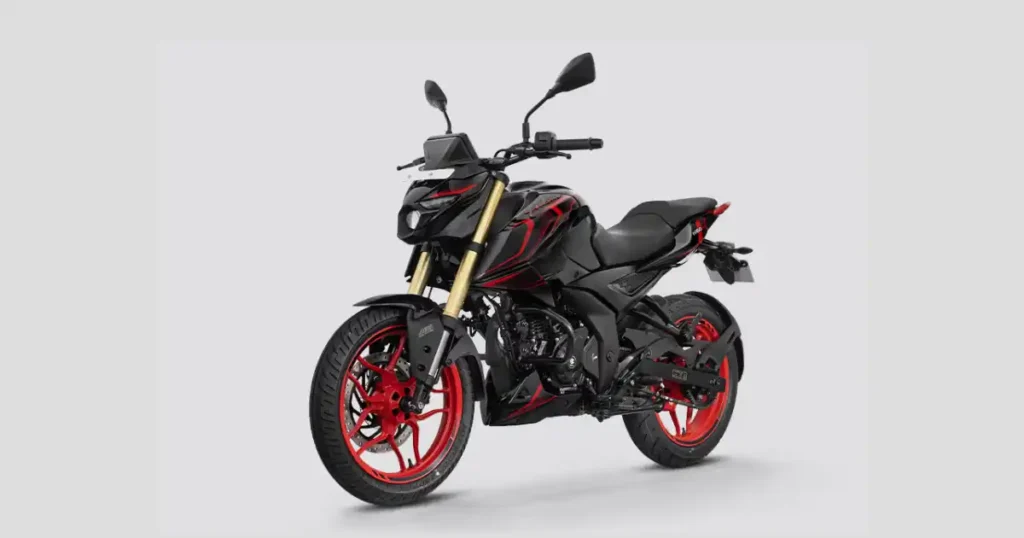
Last winter in Seattle, I stood next to my bike in the cold rain. You turn the key. The dash comes alive. You press the starter. Nothing useful happens. I know that exact moment of fear when your n16 pulsar not starting leaves you stranded. Troubleshooting an N160 takes a calm mind and quick checks. This fuel-injected 164.82 cc bike uses a 12V 4Ah battery in its current spec. Always stay safe while you work. Never troubleshoot around moving traffic, hot exhausts, or exposed fuel.
First, Check What Happens When You Press the Starter
Before grabbing tools, listen and look. The sound the N160 makes can narrow the problem down surprisingly fast.
Nothing happens at all
Possible causes:
- Dead or weak battery
- Ignition switch issue
- Engine kill switch
- Clutch switch
- Side-stand or gear interlock
- Starter button
- Fuse or wiring issue
You hear a click but the engine does not crank
Possible causes:
- Weak battery
- Battery terminal connection
- Starter relay
- Starter motor
- Electrical connection
The engine cranks but does not start
Move to:
- Fuel
- Fuel pump
- Fuel injection
- Spark
- Engine-management system
- Sensor or input problems
It starts but immediately stalls
Check:
- Side-stand system
- Idle behaviour
- Fuel delivery
- Battery or charging condition
- Sensor or ECU-related fault
- Recent maintenance or electrical modifications
Try These Quick N160 Starting Checks First
These are the simple checks that can save you from an unnecessary parts bill. Bajaj’s own starting procedure is the best place to begin.
Make sure the ignition is ON
Turn the ignition key to ON. Check the instrument cluster. Look for warning lights. Check whether the display behaves normally.
Check the engine kill switch
Confirm the switch is in the engine-ON position. It sounds almost too obvious. People still bump it accidentally. Bajaj’s manual specifically instructs riders to put the kill switch in the ON position before starting.
Put the transmission in neutral
Check the neutral indicator. Try starting in neutral. If starting in gear, pull the clutch fully. Keep the throttle closed. The owner’s manual recommends starting in neutral and says the clutch should be pressed when starting while the motorcycle is in gear.
Check the side stand
Make sure the side stand is fully raised. Do not assume the indicator tells the whole story. Try starting in neutral with the stand position correct. The N160 manual describes a side-stand interlock: with the stand down and the motorcycle in gear, the engine will not start using the starter system.
Do not twist the throttle while starting
Keep the throttle closed. Press the starter. Release it once the engine starts. Avoid repeatedly opening the throttle in frustration.
Check the N16 Pulsar Battery
A weak battery is one of the first things worth checking when the starter is slow, clicking or completely silent.
What battery does the N160 use?
12V. 4Ah. VRLA battery. Located under the seat on documented N160 versions. Bajaj’s owner manual states that the N160 uses a 12V 4Ah VRLA battery and warns that the motorcycle will not start if the battery is discharged or disconnected.
Signs of a weak battery
- Dash becomes dim
- Starter clicks
- Starter turns slowly
- Horn sounds weak
- Lights dim sharply during starting
- Electronics reset
- Battery warning or low-voltage indication
Check the battery terminals
Look for loose connections. Look for corrosion. Check the positive and negative terminals. Do not short the terminals with a metal tool.
Battery troubleshooting table
I made this table from years of shop work. It helps you find power issues fast without wasting cash on new parts.
| Symptom | Possible cause | What to check |
| No dash | Battery, disconnection, or fuse | Battery and main connections |
| Dim dash | Low battery | Battery condition |
| Single click | Low voltage or relay | Battery and terminals |
| Slow cranking | Weak battery | Battery and connections |
| Normal cranking | Look elsewhere | Fuel, spark, FI system |
When not to keep cranking
Repeated cranking can drain the battery. Stop if the battery is clearly getting weaker. Do not turn a small starting problem into a dead battery problem.
Check Fuel Before Chasing Electrical Problems
A motorcycle cannot start on optimism. It needs fuel.
Confirm there is enough petrol
Check the fuel level. Do not rely only on memory. If the bike has been parked for some time, verify the actual fuel situation. The N160 owner’s manual’s starting procedure specifies that there should be a minimum amount of petrol available before attempting to start.
Listen for the fuel-pump prime
Turn ignition ON. Listen briefly for the fuel system. A normal prime sound can indicate that the pump is being activated. No sound does not prove the pump has failed.
Possible fuel-delivery problems
- Fuel pump
- Fuel-pump electrical supply
- Injector
- Fuel-system fault
- Contaminated fuel
- Wiring or connector problem
Do not open fuel-system components casually
Fuel is flammable. Avoid sparks. Do not test fuel components beside cigarettes, heaters or open flames. Use a qualified technician for pressurised fuel-system diagnosis.
Check the N160 Spark and Ignition System
If the starter motor spins the engine normally but it refuses to fire, ignition becomes part of the investigation.
Possible spark-related causes
- Spark plug
- Plug cap
- Ignition coil
- Wiring
- ECU-related fault
- Sensor input
Signs that point toward an ignition problem
- Engine cranks normally
- No combustion sound
- Sudden failure while riding
- Intermittent starting
- Engine cuts out and then refuses to restart
Spark plug condition
- Fouling
- Incorrect gap
- Damage
- Heavy deposits
- Wet plug
Bajaj’s manual includes spark-plug maintenance and specifies a spark-plug gap of 0.8–0.9 mm for the referenced N160 manual. Verify the exact manual for the motorcycle’s model year before applying a specification.
Avoid unsafe spark testing
Do not hold a plug against random metal parts while cranking. Use the correct testing procedure and tools. If unsure, let a technician perform the ignition test.
Check the Clutch and Side-Stand Safety Switches
The N160 uses interlock systems that affect starting. These can be overlooked because the engine itself may be perfectly healthy.
Clutch switch
Pull the clutch fully. Try starting in gear only when stationary and safe. If neutral starting works but clutch-in starting does not, investigate the clutch switch. The N160 manual specifically identifies a clutch switch that facilitates starting in neutral and in gear when the clutch is operated.
Side-stand switch
Fully raise the stand. Check the side-stand indicator. Look for mud or physical damage around the switch. Do not bypass the safety system as a permanent fix.
Gear-position check
Confirm neutral. Watch the gear indicator. If the display behaves strangely, electrical or sensor diagnosis may be needed.
What If the N160 Cranks but Will Not Start?
This is a different problem from a dead starter. Once the engine is cranking, concentrate on the basic requirements: Fuel + air + spark + correct engine-management signals.
Fuel delivery
- Fuel level
- Pump operation
- Injector
- Fuel pressure
- Electrical supply
Ignition
- Spark plug
- Coil
- Plug connection
- ECU signal
Air intake
- Air filter
- Intake blockage
- Loose or damaged intake connection
- Throttle-body-related issue
Engine-management sensors
Potential inputs can include:
- Crank-position sensor
- Throttle-position sensor
- Engine-temperature information
- Other ECU inputs
Important: Do not tell readers that a particular sensor has failed simply because the motorcycle will not start. A fault code or proper diagnostic test is needed.
Check the N160 Warning Lights and Error Messages
Modern fuel-injected motorcycles provide useful clues through the instrument cluster.
Look for the engine warning light
Turn ignition ON. Observe the cluster. Note whether a warning remains illuminated after the normal startup sequence. Record unusual symbols.
Low-battery indication
Treat a low-battery warning as a clue. Check battery condition. Do not keep repeatedly cranking. Bajaj’s manual specifically instructs owners to have the battery charged promptly when the low-battery icon appears.
What an error code can tell you
- Electrical fault
- Sensor fault
- System-voltage problem
- ECU-related issue
- Communication fault
Do not guess from an error code alone
Confirm the exact code. Check the motorcycle’s model or year. Follow the service information. Use diagnostic equipment when required.
N160 Starter Motor and Relay Problems
If the dashboard works but the engine refuses to crank, the starting circuit deserves attention.
Starter button
Check whether pressing the button produces any response. Do not repeatedly hammer the button. Look for intermittent operation.
Starter relay
Possible symptoms:
- Single click
- Repeated clicking
- No starter operation
- Normal dashboard but no crank
Starter motor
Possible signs:
- Electrical system appears normal
- Relay operates
- Engine still does not crank
When starter diagnosis needs a technician
- Relay clicks but motor does nothing
- Wiring gets hot
- Burning smell
- Starter motor jams
- Battery tests good but starter current draw is abnormal
N16 Pulsar Not Starting After Rain or Washing
Water can expose an electrical connection problem that was already waiting quietly in the background.
Common areas to inspect
- Battery terminals
- Switchgear
- Connectors
- Side-stand switch area
- Spark-plug cap
- Fuse area
What to do
Allow the motorcycle to dry. Do not spray high-pressure water directly at electrical components. Inspect obvious connectors. Try again only when safe.
Avoid the “more water will fix it” approach
A garden hose is not a diagnostic tool.
N160 Not Starting After Sitting for a Long Time
A motorcycle that has been parked for weeks or months can develop a different set of problems.
Battery discharge
VRLA battery can lose charge over storage. Check voltage and condition. Recharge using an appropriate motorcycle battery charger.
Fuel-related concerns
- Old fuel
- Contamination
- Fuel-system issues
Basic restart checklist
- Battery
- Fuel
- Tyres
- Oil
- Chain
- Brake condition
- Leaks
- Warning lights
Do not immediately ride away after a long storage period
Let the bike run only according to the manufacturer’s guidance. Check for leaks. Test the brakes. Confirm normal controls before entering traffic.
N160 Starts Then Dies
A bike that starts and immediately stops needs a slightly different approach.
Side-stand or interlock issue
Check side-stand position. Watch the indicator. Consider whether the problem occurs when shifting into gear.
Fuel delivery
- Fuel pump
- Injector
- Fuel pressure
- Contaminated fuel
Electrical supply
- Battery
- Charging system
- Loose connection
- Voltage drop
Sensor or ECU-related issue
Do not replace sensors randomly. Look for diagnostic evidence. Use workshop equipment if needed.
N16 Pulsar Starting Problems After a Battery Change
A new battery does not always solve a starting problem.
Check battery installation
- Correct polarity
- Secure terminals
- Correct battery type
- Proper connection
If the new battery also goes flat
Investigate:
- Charging system
- Parasitic drain
- Loose connections
- Added electrical accessories
- Battery quality or condition
Bajaj warns in its manual that additional electrical accessories can reduce battery life and may damage the ECU.
Common accessory-related causes
- Aftermarket horn
- Extra lights
- USB accessories
- Alarm or remote systems
- Non-standard wiring
N160 Not Starting After a Service or Repair
This deserves its own section because timing is a useful diagnostic clue.
What changed immediately before the problem?
Ask:
- Was the battery disconnected?
- Was the airbox opened?
- Was the spark plug removed?
- Was wiring moved?
- Was an accessory installed?
- Was the fuel system touched?
Check obvious connections
- Battery
- Spark-plug cap
- Sensors
- Ground connections
- Fuses
- Switches
Do not assume the newest part is automatically the answer
A loose connector can look like a failed component.
N160 Starting Problem Troubleshooting Table
Use this quick chart to spot your issue fast. I set this up based on common roadside cases to get you back on the road sooner.
| What happens | Most likely areas | First check |
| No dash | Battery, main power, or fuse | Battery connections |
| Dash is dim | Battery or connection | Battery condition |
| One click | Battery or relay | Battery and terminals |
| Repeated clicks | Low voltage or connection | Battery |
| Starter turns slowly | Battery or starter circuit | Battery condition |
| Starter does not crank | Switch, relay, or battery | Neutral, clutch, battery |
| Cranks normally but won’t fire | Fuel, ignition, or FI | Fuel and warning lights |
| Starts then dies | Interlock, fuel, or electrical | Side stand and diagnostics |
| Problem after washing | Moisture or connection | Dry and inspect |
| Problem after storage | Battery or fuel | Battery and fuel |
Step-by-Step N160 Starting Diagnosis
Now turn the information into an actual driveway procedure. Keep it calm and logical. No parts cannon.
Step 1: Confirm the basics
- Ignition ON
- Kill switch ON
- Neutral
- Side stand up
- Throttle closed
- Fuel available
Step 2: Observe the dashboard
- Normal?
- Dim?
- Warning light?
- Error message?
- Low-battery symbol?
3rd Step: Listen
- Silence
- Click
- Repeated click
- Slow crank
- Normal crank
Step 4: Check battery condition
- Terminals
- Voltage
- Charge
- Load condition if necessary
Step 5: Separate crank from no-crank
No crank: focus on starting circuit. Cranks but no start: focus on fuel, spark and engine management.
Step 6: Stop if the problem requires advanced diagnosis
- ECU fault
- Fuel-pressure testing
- Wiring fault
- Sensor diagnosis
- Starter-current testing
USA Expert Advice for Motorcycle Starting Problems
The article should use expert guidance without inventing a quotation.
Expert reference: Motorcycle Safety Foundation
Use Motorcycle Safety Foundation (MSF) as the US expert or institutional reference for safe motorcycle operation and pre-ride checks.
Cover:
- Do not diagnose a motorcycle in an unsafe roadside position.
- Complete basic checks before riding.
- Confirm the motorcycle is mechanically safe before returning to traffic.
- Move to a qualified technician when the fault is beyond basic checks.
Named expert quote approach
According to published Motorcycle Safety Foundation guidebooks, systematic pre-ride inspections prevent roadside breakdowns. Checking controls, lights, and fuel levels before every ride helps riders spot small electrical faults before they turn into complete starting failures.
Practical USA rider scenario
A cold Tuesday morning in Chicago. Rider turns the key. Dash appears. Starter clicks once. Headlight and dash dim. Rider stops pressing the starter. Battery becomes the first diagnostic target.
When to Take the Pulsar N160 to a Bajaj Workshop
Some problems are not worth solving with YouTube, a screwdriver and optimism.
Get professional help if
- Fuel leak is present
- Wiring is burning or overheating
- Starter motor draws abnormal current
- Engine cranks but has no confirmed spark or fuel
- ECU fault is suspected
- Warning light remains with a starting failure
- Battery repeatedly goes flat
- Charging problem is suspected
Use an authorised Bajaj service centre when appropriate
- ECU diagnostics
- FI system
- Fuel-pressure testing
- Electrical diagnosis
- Sensor testing
- Warranty-related problems
Bajaj provides official owner’s manuals and authorised service or dealer information through its customer-service resources.
Do not bypass safety systems permanently
- Side-stand switch
- Clutch switch
- Other interlocks
Never defeat a safety feature simply to make the motorcycle start.
N16 Pulsar Not Starting FAQ
Here are direct answers to common questions about starting issues on this bike.
Why is my Pulsar N160 not starting?
Starting failures branch into battery issues, starter circuit faults, interlocks, fuel delivery problems, lack of spark, or FI system errors.
Why does my N160 have power but not start?
Power to the lights does not mean full cranking voltage. A weak battery, bad relay, or open safety switch will keep the starter silent.
Why does my N160 make a clicking sound but not start?
A rapid clicking sound means the starter relay is engaging, but battery voltage is too low to turn the starter motor.
Why is my Pulsar N160 cranking but not starting?
If the starter motor spins the engine fast, the issue is missing fuel, weak spark, clogged intake air, or a bad sensor signal to the ECU.
Can a weak battery stop the N160 from starting?
Yes. Bajaj states that a discharged or disconnected battery prevents starting because the fuel injection system needs stable power.
Can the side stand stop an N160 from starting?
Yes. The safety interlock cuts ignition if the stand is down while the bike is shifted into gear.
Can the clutch switch cause an N160 starting problem?
Yes. If you try starting in gear with the clutch lever pulled, a faulty clutch switch will block the starter relay.
Why does my N160 start and then stop?
This points to a side-stand switch issue, fuel pump pressure drop, bad voltage, or an ECU idle management error.
Should I keep pressing the starter?
No. Repeated long cranking drains the battery and heats the starter motor. Stop cranking if the engine fails to fire quickly.
When should I take my N160 to a mechanic?
Get help if you smell burning wire, see fuel leaks, hear strange engine noises, or get constant ECU warning lights on the dash.
Final N16 Pulsar Starting Checklist
Keep this checklist simple and direct for fast troubleshooting.
Before calling a mechanic
- Fuel available
- Ignition ON
- Kill switch ON
- Neutral selected
- Clutch pulled if needed
- Side stand raised
- Throttle closed
- Battery connections checked
- Dashboard warning lights noted
- Starter sound identified
Give the mechanic useful information
Tell them:
- What happens when you press the starter
- Whether the engine cranks
- Whether the dash dims
- Whether the issue is intermittent
- Whether it happened after rain, service, or storage
- Any warning light or code
- Any recent electrical modifications
This can save diagnostic time.
Final Recommendation
I have spent years working on bikes, and I know how frustrating a dead starter can be. When dealing with an n16 pulsar not starting, always check the basic items first. Clean your battery terminals, check your kill switch, and make sure your side stand is fully up. Simple fixes resolve most starting issues. If you hear clicks or see dim lights, charge your battery before touching anything else. Never bypass safety switches or ignore fuel leaks. If the basic steps do not fix it, take your bike to an authorized shop for a proper diagnosis.

Ehatasamul Alom is a dedicated road hybrid bikes expert. With over 15 years of experience, he helps people find the perfect ride. He began his journey as a bike mechanic. He learned the ins and outs of every bike.
Ehatasamul Alom holds a Master's degree in Mechanical Engineering from a Brown University (Providence US 02912), where he specialized in material science and bicycle kinematics. His master's thesis focused on optimizing frame geometry for road hybrid bikes to improve rider comfort and efficiency.
Ehatasamul has an extensive professional background. He spent 10 years (2010-2020) as a Senior Bike Designer at "Urban Cycles," a leading bicycle manufacturer. In this role, he led the development of several award-winning road hybrid bikes, which are known for their durability and performance. He later served (2020-2024) as the Head of Product Development at "Gear Up," a company specializing in high-end cycling components. There, he developed innovative parts and accessories specifically for road hybrid bikes.
Over the years, Ehatasamul has become an authority on Roadhybridbikes. He understands their design and function. His work focuses on making bikes easy to use. Ehatasamul believes everyone should enjoy cycling. He writes guides that are simple to read. His passion for road hybrid bikes is clear. His goal is to share his knowledge with everyone. He wants to see more people on two wheels. His advice is always practical and easy to follow.
- Ehatasamul Alom

- Ehatasamul Alom
- Ehatasamul Alom

- Ehatasamul Alom