
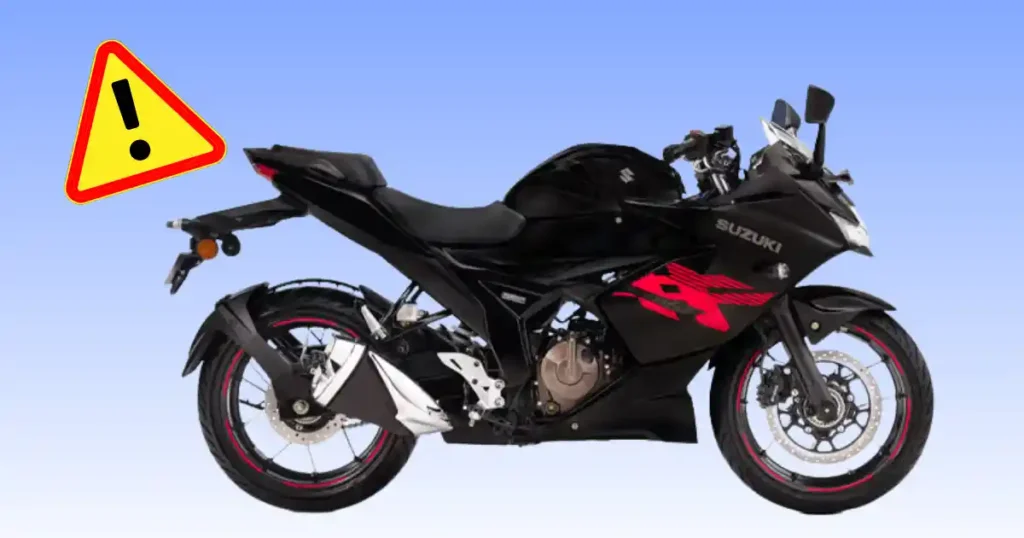
Riding through Seattle on a chilly morning, nothing kills your mood faster than pressing the starter button and hearing absolute silence. Last spring, my own sportbike refused to fire up right before a group ride. I spent twenty minutes sweating in my full gear, only to realize my side stand was down half an inch. Facing a gixxer sf 250 not starting situation feels frustrating, but most causes are simple to diagnose.
You do not need complex tools or deep mechanical skills to find the issue. In this guide, I will share practical steps from my years in the garage to help you fix your bike fast.
What Does “Gixxer SF 250 Not Starting” Mean?
Before pulling out your tool kit, observe what happens when you press the starter switch. A bike that refuses to crank is entirely different from one that turns over without firing.
The starter motor does not crank the engine
- Complete silence occurs when pressing the starter switch with no mechanical clicks.
- A single heavy click sounds from the starter relay area while the motor stays still.
- Rapid clicking erupts from under the seat as the relay chatters continuously.
- Weak cranking attempts turn the crankshaft slowly before stopping completely.
- Dashboard digital lights dim or clear out during the starting attempt.
The engine cranks but does not start
- The starter motor spins the engine at normal speed without starting.
- Fuel injection pumps run, but no combustion happens in the cylinder.
- The engine fires for a fraction of a second and dies immediately.
- Symptoms occur more frequently during cold morning start attempts.
The motorcycle starts and immediately stalls
- Fuel delivery stops abruptly right after the engine fires up.
- Idle speed drops too low before the electronic system stabilizes.
- Electrical power cuts out as soon as you release the starter switch.
- Sensor readings send mixed signals to the engine control module.
The problem is intermittent
- Does the issue happen only when the engine is dead cold?
- Does the engine refuse to restart right after a long highway ride?
- Did the fault appear immediately after riding through heavy rain?
- Has the bike sat unused in your garage overnight or for weeks?
- Did starting issues begin right after installing a new battery?
First 60-Second Gixxer SF 250 Starting Check
Start your diagnosis with basic operational checks. Riders often overlook simple switches when troubleshooting in a hurry.
Confirm the ignition is on
- Turn the key fully to the ON position inside the lock cylinder.
- Ensure the instrument cluster lights up and completes its initial sweep.
- Verify normal warning indicators appear on the digital readout panel.
Check the engine-stop/run control
- Confirm the red handlebar kill switch is set to the RUN position.
- Avoid flipping the switch back and forth repeatedly without cause.
Look the transmission position
- Shift the gearbox into neutral before pressing the starter button.
- Look for the green neutral indicator light on the digital dash.
- Squeeze the clutch lever fully if attempting to start in gear.
Check the side stand
- Raise the side stand completely against the frame rail.
- Verify the safety interlock switch releases its mechanical plunger.
- Ensure no dirt or road grime blocks the stand movement.
Check battery symptoms
- Look for dim lighting across the digital instrument panel.
- Press the horn button to hear if the tone sounds weak or flat.
- Listen for slow or struggling starter motor rotation speeds.
- Observe whether screen numbers reset when pressing the starter.
Gixxer SF 250 Not Starting: Common Causes
The Suzuki Gixxer SF 250 relies on a 12V 6Ah maintenance-free battery, electronic fuel injection, and an electric starter setup.
Weak or discharged battery
- Low voltage remains the most common electrical fault on modern bikes.
- Long storage periods drain charge through subtle background clock draws.
- A weak battery cannot turn the starter while powering the ignition system.
Battery connection problem
- Loose terminal bolts break the circuit under high electrical loads.
- Corrosion buildup creates resistance across the lead post surfaces.
- Poor wiring contact prevents full amperage from reaching the starter motor.
Side-stand interlock
- A side stand that drops slightly opens the safety cut-out circuit.
- A dirty interlock switch sticks in the open safety position.
- The bike cuts power instantly to prevent riding with the stand down.
Engine-stop/run control
- The handlebar kill switch sits in the STOP position by accident.
- Internal switch contacts develop corrosion from rain or bike washes.
Starter circuit problem
- A worn starter button fails to make internal electrical contact.
- The starter relay fails to bridge main power to the starter motor.
- Damaged wiring harness looms interrupt current flow to safety relays.
Fuel or fuel-delivery issue
- Low fuel level leaves the fuel pump pickup running completely dry.
- Clogged fuel lines or tank vents create vacuum locks in the system.
- A failed fuel pump motor stops delivering pressurized fuel to injectors.
Ignition or engine-management issue
- A fouled spark plug prevents air and fuel from igniting properly.
- Bad sensor inputs confuse the electronic control unit during startup.
- Main fuse failures cut electrical current to the main engine system.
Gixxer SF 250 Starting Problems at a Glance
Having spent years working on electrical systems, I know how helpful a quick symptom map can be when you are stuck on the side of the road. Use this table to quickly pinpoint your starting issue before pulling out tools.
| Symptom | Possible area | First check |
| Nothing happens | Battery, control switch, interlock | Ignition key position and kill switch |
| Single click sound | Battery charge, starter relay | Battery voltage under starter load |
| Rapid clicking | Low battery charge, loose ground | Terminal tightness and battery charge |
| Engine cranks slowly | Weak battery, starter motor wear | Battery health and terminal corrosion |
| Engine cranks normally | Fuel pump, ignition spark, FI sensor | Fuel level and main FI warning light |
| Starts then stalls | Fuel supply, idle system, interlock | Side stand position and fuel freshness |
| Works sometimes | Loose wiring, dirty switch contacts | Kill switch and side stand plunger |
| Problem after storage | Stale fuel, discharged battery | Battery voltage and fresh fuel supply |
Check the Gixxer SF 250 Battery
The Gixxer SF 250 uses a sealed 12V 6Ah maintenance-free unit. Proper voltage is crucial for running both the starter motor and electronic fuel injection.
Signs of a weak battery
- The starter motor turns the engine slowly with a dragging sound.
- Rapid clicking comes from the starter relay under the rider seat.
- Digital dashboard backlights dim significantly when pressing start.
- Horn audio tone sounds noticeably quiet or distorted.
- Clock settings or trip meters reset themselves to zero unexpectedly.
Check the battery condition
- Inspect plastic battery casing surfaces for cracks or fluid leaks.
- Ensure terminal bolts are snug using a proper cross-head screwdriver.
- Clean away white or blue corrosion powder using a wire brush.
- Never short positive and negative terminals with metal tools.
Think about recent storage
- Sitting unused for weeks causes natural chemical self-discharge inside cells.
- Cold weather reduces chemical activity, cutting available starting power fast.
Do not guess based only on age
A two-year-old battery might hold perfect charge, while a new one can die if left discharged. Use a multimeter to verify actual resting voltage instead of guessing.
Check the Side-Stand Interlock
Suzuki builds an automatic side-stand interlock switch into the Gixxer SF 250 to keep riders safe.
Confirm the side stand is fully raised
- Lift the side stand firmly until it hits its rubber frame stop.
- Pivot the arm by hand to ensure smooth spring-loaded return action.
- Inspect the lower pivot area for mud, small rocks, or road grime.
Understand what the interlock does
- It opens the ignition circuit whenever the stand stays extended in gear.
- The safety feature prevents riding away with the stand touching asphalt.
- A faulty switch fools the computer into thinking the stand is down.
Possible signs of an interlock issue
- The engine starts fine in neutral but dies the moment you select first gear.
- The starter motor refuses to crank even with the clutch lever squeezed.
- Bumping over road rough spots causes brief engine cutouts while cruising.
Do not bypass the safety switch
Never bypass or jumper the side-stand interlock switch permanently. Riding with an extended side stand causes severe crashes in left-hand turns. Have a damaged switch replaced immediately.
Check the Engine-Stop/Run Control and Starting Controls
Rider handlebar controls face constant weather exposure and can fail over time.
Check the engine-stop/run switch
- Slide the switch rocker firmly between STOP and RUN positions twice.
- Ensure the switch clicks securely into its middle RUN position.
- Inspect the red plastic housing for cracks or deep water entry.
Check the starter button
- Squeeze the starter button to check for normal spring resistance.
- Listen for subtle electrical contact clicks inside the switch box.
- Look for sticky pivot movement caused by road dust or washing soap.
Compare electrical symptoms
If dashboard lights remain bright while pressing the starter, but nothing happens, the fault sits downstream in the relay, switch, or starter motor wiring.
Gixxer SF 250 Turns On but Does Not Crank
When the dash lights up normally but pressing the button yields no crank, focus on the control circuit.
Check battery strength
- A battery can show 12 volts static but drop below 9 volts under starter load.
- Check if terminal connections wiggle by hand at the battery posts.
- Charge the battery using a dedicated smart charger before further testing.
Check the starting conditions
- Verify the green neutral light glows brightly on the digital display panel.
- Squeeze the clutch lever completely against the left handlebar grip.
- Check that the side stand is fully retracted against the frame rail.
- Confirm the red engine kill switch sits firmly in the RUN position.
Consider the starter circuit
- Test if pressing the starter button sends power to the starter relay coil.
- Inspect the main starter relay fuse located near the battery box.
- Check ground wire connections fastened to the engine crankcase.
- Test whether current reaches the starter motor terminal post directly.
What a click can tell you
A single loud click means the starter relay is closing its contacts. If the engine does not turn over, the battery lacks starting power, or the starter motor brushes are worn out.
Gixxer SF 250 Cranks but Does Not Start
When a gixxer sf 250 cranks but won’t start, the starter system works fine, but the engine lacks fuel, spark, or compression.
Check fuel level
- Open the fuel cap to visually check gas levels inside the tank.
- Do not rely solely on the digital fuel gauge bars on the display screen.
- Ensure you have not accidentally filled up with old or contaminated gas.
Consider the fuel-injection system
- Listen for a two-second fuel pump whir when turning the key to ON.
- Check that fuel lines running to the throttle body remain unkinked.
- Verify the electronic fuel injector receives its activation pulse from the ECU.
- Ensure fuel tank breather hoses under the frame remain completely open.
Check warning indicators
- Turn the key ON and watch for the red FI warning light on the dash.
- Note if the light stays illuminated continuously or flashes a fault code.
- Refer to your manual if the FI indicator remains lit during cranking.
Avoid repeated long starting attempts
- Limit starter cranking bursts to five seconds at a time.
- Wait fifteen seconds between starting attempts to cool the starter motor.
- Extended cranking drains the battery fast and can overheat starter windings.
Gixxer SF 250 Starts Then Stalls
An engine that fires up briefly and dies points to fuel delivery or sensor feedback problems.
Note exactly when it stalls
- Does the engine quit the exact moment you release the starter button?
- Does it stall immediately when pulling the clutch lever to select gear?
- Does it die when you open the throttle to pull away from a stop?
- Does it idle roughly for ten seconds before fading out completely?
- Does stalling occur only after the engine reaches full operating temp?
Check for an interlock-related pattern
- Recheck the side-stand position if stalling occurs upon dropping into gear.
- Inspect the clutch lever switch located on the left perch mount.
- Observe if physical vibrations trigger loose electrical connection cuts.
Consider fuel or engine-management issues
- Stale fuel stored over winter can cause poor combustion stability at idle.
- A dirty idle air control passage causes poor engine speed control.
- Defective engine temperature sensors send wrong fuel mixture data to the ECU.
When repeated stalling needs professional diagnosis
If your bike stalls every time you stop, displays a steady FI light, or dies while riding at speed, stop troubleshooting and consult a certified technician.
Gixxer SF 250 Not Starting After Sitting for a Long Time
Bringing a stored motorcycle back to life requires checking fuel and electrical systems carefully.
Check the battery
- Charge the battery using a slow automatic trickle charger before starting.
- Test voltage resting levels after letting the battery sit off the charger.
- Replace batteries that fail to maintain voltage above 12.6 volts static.
See and Check fuel
- Smell the fuel inside the tank for sour or varnish-like odors.
- Drain old fuel if the motorcycle sat unused for over six months.
- Refill the tank with fresh high-octane gasoline before starting attempts.
Check controls and interlocks
- Spray contact cleaner into the handlebar kill switch housing.
- Work the side-stand spring arm back and forth to clear pivot rust.
- Verify the clutch lever safety switch slides freely inside its perch.
Look for storage-related issues
- Inspect the air airbox intake for rodent nests or stored acorns.
- Look for chewed wiring insulation along the main frame harness.
- Check metal frame grounds for white oxidation or surface rust spots.
Gixxer SF 250 Not Starting After Rain or Washing
Water intrusion short-circuits delicate electronic switches and sensor plugs.
Let the motorcycle dry
- Move the bike into a warm dry space out of humid weather.
- Leave the motorcycle to dry for several hours before starting again.
- Avoid using high-pressure air streams that force water into sealed plugs.
Inspect for obvious moisture or damage
- Check inside handlebar switch housings for trapped water droplets.
- Inspect the spark plug cap area for standing water accumulation.
- Look inside accessible wiring harness plugs near the steering head.
- Check the side-stand switch plunger for trapped road grime and water.
Watch for electrical warning signs
- Look for flickering or dimming digital displays across the dash unit.
- Watch for random fuel pump cycling when pressing handlebar switches.
- Stop starting attempts if you hear strange buzzes from relay boxes.
Gixxer SF 250 Battery vs. Starter Problem
Isolating battery issues from starter circuit faults prevents wasting money on wrong parts. Diagnostic tests clarify where the electrical breakdown occurs.
| Symptom | Battery may be involved | Starter circuit may be involved |
| Rapid clicking sound | Highly likely due to low voltage | Less likely, relay is operating |
| Slow cranking speed | Very common, low charge capacity | Possible, worn starter motor |
| Lights dim heavily | Strong clue of drained battery | Unlikely, indicates high draw |
| No starter response | Possible if completely dead | Highly probable switch or relay fault |
| Normal electronics, no crank | Less likely if lights stay bright | Very likely circuit, switch, or starter |
| Works after charging | Confirms battery was low | Unrelated to starter hardware |
Gixxer SF 250 Fuel and FI Checks
Modern electronic fuel injection requires adequate pressure and electrical signals to operate properly.
Confirm there is fuel
- Open the filler cap and shine a light inside the gas tank.
- Do not trust the digital dash gauge if the bike sits on an angle.
- Ensure the fuel supply is clean and free of water bubbles at the bottom.
Understand fuel injection
- Electronic fuel injection relies on an electric pump inside the fuel tank.
- System pressure must reach target levels before injectors atomize fuel.
- Sensor inputs tell the ECU how much fuel to spray into the intake tract.
Check for warning indicators
- Observe the FI warning light on the instrument display during key turn.
- Count long and short flashing patterns if the light flashes fault codes.
- Cross-reference flash codes with your official Suzuki owner manual.
Avoid opening the fuel system unnecessarily
High-pressure fuel lines spray fuel if disconnected while pressurized. Gasoline fumes ignite easily around electrical sparks. Leave fuel line disassembly to trained shop mechanics.
Gixxer SF 250 Warning Light or FI Problem
The FI warning system alerts you to sensor and engine management faults.
Record exactly what you see
- Note whether the red FI light glows solid or blinks continuously.
- Check if the word “FI” appears on the LCD digital display screen.
- Record if the warning appears before or after pressing the starter switch.
Separate symptoms
- No crank with FI light points to main sensor or system power failure.
- Normal crank with FI light indicates ignition coil or injector signal loss.
- Starts then stalls with FI light suggests sensor input errors or fuel pump faults.
Use the correct Suzuki manual
Consult Suzuki’s official GIXXER SF 250 service literature to interpret warning light patterns accurately before replacing sensors.
Safe Checks You Can Do at Home
Stick to simple visual checks and basic maintenance to prevent accidental damage to your bike.
Reasonable checks
- Verify fuel level visually inside the gas tank.
- Test battery terminal tightness with hand screwdrivers.
- Clean light surface corrosion off battery cable terminals.
- Inspect side stand and kill switch mechanical movement.
- Verify neutral light functions on the instrument cluster.
- Read warning indicators on the LCD display panel.
- Check main fuses inside the fuse box for blown elements.
Avoid
- Opening pressurized fuel injection lines without proper tools.
- Bypassing safety switches like the side stand interlock.
- Cutting or splicing into the factory wiring harness.
- Opening or opening sealed engine control unit boxes.
- Cranking the starter motor continuously for long periods.
- Purchasing expensive electronic modules without proper diagnostic testing.
When to Stop Troubleshooting
Knowing when to stop prevents minor electrical issues from turning into major mechanical damage.
Stop if you notice
- Raw fuel leaking onto the engine crankcase or exhaust pipes.
- Strong gasoline odors filling your garage space.
- Melted wire insulation or burnt plastic smells around the battery.
- Visible smoke rising from under the fuel tank or seat.
- Physical swelling or bulging on the battery casing walls.
Do not ride if the motorcycle
- Cuts out unexpectedly while riding in traffic.
- Displays unresolved braking or steering control problems.
- Keeps lighting the FI warning indicator during operation.
- Shows erratic electrical behavior that compromises headlamp output.
When to Take the Gixxer SF 250 to a Suzuki Dealer
Some complex electronic and mechanical failures require dealer diagnostic tools.
Professional diagnosis is appropriate for
- Persistent no-start issues after verifying battery and fuel basics.
- Internal starter motor or starter clutch mechanical failures.
- Electronic fuel injection pump or pressure regulator faults.
- Engine control unit failures or corrupt sensor maps.
- Complex wiring harness shorts hidden inside main looms.
What information to give the technician
- Exact model year and current odometer mileage reading.
- Whether the problem occurs during cold or hot start attempts.
- Exact starter behavior, including cranking speeds and relay noises.
- Any FI warning light codes displayed on the dash screen.
- Details on recent winter storage, fuel additions, or rain rides.
What to bring
- The motorcycle along with all original ignition keys.
- Complete service records and recent maintenance receipts.
- Written notes detailing exact starting symptoms and fault codes.
USA Motorcycle Expert Advice for a Gixxer SF 250 That Won’t Start
Professional technicians use systematic diagnostic trees to eliminate possible causes efficiently.
Expert troubleshooting angle
Qualified mechanics separate issues into distinct diagnostic paths:
- No-crank faults focus on battery voltage, switches, and starter relays.
- Crank-no-start faults focus on fuel delivery pressure, spark, and compression.
- Starts-and-stalls faults focus on idle air control, sensors, and interlocks.
Name reference strategy
When seeking repair guidance, rely on certified Suzuki technicians or accredited motorcycle service organizations like the Motorcycle Mechanics Institute.
Quote strategy
According to Suzuki technical service documentation, maintaining proper battery terminal torque and verified resting voltage is critical for preventing electronic fuel injection starting faults.
Gixxer SF 250 Model-Year Differences to Consider
Understanding your bike’s exact specifications helps select correct replacement parts and service steps.
Current Gixxer SF 250
- 249cc single-cylinder oil-cooled engine configuration.
- Electronic fuel injection system with electric starter motor.
- Six-speed manual transmission with wet multi-plate clutch.
- 12V 6Ah maintenance-free battery battery unit.
- Integrated side-stand interlock safety circuit.
Earlier Gixxer SF 250 versions
Earlier model variants share the same core 249cc engine layout, fuel injection architecture, and 12V 6Ah electrical specs across production runs.
Why the model year matters
- Minor wiring harness color codes and plug designs update over time.
- ECU firmware and sensor parameters receive factory revisions.
- Regional emissions standards change fuel system evaporative routing.
Identify the exact motorcycle before deeper troubleshooting
Always check your vehicle identification number stamped on the frame neck before ordering electrical sensors or service parts.
Gixxer SF 250 Not Starting Quick Checklist
Keep this simple checklist saved on your phone for quick reference during starting trouble.
If the engine does not crank
- Turn ignition key to the ON position.
- Set handlebar kill switch to RUN.
- Raise side stand fully against frame rail.
- Shift transmission into neutral or pull clutch lever.
- Verify battery holds charge above 12.4 volts.
- Squeeze starter button and listen for relay clicks.
- Inspect battery terminals for tight connections.
If the engine cranks but does not start
- Confirm fuel tank contains fresh gasoline.
- Listen for fuel pump whir when turning key ON.
- Check dashboard for illuminated FI warning light.
- Ensure battery voltage stays strong during cranking.
- Avoid continuous cranking bursts over five seconds.
Also, If it starts and stalls
- Note exact engine temperature and idle behavior.
- Verify side stand remains fully retracted while in gear.
- Watch dashboard display for flashing error symbols.
- Stop starting attempts if stalling repeats continuously.
Frequently Asked Questions About Gixxer SF 250 Not Starting
Why is my Gixxer SF 250 not starting?
First check if the starter turns the engine over. If it does not turn over, inspect the battery, kill switch, side stand, and starter relay. If it turns over normally, check fuel level, spark, and FI warning lights.
Why does my Gixxer SF 250 click but not start?
Rapid clicking indicates a low battery that lacks power to turn the starter. A single click points to a poor battery terminal connection, low charge, or a faulty starter relay.
Why does my Gixxer SF 250 crank but not start?
Common causes include low fuel levels, a stale gas supply, a failed fuel pump, a fouled spark plug, or an electronic fuel injection sensor fault.
Can a weak battery stop a Gixxer SF 250 from starting?
Yes. The electronic fuel injection and starter motor require strong voltage. A weak 12V 6Ah battery cannot power both systems simultaneously during startup.
Can the side stand stop a Gixxer SF 250 from starting?
Yes. The built-in side-stand interlock cuts power to the ignition system if the stand is down while the bike is in gear.
Why does my Gixxer SF 250 start and then stop?
This usually stems from an extended side stand, a dirty idle control valve, stale fuel, or a faulty engine temperature sensor sending incorrect data to the ECU.
Why won’t my Gixxer SF 250 start after sitting?
Long storage leads to discharged batteries, stale fuel varnish in injectors, or corroded electrical switch contacts.
Where can I find the Gixxer SF 250 owner’s manual?
You can download official owner manuals directly from Suzuki’s official user-manual portal under the GIXXER SF 250 category.
Final Recommendation
Dealing with a gixxer sf 250 not starting issue comes down to methodical elimination rather than guessing. From my years working on motorcycles, I have seen that over ninety percent of starting problems trace back to a low battery, loose terminal bolts, or an open side-stand switch.
Always check the basic controls first before worrying about major engine or fuel injection faults. Charge your battery fully, ensure your fuel is fresh, and inspect all safety switches. If the bike refuses to start after these basic checks, contact an authorized Suzuki service center for professional diagnostic support.

Ehatasamul Alom is a dedicated road hybrid bikes expert. With over 15 years of experience, he helps people find the perfect ride. He began his journey as a bike mechanic. He learned the ins and outs of every bike.
Ehatasamul Alom holds a Master's degree in Mechanical Engineering from a Brown University (Providence US 02912), where he specialized in material science and bicycle kinematics. His master's thesis focused on optimizing frame geometry for road hybrid bikes to improve rider comfort and efficiency.
Ehatasamul has an extensive professional background. He spent 10 years (2010-2020) as a Senior Bike Designer at "Urban Cycles," a leading bicycle manufacturer. In this role, he led the development of several award-winning road hybrid bikes, which are known for their durability and performance. He later served (2020-2024) as the Head of Product Development at "Gear Up," a company specializing in high-end cycling components. There, he developed innovative parts and accessories specifically for road hybrid bikes.
Over the years, Ehatasamul has become an authority on Roadhybridbikes. He understands their design and function. His work focuses on making bikes easy to use. Ehatasamul believes everyone should enjoy cycling. He writes guides that are simple to read. His passion for road hybrid bikes is clear. His goal is to share his knowledge with everyone. He wants to see more people on two wheels. His advice is always practical and easy to follow.
- Ehatasamul Alom

- Ehatasamul Alom
- Ehatasamul Alom

- Ehatasamul Alom