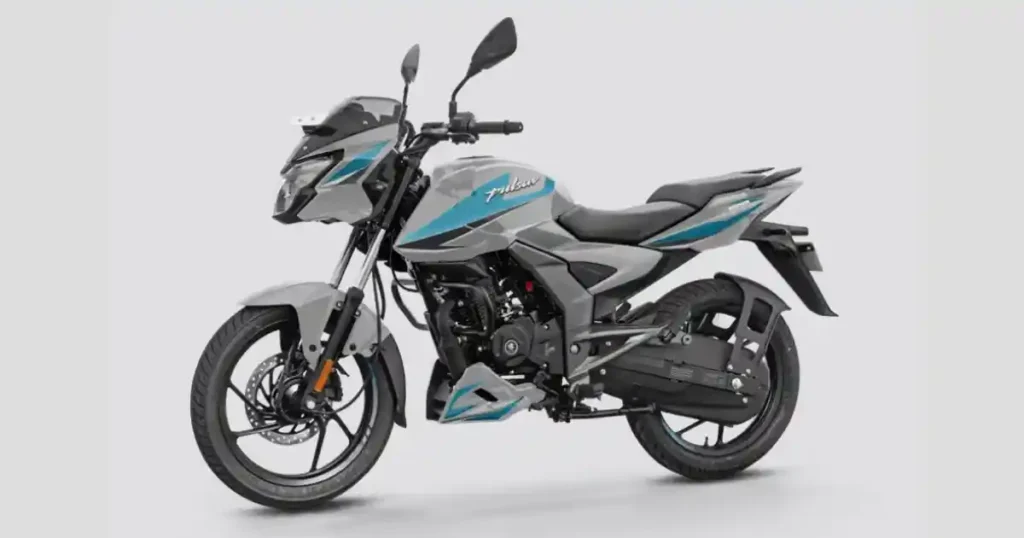
Few things ruin a morning in Seattle faster than a Pulsar 125 that refuses to fire on the first press of the starter. I’ve walked plenty of riders through this exact moment, and almost every time the fix turns out to be smaller than they feared. A Pulsar 125 not starting usually falls into one of three clear patterns, a dead response, a click with no crank, or a normal crank that never turns into combustion. Each pattern points toward a different part of the bike, so guessing at random parts wastes both time and money.
This guide walks through the checks in the order that actually finds the problem, starting with the starting procedure itself and working through electrical, fuel, and ignition systems from there. By the end, you’ll know exactly which tests to run in your own garage and which ones are better left to a trained mechanic.
Why Is My Pulsar 125 Not Starting?
Start by identifying exactly what happens the moment the starter button gets pressed. A dead dash, a single click, and a normal cranking engine all point toward very different problems, so this first observation matters more than any single test that follows. Riders who skip this step and jump straight to replacing a battery or a spark plug often end up buying the wrong part twice.
Pulsar 125 has no response at all
The instrument cluster and lights stay completely dead. This usually traces back to the ignition switch and electrical supply, the battery connection itself, the main fuse and related electrical protection, or loose and corroded battery terminals.
Pulsar 125 clicks but does not start
A weak battery, a failing starter relay or solenoid, a worn starter motor, a poor battery-terminal connection, or an electrical load causing voltage drop can all produce this exact click without a crank.
Pulsar 125 cranks but will not start
Once the starter turns the engine normally, attention shifts to fuel delivery, the spark plug and ignition, the fuel-injection system, engine-management sensors, and air or compression problems.
Pulsar 125 starts and immediately stops
A weak battery or charging issue, a fuel-delivery problem, an idle-related issue, a sensor or electrical fault, or a side-stand or clutch-related switch problem are the most common explanations behind this pattern.
First Check the Correct Pulsar 125 Starting Procedure
Before replacing anything, make sure the bike is actually being started the way Bajaj specifies. This takes less than a minute and can eliminate several false diagnoses before you touch a single tool, and it’s the single most overlooked step in this entire guide.
Bajaj Pulsar 125 starting sequence
Turn the ignition switch ON, confirm the kill switch is ON, shift the transmission into neutral, keep the throttle completely closed, press the starter button, and release it the moment the engine catches.
What the clutch switch does
The clutch switch allows starting in gear once the lever is pulled in fully, and a faulty clutch switch can create a no-start condition that looks identical to a dead battery. Understanding the difference between neutral-start and clutch-start behavior on your specific bike saves a lot of confusion.
Do not keep holding the starter endlessly
The Pulsar 125 uses a cranking ON/OFF control built around short cycles, so a first five second crank followed by a short pause works far better than one long continuous attempt. Repeated long cranking drains the battery faster than most riders expect, and it can turn a simple fix into a dead battery situation.
Check the Battery Before Chasing Bigger Problems
A weak battery is one of the first things worth checking when a motorcycle will not crank normally, since low voltage can mimic several other faults at once and send you chasing the wrong system entirely.
Signs of a weak Pulsar 125 battery
A slow starter motor, a clicking sound instead of a crank, dim electrical components, a dash that resets or behaves oddly, or a battery that loses charge after sitting for a day or two are all warning signs worth taking seriously.
Check the battery terminals
The positive terminal, the negative or ground connection, loose connections, corrosion, and damaged cables all deserve a close look before you assume the battery itself has failed.
Test battery voltage with a multimeter
A resting-voltage test tells part of the story, and a cranking-voltage test tells the rest, since resting voltage alone can be misleading on a battery that looks fine sitting still but collapses under real load. RevZilla’s general motorcycle diagnostic guidance recommends checking both figures together rather than relying on either one alone. A simple digital multimeter like this one turns this test into a two minute job instead of a guessing game based on dashboard brightness.
What a low reading can tell you
A low reading can mean the battery is simply discharged, that it’s losing capacity permanently, or that a charging-system problem is preventing it from recharging properly. Model-specific specifications should always take priority over a generic number pulled from a general guide.
Is the Starter Motor or Relay the Problem?
If the battery appears healthy but the engine still refuses to turn over, it’s time to move your attention toward the starting circuit itself, since that’s the next most likely culprit in almost every case I’ve seen.
Starter relay symptoms
A single click, repeated clicking, no starter-motor movement at all, or intermittent starting all point toward the relay rather than a deeper mechanical fault inside the starter. Testing the relay directly with a basic multimeter takes less time than removing a single body panel.
Starter motor symptoms
A starter that doesn’t spin, slow cranking despite a healthy battery, unusual electrical noise, or possible internal wear all suggest the starter motor itself deserves closer inspection.
Check the simple electrical connections first
The battery-to-starter circuit, the ground connection, the starter switch, the fuse, and the relay connections should all be checked before you assume the starter motor has failed completely. A compact multimeter such as this one makes tracing these connections far easier than testing by feel alone.
Check the Kill Switch, Neutral and Safety Switches
Modern motorcycles use switches and interlocks that can make a perfectly healthy engine appear completely dead to a frustrated rider.
Kill switch
Confirm the switch sits in the RUN or ON position, cycle it once to reset any inconsistent contact, and look for behavior that changes depending on how firmly the switch is pressed.
Neutral switch
Confirm the neutral indicator lights up, try starting while in neutral, and avoid assuming the indicator alone proves every part of the circuit is actually working correctly.
Clutch switch
Pull the clutch fully and test the normal starting sequence. If behavior is inconsistent between attempts, a switch or wiring fault is worth considering before you look anywhere else.
Side-stand and related interlocks
Understand their role in the starting circuit, check for obvious damage or wiring issues nearby, and never bypass a safety system just to get the bike moving faster.
Check Whether the Pulsar 125 Fuel System Is Working
If the engine cranks normally, fuel delivery becomes one of the major areas to investigate, and the exact diagnostic path depends on which Pulsar 125 version and fuel system you’re working with.
Check the fuel level
Don’t trust assumptions here. Confirm there’s actually usable fuel in the tank, consider your recent refueling history, and think about contamination or stale fuel if the motorcycle has been sitting in storage.
Listen for fuel-pump operation on fuel-injected versions
Turn the ignition ON and listen for the brief priming sound. No sound doesn’t automatically prove the pump has failed, so check the related electrical supply before replacing any components based on silence alone.
Possible fuel-delivery problems
The fuel pump, the fuel filter, the injector, wiring, the fuse or relay, and fuel contamination can all produce an identical no-start symptom on their own.
What changed after the bike stopped?
Recent refueling, washing, heavy rain, long storage, very low fuel, or recent service all matter here, since the timing of the failure often points directly at the cause.
Check the Spark Plug and Ignition System
Fuel alone will not start the engine. A motorcycle needs fuel, spark, and compression together, so spark becomes an important branch of the diagnostic process once fuel checks out fine.
Signs of a spark-plug problem
Hard starting, repeated cranking before the engine catches, misfiring right before a no-start condition develops, poor running, or a fouled and worn plug are all classic warning signs.
Inspect the spark plug
Plug condition, electrode wear, fouling, the plug cap, and the ignition connection should all be checked in order before you assume the plug itself is the only fault.
When the spark is absent
The spark plug, the plug cap, the ignition coil, wiring, the engine-management system, and sensor input can each independently cause a complete lack of spark.
Avoid guessing from one component
Don’t replace the battery, the plug, and the injector all at once hoping something sticks. Test one system at a time and use the correct Pulsar 125 service information for any deeper electrical diagnosis.
Could the Air Intake Be Causing the No-Start?
A simple air problem can sometimes mimic a fuel or ignition fault closely enough to send you chasing the wrong system entirely.
Check the air filter
Excessive dirt, a blockage, incorrect installation after a recent service, or water contamination inside the filter housing can all restrict airflow enough to cause starting trouble.
Check for obvious intake problems
A loose airbox connection, a damaged intake hose, an unusual obstruction, or a recent maintenance mistake are all worth ruling out before moving deeper into fuel or ignition diagnosis.
What If the Pulsar 125 Cranks Normally but Still Will Not Start?
This is where a structured diagnostic process saves real time. General motorcycle troubleshooting guidance recommends working through compression, spark, and fuel in order instead of immediately replacing expensive parts on a hunch.
Step 1: Confirm strong cranking
Listen to the starter speed and compare it against normal behavior. If cranking sounds weak, circle back to the battery before assuming a combustion problem exists at all.
Step 2: Confirm fuel-system activity
Fuel level, pump prime where applicable, fuse and electrical supply, and injector diagnosis if needed all belong in this step.
Step 3: Check ignition
Work through the spark plug, plug cap, ignition components, and wiring in that order.
Step 4: Consider compression
Compression is the deeper mechanical check, and valve-train or piston and ring problems live here. A compression tester like this one gives you an actual number to work with instead of guessing from how the engine sounds while cranking.
Common Pulsar 125 Starting Problems by Symptom
This table gives you a quick symptom-to-cause map before diving into the detailed explanations above and below it.
| What happens | Likely area | First check |
|---|---|---|
| No lights or dash | Battery or main electrical supply | Battery and terminals |
| Dash works but no crank | Switch, interlock, or relay | Neutral, clutch, kill switch |
| Rapid clicking | Battery or connection | Battery voltage and terminals |
| Slow cranking | Battery or starter circuit | Battery under load |
| Normal cranking, no start | Fuel, spark, or compression | Fuel and spark |
| Starts then dies | Fuel, electrical, or idle | Recent changes and fault symptoms |
| Started before washing or rain | Moisture or electrical | Visible connectors and ignition area |
Pulsar 125 Not Starting After Rain or Washing
Water-related problems can be genuinely frustrating, since the bike may have worked perfectly the previous evening with no warning at all.
Things to inspect
Wet electrical connectors, the ignition and plug area, the switchgear, battery connections, and any visible wiring damage all deserve attention before you touch the engine itself.
What not to do
Don’t repeatedly crank for long periods hoping moisture will burn off on its own, don’t randomly spray chemicals into electrical connectors, and don’t bypass safety switches just to force a start.
Pulsar 125 Not Starting After Sitting for Days or Weeks
Storage changes the diagnostic path considerably. Battery discharge, fuel condition, and electrical connections all become more relevant once a motorcycle has been parked for a long stretch of time.
Battery after storage
Check resting voltage first, recharge the battery correctly rather than jumping straight to cranking, and look for a pattern of repeated discharge that might point to a deeper fault.
Fuel after storage
Confirm fuel condition, consider contamination from sitting, and check fuel-system operation before assuming the battery is the only issue.
Why repeated starting attempts can make things worse
The battery becomes weaker with every failed attempt, the starter receives unnecessary load it wasn’t designed for, and diagnosis becomes harder the longer you keep cranking without a plan.
Pulsar 125 Battery and Charging-System Problems
A new battery that repeatedly goes flat may not be the real fix at all. The charging system needs attention if the battery isn’t being replenished correctly while the engine runs.
Battery versus charging-system symptoms
A battery that’s weak after sitting, weak after riding, a bike that dies mid ride, or a new battery that repeatedly loses charge all point toward different parts of the charging circuit.
General charging-system checks
Battery voltage, charging voltage, connection quality, the regulator and rectifier, and the stator all belong on this checklist. Testing charging voltage with a reliable multimeter after the engine is running separates a simple battery problem from a real charging-system fault in minutes.
Use model-specific specifications
General motorcycle voltage figures are useful diagnostic clues, but don’t treat a generic number as the official Pulsar 125 specification. Verify the exact model-year workshop data before condemning any single component.
Pulsar 125 Troubleshooting Tools You Can Use
Having a few basic tools on hand turns most of this diagnosis into simple, repeatable tests rather than frustrated guesswork.
Useful diagnostic tools
A digital multimeter, a battery charger, a spark-plug socket, basic hand tools, manufacturer service information, and OBD or diagnostic equipment where applicable to your specific version all belong in a home toolkit.
Why a multimeter is useful
Battery testing, continuity checks, voltage checks, and general electrical fault tracing all run through the same affordable multimeter, which is why it’s usually the first tool I recommend to any rider dealing with a no-start complaint.
Keep a simple troubleshooting record
Note the date, the starting symptom, your battery reading, recent service, the weather, fuel status, and what changed after each test. This record turns a confusing intermittent fault into a pattern a mechanic can actually work with, and it’s far easier to keep once you have a dedicated multimeter giving you a real number instead of a vague impression.
Pulsar 125 Not Starting: Quick Diagnostic Table
This second, more actionable table works well as a printable garage checklist you can keep folded in your seat compartment.
| Check | Result | Next step |
|---|---|---|
| Ignition ON | Yes or No | Check switch |
| Kill switch ON | Yes or No | Correct position |
| Neutral | Yes or No | Select neutral |
| Dash active | Yes or No | Check battery or electrical |
| Starter operates | Yes or No | Separate no-crank from no-start |
| Battery healthy | Yes or No | Charge or test |
| Fuel present | Yes or No | Fuel-system check |
| Pump activity | Yes or No | Check EFI circuit |
| Spark present | Yes or No | Ignition diagnosis |
| Compression suspected | Yes or No | Professional or model-specific test |
USA Expert Advice for Diagnosing a Motorcycle That Won’t Start
For this section, I’m relying on independent published expertise rather than presenting anyone as someone who personally inspected a Pulsar 125.
Ari Henning’s diagnostic approach
Ari Henning, a motorcycle journalist and technical contributor at RevZilla, built a troubleshooting framework that separates no-crank conditions from crank-but-no-start conditions, and his guidance consistently emphasizes checking simple causes before moving into deeper diagnostics.
Expert insight to apply to the Pulsar 125
Start with the battery and the basic controls, separate electrical starting problems from combustion problems, think in terms of fuel, spark, and compression as three independent requirements, and use model-specific service information for any final electrical specifications you need to confirm.
Real-Life Pulsar 125 Starting Scenarios
Make this feel lived-in rather than like a generic repair manual, since most riders recognize their own situation in someone else’s story.
Scenario: Monday morning, the starter only clicks
The rider notices a single click instead of a crank. The battery becomes an early suspect, so terminal inspection and voltage testing come next, and if both check out clean, that’s the point to stop and call a shop.
Scenario: The bike cranks but never fires
Fuel level, fuel-pump behavior, spark, and any recent service or refueling all become relevant here, and avoiding random parts replacement saves real money on a bike that just needs one specific fix.
Scenario: It stopped after a rainy evening
Moisture, switches and connectors, the ignition area, and a general electrical inspection are the priority, since nothing mechanical actually changed overnight.
Scenario: It has been parked for several weeks
Battery condition, fuel condition, and the correct first-start procedure matter more here than usual, and gradual diagnosis beats repeated cranking every single time.
When Should You Stop Troubleshooting the Pulsar 125 Yourself?
Some checks are reasonable for basic home diagnosis, but deeper electrical and engine work should go to a qualified mechanic, especially where fuel, electrical faults, or engine disassembly are involved.
Get professional help when
The bike repeatedly blows a fuse, wiring is visibly damaged, a fuel-system fault is suspected, compression appears abnormal, the charging system tests outside model specifications, the engine makes unusual mechanical noises, or the cause remains unclear even after every basic check has passed.
Give the mechanic useful information
Share the exact Pulsar 125 variant and year, whether it’s a no-crank or crank-no-start condition, your battery test result, fuel status, recent repairs, weather and storage conditions, and exactly what happens when the starter is pressed.
Pulsar 125 Not Starting FAQs
Why is my Pulsar 125 not starting but the lights are working?
This usually points toward the starter circuit, a battery struggling under load, a relay issue, or a switch and interlock problem rather than a completely dead electrical system.
Why does my Pulsar 125 only click when I press the starter?
A weak battery or a poor connection typically causes rapid clicking, while one strong click points more directly toward the starter relay or the starter circuit itself.
Why does my Pulsar 125 crank but not start?
Fuel delivery, spark and ignition, the fuel-injection system, engine-management sensors, and air or compression problems are all worth checking once you’ve confirmed the engine turns over normally.
Can a weak battery make a Pulsar 125 fail to start?
Yes. A battery can supply enough power to light the dashboard while still failing under the much heavier load a starter motor demands. Testing it with a basic multimeter removes the guesswork from that distinction.
What should I check if my Pulsar 125 stopped after rain?
Wet electrical connectors, the ignition and plug area, the switchgear, and battery connections should all be inspected before you assume anything mechanical has actually failed.
Why does my Pulsar 125 start and then shut off?
A weak battery or charging issue, a fuel-delivery problem, an idle-related fault, a sensor or electrical issue, or a side-stand or clutch switch problem are the most likely explanations.
How do I know whether the problem is fuel, spark or compression?
Work through them in order rather than guessing. Confirm fuel delivery first, check for spark next, and only move to a compression test once both of those checks come back clean.
Final Pulsar 125 No-Start Checklist
Ignition ON. Kill switch ON. Neutral confirmed. Throttle closed. Battery checked. Battery terminals checked. Starter behavior identified. Fuel level confirmed. Fuel-system activity checked where applicable. Spark and ignition investigated. Air intake checked. Recent rain, washing, storage, or service considered. Model-specific service information used for deeper tests. Professional diagnosis requested when the fault goes beyond basic checks.
Final Recommendation
After walking countless riders through this exact complaint, my honest view is that a Pulsar 125 not starting almost never means the engine has actually failed. In nearly every case I’ve handled, the real cause sits in the battery, a loose connection, a misunderstood switch, or a fuel system that just needs a closer look. Start with the correct starting procedure and the battery before assuming the worst, since those two areas resolve more calls than everything else on this list combined.
Keep a simple multimeter in your garage, follow the exact starting sequence Bajaj specifies, and avoid holding the starter longer than the recommended cycle. If you’ve worked through every check here and the Pulsar 125 still won’t start, that’s the moment to hand it over to a qualified mechanic rather than keep guessing on your own.

Ehatasamul Alom is a dedicated road hybrid bikes expert. With over 15 years of experience, he helps people find the perfect ride. He began his journey as a bike mechanic. He learned the ins and outs of every bike.
Ehatasamul Alom holds a Master's degree in Mechanical Engineering from a Brown University (Providence US 02912), where he specialized in material science and bicycle kinematics. His master's thesis focused on optimizing frame geometry for road hybrid bikes to improve rider comfort and efficiency.
Ehatasamul has an extensive professional background. He spent 10 years (2010-2020) as a Senior Bike Designer at "Urban Cycles," a leading bicycle manufacturer. In this role, he led the development of several award-winning road hybrid bikes, which are known for their durability and performance. He later served (2020-2024) as the Head of Product Development at "Gear Up," a company specializing in high-end cycling components. There, he developed innovative parts and accessories specifically for road hybrid bikes.
Over the years, Ehatasamul has become an authority on Roadhybridbikes. He understands their design and function. His work focuses on making bikes easy to use. Ehatasamul believes everyone should enjoy cycling. He writes guides that are simple to read. His passion for road hybrid bikes is clear. His goal is to share his knowledge with everyone. He wants to see more people on two wheels. His advice is always practical and easy to follow.
- Ehatasamul Alom

- Ehatasamul Alom
- Ehatasamul Alom

- Ehatasamul Alom