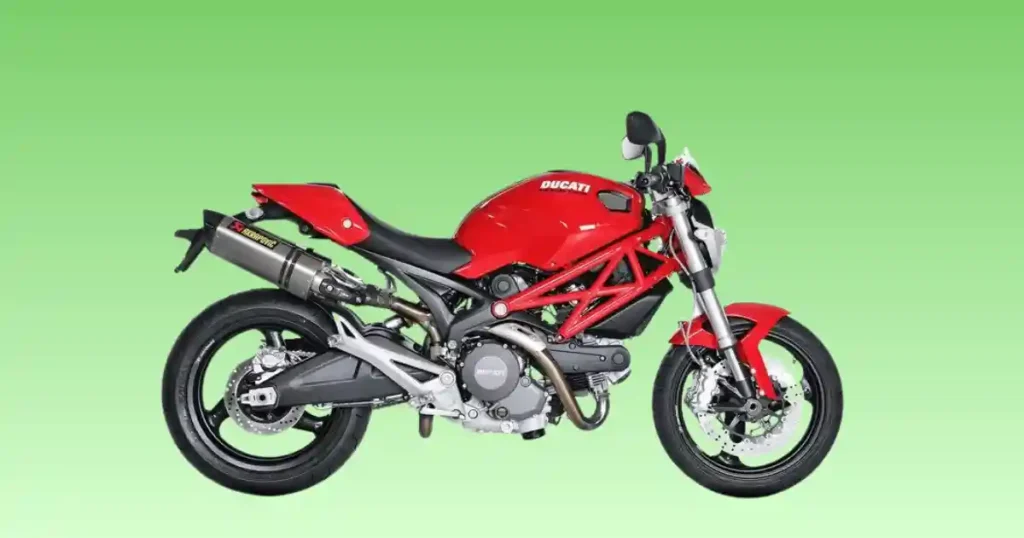
Pressing the starter button on your Italian bike should bring pure joy. Last autumn in Asheville, North Carolina, a fellow rider sat next to his beautiful naked bike with a sad face. He pushed the button, but nothing happened. The bike would not make a single sound. Dealing with a ducati monster 696 not starting can ruin your weekend plans and leave you feeling stuck. I helped him check the simple parts first to locate the root cause. This complete guide will show you how to fix these common issues yourself at home.
Why Is Your Ducati Monster 696 Not Starting?
Finding out why your bike will not start is like solving a fun puzzle. You just have to follow the path of power and fuel to find the broken link.
No crank and no sound
A silent bike means power is not moving from your battery to the starting motor. Check your main switches first before you buy parts. If the bike does not make a sound, the safety loop might be open. A broken wire or a loose plug can cause this issue. Look at the dash to see if it lights up. A dark screen means a dead battery or a blown fuse.
Engine cranks but never starts
When the bike turns over fast but will not run, your battery is good. The problem is usually a lack of fuel or a missing spark. The fuel pump must build pressure to feed the motor. Spark plugs must also give a clean flash at the right time. Check your gas tank to ensure it has fresh fuel. Stale fuel will not ignite well inside the hot motor cylinders.
Starts for a second then dies
A bike that fires up and then dies right away has a tricky issue. This sign means the initial fuel is there, but the flow stops. It can also mean the computer safety system shut the engine down. The immobilizer system reads the key chip when you turn the lock. If the wire loop cannot read the chip, the computer cuts the spark. This stops thieves but can trap you too.
Slow cranking on cold mornings
Cold air makes engine oil thick and hard to move. It also slows down the chemical mix inside your motorcycle battery. The L-Twin engine needs a lot of cranking speed to catch fire on a freezing morning. A weak battery will fail on a cold day even if it worked fine the night before. Keep your bike in a warm space or use a battery tender.
Clicking noise when pressing the starter
A rapid clicking sound means your battery is almost totally dead. The small relay under the seat snaps shut, but the voltage drops right away. The relay opens up, then tries again, making a fast clicking noise. The battery has enough juice to move the tiny switch but cannot turn the heavy starter motor. Charge the battery before you try to crank it again.
Hard starting after the motorcycle sits for weeks
When a bike sits idle, modern gasoline begins to break down. The volatile compounds evaporate, leaving a heavy fuel that resists catching a spark. The engine will crank for a long time without catching fire. Moisture can also gather inside the tank and pool at the bottom. This bad water mix fouls the fuel system and stops a clean start.
Match the Symptoms Before Replacing Parts
You can save hours of work by looking at how the bike behaves. Small signs point right to the broken part.
Professional mechanics diagnose symptoms first instead of guessing. Doing the same can save both money and hours of frustration. Start with what the bike is telling you. The symptom often points straight toward the fault. It helps you see what is wrong at a glance.
Ducati Monster 696 Starting Symptoms and Possible Causes
| Symptom | Likely Cause | Difficulty | DIY Friendly |
| No crank | Dead battery | Easy | Yes |
| Single click | Weak battery or starter relay | Easy | Yes |
| Rapid clicking | Low battery voltage | Easy | Yes |
| Cranks but won’t fire | Fuel or ignition problem | Medium | Yes |
| Starts then stalls | Immobilizer, sensor or fuel issue | Medium | Sometimes |
| Dashboard resets while starting | Battery voltage drop | Easy | Yes |
| Weak crank after storage | Sulfated battery | Easy | Yes |
Step-by-Step Ducati Monster 696 Troubleshooting
Follow this order to check your bike from the outside in. This list saves you from doing hard work first.
Step 1 – Check battery voltage
Ideal resting voltage
Set your digital multimeter to DC volts. Touch the test probes to the battery terminals under the tank. A good battery must show 12.6 to 13.0 volts at rest. Anything below 12.0 volts is too low to run the starter system safely.
Battery load test
Leave the meter on the posts and push the start button. Watch the numbers drop as the motor cranks. If the screen goes under 10 volts, the battery lacks real muscle. It must be charged or replaced with a new one.
Battery age
Look at the date stamp on the plastic case. Most lead batteries only last three to five years. An old battery might show good voltage at rest but fail completely under a real load. Replace it if it is past its prime.
Step 2 – Inspect battery terminals
Loose cables
Vibration from the road can back the small screws out over time. Give the thick red and black wires a firm wiggle with your hands. If they move at all, tighten them down tight with a proper socket tool.
Corrosion
Look for white powder or green crust around the metal leads. This buildup acts like a wall for electricity. Remove the wires and scrub the metal clean with a wire brush and some warm water.
Ground wire inspection
The main black ground cable connects right to the metal engine case. Follow this wire down to ensure the bolt is tight. A loose engine ground causes strange electrical errors and slows down the starter.
Step 3 – Verify engine kill switch
Look at your right handlebar controls. The red kill switch toggle must be clicked into the run position. People often bump this switch by accident when parking or moving the bike around the garage. Flip it back and forth to ensure it works well.
Step 4 – Check side stand safety switch
The side stand has a small plastic switch at the pivot point. If the stand is down and the bike is in gear, the engine will not crank. Clean the switch with contact cleaner to stop mud from sticking the pin inside.
Step 5 – Inspect clutch switch
A tiny switch lives right under the left handlebar lever. You must pull the clutch lever all the way to the grip to close the circuit. If the switch body is loose or cracked, the bike will think your hand is off the lever.
Step 6 – Confirm neutral switch operation
Look at the digital dashboard screen for the green N light. If the light is off, the bike is in gear. Shift the transmission up and down until you find neutral. This lets the safety system know it is safe to start the motor.
Step 7 – Listen for fuel pump priming
Turn the key to the run position. Put your ear close to the gas tank area. You must hear a clear two-second whirring buzz as the electric fuel pump runs. If you hear absolute silence, the pump or its fuse has failed.
Step 8 – Check fuel quality and fuel level
Open the gas cap and shake the bike side to side. Look for splashing liquid inside the tank. If the bike sat for more than a month, the gas might be stale. Old fuel loses its ability to burn hot and fast.
Step 9 – Inspect spark plugs
Remove the spark plugs with a deep socket. Look at the metal tips for black soot or wet fuel. Wet tips mean the engine is flooded with gas. Wipe them clean with a cloth and check the gap with a wire tool.
Step 10 – Test ignition coils
The ignition coils sit near the plugs to boost electrical power. Check the plastic bodies for small cracks or burn marks. If water gets inside the spark plug well, it will short the coil out and stop the spark.
Step 11 – Examine starter relay
The starter relay is a heavy switch that moves power to the starter. If you hear one loud click but no crank, the relay might be bad. You can test it by bridging the two large posts with a tool to see if it spins.
Step 12 – Test starter motor
An old starter motor can develop internal flat spots over time. Tap the metal starter case gently with a tool while pushing the button. If the motor suddenly spins up, the internal carbon brushes are worn out.
Step 13 – Scan ECU for fault codes
Plug a pocket code reader into the diagnostic port under the seat. Look for any active error codes on the screen. The Marelli ECU brain will tell you if a sensor is broken or disconnected from the wire harness.
Battery Problems That Commonly Affect the Monster 696
The electrical system on these sport bikes needs a strong foundation to run right. A bad battery will cause a chain reaction of strange problems.
Weak battery symptoms
You might see the dash screen flicker or reset when you try to crank. The starter may turn the engine over very slowly before giving up. Sometimes the bike will click fast like a toy gun. These are clear signs that your battery is low on juice.
Battery discharged after storage
Leaving a battery in a cold garage for months ruins the internal chemistry. The power drains down naturally until the cells dry out. A sulfated battery can no longer hold a charge even if you leave it on a charger for days.
Battery charging issues
The bike needs to make its own power while you ride down the road. If the charging system fails, the bike runs off the battery until it drains flat. You will get stranded a few miles away from your home.
Regulator rectifier problems
This aluminum block with cooling fins changes raw power into smooth voltage. If it breaks, it can send too much power or no power at all. A bad regulator can cook your battery or melt the plastic wire plugs.
Charging system failure
The alternator lives inside the engine side cover. It uses magnets to create power as the crankshaft spins. If the internal copper coils burn out, the bike stops making electricity. You must test the output with a meter.
Choosing the right replacement battery
When buying a new battery, choose a sealed AGM battery or a light lithium motorcycle battery. They hold a charge longer and resist road vibration much better than old wet batteries. Always charge a brand-new battery fully before installation.
Fuel System Problems That Prevent Starting
An engine needs the perfect mix of fuel and air to start up fast. Clean components ensure the fuel moves freely under high pressure.
Old fuel
Modern premium gasoline goes bad quickly when left open to the air. It turns into a sticky varnish that smells like old paint. This bad mix will not ignite when the spark plug fires. Always drain old gas if the bike sat all winter.
Contaminated gasoline
Water can leak into outdoor fuel station tanks and find its way into your bike. Dirt or rust particles will clog the small filters. Contaminated fuel causes rough idling, heavy coughing, and complete starting failure.
Blocked fuel filter
The fuel filter catches dirt before it can reach the fine engine parts. If the filter is full of mud or rust, fuel cannot flow fast enough. The engine will starve for gas when you try to start it up.
Weak fuel pump
The electric pump lives inside the fuel tank structure. Over time, the internal motor can wear down and lose its pumping power. It might turn on but fail to build enough fuel pressure to feed the fuel injectors properly.
Dirty fuel injectors
Each fuel injector has tiny holes that spray fuel as a fine mist. If these holes get plugged with dirt, fuel comes out as a weak drip. A dripping injector will not mix with air well, leading to a bad misfire.
Low fuel pressure
The fuel lines must stay under tight pressure to work right. If a rubber line splits inside the gas tank, pressure drops instantly. The pump will run endlessly, but the fuel will just loop around inside the tank.
Ignition Problems
Without a bright spark, the fuel mix inside the motor cannot catch fire. The ignition system must fire with perfect timing.
Worn spark plugs
The tip of a spark plug wears away after many miles of riding. This makes the spark gap too wide for the power to jump. A wide gap causes a weak spark that cannot start a cold engine on a chilly morning.
Faulty ignition coils
Coils multiply battery power into thousands of volts. If the internal wires break from road heat, the coil stops working. The engine will lose power on one cylinder or refuse to start up at all.
Crankshaft position sensor
This sensor tells the computer exactly when the pistons move up and down. If the sensor goes blind, the ECU will not fire the spark plugs or open the injectors. The engine will crank forever but stay totally dead.
ECU ignition faults
The main computer brain can develop internal software glitches or hardware damage. If the ignition circuits inside the ECU burn out, the bike stops making spark. This issue requires a trip to a specialist shop to fix.
Loose electrical connectors
Vibration from the road can wiggle the plastic engine plugs apart. A loose wire on the ignition coil stops the pulse of power right in its tracks. Push every wire clip down tight until you hear a solid snap.
Electrical Issues Beyond the Battery
The wire harness on a naked bike is complex and long. Small issues along the wires can cut off power to vital systems.
Blown fuse
Fuses protect your bike from dangerous electrical fires. If a wire rubs against the frame, it creates a short circuit and pops the fuse. Always check the plastic fuse box under the front seat if a system dies.
Starter relay failure
The starter relay handles a massive amount of electrical current. The copper discs inside can stick together or burn out from repeated starting attempts. A bad relay will either click once or stay completely silent.
Damaged wiring harness
Road heat and vibration can wear through the protective plastic tape on the wires. Bare copper wires can touch the frame or each other, causing short circuits. Look for rubbed spots along the main frame rails.
Corroded connectors
Water from rain or washing can sneak into the plastic wire plugs. The metal pins inside will turn green and stop conducting electricity. Pull the plugs apart and spray them with electronic cleaner to restore the connection.
Immobilizer key recognition problems
The immobilizer is an anti-theft system that checks your key code. If the wire antenna around the ignition switch breaks, it cannot read the key. The dash will show an error code and lock out the starter circuit.
ECU communication issues
If the main computer brain cannot talk to the dashboard, the startup sequence locks up. This happens when the data wires get pinched near the steering neck. The screen might light up but show no engine details.
Seasonal and Weather-Related Starting Problems
Changes in the weather can affect how well your bike starts up. Knowing what to expect each season helps you plan ahead.
Winter storage
Leaving a bike in a cold garage for months ruins batteries and spoils fuel. The battery drains down naturally, and the fuel turns to varnish. Always use a battery tender and add fuel stabilizer before winter starts.
Cold-weather starting
Freezing air makes internal engine oil thick like syrup. This creates a heavy drag on the pistons when you try to crank. A battery loses half its power in cold weather, making winter starts a real challenge.
Summer heat soak
High summer heat bakes the electrical parts under the fuel tank covers. The starter motor gets very hot and takes more power to spin the engine. Let the bike rest in the shade for a bit before you try to restart it.
Moisture after heavy rain
Riding through heavy rain can force water into sensitive electrical plugs. The dampness causes short circuits that kill the ignition spark. Keep your bike covered and use dielectric grease on the wire seals to keep water out.
Long-term parking
Storing a bike without proper care leads to rusty fuel tanks and stuck engine parts. The fuel injectors will clog up completely, and the battery will die permanently. Take time to prep your bike before long storage.
Ducati Monster 696 Problems Frequently Linked to No-Start Conditions
Every motorcycle model has a few unique quirks that pop up more often than others due to factory design choices.
Charging system wear
The factory charging wires can get very hot over time and build up internal electrical resistance. This stops the battery from getting full power from the alternator. Replacing worn wires restores proper charging health.
Aging AGM battery
The tight battery box holds a relatively compact battery. This small unit has very little extra power reserve. As the years pass, it quickly loses the cold cranking amps needed to turn the motor over fast.
Starter relay failure
The original factory starter relay can wear out fast if you crank the engine a lot with a weak battery. Low voltage causes the internal contacts to arc and burn, leading to a permanent failure of the relay switch.
Fuel pump wear
The internal components of the electric fuel pump can become gummed up from old fuel residue. The small internal pump turbine slows down, which drops the fuel pressure below the level needed to feed the system.
Immobilizer faults
The thin wire antenna looped around the key switch can crack from age and vibration. Once cracked, it drops its connection to the dash, meaning it can no longer read the chip hidden inside your plastic key.
Sensor failures
The crankshaft sensor lives in a hot environment next to the engine oil. The intense heat cycles can cause the internal wire coils to break over time. This leads to intermittent stalling or a complete no-start condition.
DIY Repairs You Can Safely Try
You do not need to be a master mechanic to fix many common starting issues. Basic tools and patience are all it takes.
Recharge the battery
Hook your bike up to an automatic smart battery charger overnight. These smart devices use specific stages to desulfate the lead plates and bring the battery back to full strength safely without overheating it.
Clean electrical connections
Remove the black wire first, then the red wire. Scrub the lead terminals with a wire brush until they shine like new silver. Reinstall the cables tight and apply a light coat of grease to stop future rust growth.
Replace worn spark plugs
Twist the spark plug caps off and clear any dirt out of the wells with air. Unscrew the old plugs and check the gap size with a feeler gauge tool. Thread the new plugs in by hand first to avoid stripping the soft metal threads.
Check every fuse
Open the plastic fuse box cover and pull each fuse out one by one. Look through the clear plastic body for a broken metal strip. Replace any blown fuse with a spare of the exact same color and amp rating.
Replace old gasoline
If your gas is old, use a siphon hose to drain the tank completely into a safe gas can. Pour in a fresh gallon of top-tier premium gasoline from a busy gas station to ensure the engine gets clean fuel.
Reset ECU after battery replacement
After dropping in a new battery, turn the ignition key to the on position for thirty seconds without cranking. This allows the computer brain to read the new steady voltage and reset its internal idling parameters.
When You Should Stop DIY Troubleshooting
Sometimes it is best to put the tools down and call a professional shop. Forcing a fix can cause more damage to your bike.
ECU programming
If the main computer brain loses its internal memory or needs a software update, you cannot fix it at home. A authorized dealer must plug the bike into a specialized factory computer tool to reflash the software map.
Compression testing
If your compression test shows low numbers, the engine has a deep mechanical fault. Fixing bad piston rings or checking the desmodromic valve system requires an engine tear-down. This task takes advanced tools and training.
Internal engine damage
Hear a heavy mechanical knocking or metal grinding sound when the starter spins? Stop cranking the motor right away. Continued spinning can throw a rod or bend a valve, destroying the entire engine block in seconds.
Fuel injection diagnostics
Testing the pulse signals sent from the ECU to the fuel injectors takes specialized electronic meters. If the wires are broken deep inside the main loom, a professional shop can find the break without ruining the harness.
Immobilizer replacement
A broken anti-theft computer or a lost security code card requires dealer help. They must use specific software tools to link a new dashboard screen, key transponder chip, and ECU together so they can talk to each other.
Preventive Maintenance to Avoid Starting Problems
A regular maintenance routine stops small issues from growing into big breakdowns. Clean parts keep the bike reliable all year long.
Most starting failures begin months before the motorcycle refuses to start. A simple maintenance routine catches those problems early and costs far less than emergency repairs. Use these intervals to keep your bike healthy.
Preventive Maintenance Schedule
| Maintenance Item | Recommended Interval |
| Battery voltage check | Monthly |
| Battery charging during storage | Every 2–4 weeks |
| Spark plug inspection | Per service schedule |
| Fuel filter inspection | Scheduled maintenance |
| Fuel stabilizer before winter | Every storage season |
| Charging system test | Annually |
| Wiring inspection | Every major service |
| Ground connection cleaning | Yearly |
Essential Diagnostic Tools for Ducati Owners
Investing in a few basic electronic tools will save you time and money. They remove the guesswork from your garage workspace.
Professional technicians don’t rely on assumptions. A few affordable tools can help riders diagnose most starting problems before spending money on unnecessary parts. They pay for themselves the very first time you skip an expensive tow.
Helpful Diagnostic Tools
| Tool | Purpose |
| Digital multimeter | Battery and charging tests |
| Motorcycle battery charger | Battery recovery |
| OBD diagnostic scanner | ECU fault codes |
| Spark tester | Verify ignition spark |
| Fuel pressure gauge | Fuel delivery testing |
| Battery load tester | Battery health |
| Torque wrench | Safe battery installation |
Average Repair Costs in the USA
Knowing repair costs ahead of time helps you decide whether a DIY repair or professional service makes more sense.
Labor rates vary by state, but these typical U.S. estimates provide a realistic starting point for budgeting repairs. Actual costs depend on your local shop rates and parts availability. Use these figures as a general guide.
Estimated Repair Costs
| Repair | Average Cost (USD) |
| Battery replacement | $120–$250 |
| Starter relay | $40–$140 |
| Spark plug replacement | $50–$180 |
| Fuel pump replacement | $250–$700 |
| Starter motor | $300–$800 |
| Regulator rectifier | $180–$450 |
| ECU diagnostics | $100–$220 |
USA Expert Advice
Listening to master mechanics can teach you valuable tricks of the trade. They know these specific bikes inside and out.
“Nearly every motorcycle that won’t start tells you what’s wrong if you slow down and check voltage, fuel delivery, and spark in order. Skip the guessing, and you’ll usually find the fault faster.” — Mike Allen, ASE-Certified Master Technician (USA)
What experienced mechanics inspect first
A smart mechanic always starts at the source of power. They look at the main battery connections and run a proper load test before they touch a single sensor. They know that a clean path for electricity fixes most starting issues right away.
Common mistakes Ducati owners make
Riders often waste a lot of money buying shiny new parts before they know what is actually broken. They assume the starter motor is dead when the battery bolts are just a little loose. Always test the part before you throw it in the trash bin.
Why battery voltage should always be checked before replacing parts
Modern digital engine brains are highly sensitive to small drops in voltage. If your battery drops below ten volts while cranking, the ECU will shut off the fuel injectors to protect itself. The engine will spin but never fire up.
Preventive habits that extend battery and starter life
Picture this: It’s a cool Saturday morning in North Carolina. Coffee in one hand, helmet in the other. You press the starter, expecting that familiar Ducati growl. Instead… click. Your heart sinks a little. Fortunately, a quick battery voltage test often solves the mystery before the toolbox even gets messy. Keep your bike on a modern smart charger to avoid this sad situation.
Frequently Asked Questions
Why is my Ducati Monster 696 clicking but not starting?
A rapid clicking sound means your battery is too weak to turn the heavy engine crankshaft over. The starter relay is snapping open and shut because the voltage drops down the instant the starter motor calls for power.
Can a weak battery power the dashboard but still prevent starting?
Yes, the digital dash takes very little electrical current to light up. Turning over the high-compression pistons takes an immense amount of battery power, which a flat or old battery cannot supply to the starter.
Why does my Monster 696 crank but never fire?
If the starter spins the engine fine but nothing happens, check for a missing spark or a dry fuel system. Ensure that your fuel pump primes with a clear buzz for two seconds when you first turn the ignition key on.
Can bad fuel stop a Ducati Monster 696 from starting?
Yes, modern fuel starts to go bad in thirty days. It loses its volatile chemical edge and leaves a sticky coating inside the fine fuel injectors. This old gas will foul your spark plugs and stop the bike from starting up.
How do I know if the starter relay has failed?
If you hear a single loud click when you push the button but the engine stays silent, the internal relay contacts are likely burnt. You can test it by bridging the two main brass posts together with an insulated tool tip.
Can the immobilizer prevent my Ducati from starting?
Yes, the safety immobilizer will cut off the ignition spark if it cannot read the code chip inside your key. Look at the digital dash for a yellow key warning light or a specific error code text on the screen.
Why won’t my Ducati start after winter storage?
The battery has likely drained down flat from sitting in the cold, or the fuel inside the tank has gone stale. Always store your sport bike with fresh fuel stabilizer and keep the battery attached to an automatic smart charger.
Is it safe to jump-start a Ducati Monster 696?
Yes, you can jump it from a car battery, but the car engine must be turned off completely. A running car charging system can send a massive surge of power that will fry the sensitive engine computer circuits instantly.
How much does it cost to repair a Ducati Monster 696 that won’t start?
A loose wire bolt costs nothing to tighten down with a hand wrench. A fresh quality battery costs around one hundred and fifty dollars, while a broken factory fuel pump or starter motor can cost several hundred dollars for parts.
When should I take my Ducati to a professional mechanic?
You should see a specialist if you have complex wire harness damage, a permanent immobilizer fault, or low engine compression. These deep mechanical and software issues take specialized factory tools to fix safely without breaking parts.
Final Recommendation
Dealing with a ducati monster 696 not starting is always a test of patience, but a systematic approach wins every single time. Based on my years of experience with these premium naked bikes, I recommend checking your battery health and main cable connections first before you touch anything else. Keep your machine connected to a smart quality tender whenever it is parked in your garage for more than a few days. Taking care of your electrical connections and using fresh premium gasoline will keep your bike reliable and ready to hit the open road whenever you are.

Ehatasamul Alom is a dedicated road hybrid bikes expert. With over 15 years of experience, he helps people find the perfect ride. He began his journey as a bike mechanic. He learned the ins and outs of every bike.
Ehatasamul Alom holds a Master's degree in Mechanical Engineering from a Brown University (Providence US 02912), where he specialized in material science and bicycle kinematics. His master's thesis focused on optimizing frame geometry for road hybrid bikes to improve rider comfort and efficiency.
Ehatasamul has an extensive professional background. He spent 10 years (2010-2020) as a Senior Bike Designer at "Urban Cycles," a leading bicycle manufacturer. In this role, he led the development of several award-winning road hybrid bikes, which are known for their durability and performance. He later served (2020-2024) as the Head of Product Development at "Gear Up," a company specializing in high-end cycling components. There, he developed innovative parts and accessories specifically for road hybrid bikes.
Over the years, Ehatasamul has become an authority on Roadhybridbikes. He understands their design and function. His work focuses on making bikes easy to use. Ehatasamul believes everyone should enjoy cycling. He writes guides that are simple to read. His passion for road hybrid bikes is clear. His goal is to share his knowledge with everyone. He wants to see more people on two wheels. His advice is always practical and easy to follow.
- Ehatasamul Alom

- Ehatasamul Alom
- Ehatasamul Alom

- Ehatasamul Alom