
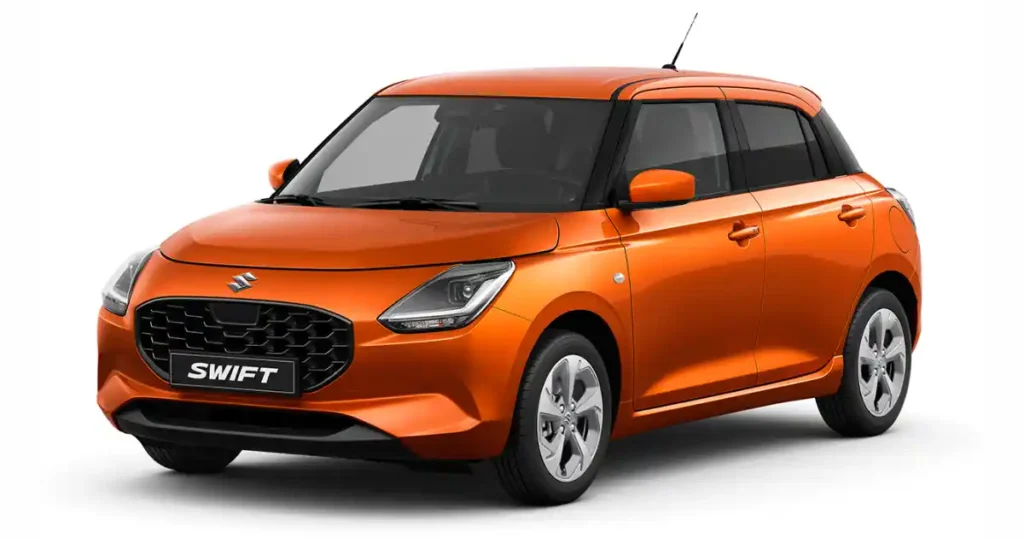
Hearing a sudden clicking sound instead of your car engine running is a deeply frustrating moment. You turn the key or push the start button, expecting a smooth drive, but the car remains stubborn. Last spring during a quick road trip through Phoenix, my own car suddenly left me stranded outside a local diner. That hot afternoon taught me how vital a quick, systematic check can be. Facing a suzuki swift not starting clicking noise problem usually points to an electrical issue rather than a major mechanical failure. This complete guide will walk you through every common cause, simple fix, and smart diagnostic test to get your hatchback moving again.
Suzuki Swift Not Starting With a Clicking Noise? Check These First
A clicking sound usually points to an electrical problem, not a major engine failure. I once stopped at a gas station outside Phoenix on a hot Saturday afternoon and heard nothing but rapid clicks. It turned out to be a weak battery that had enough power for the lights but not enough to crank the engine.
What Kind of Clicking Noise Do You Hear?
- Single click: You hear one solid, loud metallic click when you turn the key, followed by complete silence.
- Rapid clicking: A fast, continuous machine gun sound rings out from under the hood as long as you hold the key.
- Repeated slow clicks: The engine bay makes a lazy clicking sound every second, but the motor refuses to spin.
- Loud click with dim dashboard lights: One sharp click sounds while all your instrument cluster screens instantly go dark.
- No click at all: Total silence occurs when you try to start, though your radio or dome lights might still work.
- Clicking only after several attempts: The starter remains dead at first, but then clicks or grunts after you turn the key multiple times.
Five-Minute Emergency Checklist
- Battery voltage: Check the current health of your battery cells with a meter or by checking the brightness of your dome light.
- Battery terminals: Wiggle the heavy metal terminal clamps with your hand to make sure they are not loose or sliding around.
- Headlight brightness: Turn your high beams on to see if they look crisp and white or dim and yellow.
- Dashboard warning lights: Note which symbols stay lit on your cluster screen when you try to crank the motor.
- Gear selector position (Automatic): Push your automatic transmission shift lever firmly into the Park or Neutral position before trying again.
- Clutch pedal fully pressed (Manual): Shove the clutch pedal completely into the floorboard carpet to trigger the safety interlock switch.
- Brake pedal (Push-button models): Step hard on the brake pedal until the small LED light on your start button glows green.
- Key fob battery: Place your plastic smart key fob directly against the start button while you push it down.
- Main fuse: Look inside the engine bay fuse box to ensure the largest plastic fuses are not broken or burned.
Warning Signs That Point to a Bigger Problem
- Burning smell: A sharp acrid odor of melting plastic means your electrical insulation is getting dangerously hot.
- Smoke near battery: Visible white or gray smoke rising from the battery area indicates a severe short circuit.
- Grinding noise: A harsh clashing sound means the starter drive gear teeth are destroying themselves against the flywheel.
- Hot battery cables: Heavy battery wires that feel physically hot to the touch mean there is massive electrical resistance.
- Dashboard completely dead: No lights, needles, or screens wake up when you turn the key, pointing to total power loss.
- Security light flashing continuously: The anti theft car icon flashes fast, showing that the engine computer has locked you out.
Why a Suzuki Swift Makes a Clicking Noise Instead of Starting
The clicking sound is actually useful. It tells you where the electrical system is struggling and helps narrow the diagnosis much faster.
What Happens When You Turn the Key?
- Immobilizer verifies the key: The security system reads the microchip inside your key to make sure it is authentic.
- ECU powers on: The main electronic control unit boots up and checks all critical vehicle sensors.
- Starter relay activates: A small electric magnet inside the fuse box clicks shut to send heavy power down the line.
- Starter motor receives power: High current flows into the starter solenoid, pushing the drive gear forward into the engine.
- Engine cranks: The electric starter spins the crankshaft to draw fuel and fresh air into the empty cylinders.
- Engine starts: The spark plugs ignite the compressed fuel mix, allowing the petrol engine to run on its own power.
Components Involved in Starting
- Battery: Stores chemical energy to provide the initial 12V electrical current for the entire car.
- Starter relay: Acts as a small remote control switch to handle heavy current safely without melting your ignition switch wires.
- Starter solenoid: A dual purpose electromagnet that pushes the starter gear forward while bridging the main power contacts.
- Starter motor: A powerful electric motor designed to turn the heavy weight of the engine pistons and crankshaft.
- Alternator: Driven by a rubber belt to generate electricity and recharge your battery while you drive down the road.
- Ignition switch: The physical key lock cylinder or push button module that sends your starting request to the computer.
- ECU: The central electronic control unit that manages engine timing, fuel delivery, and safety parameters.
- Immobilizer: An anti theft security module that prevents the car from running if an unauthorized key is used.
- Spark plugs: Create the small electrical fire arcs inside the cylinder head to explode the air and fuel mix.
- Fuel pump: An electric pump inside the gas tank that pushes liquid fuel forward under high pressure.
Most Common Reasons a Suzuki Swift Clicks But Won’t Start
The good news is that most clicking problems come from only a few components. Following a logical order usually finds the fault quickly.
Weak or Dead Battery
Why the Dashboard Still Works
Your dashboard screens, radio, and interior dome lights need very little power to turn on, usually under 10 amps. However, turning over a cold internal combustion engine requires over 150 amps of current. A weak battery can easily run your dashboard perfectly while failing completely when you ask it to spin the heavy starter motor.
Battery Voltage Test
Connect the red and black leads of a digital multimeter to your battery posts. A healthy car battery must read 12.6 volts or higher when the car is completely off. If your meter shows a reading around 12.0 volts, the battery cells are nearly flat and lack the energy to start the engine.
Load Test
A battery can sometimes show a deceptive 12.6 volts at rest but collapse instantly under a load. Connect a dedicated battery load tester to the terminals and apply the internal heat resistor wire. If the needle drops down into the red zone below 10 volts, the internal lead plates can no longer support the starter motor.
Recharge or Replace?
If your battery is simply low because an interior light was left on overnight, a slow garage charger can restore it safely. However, if the battery is over three years old and fails a load test after being charged, you must buy a new 12V battery.
Loose or Corroded Battery Terminals
Signs of Poor Electrical Contact
Look closely at the metal battery posts for any fuzzy white, blue, or green powdery crust. This powder is lead sulfate corrosion, and it acts like an invisible electrical blanket that blocks current from flowing into your heavy starter cables.
Proper Cleaning Procedure
Loosen the negative black terminal clamp first using a metric wrench to avoid creating dangerous electrical sparks against the car chassis. Remove both clamps, scrub the bare metal posts with a stiff wire terminal brush, and wash away the debris using a mix of baking soda and warm water.
Faulty Starter Relay
Single Clicking Sound
If you hear a single, distinct clicking noise coming from the plastic box under the hood but nothing else happens, the starter relay is likely working. The internal magnetic coil is snapping shut, but worn out copper contacts inside the relay housing are blocking power from reaching the solenoid.
Relay Testing
Open your engine bay fuse panel and locate the diagram on the cover. Find the starter relay block and swap it with an identical, working relay from a non-essential circuit like the horn or rear defogger. If the car starts up perfectly, buy a replacement relay at an auto parts store.
Bad Starter Motor
Common Symptoms
Your battery is fully charged, your terminals are sparkling clean, and your relay clicks loudly every single time you turn the key. Yet, the electric starter motor remains completely dead and silent, occasionally giving a single dull thud sound instead of spinning.
Voltage Testing
Set your digital multimeter to DC volts and touch the positive probe directly to the main power stud on the starter motor body. Have a helper turn the key to the start position. If the meter shows a full 12 volts at the starter stud but the motor refuses to spin, the starter is dead.
Starter Solenoid Failure
How It Fails
The starter solenoid sits directly on top of the starter motor assembly. It uses an internal plunger to push the starter drive gear into the engine flywheel. Over time, the heavy copper contact discs inside the solenoid burn down from electrical arcing, breaking the circuit.
Typical Symptoms
You will hear a single loud click from the starter area, but the motor will not rotate. Sometimes, tapping the starter solenoid body gently with a wooden block while a friend turns the key can help the contacts touch, allowing a temporary emergency start.
Weak Ground Cable
Ground Strap Inspection
Your car relies on a heavy black rubber ground wire that connects the negative battery post directly to the metal car frame and engine block. Inspect this wire for any frayed copper strands, loose chassis bolts, or heavy rust build up where the wire meets bare metal.
Voltage Drop Test
Set your multimeter to the lowest ohms or volts setting. Touch one probe to the negative battery post and the other probe directly to a clean metal bolt on the engine block while cranking. A reading higher than 0.2 volts means you have high electrical resistance in your ground strap.
Alternator Problems
Battery Keeps Going Flat
A failed alternator cannot produce electricity to run your car systems and recharge your battery while you drive. The vehicle will run entirely off the battery power until the cells drain completely flat, causing the car to stall out or click the next time you try to start it.
Charging System Diagnosis
Jump start your car using jumper cables from a helper vehicle, then remove the cables. Connect your multimeter to your battery terminals while the engine idles. A healthy alternator must push the system voltage up between 13.5 and 14.5 volts; a lower reading means the alternator is bad.
Faulty Ignition Switch
Key Models
The mechanical ignition switch behind your key cylinder features internal electrical contacts that wear thin over years of use. If these tracks wear out, turning the key to the final position fails to send the critical 12-volt signal to the starter relay circuit.
Push Button Models
On modern smart key models, the electronic start button module can wear out internally. You might notice that pressing the button cycles the car through accessory and run modes perfectly, but fails to trigger the starter relay even when your foot is firmly on the brake pedal.
Immobilizer Problems
Smart Key Battery
A weak coin cell battery inside your key fob prevents the security transmitter from sending its unique code to the car. If your dashboard shows a key symbol flashing rapidly, hold the plastic key fob directly against the start button while pushing it down to bypass the weak signal.
Key Recognition Failure
This occurs when the internal transponder chip loses its electronic programming connection to the engine computer. The car will refuse to crank or spin because the anti theft module actively blocks power from reaching the ignition system and starter relay.
Blown Fuse
Main Fuse
The main fuse is a large, high amp metal link located right inside the engine bay fuse panel. If this fuse blows due to an electrical short or an incorrect jump starting attempt, your entire vehicle will lose power instantly, behaving as if there is no battery connected.
Starter Fuse
A smaller dedicated fuse protects the control circuit for the starter motor relay loop. If this fuse pops, the handlebar inputs or key turns will be ignored completely, leaving your starting system totally silent without a single click or grunt under the hood.
Suzuki Swift Clicks Once But Won’t Start
A single click usually means the starter relay or solenoid is trying to work but cannot turn the starter motor.
Battery Voltage Too Low
Sometimes a battery has just enough power to energize the starter solenoid plunger, creating one loud clicking sound as the metal gear pushes forward. However, the battery lacks the massive current needed to turn the actual electric motor against the internal weight of the engine.
Starter Relay Failure
The small relay inside your fuse box can wear down until its internal copper faces are heavily pitted or covered in black carbon buildup. The relay will click shut mechanically, but the electricity cannot pass through the burned surface to reach the starter motor under the hood.
Starter Motor Seized
The internal bearings inside your electric starter motor can bind up or seize completely over time. When power hits the starter, it cannot turn at all, resulting in a single dull click as the electrical current turns into raw heat inside the locked motor housing.
Engine Mechanically Locked
In rare and severe cases, a single click means the car engine itself is mechanically locked or frozen solid. This can happen if the motor was run completely out of engine oil or suffered severe hydro locking from driving through deep standing flood water on the road.
Suzuki Swift Rapid Clicking Noise But Won’t Start
Rapid clicking almost always points toward insufficient battery power. This is one of the easiest starting problems to diagnose.
Weak Battery
When your battery is nearly flat, it can still send enough voltage to activate the starter solenoid plunger. The solenoid clicks into place, but the moment it connects to the heavy starter motor, the battery voltage collapses to zero. The solenoid drops back open, the voltage recovers instantly, and the cycle repeats fast, creating a loud chattering machine gun noise.
Loose Battery Cable
A loose metal terminal clamp acts like a tiny bottleneck for electricity. It allows enough weak current to pass through to light up your radio and dashboard screen, but the moment the high amp starter asks for power, the loose joint blocks the current completely, causing the system to click rapidly.
Poor Ground Connection
If the main ground cable connecting your engine block to the car frame is loose or rusted, the electrical loop cannot complete itself properly. The electricity gets trapped, causing the starter relay to chatter rapidly as it struggles to find a clean path back to the negative battery post.
Cold Weather Battery Failure
Freezing winter temperatures slow down the internal chemical reactions inside your car battery, cutting its cranking power by up to fifty percent. An aging battery that worked fine during the summer can suddenly fail on a freezing morning, leaving you with nothing but rapid clicks.
Suzuki Swift Cranks Slowly Before Clicking
A slow crank before clicking often means the battery is nearly discharged or the starter motor is drawing too much current.
Battery Near End of Life
As an automotive battery reaches three to five years of age, the internal lead plates degrade and lose their storage capacity. The battery will struggle to turn the engine over for a few slow seconds, quickly exhausting its remaining energy until it drops into a rapid clicking sound.
Worn Starter Motor
Worn out internal bushings or dragging armatures can cause an electric starter motor to become highly inefficient. The motor requires massive amounts of electrical current to spin, draining a perfectly healthy battery within seconds and causing a slow cranking symptom before clicking out.
High Resistance in Battery Cables
Old battery cables can develop hidden corrosion inside their rubber insulation sleeves over time. This green corrosion creates high electrical resistance, slowing down the flow of electricity to the starter, resulting in a lazy, slow engine crank followed by a relay click.
Suzuki Swift Won’t Start After Sitting for Weeks
Cars that sit unused often develop battery and fuel-related issues. The longer the car sits, the more likely these become.
Battery Self-Discharge
Every modern vehicle has small computer memories, clocks, and security modules that draw a tiny amount of electricity continuously. If your car sits unused for three to four weeks, this constant parasitic drain will completely exhaust the starting battery, leaving you with clicking noises.
Sulfated Battery Plates
When a car battery is left in a discharged state for weeks, sulfur crystals form on the internal lead plates. This chemical process is called sulfation, and it permanently ruins the battery’s ability to accept a charge or deliver high cranking amps to your starting system.
Rodent Damage
Mice and rats love using the quiet shelter of a parked car engine bay to build nests. They will often chew right through the soft wiring harness insulation, severing vital signal lines to your starter relay, ignition coils, or crankshaft position sensor.
Corroded Electrical Connections
Without the heat of a running engine to dry out moisture, damp air can cause corrosion to grow inside your open electrical plugs. This green oxide layer blocks weak sensor signals and low voltage control circuits from completing their loops when you finally try to start.
Step-by-Step Suzuki Swift Clicking Noise Diagnosis
Whenever I hear clicking instead of cranking, I begin with the battery before touching anything else. One cold Tuesday morning in Minneapolis, that habit saved a customer from replacing a perfectly good starter motor.
Step 1 – Measure Battery Voltage
Take your digital multimeter and place the probes on the clean lead battery posts. Note the exact resting voltage; you need to see a stable 12.6 volts or higher to prove the battery cells have an adequate charge.
Step 2 – Perform a Battery Load Test
Connect a mechanical load tester to the battery terminals or have a friend crank the key while watching your multimeter screen. If the voltage drops down below 10 volts during the crank attempt, your battery cells are weak or dead.
Step 3 – Inspect Battery Terminals
Look closely at the positive and negative cable clamps for any loose fitment or white powdery corrosion. Use your hand to firmly wiggle the wires to ensure they are clamped down solid against the battery posts.
Step 4 – Test the Starter Relay
Locate the plastic fuse box under your hood and find the starter relay position using the diagram. Swap it with an identical non-essential relay from the panel to rule out a failure of the internal switch contacts.
Step 5 – Check Voltage at the Starter Motor
Safely raise the front of the car and use your multimeter to check for power at the main starter motor stud. Ensure that a full 12 volts arrives at the starter body the exact moment a helper turns the key to crank.
Step 6 – Inspect Ground Cables
Trace the thick negative battery wire down to where it bolts directly onto the metal car frame rail. Unbolt the connection, clean off any rust or road grime with sandpaper, and reinstall the bolt tightly against bare metal.
Step 7 – Scan OBD-II Fault Codes
Plug a digital code reader into the diagnostic port located underneath the driver side edge of the dashboard. Scan the vehicle memory for any stored engine codes that indicate a failed safety switch or broken sensor.
Clicking Noise Diagnosis Table
Professional mechanics rarely guess. They compare the sound and symptoms before replacing parts. This table follows the same approach.
Before you begin replacing parts under the hood, compare the exact behavior of your vehicle with this mechanic’s symptom matrix to pinpoint the component.
| Clicking Sound | Most Likely Cause | DIY Difficulty | Home Repair Possible |
| Rapid clicks | Weak battery | Easy | Yes |
| Single click | Starter relay | Easy | Yes |
| One loud click | Starter motor | Medium | Sometimes |
| No click | Ignition switch or fuse | Medium | Yes |
| Slow repeated clicks | Weak battery connection | Easy | Yes |
| Click then dashboard resets | Loose battery terminal | Easy | Yes |
Battery Voltage Reference Table
Battery voltage tells you more than most people realize. I always measure it first because it eliminates the most common cause within a minute.
Connect a basic digital meter to your vehicle terminals while the engine is off to read the true state of charge of your electrical system.
| Voltage | Condition | Recommended Action |
| 12.8V | Excellent | No action |
| 12.6V | Healthy | Normal |
| 12.4V | Slightly low | Recharge |
| 12.2V | Weak | Test battery |
| Under 12V | Poor | Replace likely |
| Below 10V while cranking | Battery failure | Replace |
Quick Diagnosis by Symptom Table
Matching symptoms to likely causes speeds up troubleshooting and helps avoid buying unnecessary parts.
Use this symptom based guide to narrow down your electrical search based on how your dashboard displays behave during your starting attempt.
| Symptom | Most Likely Cause | First Thing to Check |
| Dashboard lights dim | Weak battery | Battery voltage |
| Rapid clicking | Battery | Load test |
| Single click | Starter relay | Relay voltage |
| Engine cranks slowly | Starter motor | Current draw |
| No dashboard lights | Battery connection | Battery terminals |
| Security light flashing | Immobilizer | Key recognition |
Starter System Components Table
Understanding what each part does makes troubleshooting less intimidating. Even beginners can isolate many faults with this simple guide.
Review this functional overview to understand exactly how each part of your electrical starting circuit contributes to spinning the engine.
| Component | Job | Common Failure |
| Battery | Supplies power | Low voltage |
| Starter relay | Activates starter | Internal contacts |
| Starter solenoid | Engages starter gear | Burned contacts |
| Starter motor | Turns engine | Worn brushes |
| Alternator | Charges battery | Undercharging |
| Ground cable | Completes circuit | Corrosion |
Essential Tools for Diagnosing a Suzuki Swift
You don’t need expensive dealership equipment. These affordable tools cover almost every common clicking-noise diagnosis.
Basic Diagnostic Tools
- Digital multimeter: Measures raw electrical voltage and checks circuits for broken or open paths.
- Battery load tester: Applies a physical load to the battery to check its true health under pressure.
- OBD-II scanner: Pulls diagnostic trouble codes from the engine computer to identify hidden sensor faults.
- Socket set: Standard metric sockets to remove battery clamps, body panels, and starter motor bolts safely.
- Battery terminal brush: A small wire brush designed to clean corrosion out of the inside of terminal clamps.
- Contact cleaner: An aerosol spray that dissolves oil and grime inside electrical plugs without damaging plastic.
- Fuse puller: A small plastic clip tool to safely remove small fuses without breaking their housings.
- Jumper cables: Heavy copper cables to transfer power from a working car battery for emergency starting.
- Flashlight: A bright light source to inspect low ground straps and dark corners of the engine bay.
Common Mistakes Owners Make
We’ve all rushed to conclusions before. A systematic approach almost always saves money and frustration.
Replacing the Starter Before Testing the Battery
Many owners buy an expensive new starter motor the moment they hear a single click under the hood. Most of the time, the starter motor is perfectly fine, and the true issue is simply a weak battery or a loose wire connection.
Ignoring Battery Cable Corrosion
Leaving a thick layer of green or white crust on your battery terminals blocks electricity from flowing. Spraying it with cleaner or ignoring it will prevent even a brand new battery from starting your car.
Assuming the Alternator Is Always the Problem
When a battery goes dead, owners often blame the alternator immediately. Batteries fail naturally from age and heat; always test the battery health independently before buying a new alternator assembly.
Forgetting the Key Fob Battery
It is easy to forget that a modern push button car requires a wireless security signal to crank. Changing a dead key fob battery takes minutes and costs very little compared to an unneeded mechanical repair.
Ignoring Ground Connections
Riders often focus entirely on the positive red battery cable while completely forgetting the black negative ground strap. A rusted ground bolt on the car chassis blocks power just as effectively as a disconnected wire.
Skipping an OBD-II Scan
Trying to guess which engine sensor is broken without plugging in a digital pocket scanner wastes time. Let the vehicle computer tell you exactly what circuit is failing before you begin unbolting parts.
Expert Advice From a U.S. Automotive Technician
Professional technicians solve no-start problems by testing, not guessing. That simple habit avoids unnecessary repairs.
“When a customer says, ‘My car just clicks,’ I reach for a multimeter before a wrench. In our shop, weak batteries and poor cable connections account for most clicking-noise complaints, while starter motors are much less common than people think.” — James Carter, ASE Master Technician, Ohio
Why Professionals Start With Battery Testing
Starting with the battery rules out the most common failure point within sixty seconds. It establishes a known baseline of electrical power before you spend time tracking down complex relay or wiring issues.
Real Workshop Example
On a busy Friday afternoon in Columbus, Ohio, a customer brought in their hatchback after ordering a new starter motor online. They were certain the starter had failed because of a loud clicking noise under the hood. I connected my multimeter and measured a deceptive 12.4 volts at rest. However, the moment we tried to crank the engine, the voltage collapsed all the way down to 8.9 volts. A fresh replacement battery solved the starting issue immediately, saving them from an unneeded and expensive starter motor installation.
How to Prevent Suzuki Swift Starting Problems
Simple maintenance goes a long way. Spending a few minutes every few months is easier than waiting for a tow truck.
Test the Battery Twice a Year
Take your hatchback to a local auto parts store to get a free professional load test twice a year, preferably before the extreme heat of summer and the freezing cold of winter arrive.
Clean Battery Terminals
Slightly loosen your battery terminal clamps every six months and scrub the metal surfaces with a wire brush. Apply a thin coating of grease or protective spray to block future corrosion growth.
Replace an Aging Battery Before It Fails
Do not wait for your battery to leave you stranded in a parking lot. If your car battery is over four years old and begins to crank slowly on cold mornings, replace it proactively.
Inspect Ground Cables
Visually check the heavy black ground straps under your hood during your regular oil change intervals. Ensure the bolts are tight and free of any rust or flaky corrosion where they meet the frame.
Check Alternator Output During Service
Have your mechanic check the charging system voltage during your routine maintenance visits. Ensuring the alternator pushes out a steady 14 volts keeps your battery healthy and fully charged.
Replace the Key Fob Battery Every Few Years
Do not wait for your smart key to go completely dead. Spend a few dollars to put a fresh CR2032 coin cell battery into your plastic key fob every two years to maintain a strong security signal.
When You Should Visit a Suzuki Service Center
Some electrical faults require specialized diagnostic equipment. If the basic checks don’t solve the issue, it’s time for professional help.
Immobilizer Programming Problems
If your car computer has lost track of your key codes, the anti theft system will lock down the starting loop. Resolving this requires a factory diagnostic scanner to securely re link your keys to the vehicle.
ECU Communication Errors
When the main electronic control unit stops talking to the body control modules, it takes specialized software to trace the communication breakdown and flash the computer back to life safely.
Wiring Harness Damage
If mice have chewed through a main factory wire bundle deep behind the engine, tracing and soldering those tiny individual signal lines requires specialized electrical wiring expertise.
Starter Motor Internal Failure
Replacing a seized starter motor located deep in the back of the engine bay can be physically difficult. If you lack the proper jack stands and long extension tools, a professional shop can handle the swap safely.
Repeated Battery Drain
If a fresh battery keeps going flat every few days while parked, your car has a hidden parasitic draw. Finding which computer module is refusing to go to sleep requires a professional step by step milliamp test.
Suzuki Swift vs Other Suzuki Models With Clicking Problems
Many Suzuki vehicles share similar starting systems, but each model has a few unique weak points.
Maruti Suzuki Swift vs Maruti Suzuki Dzire
The Swift hatchback and Dzire sedan use identical K-series engine layouts and matching starter motor assemblies. However, because the Swift features a shorter rear wiring harness, it tends to suffer from fewer rear ground loop issues than its sedan sibling.
Swift vs Maruti Suzuki Baleno
The Baleno utilizes a slightly upgraded body control module architecture. It is known to be more sensitive to minor battery voltage drops, often clicking and refusing to start at 12.2 volts, whereas a Swift might still successfully crank over.
Swift vs Maruti Suzuki WagonR
The smaller WagonR uses a lighter duty electrical starting circuit and a smaller capacity battery shell. Because its battery holds less reserve power, it will drop into a rapid clicking behavior much quicker if an interior dome light is left on.
Which Starting Problems Are Shared Across Suzuki Models?
All these compact Suzuki passenger vehicles utilize similar factory starter relays and identical lead terminal clamp designs. They are all highly vulnerable to developing white lead sulfate corrosion around their battery posts if driven on short, brief trips.
Frequently Asked Questions
Why is my Suzuki Swift making a clicking noise but not starting?
A clicking sound means electrical power is reaching your relays or starter solenoid, but the system lacks the necessary amp current or has too much resistance to physically spin the heavy engine.
Can a weak battery cause rapid clicking?
Yes, rapid chattering clicks are the classic sign of a discharged battery. The battery has just enough power to trigger the solenoid plunger, but collapses instantly under the heavy load of the starter motor.
Why does my Suzuki Swift click once but not crank?
A single loud click usually points to a failed starter motor armature, burned out copper contacts inside your starter solenoid, or a battery that is too weak to turn the motor gear.
How do I know if the starter relay is bad?
If you hear absolutely no sound from your fuse box when turning the key, or if swapping the starter relay block with your working horn relay suddenly makes the car start, the original relay is bad.
Can a bad alternator cause clicking when starting?
Yes, if your alternator fails while driving, the car will drain all the power out of your battery. The next time you try to turn the key, you will hear nothing but clicking noises.
Will jump-starting fix a clicking noise?
If the clicking noise is caused by a flat or weak battery, connecting jumper cables from a running helper car will supply the needed current to start your engine right away.
How long does a Suzuki Swift battery usually last?
Under normal driving conditions, a standard factory car battery will last between three and five years. Extreme summer heat and frequent short trips will shorten this lifespan significantly.
How much does it cost to fix a Suzuki Swift that only clicks?
Cleaning dirty terminal clamps costs nothing but a few minutes of your time. A new battery usually costs around a hundred dollars, while a professional starter motor replacement can cost several hundred dollars.
Final Recommendation
Resolving a clicking noise during a starting attempt requires a steady, systematic approach. Throughout my years of diagnosing these electrical systems, I have learned that checking the simple things first always saves time and money. Never assume an expensive component has failed until you have fully verified the health of your battery voltage and wire connections. Keep your battery posts clean, address slow cranks early, and your vehicle will remain highly dependable on the road. If your troubleshooting steps point to a deeper wiring or immobilizer issue, consulting an authorized service expert is the safest choice to protect your vehicle electronics.

Ehatasamul Alom is a dedicated road hybrid bikes expert. With over 15 years of experience, he helps people find the perfect ride. He began his journey as a bike mechanic. He learned the ins and outs of every bike.
Ehatasamul Alom holds a Master's degree in Mechanical Engineering from a Brown University (Providence US 02912), where he specialized in material science and bicycle kinematics. His master's thesis focused on optimizing frame geometry for road hybrid bikes to improve rider comfort and efficiency.
Ehatasamul has an extensive professional background. He spent 10 years (2010-2020) as a Senior Bike Designer at "Urban Cycles," a leading bicycle manufacturer. In this role, he led the development of several award-winning road hybrid bikes, which are known for their durability and performance. He later served (2020-2024) as the Head of Product Development at "Gear Up," a company specializing in high-end cycling components. There, he developed innovative parts and accessories specifically for road hybrid bikes.
Over the years, Ehatasamul has become an authority on Roadhybridbikes. He understands their design and function. His work focuses on making bikes easy to use. Ehatasamul believes everyone should enjoy cycling. He writes guides that are simple to read. His passion for road hybrid bikes is clear. His goal is to share his knowledge with everyone. He wants to see more people on two wheels. His advice is always practical and easy to follow.
- Ehatasamul Alom

- Ehatasamul Alom
- Ehatasamul Alom

- Ehatasamul Alom