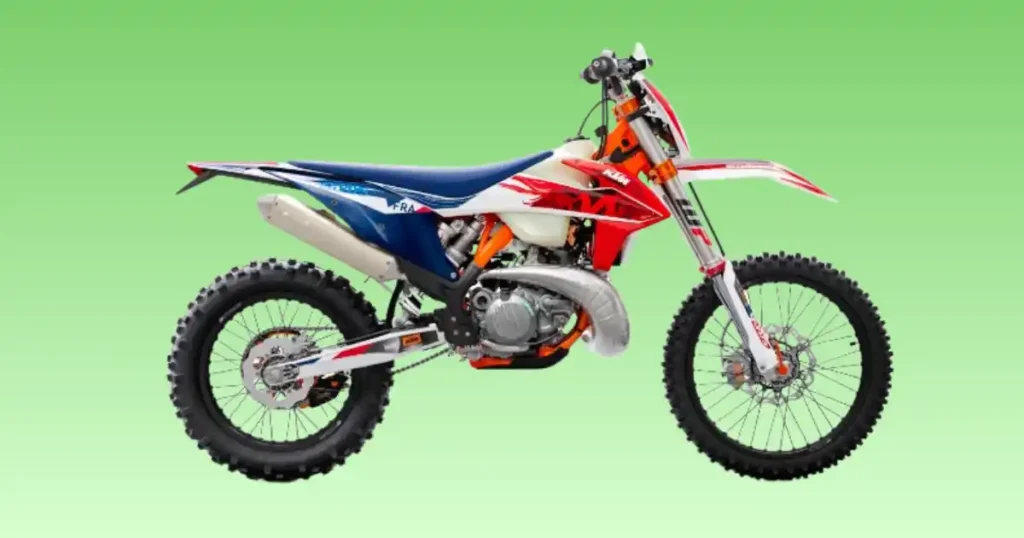
Staring at a dead machine when you are geared up for an epic single-track ride is a complete mood killer. Your heart sinks when that advanced two-stroke engine refuses to fire up on the line. Last summer, I faced a stubborn ktm 250 tpi not starting issue deep in the backcountry of Denver. My riding partner was certain his expensive electronic fuel injection system was totally fried. We spent a few minutes tracing the actual issue using basic logic. It turned out to be a tiny speck of trail dirt jammed inside the main connector plug. Let us dive into a simple diagnostic routine to get your fuel-injected machine firing on the very first button press.
KTM 250 TPI Not Starting? Check These Simple Things First
Most no-start problems have simple causes, even on advanced TPI bikes. I remember a chilly Sunday ride in Colorado where a friend was sure his injector had failed. After ten minutes of checking, we found a loose battery terminal hidden under a layer of trail dust. Tightening it got us back on the trail before lunch.
What Happens When You Try to Start the Bike?
- No response at all: The bike acts dead with zero electrical activity or light.
- Single click: A clear click sounds from the airbox area but nothing turns.
- Rapid clicking: The relay buzzes fast like a machine gun when pressed.
- Engine cranks but won’t fire: The motor spins fast but never ignites fuel.
- Starts then stalls: The engine runs for two seconds then dies out.
- Slow cranking: The electric starter drags heavily and turns very slowly.
- Fuel pump doesn’t prime: You hear total silence instead of a fuel hum.
- Dashboard powers on but engine won’t start: Lights work fine but cranking fails.
Five-Minute Quick Inspection Checklist
- Battery voltage: Ensure the cell holds a strong charge above twelve volts.
- Fuel level: Look inside the tank to verify you have fresh petrol.
- Engine stop switch: Verify the kill button is not stuck down physically.
- Fuel pump priming sound: Listen closely for a clear two-second buzzing noise.
- Battery terminals: Shake the positive and negative leads to check for play.
- Main fuse: Inspect the primary ten-amp fuse link to see if it blew.
- Spark plug cap: Push the rubber boot down hard onto the plug tip.
- Air filter condition: Check that the foam is clean and free of water.
- Oil reservoir level (TPI oil injection): Verify the tank has plenty of two-stroke oil.
Warning Signs That Need Immediate Attention
- Burning electrical smell: This indicates melting wires or a shorted component circuit.
- Fuel leak: Raw petrol dripping near hot engine parts poses a major fire hazard.
- Smoke from wiring: This signals an active short that can destroy your main ECU.
- FI warning light stays on: The amber indicator flashes to warn of a sensor fault.
- Loud grinding from starter: Broken starter drive gears are chewing up the internal flywheel.
- Coolant leak: Sweet-smelling fluid weeping from water hoses can cause fast engine overheating.
How the KTM 250 TPI Starting System Works
Unlike older carbureted two-strokes, the KTM 250 TPI uses electronic fuel injection and automatic oil injection. Every successful start depends on several electronic systems communicating correctly.
Components Required for Starting
- Lithium or AGM battery: Supplies initial electricity to power the computer brain.
- Starter motor: Spins the engine crankshaft to get the piston moving.
- Starter relay: Bridges high-current power from the battery to the starter motor.
- ECU: The Electronic Control Unit controls spark timing and fuel injection mapping.
- Fuel pump: Creates high pressure inside the tank to feed fuel lines.
- Transfer Port Injection (TPI) injectors: Two injectors spray fuel into the rear transfer ports.
- Oil pump: Delivers precise oil amounts into the throttle body air stream.
- Ignition coil: Converts low battery voltage into a high-voltage spark charge.
- Spark plug: Creates the electrical arc that ignites the compressed air mixture.
- Crankshaft position sensor: Tells the ECU exactly when to fire the spark plug.
- MAP sensor: Measures manifold absolute pressure to help calculate correct air density.
- Ambient air pressure sensor: Gathers atmospheric pressure data for high-altitude riding adjustment.
- Engine temperature sensor: Measures coolant heat to help calibrate cold start fuel flow.
What Happens When You Press the Starter Button?
- ECU powers on: The computer wakes up and checks all main sensors instantly.
- Fuel pump primes: The electric pump runs to build high system fuel pressure.
- Oil injection system initializes: The internal oil pump prepares to deliver lubrication fluid.
- Starter relay activates: An internal magnetic switch snaps closed to route heavy power.
- Starter motor cranks: Mechanical gears turn the crankshaft to cycle the piston up.
- TPI injectors deliver fuel: Solenoid valves mist petrol directly into the cylinder ports.
- Spark plug ignites the mixture: The high-voltage arc fires right before top dead center.
- Engine starts: Sustainable two-stroke combustion takes over and the bike idles smoothly.
Most Common Reasons a KTM 250 TPI Won’t Start
Many KTM TPI starting issues come down to battery voltage, fuel delivery, sensor faults, or wiring. A systematic approach makes diagnosis much easier.
Weak or Dead Battery
Common Symptoms
The starter motor turns the engine very slowly or just makes a fast clicking sound. Your digital dashboard display might flicker or go completely dark when you touch the button.
Battery Voltage Test
Connect a digital multimeter to the positive and negative lead terminals. A healthy lithium battery must read above 13.0 volts while sitting at rest.
Recharge vs Replace
If the battery drops below 10 volts during cranking, the cell is ruined. Lithium batteries cannot recover from deep discharges and require a complete replacement.
Loose or Corroded Battery Connections
Signs of High Resistance
The lights turn on normally but drop dead the moment you crank. You will find a white powdery crust on the lead pads.
Proper Cleaning Procedure
Remove the negative cable first to prevent sparks, then pull the positive lead. Scrub the metal clean with a wire brush, apply grease, and tighten down firmly.
Faulty Starter Relay
Single Clicking Sound
A loud click from the airbox means the handlebar switch circuit works fine. The internal contact plates inside the relay are simply failing to pass heavy current.
Relay Testing
Bridge the two main large terminals on the relay using an insulated screwdriver. If the engine cranks immediately, your starter relay is broken internally.
Starter Motor Failure
Slow Cranking
The starter drags heavily even when connected to a fresh power supply. The starter housing will feel scalding hot after short cranking attempts.
Current Draw Test
Hook up an amp meter to the main starter power supply lead wire. An excessive current draw means the starter has shorted internal motor windings.
Fuel Pump Failure
No Priming Sound
You hear total silence from the fuel tank when waking up the electrical system. The bike will crank all day but never sputter or fire.
Fuel Pressure Test
Install a fuel gauge into the main fuel line quick-disconnect joint. The system must hit a stable 50 PSI when you press the starter.
Transfer Port Injection (TPI) Injector Problems
Dirty Injectors
Microscopic dirt blocks the fine spray nozzles, causing a lean fuel mix. The bike will pop, backfire, or stall out immediately.
Electrical Connector Issues
Trail vibration can back the plastic injector plugs out of their locking tabs. This breaks the circuit, preventing the ECU from opening the fuel valve.
Injector Testing
Remove the injector fuel rail block while leaving the lines safely attached. Crank the engine to verify a clean, atomized mist sprays out evenly.
Fouled Spark Plug
Oil Fouling
Excessive idling or prolonged slow technical riding can coat the plug tip in black oil. This oil grounds out the electrical current.
Wet Plug Diagnosis
Remove the spark plug to see if the tip is wet with raw fuel. A wet plug means fuel is spraying but no spark is lighting it.
Ignition Coil Problems
Weak Spark
A failing coil produces a dim yellow spark that dies under actual engine compression. The machine may start cold but stall once it gets warm.
Resistance Testing
Use your multimeter to check the primary and secondary internal wire coil resistance. Replace the coil pack if readings fall outside factory specifications.
Sensor Failure
MAP Sensor
A dirty manifold pressure sensor sends incorrect air density data to the ECU. This confuses fuel delivery, causing hard starting or stalling.
Crankshaft Position Sensor
This sensor tracks fly-wheel rotation to time the spark gap arc. If it fails, the computer becomes blind and stops all spark.
Coolant Temperature Sensor
A broken sensor tells the ECU the bike is warm when it is actually freezing cold. The system fails to enrich the starting fuel mix.
Air Pressure Sensor
This component measures atmospheric changes to adjust fuel mapping at high elevations. A bad reading causes rich or lean starting issues.
Oil Injection System Fault
Low Oil Level
Running out of two-stroke oil triggers a safety lockout mode on newer models. The ECU cuts power to protect the cylinder wall from seizing.
Oil Pump Problems
An internal electronic oil pump failure stops the delivery of vital lubrication fluid. The dash light will flash a specific warning code sequence.
Wiring Harness Damage
Trail Vibration
Wires can rub against sharp frame brackets near the front steering head pipe. This friction cuts through insulation, creating a dead ground short.
Connector Corrosion
Water from river crossings or rain can settle inside the main frame plugs. This creates green corrosion that blocks delicate sensor voltage signals.
Dirty Air Filter
Dust Restriction
A foam filter caked in heavy trail dust blocks the fresh air supply. This starves the engine of oxygen, creating a rich no-start condition.
Proper Cleaning
Wash the element in solvent, dry it completely, and apply fresh tacky filter oil. Squeeze out all excess oil before sliding it back into place.
KTM 250 TPI Cranks But Won’t Start
If the starter spins the engine but it never fires, concentrate on spark, injector operation, fuel pressure, and compression before replacing components.
Diagnosing a fuel-injected two-stroke requires a logical approach to isolate the problem. Use your senses and simple tools to check the core pillars of internal combustion before spending money on random electrical parts.
| Diagnostic Step | Target Component | Expected Healthy Result |
| Check Spark | Spark Plug & Coil | Bright blue arc jumping electrode gap |
| Listen to Tank | Electric Fuel Pump | Two-second high pitched priming hum |
| Verify Spray | TPI Fuel Injectors | Fine atomized mist from both nozzles |
| Check Pressure | Fuel Delivery Line | Steady 50 PSI on pressure gauge |
| Check Airway | Foam Air Filter | Clean unblocked passage into throttle body |
| Test Compression | Piston & Top End | 120 PSI minimum on mechanical gauge |
Check for Spark
Remove the spark plug and ground the threads against the cylinder head. Press the starter button while watching the tip to verify a bright blue spark jumps the gap clearly.
Listen for Fuel Pump Priming
Turn on the bike or tap the starter button to activate the system. Put your ear close to the fuel cap to confirm the electric pump spins up with a clean hum.
Verify TPI Injector Operation
Pull the injectors from the transfer ports while keeping the fuel lines attached. Crank the engine briefly to make sure fuel sprays out in a fine atomized pattern.
Check Fuel Pressure
Hook up a pressure gauge inline between the tank line and the main frame rail. Press the start button to ensure the system reaches and holds a full 50 PSI easily.
Inspect the Air Filter
Pop off the airbox cover panel to check the state of the foam filter. A water-logged or mud-covered filter will suffocate the engine, preventing it from firing up.
Perform a Compression Test
Thread a compression gauge directly into the cylinder head spark plug hole. Hold the throttle wide open and crank the engine until the needle stops rising above 120 PSI.
KTM 250 TPI Starts Then Dies
An engine that starts briefly before stalling often points toward fuel pressure loss, injector problems, or sensor communication faults.
Fuel Pump Pressure Loss
The electric fuel pump might have enough strength to prime the line initially but fail to maintain pressure under load. As soon as the engine fires, the pressure drops instantly, causing the motor to starve and stall.
TPI Injector Malfunction
A partial blockage inside the injector nozzle allows enough fuel through for a quick pop but restricts steady flow. The engine dies the moment the ECU tries to settle into a stable idle fuel delivery loop.
ECU Sensor Communication
If the crankshaft position sensor or MAP sensor drops its signal right after startup, the ECU loses track of engine timing. The computer cuts the ignition spark immediately as a built-in safety measure to prevent damage.
Air Intake Leak
A rip in the rubber throttle body boot allows unmetered air to bypass the injection system. This creates an extremely lean condition, causing the bike to pop through the exhaust and stall out.
Oil Injection System Fault
An intermittent electrical break in the electronic oil pump circuit will trigger an immediate emergency shutdown. The ECU kills the engine within seconds to prevent running the piston dry without proper two-stroke lubrication.
KTM 250 TPI Won’t Start After Washing
Pressure washers are convenient after muddy rides, but water inside connectors can create frustrating electrical problems.
Wet Ignition Coil
Blasting water under the fuel tank can force moisture past the protective rubber seals of the ignition coil. This water creates an easy path for electricity to ground out against the frame before reaching the plug.
Moisture in ECU Connectors
Water forced into the main ECU multi-plug block can short out adjacent pins. This scrambles sensor signals completely, preventing the computer from activating the fuel pump or ignition circuits.
Water Around MAP Sensor
Moisture trapped inside the delicate vacuum lines of the MAP sensor causes completely false air pressure readings. The ECU gets confused and floods the engine with fuel, fouling the spark plug instantly.
Spark Plug Cap Contamination
Water sitting inside the deep spark plug well of the cylinder head will short out the spark. The electrical current travels through the standing water to the aluminum head instead of jumping the plug gap.
KTM 250 TPI Won’t Start After Winter Storage
A bike that sat all winter may have a weak battery, stale fuel, or injector deposits. Fortunately, most storage-related problems are straightforward to diagnose.
Battery Self-Discharge
Lithium batteries lose charge very slowly but will still drain over months of cold winter storage. A voltage drop below twelve volts leaves the cell too weak to boot up the fuel injection system computers.
Old Fuel
Modern pump gas begins to break down and lose its volatile properties in less than thirty days. Stale fuel resists clean evaporation, making it very difficult for a cold engine to ignite during spring startup.
Fuel Pump Sticking
As old fuel sits inside the pump housing, it leaves behind a sticky varnish layer as it dries out. This residue can mechanically lock the internal pump gears, causing the pump motor to stick completely.
Injector Deposits
Fuel drying inside the tiny passages of the TPI injector nozzles leaves solid residue behind. These deposits block the microscopic holes or stick the internal needles shut, stopping all fuel delivery to the ports.
Rodent Damage
Mice often build warm nests inside cozy motorcycle airboxes during cold winter months. These pests like to chew on nearby wiring harness looms, severing critical sensor lines needed to run the bike.
Step-by-Step KTM 250 TPI Troubleshooting Process
Whenever I diagnose a TPI bike that won’t start, I resist the temptation to blame the injectors first. One crisp Thursday morning near Moab, a rider was ready to order expensive fuel system parts. The real problem was a battery that looked healthy but dropped below 9 volts under load.
Step 1 – Measure Battery Voltage
Take your digital multimeter and check the static voltage across both battery terminals. A healthy lithium cell must show above 13.0 volts; if it reads low, charge it completely before moving forward.
Step 2 – Inspect Battery Connections
Grab a wrench and physically check that both terminal bolts are completely tight against the leads. Clean away any green corrosion or dirt using a stiff wire brush to ensure a perfect metal connection.
Step 3 – Check Main Fuse
Locate the primary starter relay housing inside the airbox compartment behind the side panel. Pull the red ten-amp fuse and look closely at the center wire element to confirm it is not blown.
Step 4 – Listen for Fuel Pump Priming
Tap the handlebar starter button for one short second to wake up the main electrical system. Listen closely to the fuel tank area for a clear, high-pitched two-second operational humming noise.
Step 5 – Inspect Spark Plug
Remove the seat and tank to gain access to the cylinder head spark plug well. Use a plug socket to pull the spark plug, checking the electrode for dark oil fouling or raw fuel wetting.
Step 6 – Test the Starter Relay
Use an insulated tool to touch both large copper posts on the starter relay module together. If the starter motor turns the engine instantly, your handlebar switch circuit or relay is broken.
Step 7 – Verify Fuel Pressure
Connect a dedicated fuel pressure tester gauge kit inline to the main tank quick-disconnect plug. Cycle the starter button to verify the system jumps up to a steady 50 PSI pressure reading.
Step 8 – Check Compression
Thread a mechanical compression gauge tightly into the empty spark plug hole on the cylinder head. Twist the throttle wide open and crank the engine until the gauge needle stops rising above 120 PSI.
KTM 250 TPI No-Start Diagnosis Table
Experienced enduro mechanics compare symptoms before replacing parts. This method reduces unnecessary repairs and gets riders back on the trail sooner.
Isolating your machine’s exact starting behavior narrows down the list of potential faults quickly. Use this technical lookup table to match your bike’s symptoms with the correct mechanical solution.
| Common Symptoms | Most Likely Cause | DIY Difficulty | Usually Repairable at Home |
| No response | Dead battery or blown main fuse | Easy | Yes |
| Rapid clicking | Weak battery charge or bad ground | Easy | Yes |
| Single click | Faulty starter relay or stuck motor | Easy | Yes |
| Cranks but won’t fire | Fouled spark plug or stale fuel | Medium | Yes |
| Starts then stalls | Clogged TPI injector or low fuel pressure | Medium | Sometimes |
| No fuel pump sound | Blown pump fuse or dead internal motor | Medium | Sometimes |
| FI light on | Failed sensor or broken wire harness | Medium | No |
| Slow cranking | Worn starter motor or high resistance | Medium | Sometimes |
Battery Voltage Reference Table
Checking battery voltage first has become second nature because it quickly eliminates the most common cause of TPI starting problems.
Lithium-iron phosphate batteries react differently than old lead-acid cells when discharging current. Use this accurate voltage guide to check your battery’s true capacity state with a digital multimeter.
| Voltage | Condition | Recommended Action |
| 13.0V or higher | Excellent State | Battery is healthy; proceed to check ignition paths |
| 12.8V | Healthy Charge | Normal baseline power; ready for standard starting cycles |
| 12.5V | Slightly low | Connect a dedicated lithium smart charger to top it up |
| 12.2V | Weak capacity | Perform a load test; the internal cells are starting to fade |
| Under 12V | Poor condition | Replace battery likely; cell has suffered a deep discharge |
| Below 10V while cranking | Battery failure | Internal voltage collapse; replace the battery immediately |
TPI Fuel Injection Troubleshooting Table
Transfer Port Injection adds performance and efficiency, but it also introduces a few unique diagnostic points. This table helps identify common TPI-related faults.
The electronic fuel injection system relies on accurate sensor feedback and consistent fuel line delivery pressure to operate safely. Review these common TPI system fault symptoms to pinpoint electronic issues.
| Observed Symptom | Possible Cause | First Check |
| No fuel pump sound | Broken pump or bad fuel system relay | Inspect the main fuel system fuse link |
| Hard cold starting | Faulty coolant temperature sensor | Check sensor wire plugs for corrosion |
| Starts then stalls | Clogged injector or low system fuel pressure | Test fuel pressure at the quick disconnect |
| Poor throttle response | Dirty or damaged MAP sensor module | Check the black rubber sensor vacuum lines |
| FI warning light on | Critical ECU fault code triggered | Connect a diagnostic scanner to read codes |
| Excessive smoke | Malfunctioning electronic oil injection system | Check for air bubbles in oil delivery lines |
Essential Tools for Diagnosing a KTM 250 TPI
Most common TPI starting issues can be diagnosed with a few quality tools instead of replacing random parts.
- Digital multimeter: Measures voltage, wire resistance, and circuit continuity across the bike.
- Battery charger: A specialized smart charger designed to safely balance lithium-iron battery cells.
- Battery load tester: Applies a true mechanical load to evaluate your battery’s structural health accurately.
- Fuel pressure gauge: Measures system line pressure to confirm your fuel pump hits 50 PSI.
- Compression tester: Records cylinder pressure to evaluate the physical sealing health of rings.
- Spark tester: Connects inline to verify your ignition coil delivers a strong high-voltage arc.
- Motorcycle diagnostic scanner: Specialized electronic tool used to read fault codes directly from the ECU.
- Torx key set: KTM models use specialized Torx hardware across all main body mounts.
- Contact cleaner: Quick-drying solvent spray used to flush mud and water out of electrical switches.
- Flashlight: Helps inspect dark areas inside the airbox and deep frame wire channels.
Common Mistakes Riders Make
We’ve all jumped to conclusions after a long day on the trail. A careful inspection usually saves both money and frustration.
Assuming the TPI Injector Has Failed
Many riders instantly blame the advanced fuel injectors the second their bike coughs or refuses to fire up. They spend hundreds of dollars on new injectors when the true issue was simply a clogged inline fuel filter mesh screen.
Ignoring Battery Voltage
Believing a lithium battery is perfectly healthy just because the digital dashboard turns on is a big mistake. A failing cell can show high voltage at rest but collapse completely under the heavy amperage load of starter cranking.
Using Old Fuel After Storage
Attempting to start a stored bike on old, stale winter fuel will quickly foul your clean spark plug. Always drain your tank and fill up with fresh premium fuel before trying to start the machine after winter.
Pressure Washing Electrical Connectors
Blasting your machine with a high-pressure washer forces water deep past the weather-resistant seals of electronic plugs. This creates corrosion and short circuits that can puzzle you for days during troubleshooting.
Ignoring Air Filter Maintenance
Trying to run an engine with a foam filter choked in heavy dust blocks the vital oxygen flow needed for combustion. This air restriction causes the ECU to flood the cylinder, fouling your spark plug with raw fuel.
Replacing Parts Before Testing
Throwing random electrical components at a no-start issue based on online forum rumors gets expensive fast. Always use a digital multimeter to test and verify a part has failed before ordering a replacement.
Expert Advice From a U.S. Enduro Technician
Professional mechanics don’t guess. They verify each system one at a time before replacing expensive components.
“Many riders blame the TPI system when the bike won’t start, but weak batteries and poor electrical connections are still the most common causes we see. Start with battery voltage, fuel pump operation, and sensor connections before replacing injectors.” — Tyler Anderson, KTM-Certified Off-Road Technician, Idaho
Why Professionals Test Battery Voltage First
Modern electronic fuel injection systems require a steady, clean supply of electrical power to run their internal processors. If your battery voltage dips below a critical threshold while cranking, the ECU will fail to trigger the fuel injector pulse. Starting your diagnosis with a thorough battery load test saves hours of workshop frustration.
Real Workshop Example
- Saturday morning before an Idaho trail ride: A rider rolled into the staging area with a dead bike.
- Rider suspected a failed TPI injector: He was ready to pack up and drive home to order parts.
- Battery measured 12.5V at rest: The basic open-circuit voltage looked completely normal on a simple meter check.
- Voltage dropped below 9V while cranking: Under a true starter load, the degraded lithium cells collapsed instantly.
- Battery replacement solved the problem immediately: A fresh power cell restored normal starting with zero mechanical tear-down.
How to Prevent KTM 250 TPI Starting Problems
Routine maintenance keeps your bike dependable whether you’re riding tight woods, rocky climbs, or desert trails.
Keep the Battery Fully Charged
Get into the habit of hooking up your lithium battery to a dedicated smart balancer charger before every major ride. Ensuring your power cell starts the day at peak capacity prevents unexpected electronic lockouts deep in the woods.
Use Fresh Premium Fuel
Always purchase high-octane premium fuel from busy gas stations to ensure you get the freshest blend possible. Avoid ethanol blends whenever you can, as ethanol attracts moisture which ruins small fuel pump components over time.
Clean the Air Filter After Dusty Rides
Never let fine trail dust accumulate on your foam filter element until it chokes the engine intake tract. Wash and oil your filter regularly to maintain a completely clean, unrestricted flow of fresh air into the throttle body.
Inspect Wiring Before Every Ride
Take a few minutes during normal cleaning to trace your main wiring harness loom along the metal frame rails. Look closely for any signs of physical rubbing near the steering stem where wires can pinch during tight turns.
Protect Electrical Connectors From Water
Apply a small dab of high-quality dielectric silicone grease inside every major electrical multi-plug connector on the bike. This grease builds a solid waterproof barrier that keeps washing spray and river crossings from corroding pins.
Replace the Spark Plug at Recommended Intervals
Do not wait for your engine to start sputtering or misfiring before installing a new spark plug tip. Swap out your plug every twenty operating hours to ensure clean, hot ignition performance under heavy engine loads.
Check the Oil Injection Reservoir Regularly
Visually check the two-stroke oil level through the frame sight window before heading out on any trail ride. Running out of oil will cause the ECU to lock out the ignition system to prevent severe piston seizing damage.
When You Should Visit a KTM Dealer or Professional Workshop
Some TPI faults require KTM diagnostic software and specialized equipment. If the basic checks don’t reveal the issue, professional diagnosis is the best next step.
ECU Communication Errors
If your diagnostic tools cannot establish a data link with the central computer module, seek professional assistance. Internal microprocessor damage or deep harness breaks require advanced factory diagnostic software to trace and repair safely.
Persistent FI Warning Light
An amber warning light that keeps flashing after you have checked all basic sensor plugs means an active fault is logged. A KTM dealer can scan the ECU code history to pinpoint the exact failing sensor within minutes.
TPI Injector Failure
Replacing a defective or shorted fuel injector requires clean handling tools to prevent dirt entry into the fuel rail. Professional shops have the proper equipment to test and calibrate injector flow rates accurately.
Wiring Harness Damage
Tracking down an intermittent electrical break hidden inside a wrapped bundle of thirty matching wires is very difficult. Dealership mechanics use factory break-out test boxes to check circuits without cutting open your main harness loom.
Internal Engine Problems
If your compression test results drop below factory limits, your top end has suffered severe physical wear. Rebuilding worn piston rings, servicing power valves, or honing cylinder walls requires specialized engine building tools and experience.
KTM 250 TPI vs Other KTM Two-Stroke Models With Starting Problems
Many KTM two-strokes share similar electronic systems, but each model has its own maintenance requirements and common failure points.
KTM 250 EXC TPI vs KTM 300 EXC TPI
The larger 300 EXC TPI utilizes the exact same fuel injection system architecture but features a much wider piston crown. This larger displacement creates higher internal cranking compression resistance, making the 300 model far more sensitive to tiny drops in battery voltage than the 250 machine.
KTM 250 TPI vs KTM 150 XC-W TPI
The small-bore 150 XC-W TPI revs much higher and relies on a distinct ECU mapping profile to manage its compact fuel delivery demands. Because it revs higher, the 150 model is more prone to high-RPM spark plug fouling if the owner uses low-quality two-stroke oil.
KTM 250 TPI vs KTM 250 XC TPI
The cross-country XC TPI model features stiffer cross-country suspension settings and a closer-ratio gearbox configuration for racing. However, its electrical charging stator output matches the EXC model exactly, meaning both bikes share the same vulnerability to loose terminal leads.
Which Starting Problems Are Shared Across KTM TPI Models?
All modern KTM fuel-injected two-strokes share the identical Keihin throttle body design, internal fuel pump module, and lightweight lithium battery cells. As a result, every single model is equally vulnerable to inline filter clogs, MAP sensor hose condensation, and wire harness rubbing near the steering stem.
Frequently Asked Questions
Why is my KTM 250 TPI not starting even though the battery seems charged?
Your battery might display a normal voltage reading at rest but suffer an internal voltage collapse the instant it encounters a starter load. Additionally, a clogged inline fuel filter mesh or a mud-packed kill switch can completely disable the starting sequence.
Why does my KTM 250 TPI only click when I press the starter button?
A rapid clicking sound indicates your lithium battery charge is heavily depleted and cannot turn the engine over. A single sharp click from the airbox area means your starter relay is working fine, but your starter motor has developed an internal electrical short.
Can a weak battery affect the TPI fuel injection system?
Yes, the central electronic control unit requires a minimum stable voltage field to operate the fuel injector solenoid valves properly. If your battery voltage drops below ten volts while cranking, the ECU will stop injector operation entirely.
Why won’t my KTM 250 TPI start after washing?
High-pressure water frequently forces its way past the rubber seals surrounding the spark plug cap assembly. This moisture shorts out the high-voltage electrical field, directing spark energy into the aluminum cylinder head instead of jumping the plug gap.
How do I know if the fuel pump has failed?
When you press the starter button briefly, you should hear a distinct two-second high-pitched humming sound coming from the fuel tank area. Absolute silence indicates a blown fuel system fuse, a bad relay connection, or a burned-out pump motor inside the tank.
What does the FI warning light mean on a KTM TPI bike?
The amber FI light indicates that the central ECU has identified an electrical fault or an out-of-tolerance signal within its sensor loop. Reading the flashing light code pattern or connecting a diagnostic scanner will help pinpoint the exact failing sensor.
Can old fuel cause a KTM 250 TPI not to start?
Yes, stale fuel loses its volatile compounds quickly and resists clean atomization through the injector nozzles. This makes it very difficult for a cold engine to ignite the mixture, often leading to engine flooding and fouled spark plugs.
How much does it cost to repair a KTM 250 TPI that won’t start?
If the starting issue stems from a loose terminal connection or a dirty kill switch, the repair costs nothing but a few minutes of cleaning. Replacing a dead lithium battery or a faulty starter relay generally costs between fifty and ninety dollars for genuine factory parts.
Final Recommendation
When dealing with a stubborn ktm 250 tpi not starting issue, always verify your battery health under load before purchasing expensive fuel system parts. Over my years tracking down trailside failures, I have seen countless riders waste significant money on new injectors when the true culprit was simply a loose ground terminal bolt or a wet spark plug cap assembly. Keep your electrical connectors packed with fresh dielectric grease, swap out your inline fuel filters regularly, and always ensure your battery reads above thirteen volts. Following a disciplined, step-by-step diagnostic path will save your riding weekend, protect your maintenance budget, and keep your TPI machine running flawlessly on the trail.

Ehatasamul Alom is a dedicated road hybrid bikes expert. With over 15 years of experience, he helps people find the perfect ride. He began his journey as a bike mechanic. He learned the ins and outs of every bike.
Ehatasamul Alom holds a Master's degree in Mechanical Engineering from a Brown University (Providence US 02912), where he specialized in material science and bicycle kinematics. His master's thesis focused on optimizing frame geometry for road hybrid bikes to improve rider comfort and efficiency.
Ehatasamul has an extensive professional background. He spent 10 years (2010-2020) as a Senior Bike Designer at "Urban Cycles," a leading bicycle manufacturer. In this role, he led the development of several award-winning road hybrid bikes, which are known for their durability and performance. He later served (2020-2024) as the Head of Product Development at "Gear Up," a company specializing in high-end cycling components. There, he developed innovative parts and accessories specifically for road hybrid bikes.
Over the years, Ehatasamul has become an authority on Roadhybridbikes. He understands their design and function. His work focuses on making bikes easy to use. Ehatasamul believes everyone should enjoy cycling. He writes guides that are simple to read. His passion for road hybrid bikes is clear. His goal is to share his knowledge with everyone. He wants to see more people on two wheels. His advice is always practical and easy to follow.
- Ehatasamul Alom

- Ehatasamul Alom
- Ehatasamul Alom

- Ehatasamul Alom