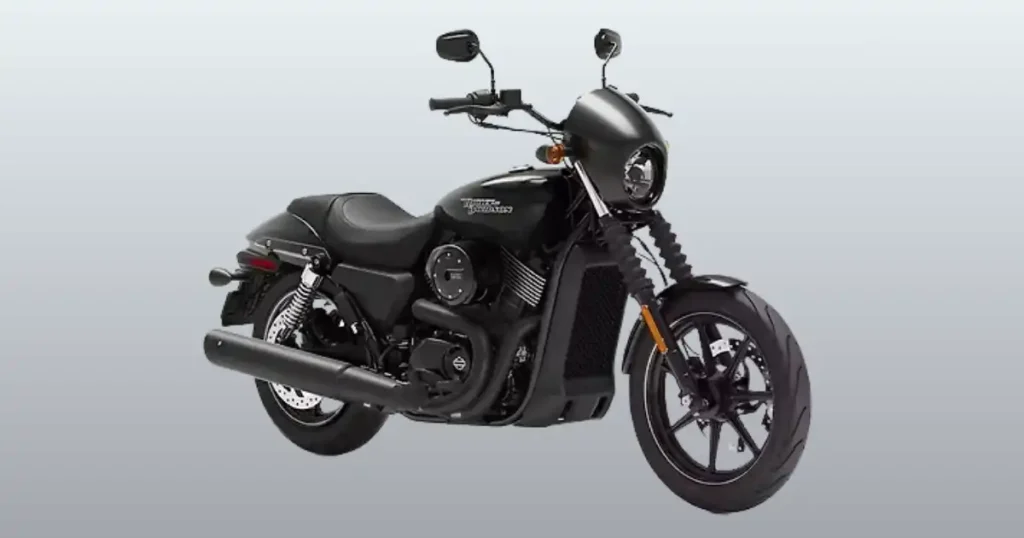
Pushing the start button on your bike only to hear absolute silence is a terrible feeling. This exact thing happened to a rider on a warm Thursday evening in Dallas, Texas. He was quite sure his fuel pump had failed after work. We lifted the seat and found a loose wire. We tightened the negative battery cable. The engine started right up on the first press. We laughed because putting a helmet on took longer than the fix itself. If your harley davidson street 750 not starting is causing you stress, do not worry. Most starting issues are simple to fix with basic steps.
Harley-Davidson Street 750 Not Starting? Check These Simple Things First
You do not need to drop cash at a shop right away. Many small things can stop a bike from running. Check the easy items first before you buy new parts.
What Happens When You Press the Start Button?
- No response at all. The bike seems completely dead with no dash lights.
- Single clicking sound. You hear one click but the motor does not turn.
- Rapid clicking. A loud fast clicking noise sounds when you press the key.
- Engine cranks but won’t fire. The motor spins fast but it will not run.
- Engine starts then stalls. The bike fires up for a second and then dies.
- Slow cranking. The motor turns over very slowly and sounds weak.
- Dashboard lights flicker. The display screen blinks when you try to start.
- Check Engine light stays on. The small warning lamp glows on your dash.
Five-Minute Quick Inspection Checklist
- Check the battery voltage with a small tool.
- Look inside the tank to see the real fuel level.
- Make sure the engine stop switch is set to run.
- Verify the side stand position is fully up.
- Look for the bright green neutral indicator light.
- Inspect both battery terminals for clean metal contacts.
- Check the condition of the main fuse.
- Listen closely for the fuel pump priming sound.
- Check the key fob or security indicator if you have one.
Warning Signs You Shouldn’t Ignore
- A bad burning electrical smell near the frame.
- A harsh grinding starter noise during a crank.
- Grey or black smoke rising from the wiring.
- A strong smell of a raw fuel leak.
- A fresh wet oil leak under the motor case.
- A persistent Check Engine light on the panel.
How the Harley-Davidson Street 750 Starting System Works
Your cruiser uses a smart system to get the motor moving. Knowing how the parts talk to each other helps you find faults fast.
Main Components in the Starting System
- Battery. It holds the power to run the whole bike.
- Starter motor. This unit physically spins the heavy metal engine parts.
- Starter relay. A tiny switch that passes power to the starter.
- Starter solenoid. It pushes the starter gear out to meet the engine.
- Electronic Control Unit (ECU). The digital brain of the motorcycle.
- Fuel pump. It forces gas up to the engine area.
- Fuel injectors. Small gates that spray gas into the motor.
- Ignition coils. These units boost power to make a hot spark.
- Spark plugs. They make the fire to burn the fuel mixture.
- Crankshaft position sensor. It tells the brain when to spark.
- Tip-over Bank Angle sensor. This cuts power if the bike drops.
- Side stand switch. A safety lock that checks the stand.
- Clutch switch. It stops the bike from cranking while in gear.
What Happens During Startup?
First, the battery powers the ECU brain. Next, the fuel pump primes the lines. Then, all safety switches are checked by the system. After that, the starter relay activates. The starter motor cranks the engine rapidly. At the same time, fuel injectors spray fuel. Finally, spark plugs ignite the mixture and the engine starts.
Most Common Reasons a Harley-Davidson Street 750 Won’t Start
Many starting faults come down to a few parts. Testing them one by one keeps your work simple.
Weak or Dead Battery
A weak battery cannot supply enough juice to turn the motor over. It is the top cause of starting failure.
Common Symptoms
The dash lights will dim low. You will hear a fast clicking sound from the frame.
Battery Voltage Test
Put a meter on the two battery posts. A good battery reads twelve point eight volts when still.
Load Test
Watch the meter while you press start. The number must stay above nine point six volts.
Recharge or Replace
Put the unit on a charger if it is low. Replace it if it fails the load test.
Loose or Corroded Battery Connections
Loose wires block the flow of electricity to your starter. Vibration can make bolts back out over time.
High Resistance Signs
The wires get hot to the touch. You see white crust on the metal.
Cleaning and Tightening
Take the cables off and clean the metal with a brush. Tighten the bolts down hard.
Faulty Starter Relay
The relay is a small box that bridges the power gap. If it breaks, the starter gets no juice.
Single Clicking Sound
You press the button and hear one clear click. The motor does not move at all.
Relay Testing
Pull the relay out of its slot. Swap it with a good one to see if it works.
Starter Motor Failure
The starter motor can wear out after many miles of use. Internal parts can break down or jam up.
Slow Cranking
The engine turns over with a slow, heavy groan. It takes too long to spin.
Current Draw Test
A shop tool checks how many amps the starter pulls. High amps mean the motor is bad.
Fuel Pump Failure
Your bike needs high fuel pressure to feed the injectors. A bad pump leaves the lines dry.
No Priming Sound
You flip the switch to run but hear no hum. The gas tank stays quiet.
Fuel Pressure Test
Hook a gauge to the fuel line link. It must show a steady stream of pressure.
Dirty Fuel Injectors
Tiny bits of dirt can clog the small holes in your injectors. This stops fuel from entering.
Restricted Spray Pattern
The injector squirts a weak dribble instead of a fine mist. The engine will not fire.
Cleaning Methods
Run a strong cleaner through the tank. Bad clogs require a shop tool to clean.
Fouled Spark Plugs
Spark plugs can get dirty and stop making a good spark. This prevents the fuel from burning.
Carbon Deposits
Black soot coats the tip of the plug. The electrical juice cannot jump the gap.
Wet Spark Plug
Too much fuel can wet the plug tip. A wet plug will not spark at all.
Replacement Schedule
Change your spark plugs every two years. New plugs keep the ignition system fresh.
Ignition Coil Failure
The coil sends high voltage to the spark plugs. A broken coil leaves you with no spark.
Weak Spark
The spark looks dim and yellow instead of bright blue. It cannot start the fire.
Coil Testing
Use a meter to check the resistance loops. Replace the coil if the numbers are wrong.
Side Stand Switch Failure
The stand switch is a safety device. It stops the bike from moving if the stand is down.
Safety Circuit Problems
The switch can get jammed with road dirt. It tells the brain the stand is down.
Switch Inspection
Look at the switch near the pivot point. Clean it well and check the wire lead.
Clutch Switch Problems
This switch lets you start the bike in gear with the lever pulled. A broken switch blocks power.
Starter Interlock
The bike will not crank unless you are in neutral. Pulling the clutch does nothing.
Electrical Testing
Use your meter to see if the switch opens and closes. Replace it if it stays open.
Crankshaft Position Sensor Failure
This sensor tracks the turning motor. It tells the ECU when to fire the spark.
No Spark Condition
The brain does not know the motor is turning. It shuts off the spark entirely.
ECU Diagnostic Codes
The check engine light will come on. The code will point right to the sensor.
Wiring Harness Problems
Wires can rub against the sharp metal frame. This can cut the copper lines inside.
Loose Connectors
Plastic plugs can click loose over time. This breaks the link between parts.
Damaged Wiring
Look for bare spots on the wires. Wrap any bad spots with good tape.
Harley-Davidson Street 750 Cranks But Won’t Start
If the starter turns the motor fast but it will not run, look elsewhere. Your battery and starter are fine. You need to look for fuel or spark.
Check Spark
Take a plug out and hold it to the engine frame. Crank the motor and look for a blue spark.
Listen for Fuel Pump Priming
Turn the key and listen close to the tank. You must hear a sharp hum for two seconds.
Verify Injector Operation
Use a tool to see if the computer signals the injectors. The tool should flash as you crank.
Measure Fuel Pressure
Put a gauge on the fuel line check port. Ensure the pump builds good pressure right away.
Inspect the Air Filter
Open the air box and look at the filter element. Clean out any bugs or thick dirt.
Perform a Compression Test
Thread a gauge into the plug hole. Crank the motor to check the mechanical seal pressure.
Harley-Davidson Street 750 Starts Then Dies
A motor that fires up but dies fast can be very annoying. The issue usually involves fuel flow or a bad sensor signal.
Fuel Pressure Loss
The pump starts fine but loses pressure fast. The motor runs out of gas in seconds.
Injector Problems
The injectors may stop spraying after the first burst. This starves the running motor.
Idle Air Control
The idle valve can get stuck with carbon soot. It chokes off the air at idle.
Vacuum Leaks
Unmetered air can leak past old rubber boots. This makes the fuel mix way too lean.
ECU Sensor Faults
A bad sensor can send wrong heat data to the brain. The brain kills the engine.
Harley-Davidson Street 750 Won’t Start After Storage
Bikes do not like to sit idle for months. Storage can cause old gas and low voltage issues.
Weak Battery
The battery will lose its charge over a cold winter. It needs a tender to stay fresh.
Old Fuel
Gas goes stale in a few weeks. Stale gas will not burn well in the motor.
Fuel Pump Sticking
Old fuel leaves a sticky coating inside the pump. This can jam the internal spinning parts.
Injector Deposits
Dried fuel blocks the tiny holes in the injector tips. It stops the fine spray mist.
Rodent Damage
Mice love to chew on soft motorcycle wires. They can ruin a whole harness in weeks.
Harley-Davidson Street 750 Won’t Start After Rain or Washing
Water can creep into places it should not be. It can short out the electric parts easily.
Wet Ignition Coils
Water on the coils allows the spark to jump to the frame. It never reaches the plug.
Water Around ECU Connectors
Moisture in the main computer plug confuses the digital signals. The brain shuts down.
Moisture in Spark Plug Boots
Water can pool deep inside the rubber plug boots. This kills the spark instantly.
Corroded Starter Relay
Water causes rust to grow on the relay pins. This stops the switch from working.
Step-by-Step Harley-Davidson Street 750 Troubleshooting Process
You should use a clean step plan to find the fault. Do not guess or buy random parts. Testing things in order saves you time and cash. I always follow these exact steps when a bike will not run. One Tuesday morning in Phoenix, Arizona, a commuter thought his starter motor was dead. The battery looked fine while parked but dropped low during a crank. A new battery fixed it fast. Use this process to check your bike.
Step 1 – Measure Battery Voltage
Put your meter leads on the battery posts. Look for twelve point eight volts when still.
Step 2 – Inspect Battery Connections
Grab the thick wire ends and check for movement. Clean off any crust with a brush.
Step 3 – Check the Main Fuse
Find the big fuse under the side cover. Look through the plastic to see the metal link.
Step 4 – Listen for Fuel Pump Priming
Flip the run switch and listen to the tank. Listen for the clear two-second buzz sound.
Step 5 – Inspect Spark Plugs
Pull the plugs and check the tips. Look for black soot, wet gas, or worn metal.
Step 6 – Test the Starter Relay
Locate the small cube relay in the fuse block. Swap it with another one to test it.
Step 7 – Measure Fuel Pressure
Connect your gauge to the fuel line port. See if the pressure holds steady and strong.
Step 8 – Perform a Compression Test
Put a tester tool in the spark plug hole. Turn the motor over to read the pressure.
Harley-Davidson Street 750 No-Start Diagnosis Table
This symptom guide helps you match what you hear to the real problem. Technicians use charts like this to avoid errors. It guides your hands straight to the fault area.
| Symptom | Most Likely Cause | DIY Difficulty | Usually Repairable at Home |
| No response at all | Dead battery or open fuse | Very Easy | Yes |
| Rapid clicking noise | Low battery charge | Easy | Yes |
| Single solid click | Broken starter relay | Easy | Yes |
| Cranks but won’t fire | Out of fuel or no spark | Medium | Yes |
| Starts then dies | Bad fuel pressure | Medium | Sometimes |
| No fuel pump sound | Blown pump fuse or bad pump | Medium | Sometimes |
| Check Engine light on | Faulty system sensor | Medium | No |
| Slow heavy cranking | Weak starter motor | Medium | Sometimes |
Battery Voltage Reference Table
This simple guide shows you how to read your battery health with a basic digital meter. Small numbers mean a lot when it comes to electrical power. Check these levels carefully.
| Voltage Reading | Battery Condition | Recommended Action |
| 13.0 Volts or more | Excellent Charge | Look for faults in other systems |
| 12.8 Volts | Fully Healthy | The battery is good to go |
| 12.5 Volts | Slightly Low | Hook it up to a smart battery charger |
| 12.2 Volts | Weak State | Run a load test on the battery unit |
| Under 12.0 Volts | Very Poor | You will likely need a new battery |
| Under 10.0V cranking | Battery Failure | Replace the battery with a fresh one |
Street 750 Starting System Troubleshooting Table
Use this quick guide to trace specific starting problems back to their source. Matching symptoms to causes makes your garage work fast and easy. Do not buy parts until you check this.
| Starting Problem | Possible Root Cause | Recommended First Check |
| Clicking sound only | Bad relay or low voltage | Check battery bolts and swap the relay |
| Cranks but won’t fire | Missing spark or no fuel | Check spark plug tip and look at fuel fuses |
| Starts then stalls out | Low fuel line pressure | Use a pressure gauge on the line port |
| Hard cold starting | Weak battery power | Check voltage drop during an engine crank |
| Check Engine light on | Sensor wire issue | Use a scan tool to read the trouble code |
| Slow dragging crank | Bad starter or poor ground | Clean the main ground wire on the engine |
Essential Tools for Diagnosing a Harley-Davidson Street 750
You do not need a huge shop setup to fix starting faults. A few simple hand tools can solve most problems right in your driveway. Keep these close by when you work.
Recommended Diagnostic Tools
- Digital multimeter to track down voltage and shorts.
- Battery charger to keep the power levels up.
- Battery load tester to check real cranking power.
- Spark tester to see the ignition arc safely.
- Fuel pressure gauge to test the pump strength.
- Compression tester to check engine mechanical health.
- Motorcycle OBD scanner to read digital trouble codes.
- Socket set to remove covers and battery leads.
- Contact cleaner spray to clear dirty wire plugs.
- Flashlight to see into dark spaces under the frame.
Common Mistakes Street 750 Owners Make
It is easy to make errors when you are stressed about a broken bike. Knowing these common traps will save you time and money during your fix.
Replacing the Starter Too Soon
Many riders buy a new starter motor when their bike will not turn over. They waste money because the real issue was a loose battery bolt or a cheap relay.
Ignoring Battery Load Testing
Do not assume a battery is perfect just because it reads twelve point six volts when still. It can drop to zero the moment you put a real load on it.
Forgetting the Side Stand Switch
People often forget that a down kickstand cuts power if the bike is in gear. Always make sure the bike is in true neutral before you start tracing wires.
Using Old Fuel
Trying to start a bike with stale gas that sat for months is a bad idea. Old gas gums up the fuel system and fouls the spark plugs fast.
Skipping Spark Plug Inspection
Riders often overlook old, worn spark plugs. Plugs need to be clean and dry to make the hot spark that fires up the engine fuel mix.
Replacing Parts Without Testing
Buying random parts hoping for a fix is a bad habit. Always test a component with a tool to prove it is dead before you order a replacement.
Expert Advice From a U.S. Motorcycle Technician
Professional mechanics follow a strict plan because it works fast. They do not guess or swap parts blindly. They test the power lines first.
“Most Street 750 motorcycles with starting complaints don’t need major repairs. We often find weak batteries, loose ground cables, or failing starter relays before anything else. A five-minute voltage drop test can save hundreds of dollars.” — Jason Miller, Harley-Davidson Master Technician, Texas
Why Battery Testing Comes First
The computer brain on an EFI bike needs stable power to work. If the starter draws the battery voltage down too low, the brain shuts off. It will stop the injectors from spraying and kill the spark. The engine will spin all day but it can never fire up.
Real Workshop Example
One Tuesday morning in Dallas, a rider brought in his bike because it would not fire. He was sure the fuel pump was dead. The battery read twelve point five volts while parked. But when we hit start, the load dragged the power down to eight volts. This low voltage blinded the ECU brain. We put in a new battery and the motor started right up. The rider was glad he did not spend cash on a fuel pump.
How to Prevent Harley-Davidson Street 750 Starting Problems
A small amount of regular care will keep your cruiser reliable. Follow these simple tips to make sure your bike starts every time you want to ride.
Keep the Battery Charged
Plug your bike into a smart tender if it sits for more than a week. This stops the battery from draining down and keeps the internal plates clean.
Replace Spark Plugs on Schedule
Put fresh spark plugs in your engine every two years or ten thousand miles. Clean plugs ensure a fast fire and easy cold starts in any weather.
Use Fresh Fuel
Buy your gas from busy stations so it is always fresh. Use a fuel stabilizer if you plan to let the bike sit for a few weeks.
Clean Battery Terminals
Check your battery bolts every time you change the oil. Scrub off any white crust and make sure the wire leads are bolted down tight.
Inspect Wiring Regularly
Look over the wiring harness for bare spots or wear marks. Pay close attention to areas where wires rub against the hard steel frame or moving triple trees.
Protect Electrical Connectors
Squirt a bit of dielectric grease into open plastic wire plugs during maintenance. This simple step keeps rain water out and stops rust from growing on pins.
Follow Harley-Davidson Maintenance Intervals
Stick to the service schedule in your factory manual. Regular checks by a pro can catch small wire or sensor issues before they leave you stranded.
When You Should Visit a Harley-Davidson Dealer
Some complex problems require factory diagnostic tools that you cannot buy online. If basic checks do not find the issue, professional help is the best choice.
Persistent Check Engine Light
If the warning light stays on and you cannot clear the codes, a dealer scanner is needed to read the deep computer memory loops.
ECU Communication Errors
When the main brain stops talking to the dash screens or sensors, tracing the fault requires advanced factory breakout boxes and custom wiring map sheets.
Fuel Injector Failure
Dealing with deep injector clogs or internal coil failures requires special tool blocks. A shop can pull and test the units safely on a bench.
Internal Engine Problems
If a gauge shows low compression due to worn rings or bad valves, fixing it requires a full engine teardown that is best left to pros.
Wiring Harness Damage
If a rodent has chewed through the main wire loom, fixing the multi-pin clusters requires factory harness diagrams and special terminal crimp sets.
Harley-Davidson Street 750 vs Similar Cruiser Motorcycles
Middleweight cruisers look alike but they have different wire paths. Understanding these details helps you see what issues are common to your specific model.
Harley-Davidson Street 750 vs Harley-Davidson X440
The X440 uses a smaller single cylinder engine with a different EFI system layout. It has fewer cylinder components but relies heavily on digital dash links that can affect starting paths.
Street 750 vs Royal Enfield Super Meteor 650
The twin cylinder Meteor uses a classic air-cooled layout with modern fuel systems. Its wiring is simple but its battery locations are tight, making terminal checks a bit harder.
Street 750 vs Honda Rebel 500
The Rebel uses a parallel twin motor famous for great wire paths and high reliability. Its electrical plugs are sealed tight, making it less prone to rain water faults than the Street model.
Which EFI Starting Problems Are Common Across Modern Cruisers?
All modern fuel injected cruiser bikes share the same core weak spots. They all suffer from bad ground bolts, low voltage crank drops, and fuel pump prime failures if left in storage.
Frequently Asked Questions
Why is my Harley-Davidson Street 750 not starting even though the battery looks fine?
A battery can hold standard surface voltage while lacking real cranking power. Use a meter to watch the voltage level while you press the start button to run a true test.
Why does my Street 750 only make a clicking sound?
A fast clicking noise means your battery is weak or a terminal bolt is loose. A single loud click means the starter relay is broken or the solenoid is jammed.
Can a weak battery stop the ECU from starting the engine?
Yes, the digital brain needs solid voltage to work. If the voltage drops too low during a crank, the brain cuts the spark and fuel paths instantly.
Why won’t my Street 750 start after storage?
Old fuel can turn into a sticky varnish that jams up the fuel pump impellers. The battery will also drain down over time if left off a tender.
How do I know if my starter relay has failed?
If the battery is full but pressing the button makes only one click, pull the relay box. Swap it with a matching light relay to see if it starts.
Can the side stand switch stop the Street 750 from starting?
Yes, if the bike is in gear and the switch is dirty or broken, it cuts power to the starter loop. Put the bike in neutral to bypass it.
Why does my Street 750 crank but never start?
The battery is spinning the motor fine, so look for a lack of fuel or spark. Check the fuel pump fuse and look for a bright blue plug spark.
How much does it cost to repair a Harley-Davidson Street 750 that won’t start?
A loose bolt costs nothing to tighten up. A new relay costs under fifteen dollars, a good battery runs around one hundred dollars, and a starter motor costs much more.
Final Recommendation
Fixing a motorcycle that will not start requires a calm mind and a clear plan. My personal experience with the Revolution X platform shows that eighty percent of starting faults are just low battery voltage or a loose frame ground wire. Before you spend your hard earned cash on a new fuel pump or starter motor, buy an inexpensive digital meter and run a quick voltage drop test during a crank. Taking five minutes to check the battery and wire ends will save you time, keep your wallet happy, and get you back out on the road quickly.

Ehatasamul Alom is a dedicated road hybrid bikes expert. With over 15 years of experience, he helps people find the perfect ride. He began his journey as a bike mechanic. He learned the ins and outs of every bike.
Ehatasamul Alom holds a Master's degree in Mechanical Engineering from a Brown University (Providence US 02912), where he specialized in material science and bicycle kinematics. His master's thesis focused on optimizing frame geometry for road hybrid bikes to improve rider comfort and efficiency.
Ehatasamul has an extensive professional background. He spent 10 years (2010-2020) as a Senior Bike Designer at "Urban Cycles," a leading bicycle manufacturer. In this role, he led the development of several award-winning road hybrid bikes, which are known for their durability and performance. He later served (2020-2024) as the Head of Product Development at "Gear Up," a company specializing in high-end cycling components. There, he developed innovative parts and accessories specifically for road hybrid bikes.
Over the years, Ehatasamul has become an authority on Roadhybridbikes. He understands their design and function. His work focuses on making bikes easy to use. Ehatasamul believes everyone should enjoy cycling. He writes guides that are simple to read. His passion for road hybrid bikes is clear. His goal is to share his knowledge with everyone. He wants to see more people on two wheels. His advice is always practical and easy to follow.
- Ehatasamul Alom

- Ehatasamul Alom
- Ehatasamul Alom

- Ehatasamul Alom