
Nothing tests your patience like a scooter that suddenly refuses to start when you are already running late. Last summer during a humid week in Savannah, Georgia, my trusted shop assistant spent hours trying to kick-start a scooter that just needed a simple twist of a battery bolt. A loose wire from riding over bumpy streets can mimic a dead engine. Before you panic or call for an expensive tow truck, let us walk through a simple step-by-step diagnostic process together. Finding the root cause is often much easier than you think.
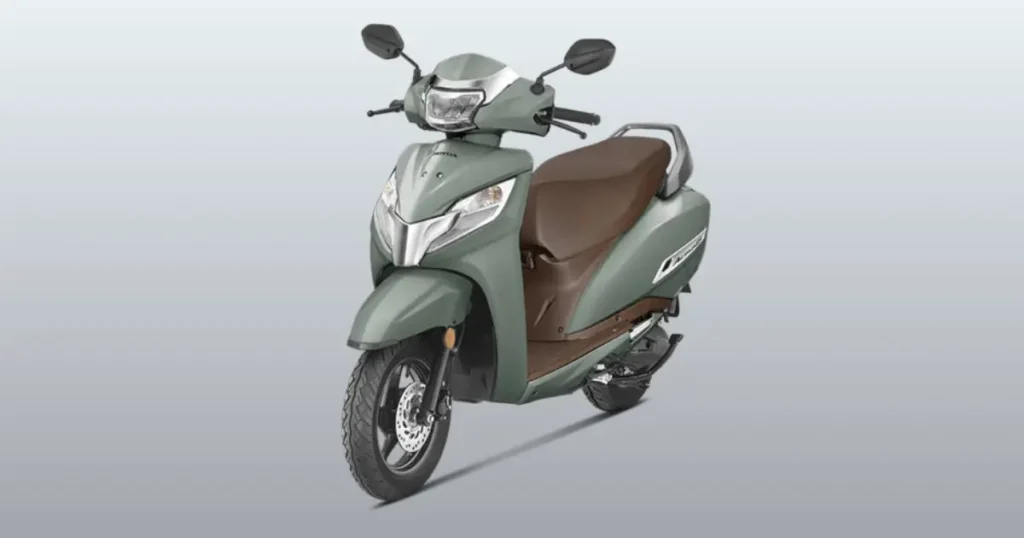
Honda Activa 125 Not Starting? Check These Things First
Fixing a scooter that will not turn over does not require expensive factory tools right away. Most issues stem from basic oversights or simple electrical connections that you can check in your own driveway.
What Happens When You Press the Starter?
- Nothing happens: The dashboard stays completely dark, and there is no sound at all when you press the button.
- One click only: You hear a single distinct click near the seat, but the engine does not turn over.
- Rapid clicking sound: A fast, machine-gun-like clicking noise echoes from the battery compartment.
- Engine cranks but won’t start: The motor spins freely and sounds healthy, but it never catches fire.
- Engine starts then stalls: The motor runs for two seconds and then immediately dies out.
- Slow cranking: The starter struggles to turn the engine over, sounding weak and tired.
- FI warning light stays on: The amber Malfunction Indicator Lamp (MIL) on your dash remains lit.
- Dashboard lights become dim: The digital display and indicators fade out the moment you hit the starter.
Five-Minute Quick Inspection
- Check battery voltage: Ensure the power cell holds enough juice to power up the system.
- Confirm fuel level: Open the gas cap to verify you actually have petrol in the tank.
- Verify the engine stop switch: Make sure the red kill switch is flipped to the “Run” position.
- Hold the brake lever properly: Pull the rear brake lever firmly toward the handlebar while pressing the button.
- Raise the side stand: Lift the stand completely up to disengage the safety cut-off feature.
- Listen for the fuel pump: Turn the key on and listen for a brief two-second humming sound.
- Inspect battery terminals: Look for loose wires or white crusty build-up on the metal posts.
- Check dashboard warning lights: Look at the screen to see if any error icons are glowing.
Warning Signs That Need Immediate Attention
- Burning electrical smell: A sharp acrid odor indicates shorted wires or melting insulation.
- Fuel leakage: Any wet patches or strong petrol odors under the body panels mean a leak.
- Smoke near wiring: Visible smoke means you must disconnect the battery terminal immediately.
- Grinding starter noise: Harsh metallic sounds mean the starter gears are slipping or broken.
- Repeated blown fuse: If a new fuse pops right away, you have a direct short circuit.
- FI warning light flashing: A blinking light indicates a critical engine management sensor fault.
How the Honda Activa 125 Starting System Works
Modern small-displacement machines use smart networks to manage power and fuel safely. Understanding this path helps you spot exactly where the electrical chain breaks down.
Main Starting System Components
The heart of the setup relies on a clean 12-volt battery supplying current through a main fuse to the Electronic Control Unit (ECU). When you pull the brake lever, a tiny brake switch completes the circuit to the starter button. Pressing this button sends a low-current signal to the starter relay, which acts like a heavy-duty switch. The relay closes its internal contacts to send massive battery power directly to the starter motor.
On newer versions with Enhanced Smart Power (eSP), an ACG silent starter doubles as a generator to spin the crankshaft directly without noisy gears. Meanwhile, the Programmed Fuel Injection (PGM-FI) system uses a fuel pump to pressurize the fuel injector, while an ignition coil sends high voltage to the spark plug. Safety items like the side stand switch and crankshaft position sensor keep tabs on everything. Models with the H-Smart system add an extra layer of keyless security that unlocks the ECU wirelessly.
How the Engine Starts
Turning the key to the “On” position prompts the ECU to power up instantly. You will hear a soft buzz as the fuel pump primes the lines to high pressure. Next, the computer scans safety checks to ensure the side stand is up and a brake is held. When you push the starter button, the starter relay activates and sends current to spin the motor. As the crankshaft turns, the crankshaft position sensor tells the ECU exactly when to spray fuel and fire the spark. The fuel injector atomizes gasoline into a fine mist, the spark plug ignites it, and the engine fires up into a smooth idle.
Most Common Reasons a Honda Activa 125 Won’t Start
Let us break down the typical culprits that leave riders stranded on the road. Most faults are easy to isolate with a little patience.
Weak or Dead Battery
A weak power source is the absolute number one cause of starting failures. Without sufficient electrical energy, the fuel injection computer cannot boot up properly.
Typical Symptoms
Your horn will sound weak, the turn signals will flash slowly, and the dashboard display might flicker or reset when you push the starter button.
Battery Voltage Test
Connect a digital multimeter to the positive and negative terminals. A healthy, fully charged scooter battery should read between 12.8 and 13.0 volts when the key is turned off.
Battery Load Test
Keep the meter leads attached while you press the starter button. If the numbers plunge below 10 volts during the crank attempt, the battery cells can no longer support a heavy load.
When to Replace the Battery
If your power cell cannot hold a charge above 12.4 volts after being on a charger overnight, it is time to purchase a fresh replacement unit.
Loose or Corroded Battery Terminals
Sometimes the battery itself is fine, but the power cannot flow through the cables due to a poor physical connection.
Signs of Poor Connection
You might notice intermittent electrical power, or the dashboard might go dark only when you hit big bumps or pull the brake lever.
Cleaning Procedure
Remove the negative cable first, then the positive one. Scrub away any white or green corrosion using an old toothbrush dipped in a baking soda and warm water mix. Wipe dry and tighten firmly.
Faulty Starter Relay
The relay acts as the heavy bridge that moves high-amperage current from the battery to the starting motor.
Clicking Without Cranking
If you hear a single click from the body frame every time you press the button, but the engine does not move, the relay internal contacts may be burnt.
Relay Testing
Locate the relay and use a thick insulated wire to carefully bridge the two main screw terminals. If the starter spins, the relay is bad and requires a swap.
Worn Starter Motor
The starter motor experiences regular wear and tear from thousands of engine starts over its operational lifespan.
Slow Cranking
Internal brushes wear down over time, causing the motor to spin with a sluggish, groaning sound even when connected to a perfect battery.
Starter Motor Testing
Tap the starter motor casing gently with the handle of a screwdriver while pressing the button. If it suddenly spins, the internal carbon brushes are stuck or worn out.
Fuel Pump Failure
Electronic fuel injection requires high line pressure to force fuel through a tiny nozzle into the intake path.
No Priming Sound
When you flip the ignition key on, you should hear a distinct hum from the fuel tank for two seconds. Complete silence points to a dead pump or a blown fuse.
Fuel Pressure Test
Mechanics attach a specialized fuel pressure gauge directly to the delivery line. A healthy pump must maintain steady pressure to keep the fuel injector fed.
Dirty Fuel Injector
Tiny particles of dirt or old fuel varnish can easily block the microscopic holes inside the injector nozzle.
Restricted Fuel Delivery
A clogged tip prevents the fuel from atomizing into a fine mist. The engine might gasp for gas, misfire, or refuse to catch fire even with a strong spark.
Injector Cleaning
Remove the small fuel injector unit carefully. Flush it using a dedicated injector cleaning spray tool to restore a clean, conical spray pattern.
Fouled Spark Plug
The spark plug is the literal window into your engine combustion chamber and takes a lot of thermal abuse.
Carbon Build-Up
Short trips prevent the plug from reaching self-cleaning temperatures. Heavy black soot coats the porcelain tip, shorting out the electrical path.
Fuel Fouling
If you crank the engine repeatedly without it firing, raw fuel will soak the plug tip. A wet plug cannot jump a clean spark across the gap.
Service Interval
Inspect your spark plug every 4,000 kilometers. It is smart preventive maintenance to replace the plug completely every 8,000 to 10,000 kilometers for peak performance.
Faulty Ignition Coil
The ignition coil transforms low battery voltage into thousands of volts needed to create a hot spark.
Weak Spark
A failing coil breaks down internally when warm. It produces a dim, yellow spark instead of a crisp, bright blue arc that can jump a gap easily.
Coil Testing
Measure the internal primary and secondary wire resistance using a digital multimeter set to ohms. Compare your readings against the factory specifications.
ECU or FI System Problems
The electronic brain controls every single pulse of fuel and spark based on live sensor data.
FI Warning Light
If the engine computer detects an electrical fault with any sensor, it illuminates the amber warning icon on the instrument cluster.
Diagnostic Trouble Codes
The light will flash in specific patterns of long and short blinks. Count these flashes to read the diagnostic trouble codes and pinpoint the broken circuit.
Brake Switch or Side Stand Switch Failure
Safety interlock switches prevent the scooter from launching forward accidentally when you start the motor.
Safety Interlock Problems
If the brake light does not illuminate when you pull the lever, the safety switch is broken. The ECU assumes you are not holding the brake and cuts power.
Inspection Tips
Look under the brake lever perch for a tiny plastic button. Spray it with contact cleaner and ensure the pin clicks in and out freely when pulling the lever.
Damaged Wiring Harness
Scooters vibrate constantly, which can cause wires to rub against sharp edges of the metal frame.
Loose Connectors
Plastic wiring plugs can loosen over time on rough roads. Unseat and press connectors firmly together to ensure they lock into place.
Broken Ground Wire
The main ground wire attaches directly to the engine case or frame. A loose ground bolt drops system voltage and disrupts the entire fuel injection network.
Honda Activa 125 Cranks but Won’t Start
When the engine spins over quickly and sounds healthy, you can rule out battery and starter motor issues. The problem lies within fuel, spark, or compression.
Check Spark
Unscrew the spark plug and pop it back into the thick rubber cap. Hold the metal threaded base firmly against a bare clean spot on the engine block. Press the starter button and look closely at the electrode tip. You want to see a bright, sharp blue snap. If the spark is absent or a faint yellow color, your ignition system has a problem.
Listen for Fuel Pump Priming
Find a quiet spot away from street traffic. Turn the ignition key to the run position while keeping your ear near the floorboard area. You must hear a clear, high-pitched whirring sound that lasts about two seconds. If you hear absolutely nothing, check your fuses before pulling panels off to inspect the pump wires.
Verify Injector Operation
A dry spark plug after a long cranking session means fuel is not entering the cylinder head. You can unbolt the injector from the intake manifold while leaving the fuel line connected. Crank the engine for a split second to see if a fine, misty cloud sprays out. Keep open flames away during this test.
Inspect the Air Filter
Engines need a precise mix of clean air and fuel to burn efficiently. Remove the plastic air box cover and pull out the pleated paper filter element. If it is choked with thick dust, mud, or oil residue, it will choke off the incoming airflow. Try starting the motor briefly with the filter removed to see if it fires up.
Measure Fuel Pressure
Even if a fuel pump makes a humming sound, its internal plastic impellers or pressure regulator might be worn out. Mechanics plug a pressure gauge into the fuel line line to ensure it hits factory specifications. Low pressure will cause the fuel to drip rather than spray, preventing proper combustion.
Perform a Compression Test
An engine needs mechanical squeezing power to explode the air and fuel mix. Thread a professional compression tester gauge into the empty spark plug hole. Twist the throttle wide open and crank the engine for a few seconds. A low reading indicates worn piston rings, a blown head gasket, or tight valves that stay slightly open.
Honda Activa 125 Starts Then Dies
This annoying symptom indicates that the initial starting systems work, but the engine cannot maintain a steady idle.
Fuel Pressure Loss
A weak pump might manage to build just enough pressure to start the bike initially. However, once the motor runs, the pump fails to keep up with continuous demand, causing the line pressure to drop rapidly and starve the fuel injector.
Dirty Fuel Injector
A partially clogged nozzle might allow a tiny bit of fuel to seep through while cranking. Once the engine fires and expects a precise, fast pulse of fuel to maintain idle speed, the restricted flow causes the mixture to run lean and stall out.
Idle Air Control Issues
Modern fuel-injected scooters use a small bypass valve to control the amount of air entering the engine when the throttle is closed. If this bypass passage becomes choked with black carbon soot, the engine will instantly choke out and die the moment you let go of the throttle.
Vacuum Leak
Any unmetered air entering the engine behind the throttle body alters the precise air-to-fuel ratio. Inspect the rubber intake manifold boot for fine cracks or loose hose clamps. A tiny tear draws in extra air, making the mixture too lean to sustain a steady idle.
Faulty ECU Sensor
The computer relies heavily on data from the Engine Coolant Temperature sensor and the intake air sensor. If a sensor reports false information, the ECU might pull back the fuel mixture too early before the metal engine components have warmed up to operating temperature.
Honda Activa 125 Won’t Start After Sitting
Letting a scooter sit idle for months without preparation creates specific mechanical problems that prevent a clean start.
Weak Battery
Even with the key turned off, modern computers draw a tiny amount of continuous power to keep memory settings alive. Over three or four weeks, this slow parasitic drain will steadily deplete the battery charge down to a completely dead state.
Old Fuel
Modern gasoline blends begin to degrade and lose volatility in as little as thirty days. The light chemical compounds evaporate away, leaving behind a stale, sticky fluid that resists spark ignition and smells like old varnish or paint thinner.
Fuel Pump Sticking
When fuel sits inside the pump housing for months, it leaves behind a thin, gummy residue. This sticky film can varnish the tiny internal moving parts, causing the fuel pump motor to seize up completely the next time you turn the key.
Injector Deposits
The microscopic holes in a fuel injector tip are incredibly sensitive to fuel breakdown. As old fuel evaporates inside the hot nozzle body, it leaves behind hard microscopic lacquer deposits that completely block fuel delivery during your next starting attempt.
Rodent Damage
Scooters stored in dark sheds or garages make inviting nests for mice and rats. These pests frequently chew through the soft soy-based soy insulation on the wiring harness, severing vital sensor lines or creating direct short circuits to the metal frame.
Honda Activa 125 Won’t Start After Heavy Rain
Water is an excellent electrical conductor and can cause havoc when it invades the sensitive electronic components of a scooter.
Wet Spark Plug Cap
Heavy downpours or high-pressure car washes can force water deep inside the thick rubber spark plug boot. The high-voltage current path will take the easiest route, jumping through the water to the engine case instead of firing across the spark plug electrode gap.
Moisture Around ECU Connectors
If the protective rubber seals on the main computer wiring plug are old or misaligned, rainwater can seep into the multi-pin connector. This creates electrical bridges between adjacent pins, confusing the electronic brain and shutting down the starting system.
Water Inside Switches
Water can easily find its way past the plastic seams of the handlebar switch pods. Moisture inside the starter button or the red engine kill switch corrodes the copper contact pads, stopping the low-voltage trigger signal from ever reaching the starter relay.
Corroded Relay
If a starter relay is mounted in a position where it catches road spray, water can penetrate the outer plastic housing. Over time, this moisture rusts the internal magnetic coil and copper plates, causing the relay to stick open or fail to click entirely.
Step-by-Step Honda Activa 125 No-Start Diagnosis
Professional technicians save time by following an exact, logical testing sequence rather than guessing and swapping expensive parts blindly. One rainy Thursday morning in Orlando, Florida, a delivery rider spent his savings on a new fuel injector because his bike would not start. A quick load test showed his battery dropped to nine volts under load. Testing first always prevents these costly mistakes.
Step 1 – Test Battery Voltage
Set your digital multimeter to the DC voltage scale. Touch the red probe to the positive terminal and the black probe to the negative post. Note the resting voltage reading with the key off. A perfect battery must show at least 12.8 volts to power the fuel injection system properly.
Step 2 – Perform a Load Test
Leave the voltmeter probes attached firmly to the battery posts. Watch the screen closely while you pull the brake lever and press the starter button. If the displayed voltage drops below 10 volts while the motor attempts to spin, the battery lacks the internal strength to start the engine.
Step 3 – Inspect Battery Connections
Give the positive and negative battery cables a firm physical wiggle with your fingers. The metal rings must be clamped tight to the lead posts without any play. If you see white, powdery lead sulfate corrosion, remove the bolts and clean the metal surfaces down to shiny copper.
Step 4 – Check the Main Fuse
Locate the plastic fuse block assembly near the battery compartment. Pull out the main fuse, which is typically rated at fifteen amps. Hold the translucent plastic body up to a bright light and check the small metal bridge inside. If the link is broken or burnt, replace it with an identical spare fuse.
Step 5 – Listen for Fuel Pump Priming
Turn the ignition key from the off position to the on position. Put your ear close to the fuel tank under the seat shroud. Listen for a distinct two-second sweet humming sound as the system primes. If there is absolute silence, you need to check the fuel pump relay and wiring connector.
Step 6 – Inspect Spark Plug
Use a spark plug socket tool to remove the plug from the cylinder head. Check the color of the firing tip. A healthy plug has a light tan or grey appearance. If it is coated in wet black oil or dry fluffy carbon soot, scrub it clean with a wire brush or install a fresh plug.
Step 7 – Test Starter Relay
Locate the starter relay switch inside the bodywork. If the starter button makes a single loud click but nothing else happens, take an insulated screwdriver blade and carefully touch both large copper screw posts simultaneously. If the starter spins, your relay internal contacts are defective.
Step 8 – Measure Fuel Pressure
Disconnect the quick-release fuel line connector from the fuel injector body. Connect a mechanical fuel pressure tester inline between the pump line and the injector. Turn the key on to run the pump. The gauge must rise quickly and hold steady at the manufacturer specified pressure rating.
Step 9 – Scan ECU Fault Codes
If the amber FI light on your dashboard is blinking, look up the factory flash code chart. A series of long blinks represents tens, and short blinks represent single units. Add them together to find the trouble code, which points directly to the failing sensor circuit.
Honda Activa 125 No-Start Diagnosis Table
This quick reference guide helps you match your scooter symptoms to the most likely mechanical cause before you open your toolkit.
Understanding these common patterns saves hours of aimless troubleshooting in your garage.
| Symptom | Most Likely Cause | DIY Difficulty | Home Repair |
| No response at all | Dead battery or blown main fuse | Easy | Yes |
| Rapid machine-gun clicking | Weak battery charge level | Easy | Yes |
| One loud single click | Burnt starter relay contacts | Easy | Yes |
| Engine cranks but won’t start | Faulty fuel delivery or no spark | Medium | Yes |
| Motor starts then dies instantly | Low fuel pressure or dirty idle path | Medium | Sometimes |
| Amber FI warning light glows | Sensor fault or ECU wiring issue | Medium | No |
| Sluggish, very slow cranking | Worn starter motor internal brushes | Medium | Sometimes |
| No fuel pump hum when key turns | Dead fuel pump or broken wire | Medium | Sometimes |
Battery Voltage Reference Table
A digital multimeter provides an accurate picture of your battery health. Use these exact numbers to evaluate your power cell condition.
Always test voltage before deciding to buy a replacement battery.
| Voltage Reading | Battery Condition | Recommended Action |
| 12.8V to 13.0V | Excellent health | Continue tracking down other issues |
| 12.5V to 12.7V | Good charge level | Perform a full cranking load test |
| 12.2V to 12.4V | Weak charge | Place battery on a low-amp smart charger |
| Below 12.0V | Poor condition | Attempt to save or replace the battery |
| Below 10.0V during crank | Failed internal cells | Replace the battery immediately with a new unit |
Diagnose the Problem by Symptom
Isolate starting faults efficiently by grouping your observations into clear categories. Focus only on the components related to your specific breakdown sign.
| Symptom Observed | Most Likely Fault | First Inspection Step |
| Single loud click | Starter relay issue | Check battery resting voltage |
| Rapid clicking noise | Low battery power | Perform a digital load test |
| Flashing FI light | Engine sensor error | Read the diagnostic flash codes |
| Continuous cranking only | Missing fuel or spark | Check for spark at the plug tip |
| Fires up then stalls | Low fuel pressure line | Inspect the throttle body idle path |
| Heavy, labored cranking | Starter motor wear | Test for a voltage drop at the motor |
Essential Tools Every Honda Activa 125 Owner Should Have
Having the proper tools on hand makes scooter maintenance much safer and more rewarding. You do not need professional workshop gear to fix basic starting issues.
Recommended Tools
- Digital multimeter: Essential for measuring battery voltage, circuit continuity, and sensor resistance values.
- Battery charger: A smart automatic trickle charger keeps your battery fresh during long periods of storage.
- Battery load tester: Simulates engine starting draw to reveal weak or failing internal lead plates.
- Spark tester: Connects inline to safely visually check the strength and color of your ignition spark.
- Fuel pressure gauge: Measures line pressure to ensure the fuel pump meets factory fuel injection specs.
- Compression tester: Screws into the spark plug hole to check the mechanical sealing of your valves.
- Honda-compatible diagnostic scanner: Plugs into the service port to read live data and clear error codes.
- Electrical contact cleaner: Fast-evaporating spray that cleans grease, dirt, and corrosion from wire plugs.
- Basic socket set: A collection of metric sockets to remove body panels and engine components easily.
- Flashlight: A bright LED light helps you spot loose wires deep inside dark body panels.
Common Mistakes Owners Make
When a scooter refuses to run, it is easy to make quick assumptions that end up costing more money than necessary.
Replacing the Starter Too Soon
Many riders assume a quiet engine means the starter motor is dead. They spend money on a replacement unit, only to discover the real culprit was a simple loose green ground wire on the frame.
Ignoring Battery Load Tests
A battery can look perfect on a voltmeter while resting at twelve.seven volts. However, if you skip a proper load test, you will miss internal cell damage that causes power to collapse the instant it faces a load.
Forgetting Brake Switch Checks
Safety switches fail regularly due to road dirt and moisture. If you do not verify that your brake light illuminates when pulling the lever, you might tear down your engine looking for a fault that is just a dirty switch.
Ignoring FI Warning Lights
The amber malfunction indicator lamp is there to help you. Trying to tune mechanical parts while the fuel injection light is flashing is pointless until you read the specific trouble code from the computer.
Using Old Fuel
Leaving stale gasoline inside a scooter tank for six months and expecting it to start is a recipe for frustration. Fresh fuel is critical for the fine nozzles used in modern fuel injection systems.
Skipping Ground Connection Inspections
The electrical current must return to the battery to complete the circuit. A rusty or loose main engine ground bolt causes intermittent starting issues that can drive an owner crazy trying to diagnose.
Expert Advice From a U.S. Motorcycle Technician
Listening to the experiences of seasoned mechanics can save you time and money when dealing with electrical problems.
“Around seventy percent of no-start scooters we inspect are repaired by fixing the battery, charging system, or electrical connections. Always diagnose first and replace parts second.” — Chris Walker, Motorcycle Diagnostic Technician, Arizona
Why Battery Testing Comes First
Modern fuel-injected engines are completely dependent on clean, stable electrical power. If the battery voltage dips too low during cranking, the digital processor inside the ECU will shut down temporarily. It cannot calculate fuel delivery or spark timing accurately under those conditions. Even if the motor spins slightly, it will never start if the computer is starving for power.
Real Workshop Story
On a busy Monday morning, a customer brought in a premium scooter, convinced it needed an expensive new fuel pump. The dashboard lights turned on fine, and the owner was certain the battery was fully charged. We bypassed the guesswork and connected a professional load tester to the terminals. The moment we hit the starter button, the internal voltage collapsed completely due to a hidden broken plate inside the battery case. Installing a fresh battery restored normal starting instantly, saving the customer from buying an expensive fuel pump they did not need.
How to Prevent Honda Activa 125 Starting Problems
Regular care is the best way to ensure your small machine starts up reliably every single time you turn the key.
Keep the Battery Charged
If you only ride short distances, your charging system cannot fully replace the energy used to start the motor. Connect a smart trickle charger once a month to maintain peak battery health.
Ride the Scooter Regularly
Scooters hate sitting idle for long periods. Take your machine out for a twenty-minute ride at least once a week to keep fuel moving and the charging system working.
Replace Spark Plugs on Schedule
A worn spark plug electrode requires higher voltage to jump the gap, putting extra stress on your ignition coil. Replace the plug at factory-recommended intervals to ensure crisp ignition.
Use Fresh Fuel
Always purchase clean fuel from busy stations to avoid water contamination. If you plan to store your scooter for more than a month, add a quality fuel stabilizer to prevent varnishing.
Clean Battery Terminals
Check your battery compartment every few months for signs of corrosion. A light coating of dielectric grease or petroleum jelly on clean terminals prevents power-robbing oxidization.
Protect Electrical Connectors
When washing your scooter, avoid blasting high-pressure water directly at the handlebars or under the floorboards. Use specialized contact cleaner spray to protect sensitive electronic joinery from moisture.
Follow Honda Maintenance Schedule
Sticking to the official factory service booklet ensures that clean air filters, fresh fluids, and proper valve clearances are maintained before they turn into expensive starting issues.
When to Visit a Honda Dealer
While basic troubleshooting can be completed at home, certain complex situations require professional workshop tools.
Persistent FI Warning Light
If the amber malfunction light stays illuminated after you have checked the basic sensors, you need a factory diagnostic tool to read deep internal system errors.
ECU Communication Errors
When a diagnostic scanner cannot establish a connection with the scooter computer, it usually means the main control module has suffered internal hardware damage.
Fuel Injector Failure
Replacing or deeply cleaning an electronic fuel injector requires specialized ultra-sonic cleaning tanks and precise calibration equipment to ensure safe delivery matching.
Wiring Harness Damage
If a rodent has chewed through major sections of the main loom, repairing the delicate multi-strand wires requires professional splicing skills to avoid future electrical resistance issues.
Internal Engine Problems
Low compression caused by worn piston rings, burnt valves, or timing chain problems requires deep engine teardown tools and precise torque specifications.
Honda Activa 125 Starting Problems Compared With Similar Honda Scooters
Many small Honda machines share identical engineering concepts, making their troubleshooting steps very comparable across different models.
Honda Activa 125 vs Honda Dio 125
Both machines use the same reliable 124cc single-cylinder engine platform. Starting issues on both models are nearly identical, though the Dio often appeals to younger riders who might install aftermarket lighting accessories that cause extra battery drain.
Honda Activa 125 vs Honda Activa 6G
The smaller 110cc 6G model shares the same smart ACG silent starter system. However, the 125cc version draws slightly more current during initial cranking due to its larger piston displacement, making it more sensitive to minor battery voltage drops.
Honda Activa 125 vs Honda Grazia 125
The Grazia features a sportier body design and an advanced fully digital instrument display. This advanced display means a weak battery will often cause the Grazia dashboard screen to glitch or blank out completely before the Activa display does.
Common Starting Problems Across Honda 125cc Scooters
Across this entire displacement family, the most frequent issue remains safety switch failure caused by road grit entering the exposed side stand switch plunger. Regular cleaning of this lower pivot point keeps all these models starting smoothly.
Frequently Asked Questions
Why is my Honda Activa 125 not starting even though the battery looks charged?
Your dashboard lights may look bright, but starting the engine requires massive current. A weak battery can power simple bulbs but fail completely under the heavy electrical load of cranking the motor.
Why does my Honda Activa 125 only make a clicking sound?
A rapid clicking sound means the battery is too weak to spin the starter motor. A single loud click usually points to a faulty starter relay or a seized starter motor armature.
Can a weak battery stop the fuel injection system?
Yes, the electronic fuel injection computer requires a stable minimum voltage to function. If cranking drops the system power below this threshold, the ECU shuts down and stops fuel delivery.
Why won’t my Honda Activa 125 start after sitting for several weeks?
The most likely causes are a drained battery from natural parasitic loss or stale fuel that has gummed up the tiny passages inside the fuel injector tip.
What does the FI warning light mean?
The Fuel Injection warning light indicates that the engine computer has detected an active electrical fault with a sensor or circuit. The system needs to be scanned to find the error code.
How do I know if the starter relay is faulty?
If you have a perfect battery and hear a single click when pressing the button, bypass the relay by bridging its main terminals. If the starter spins, the relay is defective.
Why does my Honda Activa 125 crank but never start?
This means your starting mechanics are working, but the engine is missing either fresh fuel delivery, a healthy spark at the plug tip, or proper cylinder compression.
How much does it cost to repair a Honda Activa 125 that won’t start?
Simple fixes like tightening a loose battery cable cost nothing. A replacement battery or spark plug is quite affordable, while a new fuel pump or ECU will require a larger budget.
Final Recommendation
Dealing with a non-starting scooter is a common experience that every rider faces eventually. In my years of working on these machines, I have found that rushing to replace components before testing is the easiest way to waste time and money. Always start by verifying your battery health with a proper load test, as it is the foundation of the entire fuel injection system. Clean your safety switches regularly and keep your fuel fresh. If a basic systematic inspection does not solve the issue, do not hesitate to contact an authorized service center for an electronic scan. Taking care of small electrical details ensures your machine stays dependable for every journey.

Ehatasamul Alom is a dedicated road hybrid bikes expert. With over 15 years of experience, he helps people find the perfect ride. He began his journey as a bike mechanic. He learned the ins and outs of every bike.
Ehatasamul Alom holds a Master's degree in Mechanical Engineering from a Brown University (Providence US 02912), where he specialized in material science and bicycle kinematics. His master's thesis focused on optimizing frame geometry for road hybrid bikes to improve rider comfort and efficiency.
Ehatasamul has an extensive professional background. He spent 10 years (2010-2020) as a Senior Bike Designer at "Urban Cycles," a leading bicycle manufacturer. In this role, he led the development of several award-winning road hybrid bikes, which are known for their durability and performance. He later served (2020-2024) as the Head of Product Development at "Gear Up," a company specializing in high-end cycling components. There, he developed innovative parts and accessories specifically for road hybrid bikes.
Over the years, Ehatasamul has become an authority on Roadhybridbikes. He understands their design and function. His work focuses on making bikes easy to use. Ehatasamul believes everyone should enjoy cycling. He writes guides that are simple to read. His passion for road hybrid bikes is clear. His goal is to share his knowledge with everyone. He wants to see more people on two wheels. His advice is always practical and easy to follow.
- Ehatasamul Alom

- Ehatasamul Alom
- Ehatasamul Alom

- Ehatasamul Alom