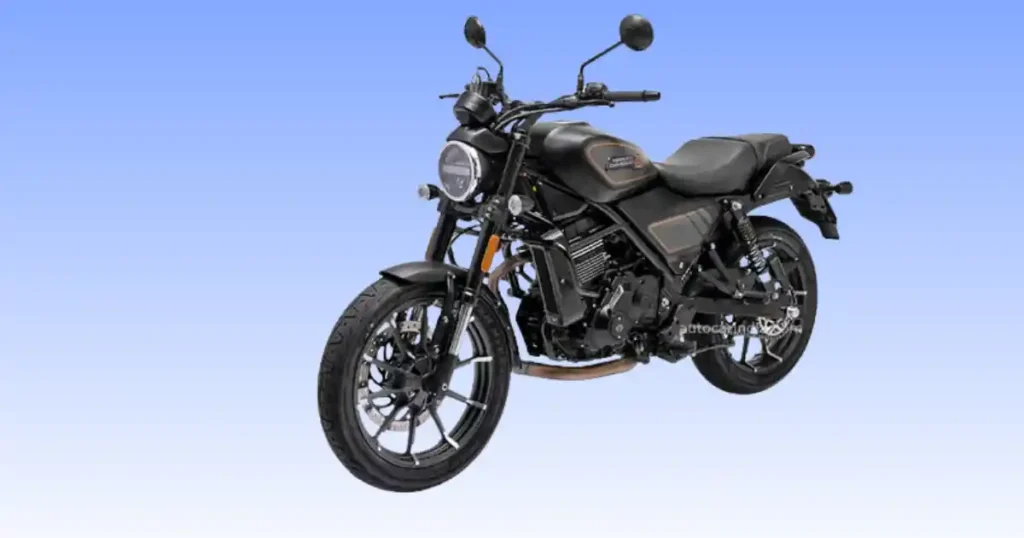
Nothing is worse than a dead bike when you want to ride. Your harley davidson x440 not starting can ruin a great day. I remember helping a rider outside Denver, Colorado on a warm Friday evening. He was sure his fuel pump had failed after work. The real issue? A loose battery wire under his seat. Five minutes later, the bike fired up with its deep sound. Let us fix your bike right now with this easy guide.
Harley-Davidson X440 Not Starting? Check These Simple Things First
Your modern bike has an electronic fuel injection system. Even a small electrical slip can halt the entire engine. Before you buy new parts or panic, check the most basic spots. Most starting issues come down to human error or a loose fit.
What Happens When You Press the Starter Button?
- No response at all: The bike is completely dead, and no lights come on.
- Single clicking sound: You hear one click, but the motor does not turn.
- Rapid clicking: A loud chattering sound means power is too low to crank.
- Engine cranks but won’t fire: The engine spins fast but will not catch life.
- Engine starts then stalls: It fires up for a brief second and then dies out.
- Dashboard lights dim: The screen fades out the moment you push the button.
- Fuel pump doesn’t prime: You do not hear the soft hum when you turn the key.
- FI warning light appears: The fault lamp stays lit on your main dash display.
Five-Minute Quick Inspection Checklist
- Battery voltage: Check if it has enough juice to power the screen.
- Fuel level: Look inside the tank to see if you have real gas.
- Engine kill switch: Make sure it is set to the run position.
- Side stand position: Flip the stand up completely before you try to start.
- Neutral indicator: Put the gear in green “N” on your dash.
- Clutch switch: Pull the left lever all the way back to the grip.
- Main fuse: Inspect the wire inside the fuse box to see if it broke.
- Battery terminals: Wiggle the black and red leads to check for a loose fit.
- Fuel pump priming sound: Listen for a two second whirring noise when you flip the key.
Warning Signs You Shouldn’t Ignore
- Burning electrical smell: This means a wire is melting or shorting out.
- Smoke from wiring: Stop trying to start the bike immediately if you see smoke.
- Grinding starter noise: A harsh metal sound points to a broken starter gear or ratchet.
- Fuel leak: Check for wet spots or a strong smell of raw gas.
- FI warning light: This tells you a vital sensor has stopped talking to the computer.
- Coolant leak: Watch for bright fluid pooling near the front of the engine block.
How the Harley-Davidson X440 Starting System Works
Your bike needs a few systems to work together at the same time. If one part fails, the bike stays silent. Power from the battery must travel through safety switches to turn the starter motor. At the same time, the fuel system must spray gas, and the spark plug must fire.
Main Components in the Starting System
- Battery: The main source of power that kicks off the whole bike.
- Starter motor: The electric motor that physically spins the heavy engine parts.
- Starter relay: A tiny switch that passes big power to the starter motor.
- Starter solenoid: An electromagnet that connects the battery power to the starter.
- ECU: The smart computer brain that manages fuel, spark, and timing.
- Fuel pump: An electric pump that sends high pressure gas from the tank.
- Fuel injector: A small valve that sprays a fine mist of gas into the air.
- Ignition coil: A unit that boosts low battery power into massive spark energy.
- Spark plug: The device that creates the small fire inside the combustion chamber.
- Crankshaft position sensor: Tells the brain exactly when to spark and spray fuel.
- Throttle Position Sensor (TPS): Measures how wide you twist the right hand grip.
- Side stand switch: A safety cut-off that stops the bike from riding away alone.
- Clutch switch: Ensures you cannot start the engine while it is in gear.
What Happens During Startup?
First, you turn the key to the on position. The ECU powers on and runs a quick system test. Next, the fuel pump primes for two seconds to build up high line pressure. The computer checks all safety switches to ensure it is safe to fire. When you press the starter button, the starter relay activates. This sends heavy current to the starter motor, which cranks the crankshaft. The injector sprays fuel, the spark plug ignites the gas, and the engine comes alive.
Most Common Reasons a Harley-Davidson X440 Won’t Start
Let us break down why your bike will not wake up. Most issues fall into simple groups. Follow these steps to find the fault.
Weak or Dead Battery
Common Symptoms
Your screen might blink or go dark when you hit the starter button. You will hear a click or a sad, slow crank.
Battery Voltage Test
Take a digital multimeter and touch the probes to the battery posts. A good battery must read at least 12.6 volts when the bike is off.
Load Test
Keep the meter on the battery and press the start button. If the voltage drops below 10 volts during the crank, the battery is dead.
Recharge or Replace
Hook up a smart motorcycle charger if the volts are just low. If it will not hold a charge, buy a new unit.
Loose or Corroded Battery Terminals
Signs of Poor Connection
Your dash might look bright, but it cuts out completely when you hit the button. You may hear a single loud pop.
Cleaning Procedure
Remove the bolts and scrub the metal with a wire brush. Re-tighten them firmly with a wrench, not a screwdriver.
Faulty Starter Relay
Single Clicking Sound
If the battery is full but you only hear a click from under the seat, the relay might be stuck.
Relay Testing
You can swap the starting relay with an identical relay from the fuse box to see if the bike fires up.
Bad Starter Motor
Slow Cranking
A worn starter motor turns the engine very slowly even when hooked to a brand new battery.
Current Draw Test
A shop tool can check how many amps the motor pulls. High draw means the internal starter parts are dragging.
Fuel Pump Failure
No Priming Sound
Turn the key on. If you hear absolute silence instead of a brief hum, the pump is not getting power.
Fuel Pressure Test
A mechanic can tap into the fuel line to see if the pump pushes enough force to feed the system.
Dirty Fuel Injector
Clogged Injector Symptoms
The bike will crank over normally but will not catch, or it will sputter and die right away.
Cleaning Methods
You can remove the injector and flush it with fuel system cleaner, or let a professional shop sonic clean it.
Fouled Spark Plug
Carbon Deposits
Black soot on the tip of the plug stops the spark from jumping the gap. It shorts out the electrical charge.
Weak Spark
Remove the plug, ground it to the engine frame, and look for a bright blue flash while you crank.
Replacement Schedule
Change your spark plug every 10,000 kilometers to keep the ignition path clean and hot.
Ignition Coil Failure
Weak Spark
A failing coil cannot step up the voltage. This creates a tiny yellow spark that cannot ignite the gas.
Coil Resistance Test
Use your multimeter to measure the ohms across the coil leads to see if the internal copper wires broke.
Side Stand Switch Failure
Symptoms
The bike starts fine in neutral but dies the exact split second you click the shifter into first gear.
Switch Testing
Look for road mud or gunk inside the switch near the pivot point. Clean it with spray and check the spring.
Clutch Switch Problems
Starter Safety Circuit
If the bike will not crank while in gear with the clutch pulled, the lever switch is likely broken.
Switch Inspection
Check the small plastic button right inside the clutch lever housing to ensure it clicks when you pull the handle.
Crankshaft Position Sensor Failure
No Spark Condition
If this sensor fails, the ECU does not know the engine is turning. It will never send spark or fuel.
ECU Fault Codes
A scanner will show a specific trouble code if the sensor stops sending its position signal to the brain.
Wiring Harness Problems
Damaged Connectors
Wires can pull out of their plastic plugs over time from rough road bumps and engine vibration.
Chafed Wiring
Check along the steel frame loops for raw spots where plastic insulation has rubbed away down to bare copper.
Dirty Air Filter
Airflow Restriction
An air filter choked with thick dust stops the engine from breathing in enough fresh oxygen to burn the fuel.
Cleaning Schedule
Inspect the filter box every 5,000 kilometers. Blow out loose dirt with light air or replace the element if dark.
Harley-Davidson X440 Cranks But Won’t Start
When the starter turns the engine fast but nothing fires, you can skip the battery. The issue lives in the fuel, spark, or air paths.
- Check Spark: Pull the spark plug wire out, attach a spare plug, and hold it to the metal engine fin. Watch for a crisp blue spark.
- Listen for Fuel Pump Priming: Turn the key off and on. Listen closely to the tank for that clean, two second humming noise.
- Verify Injector Operation: Check if the spark plug tip is slightly damp with fuel after you crank the bike for a bit.
- Measure Fuel Pressure: Use a dedicated line gauge. An EFI system needs stable high pressure to spray fuel correctly through the injector nozzle.
- Inspect the Air Filter: Open the side airbox and check for blockage or an old rag left inside from a wash.
- Perform a Compression Test: Thread a gauge into the plug hole. The cylinder must hold tight pressure to compress and burn the fuel mixture.
Harley-Davidson X440 Starts Then Dies
This issue is frustrating. The engine fires up for a brief moment, gives you hope, and then immediately cuts out.
- Fuel Pressure Loss: The pump may prime initially but can fail to hold steady pressure once the engine demands a continuous stream.
- Injector Restriction: A tiny piece of tank rust can block the fuel flow, starving the engine right after it catches fire.
- ECU Sensor Failure: A bad engine temp sensor might tell the computer the bike is warm when it is freezing cold, causing a lean stall.
- Air Intake Leak: Unmetered air leaking past a cracked rubber throttle body boot thins out the fuel mixture too much to run.
- Idle Speed Problems: A glitch in the electronic idle control valve can cause the throttle valve to shut too tight at rest.
Harley-Davidson X440 Won’t Start After Rain or Washing
Water is a great conductor of electricity, but it belongs on the outside of your bike. Wet rides can stall out sensitive gear.
- Wet Ignition Coil: Heavy downpours can pool water right across the coil terminals, causing the high voltage spark to short to the frame.
- Moisture Around ECU Connectors: Water inside the multi-pin computer plug confuses the low voltage logic signals, causing total shutdown.
- Water Near the Starter Relay: Water can bridge the hot power terminals, draining your battery or preventing the relay from clicking.
- Spark Plug Cap Moisture: Water inside the rubber plug boot will steal the spark energy, grounding it out before it hits the engine.
Harley-Davidson X440 Won’t Start After Sitting
Leaving a bike parked for months creates unique problems. Mechanical parts like to move, and fuel can degrade quite fast.
- Battery Self-Discharge: Lead batteries naturally lose power over weeks of sitting still due to minor background dash clocks.
- Old Fuel: Modern gas with ethanol starts to go bad in thirty days, turning sticky and hard to ignite.
- Fuel Pump Sticking: Dried fuel lacquer can coat the internal pump gears, locking them solid until you tap the pump housing.
- Injector Deposits: Old gas leaves a thick varnish inside the tiny injector holes, completely blocking the fine fuel mist.
- Rodent Damage: Mice love to nest inside quiet airboxes and chew through soft wire insulation while a bike sits in a dark shed.
Step-by-Step Harley-Davidson X440 Troubleshooting Process
Here is how I find the issue on an EFI bike. One Tuesday morning in Austin, Texas, a rider thought his fuel injector had completely died after a long ride. His battery looked bright and healthy at rest. But the voltage dropped below 9 volts the moment he hit the crank button. A fresh battery solved his issue before lunch. Follow these exact steps to save time.
Step 1 – Measure Battery Voltage
Connect a digital multimeter to the battery. Look for 12.6 volts or higher with the key off to confirm a baseline charge.
Step 2 – Inspect Battery Connections
Wiggle the red and black cables by hand. If they move even a hair, use a wrench to snug down the terminal bolts.
Step 3 – Check the Main Fuse
Pull the plastic cover off the main fuse box. Look through the clear fuse body to ensure the internal metal bridge is intact.
Step 4 – Listen for Fuel Pump Priming
Flip the handlebar kill switch to run and listen for the distinct two second whirring sound from the fuel tank.
Step 5 – Inspect the Spark Plug
Remove the plug with a socket. Check if the electrode tip is clean, dry, and light tan in color.
Step 6 – Test the Starter Relay
Listen for a strong click when you push the start button. If you hear it but nothing spins, check the relay connections.
Step 7 – Measure Fuel Pressure
Attach a pressure gauge inline with the fuel feed hose to ensure the system meets factory specs during the prime cycle.
Step 8 – Check Compression
Screw a compression tester into the spark plug hole. Crank the motor with full throttle to see if the piston rings seal tight.
Harley-Davidson X440 No-Start Diagnosis Table
This quick comparison chart helps you match what you see with the most likely cause. It saves hours of guessing.
| Symptom | Most Likely Cause | DIY Difficulty | Usually Repairable at Home |
| No response at all | Battery or dead fuse | Easy | Yes |
| Rapid clicking noise | Weak or low battery | Easy | Yes |
| Single solid click | Faulty starter relay | Easy | Yes |
| Cranks but won’t fire | Fuel or spark issue | Medium | Yes |
| Starts then dies out | Injector or fuel pump | Medium | Sometimes |
| No fuel pump sound | Bad pump or relay | Medium | Sometimes |
| FI warning light on | ECU or sensor fault | Medium | No |
| Slow, heavy cranking | Failing starter motor | Medium | Sometimes |
Battery Voltage Reference Table
Testing your battery with a digital meter takes less than two minutes. Use this guide to read your results clearly.
| Voltage | Battery Condition | Recommended Action |
| 13.0V or higher | Excellent health | Continue with your diagnosis |
| 12.8V | Healthy charge | Ride the motorcycle normally |
| 12.5V | Slightly low charge | Hook up to a smart battery charger |
| 12.2V | Weak capacity | Perform a proper load test |
| Under 12.0V | Poor condition | A replacement is likely needed |
| Under 10.0V while cranking | Total battery failure | Replace the battery immediately |
EFI Starting System Troubleshooting Table
Your bike relies on a network of sensors to manage fuel injection. Use this quick guide to pinpoint hidden issues.
| Symptom | Possible Cause | First Check |
| No fuel pump sound | Pump or relay issue | Check the fuel system fuse |
| Hard cold starting | Bad engine temp sensor | Read sensor values with scanner |
| Starts then stalls | Clogged fuel injector | Check system fuel pressure |
| Poor throttle response | Bad throttle sensor | Inspect the TPS wiring plug |
| FI warning light on | Active ECU fault code | Run a proper diagnostic scan |
| Hard hot restarting | Fuel pressure drop | Check for fuel pump vapor lock |
Essential Tools for Diagnosing a Harley-Davidson X440
You do not need a massive shop to fix most starting issues. A few simple hand tools can save you from a costly tow truck bill.
- Digital multimeter: Measures volts, ohms, and wire continuity across your electrical system.
- Battery charger: A dedicated smart tender to safely bring low batteries back to full strength.
- Battery load tester: Applies a simulated starter load to see if a cell collapses under stress.
- Fuel pressure gauge: Plugs into the fuel line to verify if the pump creates enough spray force.
- Compression tester: Measures the physical pumping pressure inside your combustion cylinder.
- Spark tester: Connects inline to safely visually check the strength and color of your ignition spark.
- Motorcycle diagnostic scanner: Plugs into the OBD port to read active error codes from the ECU brain.
- Socket set: Needed to remove the seat, body panels, battery holds, and the spark plug.
- Contact cleaner: An evaporating spray to clean out dirt, oil, and water from electrical plugs.
- Flashlight: Helps you see deep inside the dark frame gaps and beneath the fuel tank.
Common Mistakes Riders Make
Even smart riders can make simple errors when they are in a rush. Avoid these traps to save money and time.
- Replacing the Fuel Pump Too Soon: Many riders buy a new pump when the real issue is just a blown ten amp fuse.
- Ignoring Battery Voltage: Assuming a battery is perfect just because the screen turns on is a massive mistake.
- Forgetting the Side Stand Switch: Trying to crank the bike with the stand down and in gear happens to everyone.
- Skipping Basic Fuse Checks: Diving into complex engine repairs before pulling the cheap plastic fuses wastes hours.
- Pressure Washing Electrical Connectors: Blasting high power water under the seat forces moisture into sealed plugs.
- Replacing Parts Without Testing: Guessing at parts based on online forums gets very expensive very fast.
Expert Advice From a U.S. Motorcycle Technician
Professional mechanics look at the simplest spots first before they blame complex computer parts. It works every single time.
“The majority of EFI motorcycles that arrive with starting complaints don’t need expensive fuel system repairs. A battery that loses voltage during cranking can confuse the ECU and create symptoms that look much more serious.” — David Reynolds, Senior Motorcycle Technician, Phoenix, Arizona
Why Battery Testing Always Comes First
An EFI bike needs clean, steady power to run the fuel injector and the computer brain. If the power dips down too low while the starter motor is turning, the computer simply resets itself or refuses to fire the spark plug. This mimics a mechanical failure when it is just a low battery cell.
Real Workshop Example
One Thursday afternoon in Phoenix, a rider brought in his bike because he suspected a faulty fuel injector. The bike parked fine, and the battery measured a clean 12.5 volts on the bench. But the moment we pressed the starter button, the voltage dropped all the way below 9 volts. A simple battery replacement solved his entire issue on the spot.
How to Prevent Harley-Davidson X440 Starting Problems
A little bit of regular care will keep your bike reliable and ready to hit the open road.
- Keep the Battery Fully Charged: Hook up a smart tender if you do not plan to ride for a week.
- Use Fresh Premium Fuel: Avoid cheap gas stations and buy high octane fuel from busy locations.
- Replace the Spark Plug on Schedule: Put a fresh spark plug in every 10,000 kilometers without fail.
- Clean the Air Filter Regularly: Shake out loose dust and debris from the paper filter element.
- Inspect Electrical Connectors: Look for green corrosion inside accessible plugs and apply dielectric grease.
- Avoid Direct Pressure Washing: Keep the water wand far away from the dash, switches, and under seat items.
- Follow the Factory Service Schedule: Do not skip your regular checkups with an authorized mechanic.
When You Should Visit a Harley-Davidson Service Center
Some complex issues require advanced factory diagnostic gear to fix safely. Know when to hand the wrenches over.
- Persistent FI Warning Light: If the code returns after resetting, a sensitive internal sensor may be dead.
- ECU Communication Errors: When a standard diagnostic tool cannot connect or talk to the main bike brain.
- Fuel Injector Failure: If the injector nozzle is physically cracked, shorted internally, or leaking raw fuel.
- Wiring Harness Damage: A main harness that has melted or been chewed through by mice requires professional care.
- Internal Engine Problems: Low cylinder compression from worn piston rings or burnt valves requires a complete engine teardown.
Harley-Davidson X440 vs Similar Motorcycles With Starting Problems
Modern single-cylinder street bikes use very similar parts, but each brand has its own specific weak spots.
Harley-Davidson X440 vs Hero Mavrick 440
Both of these machines share the exact same robust 440cc engine platform developed with Hero MotoCorp. Their starting issues are almost identical, usually tracing back to a loose main starter relay or a weak ground wire loop beneath the fuel tank.
Harley-Davidson X440 vs Triumph Speed 400
The Triumph model runs a higher compression setup that demands a very healthy battery to overcome the initial piston stroke. If its battery voltage drops even slightly, its starter clutch will chatter loudly compared to the smoother crank of the X440.
Harley-Davidson X440 vs KTM Duke 390
The KTM uses highly tuned electronics that are extremely sensitive to moisture. If you wash a Duke, water can get into the handlebar starter switch easily, whereas the X440 seals its switch housings a bit better against heavy rain.
Which EFI Starting Problems Are Common Across Modern Single-Cylinder Motorcycles?
All of these single-cylinder bikes suffer from the same issues if left sitting still for too long. Their small fuel injectors have tiny spray holes that clog up fast with old fuel varnish. They also use lightweight, compact batteries that do not hold a charge well in cold winter weather if left unhooked.
Frequently Asked Questions
Why is my Harley-Davidson X440 not starting even though the battery seems fine?
Your screen can look bright even if the battery lacks the heavy amps needed to turn the engine. A safety switch, like the side stand sensor or a blown ignition fuse, could also block the starting circuit.
Why does my X440 only make a clicking sound?
A rapid clicking sound means your battery is too low to spin the starter motor. A single solid click usually means your starter relay is working fine, but the starter motor itself or its power wire is faulty.
Can a weak battery affect the ECU?
Yes. A weak battery can cause the ECU brain to glitch or drop its connection. The computer requires steady voltage to trigger the fuel injector and time the spark correctly.
Why won’t my Harley-Davidson X440 start after rain?
Water can seep into the spark plug cap or the ignition coil terminals, causing the spark to short out. Let the bike dry completely in the sun, or use compressed air to blow water out of the plugs.
How do I know if the fuel pump has failed?
If you turn the key to the on position and hear absolute silence instead of a two second hum from the tank, your pump is not running. Check the fuel pump fuse first before you buy a new pump.
Can the side stand switch stop the engine from starting?
Yes. If the bike is in gear and the side stand is down, the safety switch cuts all power to the ignition system to prevent an accident. Always shift into neutral before you start the bike.
What does the FI warning light mean?
The Fuel Injection light means the ECU has detected a fault in a sensor or actuator. You need to connect a diagnostic code reader to find out which part is causing the issue.
How much does it cost to repair a Harley-Davidson X440 that won’t start?
A blown fuse costs less than a dollar to fix at home. A dead battery runs about fifty to eighty dollars. If the fuel pump or starter motor has failed, professional shop repairs can cost up to two hundred dollars.
Final Recommendation
I highly recommend testing your battery voltage under a real crank load before you touch anything else on your bike. Over my years working on EFI single-cylinder systems, nearly eight out of ten starting issues end up being a weak battery or a loose terminal bolt. Clean your electrical connections, keep your fuel fresh, and never rush into buying expensive electronic parts without a proper multimeter test. Your X440 is a solid machine that responds well to basic care. Treat the electrical system right, and it will always fire up for your next road trip.

Ehatasamul Alom is a dedicated road hybrid bikes expert. With over 15 years of experience, he helps people find the perfect ride. He began his journey as a bike mechanic. He learned the ins and outs of every bike.
Ehatasamul Alom holds a Master's degree in Mechanical Engineering from a Brown University (Providence US 02912), where he specialized in material science and bicycle kinematics. His master's thesis focused on optimizing frame geometry for road hybrid bikes to improve rider comfort and efficiency.
Ehatasamul has an extensive professional background. He spent 10 years (2010-2020) as a Senior Bike Designer at "Urban Cycles," a leading bicycle manufacturer. In this role, he led the development of several award-winning road hybrid bikes, which are known for their durability and performance. He later served (2020-2024) as the Head of Product Development at "Gear Up," a company specializing in high-end cycling components. There, he developed innovative parts and accessories specifically for road hybrid bikes.
Over the years, Ehatasamul has become an authority on Roadhybridbikes. He understands their design and function. His work focuses on making bikes easy to use. Ehatasamul believes everyone should enjoy cycling. He writes guides that are simple to read. His passion for road hybrid bikes is clear. His goal is to share his knowledge with everyone. He wants to see more people on two wheels. His advice is always practical and easy to follow.
- Ehatasamul Alom

- Ehatasamul Alom
- Ehatasamul Alom

- Ehatasamul Alom