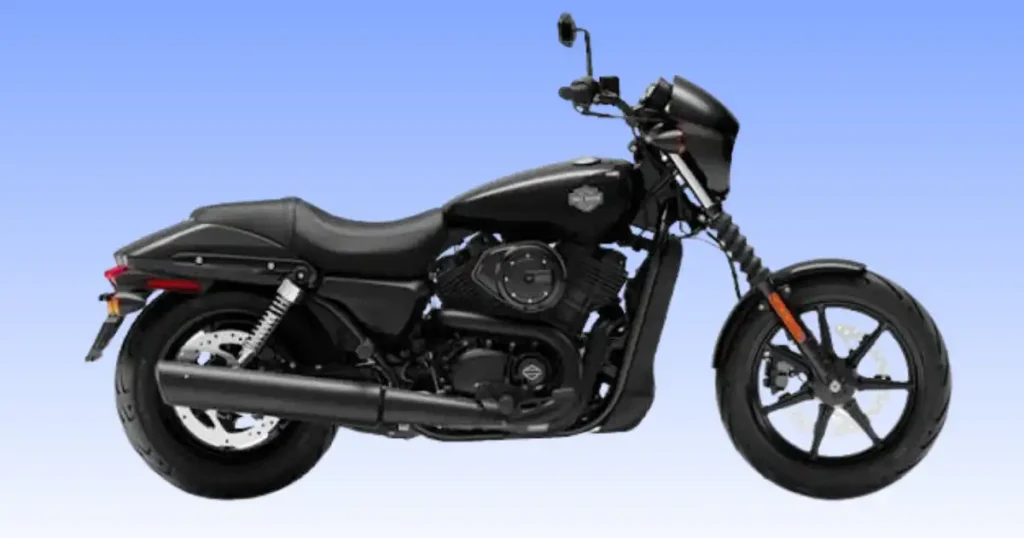
Few things can spoil a bright weekend morning quite like a motorcycle that suddenly refuses to run. You have your gear on and your route planned, but the machine will not cooperate. This is a common hurdle that many riders face at least once. Just last month, I ran into a frustrating harley davidson street 500 not starting problem while visiting a friend in Dallas, Texas. The bike sat completely silent right outside a small coffee shop in the downtown area. We spent a few minutes looking at the simple components to locate the root cause. This complete guide will show you how to fix your motorcycle quickly.
Harley-Davidson Street 500 Not Starting? Check These Simple Things First
The Street 500 is known for being beginner-friendly and dependable, but even reliable bikes can refuse to start because of one small issue. I remember helping a new rider outside Austin, Texas, on a sunny Saturday morning. He was already searching for a tow truck when we found a loose battery terminal hiding under the seat. Five minutes later, the Revolution X engine fired right up. Sometimes motorcycles enjoy testing our patience.
Always look at the easiest items before you reach for your wallet or call a local mechanic. A small oversight can easily make a perfectly healthy motor act like it has a catastrophic failure.
What Happens When You Press the Start Button?
Your motorcycle tells a distinct story through the noises it makes and the way the dash lights react.
Nothing happens
The electrical system feels completely dead. The dash lights stay dark, the needles do not sweep, and pressing the button does not trigger any sound.
One loud click
You hear a single sharp metallic thud from beneath the seat area. Your lights stay bright, but the motor refuses to turn over even an inch.
Rapid clicking
A quick chattering sound rings out when you press the switch. This classic sign shows the system is trying to work but lacks sufficient electrical current.
Engine cranks but won’t start
The starter spins the motor fast and free, yet the engine never catches fire. It sounds healthy but fails to actually run on its own.
Engine starts then stalls
The motor fires up for a brief brief second, sputters weakly, and dies immediately as soon as you release the starter button.
Slow cranking
The starter groans loudly and turns the engine over very sluggishly. It sounds like the bike is fighting against heavy mechanical resistance.
Dashboard lights dim
The digital screen and neutral light fade out to near total darkness the exact moment you place your thumb on the start switch.
Check Engine light stays on
The small amber engine silhouette stays lit on the main dial after the key cycles, indicating a stored computer fault.
Five-Minute Quick Inspection Checklist
Walk through this basic diagnostic list before you start taking your bike apart.
- Check battery voltage: Use a pocket tool to confirm the battery has a proper charge.
- Confirm fuel level: Open the cap to physically check for gas inside the tank.
- Verify engine stop switch: Ensure the right handlebar switch is toggled to the RUN position.
- Make sure the bike is in neutral: Check that the green light glows bright on your dashboard.
- Check the side stand: Pull the stand up completely to clear the safety lockout switch.
- Listen for the fuel pump: Listen for a clear two-second hum when you cycle the key.
- Inspect battery terminals: Wiggle the thick wires by hand to ensure they are fully tight.
- Look for warning lights: Check the dial for any flashing symbols or solid fault codes.
Warning Signs You Shouldn’t Ignore
Keep an eye out for these serious danger signs during your quick inspection.
Burning electrical smell
An odor of melting plastic or hot rubber means a wire is shorting out. Turn the key off immediately.
Grinding starter noise
A harsh metal-on-metal scraping sound indicates the starter gear teeth are slipping or badly damaged.
Smoke from wiring
Visible smoke rising from under the seat or tank means a major electrical short circuit is occurring.
Fuel leak
The smell of raw gas or wet spots under the frame rails means a high-pressure line might be split.
Oil leak
Fresh oil pooling under the engine casing suggests a gasket failure that requires your immediate attention.
Persistent Check Engine light
An amber light that never turns off means the onboard computer detects an active electrical component failure.
How the Harley-Davidson Street 500 Starting System Works
The Street 500 uses electronic fuel injection and several safety switches to prevent accidental starts. Understanding the starting sequence makes troubleshooting much faster.
Main Components of the Starting System
Every individual part must do its job perfectly to wake up the engine.
- Battery: The main source of twelve-volt energy that feeds the entire electrical system.
- Starter motor: A small electric motor that physically cranks the internal engine flywheel.
- Starter relay: A small switch cube that routes heavy battery power down to the starter.
- Starter solenoid: An electromagnet that shifts the starter gears into mechanical engagement.
- Electronic Control Unit (ECU): The main digital computer brain that manages fuel and spark timing.
- Fuel pump: An electric module inside the tank that sends gas down the lines.
- Fuel injectors: Tiny electronic nozzles that mist fuel into the intake tracts.
- Ignition coil: A transformer that converts low battery volts into high-voltage energy.
- Spark plugs: Small plugs that create an electrical arc to ignite the fuel mixture.
- Crankshaft position sensor: A sensor that tells the computer exactly when to fire the spark.
- Tip-over (Bank Angle) sensor: A safety safety switch that shuts the bike down during a fall.
- Side stand switch: A sensor that blocks the ignition path if the stand is down.
- Clutch switch: A small sensor in the left perch that verifies the lever is pulled.
What Happens During Startup?
The startup process follows a very specific sequence of electronic events.
- ECU powers on: Turning the main key wakes up the digital computer brain instantly.
- Fuel pump primes: The pump runs for two seconds to pressurize the fuel lines.
- Safety switches are verified: The computer checks the stand, clutch, and neutral status.
- Starter relay activates: Pressing the button sends a signal to close the main power relay.
- Starter motor cranks the engine: Heavy current spins the internal pistons up to starting speed.
- Fuel injectors spray fuel: Timed pulses of fuel enter the warm intake valves.
- Spark ignites the mixture: High-voltage current arcs across the spark plug gaps.
- Engine starts: The fuel explosions take over and the motor runs on its own power.
Most Common Reasons a Harley-Davidson Street 500 Won’t Start
Most Street 500 no-start problems are related to battery voltage, the starter circuit, fuel delivery, or ignition. Working through them one by one prevents unnecessary repairs.
Weak or Dead Battery
The battery is the root cause of most starting issues on modern fuel-injected bikes.
Common Symptoms
You will encounter dim display screens, a rapid chattering noise, or a bike that goes dark when you press start.
Battery Voltage Test
Set your digital meter to DC volts and check the posts. A good battery should show over twelve volts.
Battery Load Test
Watch the screen while you crank the bike. The numbers must stay above 9.6 volts during the test.
When to Replace the Battery
If the power drops below nine volts while cranking, the cells are bad and the battery must be replaced.
Loose or Corroded Battery Connections
Small vibrations can easily back the terminal screws out over time.
Signs of Poor Ground Connections
You might notice the dash screen flickering randomly or the entire bike cutting out when you hit a bump.
Cleaning Battery Terminals
Remove the black wire first, clean the metal with a small brush, and apply a bit of protective grease.
Faulty Starter Relay
This tiny plastic cube acts as the middleman in your starter circuit.
One Click but No Crank
A failed relay can click once when energized but fail to pass power along to the starter motor.
Relay Testing
You can swap the starter relay with another identical cube in the fuse block to test its function.
Bad Starter Solenoid
The solenoid engages the mechanical gears that turn the engine.
Symptoms
You will hear a single loud metallic thud from the starter body, but the motor will not spin at all.
Voltage Drop Test
Connect your meter across the main terminals to see if power is getting lost inside the solenoid switch.
Worn Starter Motor
The starter motor handles heavy electrical loads every time you ride.
Slow Cranking
Internal wear makes the motor pull too much energy, causing it to spin very slowly while getting hot.
Starter Current Test
An amp meter can show if the motor is drawing too much current while trying to spin the pistons.
Fuel Pump Failure
Your fuel-injected engine cannot start without solid fuel line pressure.
No Priming Sound
If you turn the key on and hear total silence inside the gas tank, the pump is not running.
Fuel Pressure Testing
A mechanical gauge tapped into the fuel line will show whether the pump can build real pressure.
Dirty Fuel Injectors
The tiny openings inside fuel injectors can become blocked very easily.
Restricted Fuel Flow
A clogged injector causes the engine to sputter, cough, or misfire badly without ever starting up fully.
Cleaning Options
You can use a bottle of fuel additive in the tank or take them out for professional cleaning.
Fouled Spark Plugs
Plugs need a clean environment to produce a strong electrical spark.
Carbon Build-Up
Heavy black soot can coat the porcelain tip, which steals the electrical current before a spark can form.
Fuel Fuel Fouling
Repeated short starts can soak the plugs in wet fuel, which shorts out the internal firing tip.
Replacement Interval
Change your spark plugs every two years or ten thousand miles to keep the ignition path fresh.
Ignition Coil Failure
The coil boosts low battery energy into a powerful spark.
Weak Spark
A bad coil produces a faint orange spark that cannot light the fuel mixture inside the hot cylinder.
Coil Testing
Use a digital meter to check the internal wire loops for proper resistance values across the pins.
Side Stand Switch Failure
This safety sensor stops you from riding away with the stand down.
Safety Circuit Problems
A broken stand switch will trick the computer into thinking the stand is down, blocking the starter line.
Inspection Steps
Look for dirt or mud packing the spring mechanism, and clean the moving plastic plunger thoroughly.
Clutch Switch Problems
The left handlebar perch holds a safety sensor for the clutch.
Starter Lockout
If this small switch fails, the bike will refuse to crank unless the transmission is perfectly in neutral.
Electrical Testing
Use your meter to verify the switch clicks open and closed when you pull the left lever.
Wiring Harness Damage
Wires can rub against the sharp metal frame rails over time.
Loose Connectors
Plastic electrical plugs can click loose from road vibration, breaking connections to critical sensors.
Broken Ground Wires
A loose main frame ground will cut all power to the computer box in a fraction of a second.
Harley-Davidson Street 500 Cranks But Won’t Start
If the engine turns over normally but never fires, focus on spark, fuel, and compression before replacing expensive electrical parts.
Check Spark
Pull a plug out, ground the metal body against the engine block, and look for a blue flash while cranking.
Listen for the Fuel Pump
Listen closely near the tank when you turn the key. A healthy pump must hum clearly for two seconds.
Verify Injector Operation
Place a long screwdriver against the injector body and your ear to listen for a light clicking sound while cranking.
Measure Fuel Pressure
Hook a fuel gauge to the system to ensure the lines hold steady pressure while the motor spins over.
Inspect the Air Filter
Open the air box cover to ensure no paper debris or rodent nests block the intake tract completely.
Perform a Compression Test
Thread a pressure gauge into the spark plug hole to confirm the engine can squeeze the air-fuel mix.
Harley-Davidson Street 500 Starts Then Dies
An engine that starts and immediately stalls often has a fuel delivery problem, an idle control issue, or a faulty sensor.
Fuel Pressure Loss
The pump might build enough pressure to start the bike but fail to maintain it due to an internal leak.
Dirty Injectors
Restricted injector nozzles allow a brief start on the initial prime but starve the motor a second later.
Vacuum Leaks
Cracked or unsealed rubber intake boots let extra air bypass the throttle body, leaning the mixture out until it stalls.
Idle Control Problems
A stuck idle bypass valve cannot meter the correct amount of air when you let go of the starter button.
ECU Sensor Issues
A confused engine sensor can send bad data to the computer brain, causing it to cut fuel immediately after starting.
Harley-Davidson Street 500 Won’t Start After Winter Storage
Motorcycles that sit for months often develop battery and fuel issues. Fortunately, most of these problems are easy to diagnose.
Weak Battery
Sitting idle drains the battery cells. A simple surface charge won’t give it the deep power needed to crank.
Stale Fuel
Modern fuel degrades in less than three months, leaving behind a sticky film that ruins fuel components.
Fuel Pump Problems
Dried fuel residue can physically lock the small internal moving parts of the pump during long storage.
Dirty Injectors
Old fuel sitting inside the tiny injector passages creates hard deposits that block the path of fresh gas.
Rodent Damage
Mice love to nest under the tank and chew on wire insulation, breaking critical circuits over the winter.
Harley-Davidson Street 500 Won’t Start After Rain or Washing
Moisture inside connectors can interrupt the starting system, even if every major component is working perfectly.
Wet Ignition Components
Water can pool around the ignition coils, tracking the high voltage away before it ever reaches the plugs.
Moisture Around ECU Connectors
Water creeping into the computer plug pins bridges connections together, confusing the digital brain.
Corroded Starter Relay
Moisture inside the side fuse block causes green rust to form across the metal relay pins over time.
Water in Spark Plug Boots
Water trapped inside the deep rubber spark plug caps shorts the electrical arc directly to the engine block.
Step-by-Step Harley-Davidson Street 500 Troubleshooting Process
Whenever I diagnose a Street 500 that won’t start, I begin with the battery instead of the starter. One Tuesday morning near Phoenix, Arizona, a rider was convinced the fuel pump had failed before work. The battery looked healthy until a load test showed it dropping below 9 volts. A replacement battery fixed everything before rush hour even got busy.
Step 1 – Test Battery Voltage
Touch your meter to the battery terminals. A healthy battery must read over twelve volts while sitting cold.
Step 2 – Perform a Load Test
Watch the screen while you crank the bike. If the number falls below nine volts, replace the battery.
Step 3 – Inspect Battery Connections
Grab the main wires and give them a shake. Clean away any powdery rust and tighten loose bolts down.
Step 4 – Check the Main Fuse
Locate the primary fuse behind the side panel. Check the internal metal strip to see if it is blown.
Step 5 – Listen for Fuel Pump Priming
Flip the run switch on and listen for the distinct two-second hum of the pump inside the tank.
Step 6 – Inspect Spark Plugs
Remove the plugs with a deep socket. Check the tips for dark carbon soot or wet fuel coatings.
Step 7 – Test the Starter Relay
Pull the relay from the fuse block and inspect the pins for corrosion or signs of overheating.
Step 8 – Measure Fuel Pressure
Connect a mechanical gauge to the line to ensure the fuel delivery stays strong and steady.
Step 9 – Check Compression
Verify the mechanical condition of the motor by checking that the cylinders can hold proper air pressure.
Harley-Davidson Street 500 No-Start Diagnosis Table
Using a clear chart makes tracking down a starting problem simple and efficient. Match your specific symptoms to this guide to find the right repair step.
| Symptom | Most Likely Cause | DIY Difficulty | Repair at Home |
| No response | Battery or fuse | Easy | Yes |
| Rapid clicking | Weak battery | Easy | Yes |
| Single click | Starter relay | Easy | Yes |
| Cranks but won’t start | Fuel or ignition | Medium | Yes |
| Starts then dies | Fuel delivery | Medium | Sometimes |
| No fuel pump sound | Fuel pump | Medium | Sometimes |
| Check Engine light | Sensor issue | Medium | No |
| Slow cranking | Starter motor | Medium | Sometimes |
Battery Voltage Reference Table
Your battery condition dictates how well the starter system can turn the heavy pistons. Use these voltage values to check the health of your electrical source.
| Voltage | Battery Condition | Recommended Action |
| 12.8–13.0V | Excellent | Continue diagnosis |
| 12.5–12.7V | Good | Recharge if needed |
| 12.2–12.4V | Weak | Perform load test |
| Below 12V | Poor | Recharge or replace |
| Below 10V | Failed | Replace battery |
Street 500 Troubleshooting by Symptom
Starting issues leave behind specific clues based on how the bike reacts. Use this symptom breakdown to narrow down your diagnostic work in the garage.
| Symptom | Likely Cause | Check First |
| One click | Starter relay | Battery |
| Rapid clicks | Weak battery | Battery load |
| Cranks only | Fuel or spark | Spark plugs |
| Starts then dies | Fuel pressure | Fuel pump |
| Check Engine light | ECU sensor | Diagnostic scan |
| Slow crank | Starter motor | Voltage drop |
Essential Tools for Diagnosing a Harley-Davidson Street 500
Having the right tools on hand makes troubleshooting easy and prevents frustration. These basic garage tools can solve almost any common starting issue.
Recommended Tools
- Digital multimeter: A digital tool used to trace volts, resistance, and wire shorts accurately.
- Battery charger: A basic charger to restore deep chemical power to a low battery safely.
- Smart battery tender: A smart device that maintains optimal battery health during down time.
- Battery load tester: A specialty tool used to test battery voltage under a starting load.
- Spark tester: A visual tool used to verify that your ignition coil can produce a spark.
- Fuel pressure gauge: A mechanical tool used to read fuel line pressure from the pump.
- Compression tester: A screw-in tool used to verify the internal mechanical seal of the cylinders.
- Motorcycle OBD scanner: A tool used to read error codes from the engine computer brain.
- Socket set: A basic set of sockets needed to remove brackets, covers, and body panels.
- Contact cleaner: A fast spray used to wash grease and dirt out of electrical plugs.
- Flashlight: A bright light used to inspect dark corners of the frame wiring channels.
Common Mistakes Street 500 Owners Make
Avoiding these basic mistakes will save you time, money, and unnecessary garage headaches. Always slow down and check the basics.
Replacing Parts Before Testing
Buying parts based on a guess gets expensive quickly. Always verify the failure with a meter before purchasing items.
Ignoring Battery Load Tests
A battery can look good on a static test but drop to zero under a starting load. Always test under load.
Forgetting the Side Stand Switch
Riders often tear into a bike before noticing the stand is down. Always check your safety switches first.
Using Old Fuel
Trying to start a bike on stale winter gas will foul your spark plugs. Keep your fuel fresh.
Skipping Spark Plug Inspection
Plugs reveal exactly what is happening inside the combustion chamber. Never skip looking at them.
Ignoring Loose Ground Cables
A loose negative cable can mimic a dead starter motor. Always check both ends of the main battery wires.
Expert Advice From a U.S. Harley Technician
Professional technicians rarely replace parts without testing first. That simple habit prevents expensive mistakes.
“Most Street 500 motorcycles that come into our service department don’t need a starter motor. More often, we find weak batteries, loose ground connections, or starter relay faults. A five-minute electrical test usually tells the whole story.” — Ryan Cooper, Harley-Davidson Master Technician, Texas
Why Battery Testing Should Always Come First
The onboard engine computer needs steady voltage to operate the fuel injectors and ignition. If the battery drops even slightly during cranking, the digital brain shuts off to protect itself.
Real Workshop Example
- Thursday morning in Houston
- Rider suspected a bad fuel pump
- Battery measured 12.5 volts at rest
- Voltage dropped below 9 volts during cranking
- New battery solved the problem immediately
How to Prevent Harley-Davidson Street 500 Starting Problems
Routine maintenance keeps the Street 500 reliable whether you’re commuting downtown or heading out for a weekend ride.
Keep the Battery on a Smart Tender
Plug your bike into a tender whenever it sits for more than a week. This maintains the cells and doubles battery life.
Replace Spark Plugs on Schedule
Put in fresh plugs every two years to ensure you always get a clean, hot spark to light the fuel mix.
Use Fresh Fuel
Always use fresh high-octane gasoline, and add a quality stabilizer if the bike will sit during the winter months.
Clean Battery Connections
Remove the seat and clean the terminal posts annually to stop corrosion from blocking your starter current.
Inspect Wiring Regularly
Look over the main harness for any signs of rubbing or loose plastic clips before they turn into road shorts.
Protect Electrical Connectors
Use a small dab of clear dielectric grease inside exposed plugs to keep water and road grime out of the pins.
Follow Harley-Davidson Service Intervals
Stick to the factory maintenance schedule to catch small electrical or fuel issues before they leave you stranded.
When You Should Visit a Harley-Davidson Dealer
Some faults require factory diagnostic software or specialized testing equipment. If the basic checks don’t identify the problem, professional diagnosis is the safest option.
Persistent Check Engine Light
A solid light that keeps returning means a sensor has failed completely or is operating outside factory limits.
ECU Communication Errors
If a standard scanner cannot connect to the computer brain, a dealer must check the internal software maps.
Fuel Injector Failure
Diagnosing or replacing internal fuel injection bodies requires specialty flow equipment and balance tools.
Wiring Harness Damage
Finding a broken wire hidden deep inside the factory harness bundle requires advanced tracing tools and factory diagrams.
Internal Engine Problems
Low cylinder compression means it is time for a professional technician to inspect the internal valves and rings.
Harley-Davidson Street 500 vs Similar Cruiser Motorcycles
The Street 500 shares many electronic systems with other modern cruisers, but every model has its own maintenance patterns and common failures.
Harley-Davidson Street 500 vs Harley-Davidson Street 750
The Street 500 uses an identical electrical layout as the larger Street 750, making their starter troubleshooting steps completely interchangeable.
Street 500 vs Honda Rebel 500
The Honda Rebel 500 utilizes a parallel twin engine design with a different layout for its battery box and main fuses.
Street 500 vs Royal Enfield Super Meteor 650
The Royal Enfield uses an air-cooled layout with an external oil cooler, which changes sensor locations compared to the liquid-cooled Revolution X motor.
Common EFI Starting Problems Across Middleweight Cruisers
All modern fuel-injected middleweight bikes are highly sensitive to voltage drops, meaning a slightly weak battery will disable the fuel delivery across all brands.
Frequently Asked Questions
Why is my Harley-Davidson Street 500 not starting even though the battery looks charged?
A battery can read twelve volts on a simple meter but lack the internal strength to hold that power under a load.
Why does my Street 500 only make a clicking sound?
Rapid clicking means the battery is too low to spin the starter motor. A single click points to a bad relay or starter.
Can a weak battery stop the fuel injection system from working?
Yes, if the voltage drops below ten volts while cranking, the computer turns off and disables the injectors instantly.
Why won’t my Street 500 start after winter storage?
The fuel may have turned to varnish inside the injectors, or the battery slowly lost its charge over the cold season.
How do I know if my starter relay has failed?
If your dash stays bright but the bike does nothing when you press the button, the relay is likely broken.
Can the side stand switch prevent the Street 500 from starting?
Yes, if the bike is in gear and the switch is broken, the safety system locks out the starter circuit completely.
Why does my Street 500 crank but never fire?
This happens when the engine turns but lacks fuel or spark. Check your fuel pump sound and look at the spark plugs.
How much does it cost to repair a Harley-Davidson Street 500 that won’t start?
A loose wire is free to tighten at home. A new battery costs around one hundred dollars, while a new pump is more expensive.
Final Recommendation
When your bike refuses to fire up, do not panic or rush to buy expensive replacement parts. My experience shows that a simple low battery or a loose wire connection is almost always the true cause of the issue. Grab a basic digital meter, run through the voltage checks carefully, and ensure your ground cables are clean and tight. Taking care of these basic electrical details at home will keep your machine reliable and ready for the open road.

Ehatasamul Alom is a dedicated road hybrid bikes expert. With over 15 years of experience, he helps people find the perfect ride. He began his journey as a bike mechanic. He learned the ins and outs of every bike.
Ehatasamul Alom holds a Master's degree in Mechanical Engineering from a Brown University (Providence US 02912), where he specialized in material science and bicycle kinematics. His master's thesis focused on optimizing frame geometry for road hybrid bikes to improve rider comfort and efficiency.
Ehatasamul has an extensive professional background. He spent 10 years (2010-2020) as a Senior Bike Designer at "Urban Cycles," a leading bicycle manufacturer. In this role, he led the development of several award-winning road hybrid bikes, which are known for their durability and performance. He later served (2020-2024) as the Head of Product Development at "Gear Up," a company specializing in high-end cycling components. There, he developed innovative parts and accessories specifically for road hybrid bikes.
Over the years, Ehatasamul has become an authority on Roadhybridbikes. He understands their design and function. His work focuses on making bikes easy to use. Ehatasamul believes everyone should enjoy cycling. He writes guides that are simple to read. His passion for road hybrid bikes is clear. His goal is to share his knowledge with everyone. He wants to see more people on two wheels. His advice is always practical and easy to follow.
- Ehatasamul Alom

- Ehatasamul Alom
- Ehatasamul Alom

- Ehatasamul Alom