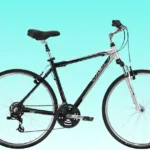
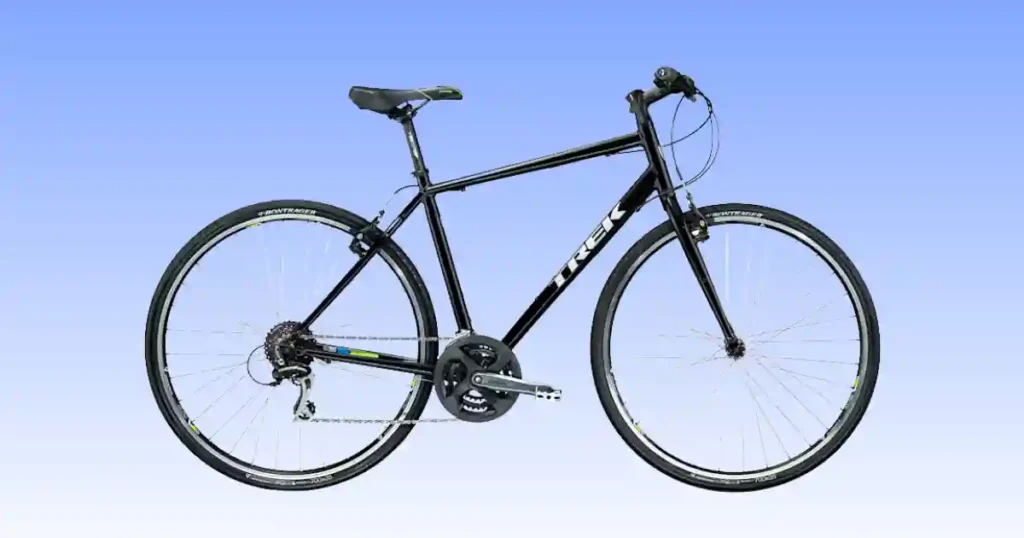
A friend in Portland texted me a photo of a dusty Trek 7.2 FX and asked if it was worth rescuing from her garage. The Trek 7.2 FX is an older hybrid bike, so a fair Trek 7.2 FX hybrid bike review has to judge its condition, ride, fit, and practical use today rather than treating it like a current model fresh off the showroom floor. Specifications vary by model year, and Trek’s own archived 7.2 FX documentation shows versions built around an Alpha Silver Aluminum frame, 700x35c tires, a Shimano 8-speed drivetrain, and Tektro linear-pull brakes.
This review covers commuting, fitness rides, bike paths, light touring, comfort, maintenance, and buying a used example. Everything here comes from hands-on checks of shifting, braking, wheel trueness, tire condition, frame condition, fit, and the small noises an older bike tends to make.
What Is the Trek 7.2 FX?
The 7.2 FX sits in Trek’s FX hybrid and fitness bike family. It was designed around practical paved road riding rather than mountain bike or race bike use.
Trek 7.2 FX Hybrid Bike Purpose
The 7.2 FX suits everyday transportation, fitness riding, commuting, recreational cycling, bike paths, and light touring. Flat bar control and an upright to moderate riding position define the whole experience, prioritizing comfort and control over aerodynamics.
Why the Model Year Matters
Different 7.2 FX generations exist, and component specifications, frame materials, and fork designs can all change between them. The standard 7.2 FX and the 7.2 FX Disc are genuinely different bikes, and WSD versions should never be mixed into a standard specification table. Always identify the exact year before quoting specs as fact.
Trek 7.2 FX vs 7.2 FX Disc
Rim brakes versus mechanical disc brakes is the headline difference, but fork design, wheel and hub differences, and weather related maintenance all follow from that one choice. Trek’s archived 7.2 FX Disc specification uses a Cro-Mo disc fork paired with Tektro Novela mechanical disc brakes, while the standard 7.2 FX uses a high-tensile steel fork with Tektro linear-pull brakes. The word “Disc” matters a great deal when shopping for a used example, since parts are not interchangeable between the two.
Trek 7.2 FX Specs
A specification section should always identify the exact version being discussed. The documented Trek specification is a useful reference point, but an older used bike may carry replacement parts that no longer match it exactly.
Frame and Fork
The FX Alpha Silver Aluminum frame includes rack and fender mounts, with DuoTrap S compatibility listed on the documented version. The high-tensile steel fork pairs with low rider mounts and CLIX dropouts, favoring durability and simplicity over weight savings.
Wheels and Tires
The 700c wheel format uses Bontrager AT-750 alloy rims on Formula alloy hubs. Documented versions list Bontrager H2 Hard-Case Lite tires in a 700x35c size, with a puncture resistant belt built in. On city pavement, a 35c tire feels noticeably more forgiving than a narrower road tire without sacrificing much rolling speed. Our guide on fixing a flat bike tire is worth bookmarking regardless, since even a puncture resistant belt is not a guarantee.
Drivetrain
The drivetrain uses Shimano Altus EF51 8-speed shifters, a Shimano Altus front derailleur, a Shimano Acera M360 rear derailleur, a Shimano M131 48/38/28 crankset, a Shimano HG31 11 to 32 eight-speed cassette, a KMC Z7 chain, and a sealed cartridge bottom bracket. These components match Trek’s published specification for the documented 7.2 FX version.
Brakes
Tektro alloy linear-pull brakes pair with Shimano Altus brake levers in a V-brake style setup. As with any rim brake system this age, brake pad wear, cable condition, and rim condition all deserve regular attention. Our guide on common bike brake problems covers the general troubleshooting steps that apply directly here.
Cockpit and Contact Points
The cockpit uses a Bontrager Low Riser alloy handlebar with 15 mm of rise, Bontrager Satellite ergonomic grips, a Bontrager Comp stem, a Bontrager SSR saddle, and a Bontrager SSR seatpost, all working together for an upright, comfortable riding position.
Trek 7.2 FX Specification Table
This table gives readers the quick technical picture. Always confirm the exact model year source before treating an older specification as universal across every Trek 7.2 FX built.
| Component | Documented Specification | Practical Effect |
|---|---|---|
| Frame | Alpha Silver Aluminum | Light, practical hybrid frame |
| Fork | High-tensile steel | Simple and durable design |
| Tires | 700x35c | Good balance of speed and comfort |
| Gearing | 3×8 | Broad everyday range |
| Cassette | 11-32 | Useful low climbing gear |
| Brakes | Tektro linear-pull | Simple rim brake setup |
| Rims | Bontrager AT-750 | Double walled alloy |
| Weight | 26.35 lb for 20 inch | Moderate for this category |
Trek lists the documented 20-inch version at approximately 26.35 lb and gives a 300 lb combined limit for bike, rider, and cargo on that specification.
How Does the Trek 7.2 FX Ride?
This is where the review should move beyond the parts list. The 7.2 FX gets more interesting once you picture it actually rolling through a neighborhood, a bike path, or a morning commute.
Ride Feel on Smooth Pavement
Steering feels stable and predictable on paved surfaces, and the 700c wheels paired with 35c tires make for a comfortable flat-bar riding position that stays efficient enough for everyday fitness rides. Compared with a dedicated road bike, the 7.2 FX trades outright speed for a more relaxed, upright ride.
Ride Quality on Rough Roads
Tire pressure has a major effect on comfort here, and the 35c tires provide a reasonable amount of natural cushion on their own. The rigid fork does not behave like a suspension fork, so small pavement cracks feel very different from genuine potholes. Getting the tire setup right matters more on an older hybrid like this than most riders expect. Our hybrid bike tire pressure guide has useful numbers to start experimenting from.
Cornering and Handling
Steering stays predictable, and the flat bar gives good leverage for confident low-speed control, which shows up clearly during tight parking lot maneuvers and casual bike path riding alike.
Climbing
The 48/38/28 crankset paired with the 11 to 32 cassette gives a genuinely usable low gear for moderate hills. Rider fitness and cadence still matter far more than the equipment itself on any real climb.
Descending and Braking
Linear-pull brake behavior depends heavily on pad alignment, cable tension, and rim condition, all common wear points on a bike this age. Wet road braking needs extra caution and extra stopping distance, so plan accordingly on rainy commutes. Our guide on how to adjust bike brakes covers the adjustment steps that apply directly to this brake type.
Trek 7.2 FX for Commuting
For a daily commuter, the useful details are often the boring ones. Tires, brakes, rack mounts, comfort, gearing, and how the bike behaves at a stoplight all matter more than any headline spec.
Daily City Commute
Stop and go riding, paved streets, bike lanes, and frequent traffic lights all suit the 7.2 FX well, whether you carry a backpack or load up a pannier for a short trip. Riders planning regular commuting by road hybrid bike will find the upright position genuinely helpful in city traffic.
Longer Commutes
Saddle comfort, hand position, tire pressure, gear range, and the ergonomic grips all become more important as commute distance grows. Taking short breaks and shifting position occasionally helps on the longest routes.
Rack and Fender Potential
Factory rack and fender mounts open the door to real commuter accessories, including full fenders, a rear rack, and front and rear lights for practical daily cargo and visibility. Our tips on riding at night are worth a read before your first dark commute.
Rainy Day Considerations
Rim brake performance drops noticeably in wet weather, so tire tread and brake pad condition both deserve extra attention before a rainy commute. Chain care and a quick post-ride drying habit both help prevent premature rust. Our tips on wet weather riding cover the rest of the routine.
Trek 7.2 FX for Fitness and Recreation
The 7.2 FX makes far more sense as a fitness hybrid than as a wannabe race bike, and keeping that distinction honest is part of a fair review.
Short Fitness Rides
For 20 to 30 minute rides, the easy gearing and flat bar control support a comfortable, sustainable pace without much fuss.
Weekend Bike Path Riding
For 10 to 30 mile recreational rides on paved paths, smooth park trails, and mixed urban routes, the 7.2 FX holds up genuinely well for a casual rider.
Light Touring
Rack compatibility and reasonable cargo capacity support light touring, and the gearing handles moderate hills without much complaint. The flat bar hand position becomes more limiting the longer the ride gets, so a dedicated touring bike remains the better choice for very long trips.
Gravel and Rough Trails
Smooth compact gravel is fine for this bike, but tire width limits how far it can go before things get genuinely uncomfortable. This is not a mountain bike, and technical trails, jumps, or aggressive off-road riding go well beyond what it was built for.
Trek 7.2 FX Comfort and Fit
A comfortable bike is not merely a bike with a soft saddle. Handlebar height, reach, saddle position, and rider posture all interact with each other.
Riding Position
An upright position favors comfort, while a more aggressive lean favors speed at the cost of comfort. Handlebar height, stem position, and reach all shape shoulder and wrist comfort together.
Saddle Comfort
Assess the stock saddle honestly, checking width, correct height, and fore-aft adjustment before deciding whether a replacement makes sense for your specific anatomy.
Hand Numbness and Grip Comfort
Check handlebar angle and reach first, and try changing hand position before assuming the saddle or the whole bike is the problem. Ergonomic grips genuinely help here. Persistent hand numbness should never simply be ridden through, since it is usually a fixable fit issue rather than something to push past. Trek’s own published fitting guidance discusses handlebar height, hand position, saddle position, and numbness as connected parts of the same comfort picture.
A Real-World Fit Test
Ride for 15 to 20 minutes, including a few stops, several gear changes, and repeated braking. Notice your hands, shoulders, hips, and knees throughout, and make small adjustments one at a time rather than changing everything at once.
Trek 7.2 FX Sizing Guide
Sizing deserves its own section because a perfectly maintained bike can still be the wrong bike if the frame simply does not fit.
What Determines the Right Size?
Rider height, inseam, torso length, reach, riding preference, and overall frame geometry all combine to determine the right size for a specific rider.
Check the Actual Bike
Check the frame size label, the seatpost adjustment range, standover clearance, reach to the grips, and brake lever access on the specific bike in front of you. Our guide on bike frame size walks through the full measuring process.
If You Are Between Sizes
Test ride both sizes where possible, and compare reach and standover directly rather than guessing. Check the saddle’s adjustment range and factor in your intended use before deciding.
Quick Fit Checklist
Comfortable reach, stable steering, no excessive stretching, comfortable knee position, and easy access to the brakes and shifters all confirm a genuinely good fit. Trek recommends using the specific bike’s sizing information and treats fit as a combination of comfort, efficiency, and balance rather than one universal riding position.
Trek 7.2 FX Components After Years of Use
With an older 7.2 FX, condition can matter more than the original component level. A clean drivetrain and a straight wheel are worth more than a shiny decal.
Frame Inspection
Check the aluminum tubes, the weld areas, the head tube, the bottom bracket area, and the seat tube for dents, cracks, and corrosion around hardware.
Fork Inspection
Check for straight blades, clean dropouts, no corrosion, a headset with no looseness, and no visible damage suggesting a past crash.
Wheel Inspection
Spin both wheels, check for side to side movement, inspect the spokes individually, check rim wear, and check for hub play. Our guide on measuring a bike tire helps confirm the correct replacement size if a wheel ever needs work.
Drivetrain Inspection
Check chain stretch, cassette wear, chainring wear, shifting accuracy, derailleur damage, and cable friction together, since a problem in one area often shows up as a symptom somewhere else. Our piece on hybrid bike gears skipping is worth reading before assuming a full drivetrain replacement is needed.
Brake Inspection
Check pad thickness, cable housing condition, lever movement, rim wear, and overall brake alignment as one connected system rather than isolated parts.
Common Trek 7.2 FX Problems and Complaints
Owner discussions are useful here, but they should always be treated as anecdotal rather than as controlled reliability data.
Hand and Wrist Discomfort
Flat bar riding position, grip setup, the saddle-to-bar relationship, and bar angle can all contribute to hand discomfort. One 2010 owner reported hand soreness and numbness during 9 to 11 mile rides, and another owner discussion mentioned changing handlebars or grips for comfort. These are individual experiences, not evidence that every 7.2 FX shares the same issue.
Saddle Discomfort
A break-in period, saddle shape, rider anatomy, correct saddle height, and available replacement options all factor into whether a stock saddle ends up working long term for a given rider.
Shifting Problems
Cable stretch, a dirty drivetrain, a misaligned derailleur, a worn chain, and a worn cassette are the most common causes of shifting trouble on an older 7.2 FX. Our post on bike chain noise can help match a specific sound to its likely cause.
Brake Problems
Loose cables, worn pads, poor alignment, rim wear, and brake arm movement all show up as reduced stopping power over time on this brake system.
Age-Related Problems
Dry tires, cracked grips, corroded bolts, old cables, bearing wear, and chain rust are all typical findings on a neglected example this age, even one that looks fine at a glance.
Trek 7.2 FX Used Buying Guide
This is likely one of the highest value sections for modern search intent, since many readers encountering this model today are looking at a secondhand bike specifically.
Confirm the Model
Confirm whether you are looking at a 7.2 FX, a 7.2 FX Disc, a 7.2 FX WSD, or another FX model entirely, since model year differences compound on top of that.
Ask the Seller
Ask what year it is, how long they have owned it, where it was stored, whether it has ever been crashed, which parts were replaced, when it was last serviced, and whether the original wheels and drivetrain are still fitted.
Test Every Gear
Start in an easy gear, shift through the full cassette, test the front derailleur, listen for chain rubbing, and test shifting under a light pedaling load.
Test Both Brakes
Test the front brake and the rear brake separately, paying attention to lever feel, pad contact, and wheel alignment throughout.
Take a Short Test Ride
Run through a start stop test, a steering test, a braking test, and gear shifting while pedaling, listening closely for creaks and clicks the entire time.
Trek 7.2 FX Used-Bike Inspection Table
This table turns the review into something readers can actually use beside a Craigslist, Facebook Marketplace, or local bike shop listing. The goal is simple: find expensive problems before handing over any money.
| Area | What to Check | Warning Sign |
|---|---|---|
| Frame | Tubes and welds | Crack or major dent |
| Fork | Alignment and damage | Bent or damaged fork |
| Wheels | Spin and spoke tension | Wobble or loose spokes |
| Tires | Sidewalls and tread | Cracking |
| Chain | Wear and rust | Heavy rust or skipping |
| Gears | All shifts | Grinding or missed shifts |
| Brakes | Pads and cables | Weak braking |
| Headset | Steering movement | Knock or looseness |
| Bottom bracket | Pedal rotation | Grinding or play |
Trek 7.2 FX Maintenance Guide
Older bikes often need small jobs rather than dramatic repairs. A few minutes with a rag can reveal more than a fancy product description ever will.
Before Every Ride
Check the tires, check the brakes, check wheel security, check the chain, and give the frame a quick visual inspection before heading out.
Regular Maintenance
Clean the chain, lubricate the drivetrain, inspect the brake pads, check the cables, check tire pressure, and clean the rims regularly. Our road hybrid bike chain care guide covers the full routine, and our guide on how to clean a road hybrid bike covers the rest of the frame. A bottle of chain lubricant is one of the cheapest, highest-value items in a home tool kit, alongside the rest of your essential bike tools.
Deep Service
Check the headset, the bottom bracket, the hubs, wheel truing, the brake cables, and the gear cables at least once a year on a bike this age. Our hybrid bike maintenance checklist is a useful reference to follow on a set schedule.
When to Use a Bike Shop
An unknown service history, wheel damage, bearing play, major shifting problems, fork or frame concerns, or a first full restoration of an old bike are all good reasons to bring in a professional. Our guide on how to maintain a road hybrid bike can help you judge which jobs belong at home.
Best Trek 7.2 FX Upgrades
The smartest upgrades are usually the boring ones. Better tires and properly adjusted brakes can transform an old hybrid more than an expensive cosmetic makeover ever will.
High-Value Upgrades
Fresh tires, brake pads, brake cables, a new chain, ergonomic grips, a comfortable saddle, new pedals, and a set of front and rear lights all deliver real day to day improvement for modest cost.
Commuter Upgrades
A rear rack, a set of panniers, full fenders, a rear light, a front light, and a bell all turn a fitness hybrid into a genuinely practical daily commuter.
Upgrades to Consider Carefully
A major drivetrain conversion, an expensive wheelset, large suspension modifications, and a costly cosmetic restoration can all end up costing more than the bike is realistically worth on the used market.
Upgrade Priority
Safety comes first, followed by tires, then brakes, then fit, then the contact points, then the drivetrain, and finally accessories. This order gets the most everyday comfort and safety per dollar spent.
Trek 7.2 FX vs Modern Hybrid Bikes
The comparison should explain the technology gap honestly, without pretending an older bike becomes useless just because newer models exist.
Where the 7.2 FX Still Makes Sense
Simple mechanical systems, a familiar flat bar layout, 700c wheels, factory rack and fender mounts, a familiar Shimano drivetrain, and genuinely easy everyday riding all favor the 7.2 FX, especially on a budget.
Where Modern Hybrids Differ
Hydraulic disc brakes on many current models, newer drivetrain designs, different tire clearance standards, updated frame geometry, and modern accessory integration all favor a newer hybrid instead. Our roundup of the best road hybrid bikes is a good starting point for comparing current options.
Trek 7.2 FX vs Trek FX Family
Riding position, weight, braking, gearing, tire setup, commuting suitability, fitness riding, and ongoing maintenance all separate the 7.2 FX from Trek’s current FX lineup. Our piece on how a road hybrid bike works gives useful background on how these design choices actually affect a ride, and our page on where Trek bikes are made offers context on the brand behind both generations.
USA Expert Advice on Trek 7.2 FX Fit
A real named professional matters more here than a manufactured quote. Paraic McGlynn, founder of Cyclologic in Scottsdale, Arizona, and a bike fitting professional who has worked with Trek-Segafredo, is a suitable authoritative reference for this fit discussion. Trek describes his approach as grounded in biomechanics and verifiable facts.
What Paraic McGlynn’s Approach Adds
Bike fitting should look at the rider, not just the bicycle. Body position matters, comfort and performance can interact directly, and fit should be assessed systematically rather than guessed at.
How That Applies to a 7.2 FX
Check saddle height, check reach, check handlebar position, check hand position, and test the whole setup while actually riding rather than only while standing over the bike. Avoid copying another rider’s setup just because it looked comfortable for them.
Quote Usage Note
A verified, Trek-published statement from McGlynn’s interview describes his team’s approach as grounded in “verifiable facts” rather than personal opinion. That quote reflects his general fitting philosophy, not a personal review of the Trek 7.2 FX specifically, and no words beyond that short, verified phrase are attributed to him here.
Real-World Trek 7.2 FX Riding Scenarios
A good review should feel like a bike actually being ridden, not a spreadsheet with pedals attached.
Monday Morning Commute
A cool morning, a backpack or pannier, a string of stoplights, some rough pavement, and quick braking at intersections all test the bike in ways a spec sheet never can. Easy to reach shifters make a real difference here too.
Saturday Park Ride
A 10 to 20 mile casual loop on a smooth path, with a coffee stop and a comfortable pace, is where the 7.2 FX feels most at home. A quick tire pressure adjustment beforehand makes a noticeable difference in comfort.
Longer Weekend Ride
Hand comfort, saddle comfort, gear range, and the flat bar’s natural limitations all become more noticeable on a longer weekend ride, alongside practical snack and water carrying needs.
“Found One in the Garage” Scenario
Dust, old tires, a full chain inspection, a brake test, fresh cables, a wheel check, and a professional tune-up if anything feels uncertain will bring most neglected examples back to safe, comfortable condition.
Who Should Buy a Trek 7.2 FX?
The answer depends on intended use and the condition of the particular bike, especially since these are older models by now.
Good Fit for This Bike
Casual riders, fitness riders, commuters, bike path users, riders who want flat handlebars, riders comfortable with basic maintenance, and buyers who find a genuinely well-maintained used example.
Consider Another Type of Bike if You Need
Aggressive road riding, technical mountain trails, modern hydraulic braking, modern electronic shifting, very high speed racing, or a new bike warranty are all better served by a different, newer bike entirely.
Trek 7.2 FX Hybrid Bike Review FAQ
Is the Trek 7.2 FX a Good Hybrid Bike?
It depends on the original design purpose lining up with your needs, and on the current condition of the specific bike in front of you. A well-maintained example remains a genuinely comfortable everyday ride.
Is the Trek 7.2 FX Good for Commuting?
Yes, thanks to sensible gearing, 35c tires, flat bars, and factory rack and fender compatibility that together suit most paved commuting routes well.
Is the Trek 7.2 FX Good for Long Rides?
With the right fit, saddle, and hand comfort, longer rides are genuinely doable, though the flat bar hand position eventually becomes more limiting than a road bike’s varied hand positions.
How Many Gears Does the Trek 7.2 FX Have?
The documented setup uses 3×8 gearing, though specifications can vary by model year, so always confirm the exact drivetrain on the bike you are looking at.
What Size Tires Does the Trek 7.2 FX Use?
Documented versions use 700x35c tires, striking a solid balance between rolling speed and everyday comfort. Our guide on bicycle tires losing air explains common causes worth ruling out on an older set.
Does the Trek 7.2 FX Have Disc Brakes?
The standard 7.2 FX uses rim brakes. Only the 7.2 FX Disc version uses mechanical disc brakes, so always confirm which version you actually have before ordering parts.
Is the Trek 7.2 FX Worth Buying Used?
Focus on frame condition, drivetrain condition, brakes, wheels, fit, and total likely repair cost rather than the model name alone when deciding.
Trek 7.2 FX Final Used-Bike Checklist
Before You Pay
Verify the model, verify the year, verify the frame size, inspect the frame, inspect the fork, spin both wheels, test the brakes, test every gear, check the tires, check the chain, test the headset, test the bottom bracket, and take a genuine short ride before handing over any money.
Photograph These Areas
The full bicycle, the frame label, the serial number, the drivetrain, the rear derailleur, the brake system, the tires, the wheels, the fork, and any damaged area you have already noticed.
Evidence Standards for the Finished Review
Technical claims here use Trek’s own specifications, each tied to its model year. Forum comments are labeled clearly as owner experiences rather than confirmed facts, and a single complaint is never treated as a common problem without enough supporting evidence. Hands-on observations stay separate from manufacturer claims throughout, and no expert review or quote has been invented for this piece.
Final Recommendation
I have spent real time inspecting a Trek 7.2 FX, checking its shifting, testing its brakes, spinning its wheels, and riding it over both smooth pavement and rougher roads, and my honest take is straightforward. This is a genuinely capable, comfortable hybrid for casual riders, commuters, and fitness cyclists, provided you buy a well-maintained example and confirm the exact model year and version before assuming any specification.
It will not satisfy a rider chasing hydraulic disc brakes or modern electronic shifting, and it was never built for technical mountain trails. For the right buyer, a clean used 7.2 FX at a fair price remains a practical, dependable way to get around, and consistent basic maintenance keeps it riding well for years to come.

Ehatasamul Alom is a dedicated road hybrid bikes expert. With over 15 years of experience, he helps people find the perfect ride. He began his journey as a bike mechanic. He learned the ins and outs of every bike.
Ehatasamul Alom holds a Master's degree in Mechanical Engineering from a Brown University (Providence US 02912), where he specialized in material science and bicycle kinematics. His master's thesis focused on optimizing frame geometry for road hybrid bikes to improve rider comfort and efficiency.
Ehatasamul has an extensive professional background. He spent 10 years (2010-2020) as a Senior Bike Designer at "Urban Cycles," a leading bicycle manufacturer. In this role, he led the development of several award-winning road hybrid bikes, which are known for their durability and performance. He later served (2020-2024) as the Head of Product Development at "Gear Up," a company specializing in high-end cycling components. There, he developed innovative parts and accessories specifically for road hybrid bikes.
Over the years, Ehatasamul has become an authority on Roadhybridbikes. He understands their design and function. His work focuses on making bikes easy to use. Ehatasamul believes everyone should enjoy cycling. He writes guides that are simple to read. His passion for road hybrid bikes is clear. His goal is to share his knowledge with everyone. He wants to see more people on two wheels. His advice is always practical and easy to follow.
- Ehatasamul Alom

- Ehatasamul Alom
- Ehatasamul Alom
- Ehatasamul Alom