Standing in a bike shop can feel overwhelming when you see 14 models that look almost identical. Picking the right ride starts with knowing your goals rather than picking a flashy color. Riding my hybrid bike through the busy streets of Seattle showed me how key the right setup is for daily fun. You will learn how to choose a road hybrid bike that fits your routes, your body, and your goals without wasting money.
What Is a Road Hybrid Bike?
A road hybrid bike combines the speed of a road bike with the comfort of a city bike. It uses flat handlebars and an upright riding frame to give you great control in traffic.
What makes a hybrid bike different?
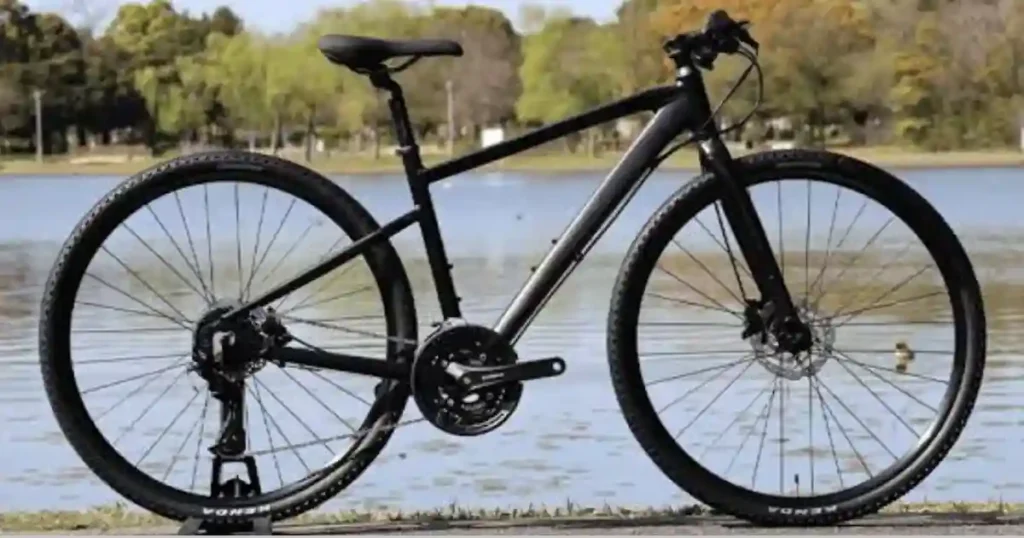
Flat handlebars give you easy steering and quick access to brake levers. An upright riding position keeps your neck relaxed and helps you see traffic ahead. Medium-width tires roll smoothly over cracks while absorbing road bumps. Practical gearing helps you spin up hills without straining your knees. Stable handling builds confidence on quick turns and busy paths. A versatile frame design lets you add racks or fenders whenever you need them.
+-------------------------------------------------------+
|               ROAD HYBRID BIKE ANATOMY                |
+-------------------------------------------------------+
|  1. Flat Handlebars (Upright posture & clear control)  |
|  2. Medium Tires (32mm–40mm for speed + smooth comfort)|
|  3. Versatile Frame (Mounts for racks and fenders)     |
|  4. Wide-Range Gearing (Easy climbing on steep hills)  |
+-------------------------------------------------------+
Hybrid bike vs road bike
Hybrid bikes use flat handlebars, while traditional road bikes use curved drop bars. Hybrids keep your body upright, but road bikes bend you forward for speed. Hybrid tires measure 32 mm to 42 mm wide for cushion, while road tires run 25 mm to 30 mm for low drag. Hybrid frames focus on stability, whereas road frames focus on sharp turns. Hybrids excel at daily comfort, while road bikes win on flat-out pavement speed.
Hybrid bike vs flat-bar road bike
A flat-bar road bike is built for pure speed on smooth pavement. It uses lighter road frames and narrower tires than a standard hybrid bike. Traditional hybrids use wider tires and offer a more upright stance for varied pavement. Choose a flat-bar road bike if you want maximum speed without drop handlebars.
Hybrid bike vs gravel bike
Gravel bikes feature drop handlebars and wide tire clearance for dirt roads. Hybrids use flat handlebars that keep steering simple on city streets. Road hybrids roll faster on smooth asphalt, while gravel bikes tackle deep dirt trails. Hybrids place you in an upright posture, whereas gravel bikes lean you slightly forward. Hybrid gears suit city hills, while gravel gears handle steep dirt climbs.
Is a road hybrid the right bike for you?
- Mostly pavement + comfort: Choose a classic hybrid bike.
- Pavement + speed: Pick a flat-bar road bike.
- Pavement + rough gravel: Choose a gravel bike.
- Fast long-distance pavement: Select an endurance road bike.

Start With How You Plan to Ride
Your daily route dictates which frame, tire, and gear setup works best for you.
Riding mainly on paved roads
Focus on smooth, efficient tires around 32 mm to 35 mm wide. Choose a comfortable geometry that lets you pedal for miles without back strain. Keep the bike light so acceleration feels quick and easy. Pick a moderate gear range to handle rolling hills effortlessly.
Commuting
Look for built-in frame mounts for cargo racks and full fenders. Choose reliable hydraulic or mechanical disc brakes for safe stopping in rain. Select durable puncture-resistant tires to prevent annoying flats on your way to work. Pick simple components that require minimal daily maintenance.
Fitness riding
Select narrow, efficient tires that roll fast on smooth asphalt. Choose a responsive aluminum frame that reacts instantly when you pedal hard. Look for suitable gearing that keeps your cadence smooth during fast workouts. Pick a lighter setup with a active riding position to build cardiorespiratory fitness.
Long rides
Prioritize a comfortable frame fit that prevents hand and neck fatigue. Look for frame clearance that supports wider, shock-absorbing tires. Ensure the frame includes multiple water bottle mounts for proper hydration. Choose smooth-shifting drivetrains that help you save energy over long distances.
Mixed pavement and light gravel
Choose a frame with generous tire clearance for 38 mm or 40 mm tires. Look for stable geometry that holds a steady line on loose dirt. Select tires with light side tread for extra grip in gravel turns. Use tough tire casings that resist sharp stones and thorns.
Ask yourself these five questions
- Where will I ride? Smooth city streets, bike paths, or rough back roads?
- How far will I ride? Short 3-mile commutes or 20-mile weekend fitness loops?
- How often will I ride? Once a week for fun or daily in all weather?
- Do I carry anything? A heavy work laptop, groceries, or just a water bottle?
- Do I care more about speed or comfort? Fast pavement cruising or relaxed upright sight-seeing?
Choose the Right Hybrid Bike Frame Size
A poorly fitted bike causes body pain and ruins your desire to ride. Getting the right size is step one.
Use the manufacturer’s size chart
Start by checking the official size chart for your specific bike model. Measure your total height and inner leg inseam with your shoes off. Match those numbers to the recommended frame size, usually listed in small, medium, or large. Review the frame geometry table if you fall between two sizes.
Don’t choose a frame by height alone
Height gives only a rough estimate of your true frame size. Long legs and a short torso mean you need a shorter frame reach. Long arms might require a longer stem or larger frame size. Body flexibility dictates how low your handlebars can sit comfortably. Your personal riding style also influences whether a smaller or larger frame feels best.
Standover height
Standover height measures the gap between the top tube and your crotch when standing flat-footed. You need at least one to two inches of clearance over a top tube. This space prevents injuries if you stop suddenly and step off the saddle. Standover clearance is important, but top tube reach matters more while pedaling.
+-------------------------------------------------------+
|                STANDOVER HEIGHT CHECK                 |
+-------------------------------------------------------+
|        [ Helmet Level ]                               |
|               |                                       |
|               | <-- Proper posture                    |
|          ( Crotch )                                   |
|              ||   <-- 1 to 2 inches clearance         |
|         ============== ( Top Tube )                   |
|              ||                                       |
|         [ Flat Feet ]                                 |
+-------------------------------------------------------+
Reach
Reach measures the horizontal distance from your saddle to the handlebars. Excess reach forces you to stretch your arms too far forward. Overreaching causes neck tightness, shoulder strain, and painful hand numbness. Correct reach keeps your arms slightly bent and your body relaxed.
Stack and riding position
Stack measures the vertical height from the bottom bracket to the head tube top. A higher stack height places handlebars higher for an upright posture. A lower stack drops the bars for a lower, wind-cheating position. Choose a high stack for comfort and a lower stack for speed.
What a good fit should feel like
- Relaxed shoulders without tension
- Slight, natural bend in your elbows
- Neutral wrists aligned with brake levers
- Stable hips that do not rock while pedaling
- Easy, unforced steering control
- Comfortable reach to the handlebars
Pick the Right Riding Position
Frame geometry shapes how your upper body balances over the pedals.
Upright hybrid position
An upright stance places your chest high to catch the view and watch city traffic. This position reduces pressure on your wrists, lower back, and neck. It works best for casual rides, short commutes, and urban bike paths. It sacrifices some speed due to wind resistance, but maximizes riding comfort.
Moderate forward position
A moderate position leans your torso forward at a slight 45-degree angle. This stance balances your weight evenly between your saddle and handlebars. It lets you pedal harder and ride faster without hurting your back. It is the ideal middle ground for fitness riders and daily commuters.
Aggressive position
An aggressive stance pulls your chest low toward the flat handlebars. This posture cuts through headwind to increase your speed on flat roads. However, it places extra stress on your wrists, core, and neck muscles. Beginners often find this position tiring on long rides.
Comfort vs speed
| Riding Stance | Main Advantage | Best For | Trade-Off |
| Upright | Maximum comfort & visibility | City casual riding | Higher wind resistance |
| Moderate | Balanced speed & comfort | Fitness & commuting | Minor wrist weight |
| Aggressive | Maximum aerodynamic speed | Fast paved riding | Extra body strain |
Choose the Right Tires for Road Riding
Tires affect ride comfort, rolling speed, and traction more than any other component.
Tire width
Tire width on hybrids typically ranges from 32 mm to 45 mm wide. Narrower 32 mm tires feel fast and light on smooth city streets. Versatile 35 mm tires balance low rolling drag with good shock absorption. Wide 40 mm tires soak up deep potholes and handle light gravel easily. Always verify your frame has enough tire clearance before upgrading tire sizes.
Narrower tires
Narrower 32 mm tires reduce total wheel weight for faster acceleration from stoplights. They roll smoothly on fresh asphalt with crisp steering response. However, they transmit more road buzz to your hands on rough pavement. They also require higher air pressure to prevent pinch flats.
Wider tires
Wider 38 mm tires hold a larger volume of air for a smoother ride. You can run lower air pressures to cushion your body over cracked roads. They offer a larger contact patch for superior grip in sharp turns. The minor weight gain is well worth the huge boost in ride comfort.
Slick vs treaded tires
Smooth, slick treads offer the best grip and lowest noise on dry asphalt. Water channels on road tires help push rain away on wet streets. Heavy off-road knobby treads add rolling resistance and noise on paved roads. Stick to smooth or semi-slick treads for road-focused hybrid riding.
Puncture protection
Puncture belt layers under the tread stop glass and thorns from piercing inner tubes. Heavy protection belts add rotating weight, which slows down acceleration slightly. Lightweight tires spin up fast, but leave you vulnerable to roadside flats. Commuters should choose tough puncture protection to stay on schedule.
Tire pressure matters too
Tire pressure shapes how your bike feels beneath you. Heavier riders and narrower tires require higher air pressures to prevent rim strikes. Lighter riders and wider tires run lower pressures for maximum cushion and traction. Check your tire sidewall for recommended pressure ranges, and adjust based on road quality.
Choose the Right Gearing
Look beyond gear count numbers and focus on getting a gear range that fits your terrain.
Low gears
Low gears make pedaling easy when climbing steep hills or carrying heavy cargo panniers. They allow your legs to spin fast without straining your knees on tough climbs. A good low gear keeps you moving forward into strong headwinds without stopping.
High gears
High gears allow you to keep pedaling smoothly when descending fast hills. They prevent your legs from spinning out on flat sprint sections. High gears help you maintain top speed during fast fitness workouts.
1x drivetrain
A 1x (one-by) system uses a single front chainring and a wide rear cassette.
- Advantages: Simple shifting with one lever, lighter weight, less chain drop, low maintenance.
- Drawbacks: Larger jumps between gears, slightly less total gear range on steep hills.
+-------------------------------------------------------+
|               DRIVETRAIN LAYOUTS                      |
+-------------------------------------------------------+
|  1x SYSTEM: Single front ring + Wide rear cassette    |
|  (Simple, clean, no front derailleur to adjust)      |
|                                                       |
|  2x SYSTEM: Double front ring + Tight rear cassette   |
|  (Smaller gear steps, wide total range for hills)     |
+-------------------------------------------------------+
2x drivetrain
A 2x system uses two front chainrings paired with a rear cassette.
- Advantages: Small gear steps for smooth cadence, broad gear range for all hills.
- Drawbacks: Two shift levers to operate, extra chainring weight, more derailleur tuning.
Shimano vs SRAM
Shimano and SRAM manufacture reliable drivetrains across all price ranges. Also, Shimano offers smooth, light-action shifting with widespread replacement part availability. SRAM provides crisp, tactile gear shifts with popular ultra-simple 1x setups. Choose based on shift feel preference rather than brand loyalty.
Choose the Right Brakes
Stopping power and brake control matter far more than shaving a few ounces off the frame.
Hydraulic disc brakes
Hydraulic disc brakes use fluid to push brake pads against a wheel rotor. They deliver maximum stopping power with minimal finger effort on the lever. They work consistently in heavy rain, mud, and grittiest city streets. Hydraulic systems require minimal adjustments, though bleeding fluid takes special tools.
Mechanical disc brakes
Mechanical disc brakes use standard steel cables to actuate the brake calipers. They offer better wet-weather stopping power than traditional rim brakes. They allow for simple roadside cable adjustments using basic Allen wrenches. However, they require more finger effort and more frequent pad adjustments than hydraulics.
Rim brakes
Rim brakes clamp rubber pads directly against the outer wheel rim. They feature a simple, lightweight design that keeps bike prices affordable. They provide good stopping power on dry asphalt roads. However, stopping distances increase on wet roads, and pads wear down rims over time.
Which brakes should a beginner choose?
- Choose hydraulic disc brakes for all-weather commuting, steep hills, and low hand effort.
- Choose mechanical disc brakes for budget-friendly all-weather riding and simple repairs.
- Choose rim brakes for dry casual riding on flat paved bike paths.
Look at the Fork and Frame Material
Frame materials and fork styles shape your bike’s weight, price, and road feel.
Aluminum frames
Aluminum is the most common material for modern hybrid bike frames. It builds lightweight, stiff frames that accelerate quickly when you pedal hard. Aluminum resists rust, making it great for rainy weather commuting. Advanced tube shaping allows manufacturers to build durable frames at accessible price points.
Carbon frames
Carbon fiber frames offer ultra-light weight and exceptional road damping. Also, Carbon absorbs high-frequency road vibrations before they reach your hands and saddle. This material allows designers to build stiff, fast frames for fitness riding. However, carbon frames cost significantly more and require careful handling to avoid impact cracks.
Steel frames
Steel offers a smooth, springy ride quality that absorbs rough road bumps naturally. It is exceptionally durable and easy to repair for long-distance touring. Steel frames weigh more than aluminum, but their classic look and ride feel have loyal fans.
Rigid fork vs suspension fork
Rigid forks use no moving parts, keeping your bike light and efficient on asphalt. Heavy suspension forks absorb large bumps on unpaved dirt trails. However, suspension forks bob up and down when pedaling hard on flat roads, wasting your energy. Stick with a rigid fork for efficient road riding.
Lockout
A suspension lockout lever freezes a fork’s movement at will. Locking the fork turns it rigid for fast, efficient climbing on smooth pavement. Unlocking it lets the fork absorb bumps when you hit rough cobbles or dirt paths.
Check the Bike’s Comfort Features
Small comfort details make a massive difference on rides lasting over thirty minutes.
Saddle
Select a saddle that supports your sit bones without rubbing your inner thighs. Wider saddles fit upright riding stances, while narrower saddles suit sporty forward postures. Do not assume plush gel cushions are best; firm saddles support sit bones better on long rides.
Handlebar
Handlebar width should match the natural width of your shoulders. A slight handlebar rise keeps your chest up for relaxed city cruising. Backwards sweep brings the grips closer to your hands for neutral wrist placement.
Grips
Ergonomic grips feature flat palm platforms that distribute hand weight evenly. They support your wrists to prevent ulnar nerve compression and finger numbness. Soft rubber compounds absorb road buzz before it reaches your arms.
Seatpost
A flexible aluminum or carbon seatpost bends slightly to absorb road shocks. Suspension seatposts use internal springs to cushion your sit bones over deep potholes. Proper seatpost height adjustment ensures full leg extension without rocking your hips.
Pedals
Flat platform pedals work great with standard street shoes or sneakers. Grip pins keep your feet locked on pedals during wet weather commuting. Clipless pedals attach directly to cycling shoes for maximum pedaling efficiency, but require practice to clip out safely.
Check Tire Clearance and Wheel Size
Frame clearance limits how wide your tires can grow in the future.
Tire clearance
Always choose a frame with extra room around the fork and rear stays. Ample clearance lets you install wider tires for rough winter roads. It leaves space for full-coverage fenders without trapping mud or road grit. Extra clearance gives your hybrid bike long-term setup flexibility.
700c wheels
700c is the standard wheel size for modern road and hybrid bikes. This larger diameter rolls smoothly over small cracks and holds momentum well on flat pavement. It offers the largest selection of replacement tires and inner tubes in bike shops.
Smaller wheel options
650b (27.5-inch) wheels use a slightly smaller rim diameter paired with extra-wide tires. This combination maintains the same overall rolling diameter as a narrow 700c setup. Smaller wheels accelerate quickly and fit smaller frame sizes without toe overlap.
Don’t confuse wheel size with tire width
Wheel size (like 700c) describes the rim diameter where the tire mounts. Tire width (like 35 mm) measures how wide the inflated tire expands across its tread. A 700c wheel can mount thin 28 mm tires or wide 42 mm tires, provided your frame has enough clearance.
Look for Useful Mounting Points
Built-in frame mounts turn a simple sports bike into a practical daily vehicle.
+-------------------------------------------------------+
|               FRAME MOUNT LOCATIONS                   |
+-------------------------------------------------------+
|  1. Down Tube & Seat Tube: Water Bottle Cages         |
|  2. Rear Stays & Dropouts: Cargo Rack Mounts          |
|  3. Fork Legs & Bridge: Full Fender Eyelets           |
|  4. Top Tube: Direct-Mount Storage Bags               |
+-------------------------------------------------------+
Bottle cage mounts
Threaded frame eyelets hold water bottle cages securely inside the front triangle. Look for at least two bottle mounts on your frame for longer fitness rides. Adequate hydration keeps your energy high on hot summer days.
Rack mounts
Rear frame eyelets allow you to bolt on heavy-duty aluminum cargo racks. Racks hold pannier bags to carry work clothes, laptops, or groceries off your back. Keeping cargo off your shoulders eliminates back sweat and fatigue.
Fender mounts
Dedicated fender eyelets let you install full-coverage rain fenders. Fenders block dirty road spray from soaking your shoes, pants, and back. They keep you clean during wet morning commutes.
Frame bag compatibility
An open main frame triangle accommodates velcro-mounted frame bags. These bags store tools, spare tubes, wind jackets, and snacks within easy reach. They distribute gear weight low on the frame for stable handling.
Choose a Road Hybrid Bike Based on Your Route
Matching your bike build to your local street quality makes every ride smoother and faster. Smooth asphalt demands lightweight efficiency, while cracked city streets call for wider tires and strong disc brakes. Use this route-based setup guide to select the right components for your roads.
| Riding Surface | Bike Setup to Consider | Main Priority |
| Smooth pavement | Efficient 32–35 mm tires | Speed |
| Mixed city pavement | 35–40 mm tires | Comfort + control |
| Rough pavement | 38–45 mm tires if compatible | Comfort |
| Bike paths | Medium-width tires | Versatility |
| Light gravel | Wider tires + clearance | Stability |
| Long paved rides | Efficient tires + broad gearing | Endurance |
| Daily commuting | Durable tires + mounts | Reliability |
Compare Bike Specifications Before Buying
Reading specification sheets helps you spot quality components before spending your money.
Frame
Verify the frame material, total bike weight, and geometry measurements. Look for internal cable routing to keep brake lines protected from rain and dirt. Ensure the frame size matches your height and inseam guidelines.
Drivetrain
Check the front chainring sizes and rear cassette tooth counts. Look for brand-name shifters and derailleurs from Shimano or SRAM. Ensure the lowest gear ratio is easy enough for your steepest local hills.
Wheels and tires
Check whether the wheel rims use strong double-wall aluminum construction. Look for puncture-resistant tires from reputable brands. Confirm total tire clearance space around the frame and fork.
Brakes
Identify whether the bike uses hydraulic disc, mechanical disc, or rim brakes. Check rotor sizes on disc brakes; 160 mm rotors offer great stopping power. Ensure brake levers feature reach adjustments for smaller hands.
Contact points
Inspect the stock saddle shape, grip ergonomics, and pedal construction. Budget for swapping out the saddle or pedals if stock items do not fit your body. Quality contact points transform ride comfort instantly.
Road Hybrid Bike Features That Matter Most
Understanding feature importance stops you from overpaying for flashy marketing specs. Use this priority guide to spend your budget where performance gains matter most.
| Feature | Importance | Why It Matters |
| Correct frame size | Very high | Fit and control |
| Tire clearance | Very high | Tire choice |
| Comfortable geometry | Very high | Long-ride comfort |
| Gear range | High | Hills and wind |
| Brakes | High | Control |
| Tire quality | High | Speed and comfort |
| Mounting points | Medium–High | Commuting and touring |
| Frame material | Medium | Weight and ride feel |
| Fork type | Medium | Route-dependent |
| Number of gears | Medium | Range matters more than count |
Set Your Budget Before Shopping
Establishing a clear spending limit prevents impulse buying and keeps your focus on fit.
Entry-level hybrid bikes
Entry-level hybrids ($500–$800) offer sturdy aluminum frames and basic 2x or 3x drivetrains. They typically feature mechanical disc or rim brakes and reliable steel forks. They deliver great value for short commutes and casual weekend neighborhood rides.
Mid-range bikes
Mid-range hybrids ($800–$1,400) deliver the sweet spot of performance, weight, and price. You get smooth hydraulic disc brakes, lightweight carbon forks, and clean 1x or 2x drivetrains. Stock tires roll faster, and frame welds feature cleaner finishing.
Premium hybrid bikes
Premium hybrids ($1,400+) feature ultra-light carbon frames or high-grade aluminum construction. They include top-tier hydraulic brakes, tubeless-ready carbon wheels, and high-end shifting systems. These bikes suit performance fitness riders who want road-bike speed with flat handlebars.
Don’t spend more just to get more gears
A 24-speed bike is not automatically better than an 11-speed 1x drivetrain. Many gear combinations overlap on 3x systems, offering few unique ratios. Focus on getting a wide overall gear range rather than a high total gear count.
Test Ride a Road Hybrid Bike Before Buying
A proper test ride reveals how a bike handles, fits, and stops in real conditions.
Test the frame size
Ensure you can stand comfortably over the top tube with flat feet. Check that your arms reach the handlebars without locking your elbows straight. Verify the seatpost adjusts high enough for full leg extension.
Test the riding position
- Are your shoulders relaxed and down away from your ears?
- Are your wrists resting neutrally on the grip platforms?
- Is your back comfortable, or are you reaching too far forward?
Test the brakes
Squeeze the brake levers gently to feel initial pad bite and modulation. Apply firm lever pressure to test panic-stopping power on flat pavement. Ensure the levers do not pull all the way back against the handlebars.
Test the gears
Shift through every gear while pedaling under light foot pressure. Listen for smooth chain movement without clicking or hesitation. Test front chainring shifts on 2x systems to ensure smooth operation.
Test the steering
Turn through tight circles at slow speeds to check for toe clearance against the front tire. Ride faster in a straight line to verify high-speed frame stability. Make quick swerves to feel how responsively the bike changes direction.
Take a real test ride, not a parking-lot wiggle
Ask the shop staff if you can ride outside the parking lot for ten minutes. Find a route with smooth pavement, small bumps, sharp turns, and a short hill. Testing the bike on real terrain confirms whether it handles your daily route.
How to Choose Between Popular Hybrid Bike Types
Matching the bike style to your main intent keeps your buying decision simple.
Fitness hybrid
- Best for: Fast workout rides, cardio training, smooth paved roads.
- Features: Lightweight frame, rigid carbon fork, narrower 32 mm tires, sporty moderate position.
Comfort hybrid
- Best for: Relaxed park cruising, casual neighborhood trips, upright sight-seeing.
- Features: Plush wide saddle, high handlebars, upright geometry, wide shock-absorbing tires.
Commuter hybrid
- Best for: Daily utility riding, carrying cargo, rain commuting.
- Features: Built-in cargo racks, rain fenders, durable puncture-resistant tires, hydraulic disc brakes.
Performance hybrid
- Best for: Long weekend road rides, fast sports riding, maximum speed.
- Features: Premium ultra-light frame, high-end 1x drivetrain, fast-rolling road tires, aggressive geometry.
Road Hybrid Bike vs Road Bike
Choosing between flat bars and drop bars is one of the biggest decisions you will make.
Choose a hybrid if you want
- Upright riding comfort and clear traffic visibility
- Wide flat handlebars for simple, stable control
- Versatile tire clearance for rough city streets
- Easy mounting options for cargo racks and fenders
- An affordable, multi-purpose bike for mixed riding
Choose a road bike if you want
- Drop handlebars with multiple hand positions for long rides
- Higher riding speeds with aerodynamic forward positioning
- Lightweight frame builds optimized for fast climbing
- Dedicated road geometry for sharp, fast cornering
Select an endurance road bike if
- Most of your rides take place on paved roads
- You plan to pedal long distances over 30 miles
- You want multiple hand positions to prevent hand fatigue
- Speed and pedaling efficiency are top priorities
Don’t buy a road bike just because it looks faster
A fast road bike feels awful if your back hurts from an overly aggressive drop-bar stance. If you spend your whole ride in discomfort, you will stop riding altogether. Choose the bike style that feels comfortable right now.
Common Mistakes When Choosing a Road Hybrid Bike
Avoid these common beginner traps when picking out your new hybrid bike.
Choosing by appearance
Never buy a bike simply because you love its paint color or frame shape. A gorgeous bike that causes back pain will sit unused in your garage. Always prioritize fit, frame size, and comfort over cosmetics.
Buying the wrong size
Buying an ill-fitting frame because it is on sale is a costly mistake. You cannot fix a frame that is too large or too small by adjusting the saddle. Always insist on getting the correct frame size for your body.
Focusing on gear count
Do not assume a 21-speed bike is superior to a modern 10-speed 1x setup. Total gear range matters far more than the number of speed steps listed on the spec sheet.
Ignoring tire clearance
Buying a bike with tight frame clearance prevents you from installing wider tires later. Look for generous frame clearance so you can adjust tire sizes as your riding changes.
Buying suspension for smooth roads
Heavy suspension forks add unnecessary weight and bobbing motion on smooth pavement. Skip suspension forks unless you frequently tackle unpaved dirt trails.
Ignoring rack and fender mounts
Commuters who skip frame eyelets end up forced to wear heavy backpacks in summer heat. Ensure your frame has dedicated mounting eyelets for racks and fenders.
Buying the lightest bike possible
Shaving two pounds off a frame build costs significant extra money. For recreational riding, comfort, durable tires, and suitable gearing matter far more than overall weight.
USA Expert Advice on Choosing a Hybrid Bike
Relying on established cycling wisdom keeps your bike purchase grounded in real riding performance.
Bike fit before component upgrades
As veteran cycling coach Jim Rutberg notes, getting a precise bike fit optimizes comfort, pedaling efficiency, and body mechanics. Investing in proper saddle position and handlebar reach delivers better performance gains than upgrading shift levers. A well-fitted entry-level bike outperforms an ill-fitting carbon model on every ride.
Choose the bike for your actual roads
Match your tire width and frame geometry to the street surfaces you ride daily. Smooth asphalt favors light 32 mm tires, while cracked urban streets call for 38 mm tires and disc brakes. Selecting gear for real-world roads prevents premature component wear and improves handling.
Avoid invented expert quotes
Base your buying choices on verified engineering principles rather than flashy sales claims. Tested safety standards, accurate geometry charts, and official manufacturer specifications provide reliable guidance for picking your ride.
How to Choose a Road Hybrid Bike Step by Step
Follow this clear, step-by-step process to select your ideal road hybrid bike.
+-------------------------------------------------------+
|               9-STEP BUYING PROCESS                   |
+-------------------------------------------------------+
|  1. Define Main Use   --> 2. Measure Height/Inseam    |
|  3. Select Position   --> 4. Pick Tire Width          |
|  5. Choose Gear Range --> 6. Select Brakes            |
|  7. Verify Mounts     --> 8. Take Test Ride           |
|  9. Compare Package   --> Final Purchase              |
+-------------------------------------------------------+
Step 1 — Define your main use
Decide whether your bike will serve primarily for daily commuting, fitness workouts, casual weekend cruising, or long paved road rides.
Step 2 — Measure yourself
Measure your height and inner leg inseam accurately. Compare your measurements against official manufacturer size charts to find your frame size.
Step 3 — Pick your riding position
Select an upright stance for casual comfort, a moderate posture for fitness riding, or an aggressive position for top speed.
Step 4 — Choose tire width
Select 32 mm tires for fast smooth asphalt, 35 mm tires for general city riding, or 38mm+ tires for rough roads and gravel paths.
Step 5 — Choose your gear range
Pick a simple 1x drivetrain for flat and rolling terrain, or a 2x system for steep hills and varied landscapes.
Step 6 — Choose your brakes
Select hydraulic disc brakes for all-weather commuting, mechanical discs for budget versatility, or rim brakes for dry path cruising.
Step 7 — Check mounts
Verify the frame includes necessary eyelets for water bottle cages, cargo racks, rain fenders, or frame bags.
Step 8 — Test ride
Ride the bike over real pavement, bumps, and inclines to evaluate frame reach, shift quality, and braking response.
Step 9 — Compare the complete package
Evaluate frame fit, component quality, stock tires, warranty coverage, shop assembly service, and final price before buying.
Road Hybrid Bike Buying Checklist
Use this scan-friendly checklist to review key details before handing over your credit card.
Before buying
- Frame size matches height and inseam guidelines
- Handlebar reach feels comfortable without arm strain
- Riding position suits your flexibility and goals
- Frame clearance allows for wider tires if needed
- Stock tire width matches local road conditions
- Gear range includes low gears for local hills
- Brakes provide adequate stopping power
- Water bottle mounts present on frame
- Rack eyelets present for cargo panniers
- Fender mounts present for rain protection
- Saddle supports sit bones comfortably
- Test ride completed on real pavement
Before paying
- Does this bike fit my body comfortably right now?
- Does the tire build suit the actual roads I ride daily?
- Can I source replacement tubes, tires, and brake pads locally?
- Does the bike shop include complimentary initial tune-ups or fit help?
- What warranty coverage applies to the frame and components?
- Can I install wider tires or fenders on this frame later?
Frequently Asked Questions About Choosing a Road Hybrid Bike
What is the best hybrid bike for road riding?
The best hybrid bike fits your body size, matches your daily road surfaces, provides appropriate gear range, and stays within your budget.
Is a hybrid bike good for long road rides?
Yes, hybrid bikes perform exceptionally well on long paved rides when properly fitted and equipped with efficient tires and comfortable contact points.
What tire size is best for a road hybrid bike?
Tire widths between 32 mm and 38 mm offer the ideal balance of fast rolling speed, road grip, and shock absorption for most paved road conditions.
How many gears should a hybrid bike have?
Focus on overall gear range rather than total gear count. A modern 10-speed 1x system often delivers as much usable range as an older 24-speed bike.
Are disc brakes better on a hybrid bike?
Disc brakes deliver superior stopping power in wet weather and require less finger effort than rim brakes, making them ideal for commuting and steep hills.
Is a lighter hybrid bike better?
A lighter bike accelerates faster and climbs hills with less effort, but correct frame fit, tire quality, and gearing matter more for everyday comfort.
Should I choose a hybrid or road bike?
Choose a hybrid bike for upright comfort, flat handlebars, and urban versatility. Choose a road bike if top speed, drop bars, and aerodynamic efficiency are your main goals.
Do I need suspension on a road hybrid bike?
No, rigid forks perform better on paved roads by saving weight and transferring all your pedaling energy directly into forward momentum.
Is a flat-bar hybrid good for fitness?
Yes, a flat-bar hybrid offers an excellent workout platform that builds cardiorespiratory fitness without forcing you into an aggressive drop-bar posture.
How much should I spend on a hybrid bike?
Set your budget based on your riding frequency. $800 to $1,200 delivers the best balance of durable components, hydraulic disc brakes, and lightweight frame builds.
Final Road Hybrid Bike Decision Table
Use this practical decision table to align your primary riding goals with the right bike features.
| If Your Priority Is… | Look For… | Avoid Over-Focusing On… |
| Comfort | Upright geometry, suitable tires | Lowest weight |
| Speed | Efficient tires, road-focused geometry | Extra accessories |
| Commuting | Rack/fender mounts, durable tires | Race-style parts |
| Long rides | Fit, gearing, comfort | Gear-count marketing |
| Rough roads | Tire clearance, wider tires | Very narrow tires |
| Hills | Low gearing | Highest top gear |
| Wet riding | Reliable brakes, suitable tires | Cosmetic features |
| Versatility | Mounts + tire clearance | Specialized race geometry |
Final Recommendation
Choosing the right road hybrid bike comes down to matching the frame fit and tire build to your actual daily routes. From my years navigating city streets on hybrid bikes, prioritizing frame comfort, reliable disc brakes, and wide tire clearance delivers the best riding experience. Get your frame size right first, focus on a comfortable handlebar reach, and pick a wide gear range for local hills. Start with these essential elements, and you will enjoy a fast, comfortable ride every time you hit the road.

Ehatasamul Alom is a dedicated road hybrid bikes expert. With over 15 years of experience, he helps people find the perfect ride. He began his journey as a bike mechanic. He learned the ins and outs of every bike.
Ehatasamul Alom holds a Master's degree in Mechanical Engineering from a Brown University (Providence US 02912), where he specialized in material science and bicycle kinematics. His master's thesis focused on optimizing frame geometry for road hybrid bikes to improve rider comfort and efficiency.
Ehatasamul has an extensive professional background. He spent 10 years (2010-2020) as a Senior Bike Designer at "Urban Cycles," a leading bicycle manufacturer. In this role, he led the development of several award-winning road hybrid bikes, which are known for their durability and performance. He later served (2020-2024) as the Head of Product Development at "Gear Up," a company specializing in high-end cycling components. There, he developed innovative parts and accessories specifically for road hybrid bikes.
Over the years, Ehatasamul has become an authority on Roadhybridbikes. He understands their design and function. His work focuses on making bikes easy to use. Ehatasamul believes everyone should enjoy cycling. He writes guides that are simple to read. His passion for road hybrid bikes is clear. His goal is to share his knowledge with everyone. He wants to see more people on two wheels. His advice is always practical and easy to follow.
- Ehatasamul Alom

- Ehatasamul Alom
- Ehatasamul Alom

- Ehatasamul Alom