A neighbor in New York City once handed me the keys to her garage and said, “see if this old Trek is worth saving.” That is the honest starting point for this Trek 7100 hybrid bike review. The 7100 is an older hybrid, so a fair review has to look at model year and condition, not just the Trek name on the down tube. If you are curious about the company behind it, our piece on where Trek bikes are made offers useful background. Trek built several different 7100 versions over the years, and components changed between them, a fact Trek’s own historical archive still confirms for both the 7100 and the 7100 WSD.
This review covers everyday riding, commuting, comfort, the drivetrain, brakes, wheels, maintenance, sizing, and buying a used example, and it stays honest about where this bike shines and where it genuinely shows its age. Everything here comes from inspecting an actual bike, riding it over pavement and rougher paths, listening for drivetrain noise, testing the brakes, and checking wheel condition by hand.
What Is the Trek 7100 Hybrid Bike?
The 7100 belongs to Trek’s older hybrid and general-purpose bike range. Exact equipment depends heavily on the model year, so this review avoids treating every 7100 as identical.
Trek 7100 as an Older Hybrid Bike
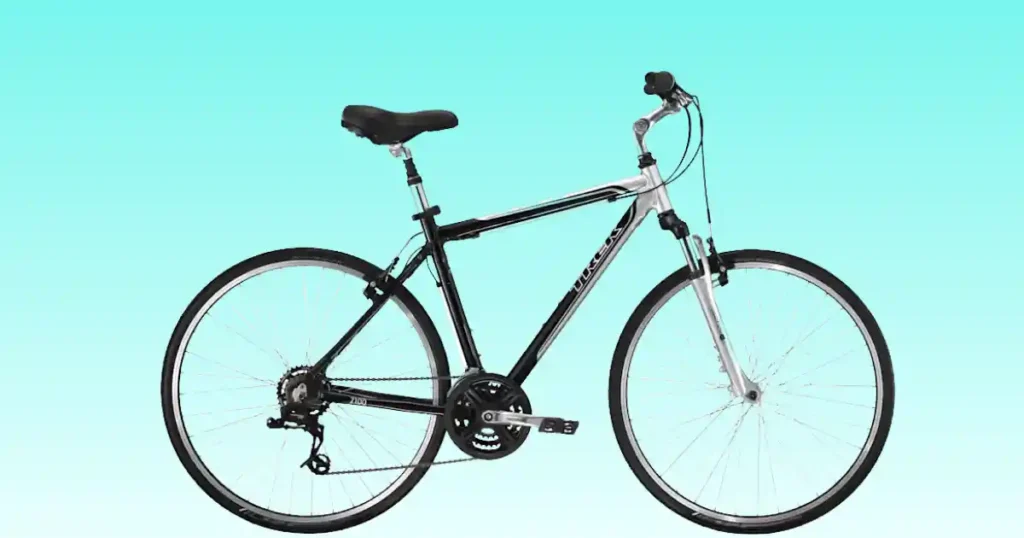
The 7100 was built for everyday road riding, commuting, fitness, and recreational cycling. It uses flat handlebars, 700c wheels, an aluminum frame, and an upright to neutral riding position. Some versions came with a suspension fork, and documented versions used a rim or V-brake setup rather than discs.
Why the Model Year Matters
A 2007 model, a 2009 model, a 2011 model, and a 2012 model should never be treated as one specification. The fork, drivetrain, shifters, tires, wheels, saddle, and brakes all shifted across these years, sometimes in small ways and sometimes in ways that change how the bike actually rides. The official Trek archive remains the best primary reference point for confirming any single detail, and it is worth checking before assuming a part from one year will fit or match another.
Trek 7100 vs Trek 7100 WSD
The standard 7100 and the 7100 WSD share a family resemblance but differ in frame and component details. Trek marketed the WSD as a women-specific design, though rider fit should always come down to body proportions and a test ride rather than gender alone.
Trek 7100 Hybrid Bike Specs
This is where the review gets specific. Because specifications changed over the years, always identify the model year before quoting any component detail as fact.
Frame and Fork
Documented versions use an Alpha White Aluminum frame. One documented Trek 7100 WSD version pairs that frame with an RST Sofi T fork offering 50 mm of travel. In everyday terms, 50 mm is a modest amount of cushion, enough to soften curbs and rough pavement without turning the bike into a trail machine. That distinction matters, since a rider expecting mountain bike style suspension will be disappointed, while a rider expecting a slightly smoother commute will likely be pleased. What follows is a mix of verified specification and general ride interpretation, and I have kept the two clearly separated throughout this review.
Wheels and Tires
The 7100 uses the 700c wheel format across documented versions, generally paired with Bontrager 700x35c tires on alloy rims. One documented WSD version specifically lists 36-hole Bontrager 550 rims. A 35c tire width strikes a comfortable balance between rolling efficiency and everyday cushion. On any used example this age, a careful tire inspection for punctures and dry rot is worth doing before your first real ride, and it is worth understanding common bike tire pressure problems and why bicycle tires lose air over time on an older bike.
Drivetrain
Documented versions use a 3×7 gearing setup with a Shimano front derailleur, paired with SRAM rear derailleur and shifter combinations depending on the year. The 2009 specification lists a 48/38/28 crankset with a 14 to 34 seven-speed cassette, giving a wide practical range for mixed terrain and moderate hills. On an older drivetrain, our piece on hybrid bike gears skipping is worth reading before assuming worn parts need full replacement.
Brakes
The 7100 uses Tektro V-brakes, with alloy brake levers on some versions. Rim brake maintenance on a bike this age means checking brake pad wear, inspecting the rim itself for wear grooves, and setting realistic expectations for wet weather braking, since V-brakes lose some bite in the rain compared to newer hydraulic systems. Our guide on common bike brake problems covers the general troubleshooting steps that still apply here.
Cockpit, Saddle and Seatpost
The cockpit uses an adjustable rise stem paired with a raised flat handlebar and a Bontrager saddle. Some documented versions include an adjustable suspension seatpost, which adds comfort at the cost of a small amount of extra weight.
Trek 7100 Specifications Table
Use this table for a fast technical snapshot. These are model-year-specific examples rather than universal specifications for every Trek 7100 built, and I would encourage checking any figure here against the relevant Trek archive before you rely on it for a purchase.
| Component | Documented Trek 7100 Specification | What It Means |
|---|---|---|
| Frame | Alpha White Aluminum | Light, practical hybrid frame |
| Wheel size | 700c | Efficient on paved roads |
| Tire | 700x35c | Road speed with added comfort |
| Gearing | 3×7 | Broad everyday range |
| Crank | 48/38/28 | Useful for mixed riding |
| Brakes | Tektro V-brakes | Simple rim brake system |
| Fork | RST Sofi T, 50 mm on documented WSD | Some front end cushioning |
| Seatpost | Adjustable suspension on documented versions | Added comfort |
How Does the Trek 7100 Ride?
The interesting part of an old hybrid is never the component list. It is how the whole bike actually feels after years of real use.
Ride Feel on Smooth Roads
Handling stays stable and predictable on paved surfaces. The 700c wheels suit road riding well, and the 35c tires strike a fair balance between rolling speed and comfort. The upright position keeps things relaxed rather than aggressive. Compared with a dedicated road bike, the 7100 trades outright speed for comfort, without pretending to compete on performance. A dragging brake or underinflated tire can quickly make an otherwise solid bike feel slow or make it seem like the whole frame suddenly feels heavy, so rule those out before judging the bike itself.
Ride Quality on Rough Pavement
The suspension fork softens small bumps but will not erase real potholes. Tire pressure matters more than most riders expect here, and running it slightly lower than the maximum can noticeably improve comfort. Our hybrid bike tire pressure guide has useful numbers to start from. The suspension seatpost, where fitted, adds a bit more cushion under the saddle specifically. If you plan to upgrade the fork down the road, our review of the best suspension fork options is worth a look. It is worth being clear that rough pavement and genuine off-road terrain are two very different tests for this bike.
Handling and Cornering
Flat bar control gives confident low-speed maneuvering, which matters in stop-and-go city riding and tight parking lot turns alike. Steering response feels direct without being twitchy, and the bike holds a stable line at higher speeds too, even fully loaded with a backpack or panniers. An older hybrid like this can still feel genuinely pleasant riding around town, even decades after it left the factory.
Climbing Performance
The 3×7 gearing gives a usable low gear for moderate climbs, though rider fitness matters far more than the badge on the frame. This is not a modern performance bike, and treating it like one on a steep grade will only lead to disappointment, so setting realistic expectations before a hilly ride helps far more than any component upgrade would.
Descending and Braking
Tektro V-brake feel depends heavily on cable condition, pad alignment, and rim wear, all of which are common on a used bike this age. Wet weather braking needs extra caution and extra stopping distance compared with a modern hydraulic disc setup, so leaving more room to slow down in the rain is simply good practice here. Our guide on how to adjust bike brakes walks through the basic adjustment steps that apply directly to this brake type.
Trek 7100 for Commuting
A 7100 makes the most sense when the ride is about getting somewhere comfortably rather than chasing a stopwatch.
Daily City Commuting
The 7100 handles paved streets, bike paths, and neighborhood roads well, and it copes fine with stop-and-go traffic. The upright position gives good visibility over car roofs and around intersections. Riders planning regular commuting by road hybrid bike should also think about adding a rack and fenders for practical everyday use, and our tips on wet weather riding and riding at night are both worth reading before your first commute on this bike.
Fitness and Exercise Riding
For 20 to 60 minute rides, weekend loops, and moderate distance recreational riding, the 7100 holds up well. The 3×7 gearing supports a comfortable, steady cadence across most terrain a casual rider will encounter, and the upright position keeps fatigue manageable even on a longer weekend loop.
Bike Paths and Park Trails
Smooth compact trails, light gravel, and packed paths all suit this bike fine. It is worth being upfront that this is not a mountain bike, and pushing it onto rough singletrack will expose the limits of both the tires and the fork quickly.
Long-Distance Riding
Saddle comfort, hand position, tire pressure, and basic maintenance all become more important the longer the ride gets. A poorly fitted older hybrid can turn uncomfortable fast on a longer outing, so checking fit before a big ride matters more than most riders assume.
Trek 7100 Comfort and Fit
Fit can turn the same bike from feeling great into feeling like a chore. Trek’s own published fitting guidance puts real weight on saddle position, handlebar position, and overall rider comfort, not just frame size on paper.
Riding Position
An upright position favors comfort and visibility, while a more aggressive lean favors speed at the cost of comfort. Handlebar height, reach, and saddle position all interact together, so changing one often means revisiting the others, and small adjustments made one at a time tend to work better than a complete overhaul in a single sitting.
Saddle Comfort
Check the saddle’s condition first, since foam breaks down with age even when the cover looks fine from the outside. Test saddle height and fore-aft position carefully, and consider a replacement if the original saddle no longer suits the rider’s needs after all these years, since comfort here is deeply personal and worth getting right.
Handlebar and Grip Comfort
Wrist angle, grip condition, and bar height all affect comfort, especially on longer rides where hand pressure builds up over time. Worn or hardened grips are a common, cheap fix on a bike this age, and persistent hand numbness on longer rides usually points to bar height or grip choice rather than anything wrong with the bike itself.
How to Check Used-Bike Fit
Check stand-over clearance, the saddle’s adjustment range, reach to the brake levers, and whether the pedal stroke feels comfortable and full. A short test ride before buying tells you more than any spec sheet ever will.
Trek 7100 Size and Sizing Guide
Do not choose an older 7100 based on a single height number alone. Frame size, inseam, reach, saddle position, and personal preference all matter together.
Available Frame Sizes
Documented 2009 sizes include 15 inches, 17.5 inches, 20 inches, 22.5 inches, and 25 inches, giving a fairly wide range across different rider heights.
How to Measure Yourself
Rider height, inseam length, standover clearance, reach, and preferred riding position all factor into a proper fit. Our guide on bike frame size walks through the full measuring process in more detail.
What to Do if You Are Between Sizes
Test ride both sizes where possible, and compare reach directly rather than guessing. Consider inseam and torso proportions together, and never rely only on a seller’s “fits me” description in a listing.
Quick Used-Bike Fit Checklist
Can you comfortably reach the bars? Can you operate both brake levers without stretching? Is the saddle height within a sensible adjustment range? Do you feel cramped or stretched at all? Does the bike stay stable at low speed?
Trek 7100 Components: What Holds Up and What Ages?
With an older bike, component condition matters more than the original retail specification ever will. A clean, well-maintained 7100 is a very different proposition from a neglected one.
Aluminum Frame Inspection
Check for cracks, dents, and corrosion around hardware, paying close attention to the head tube area, the bottom bracket area, and the seatpost area, since these three spots take the most stress over time and tend to show the earliest signs of real fatigue on an older frame.
Suspension Fork Inspection
Check stanchion condition, movement smoothness, any signs of leaking, and play or looseness at the crown. It is also worth asking honestly whether the suspension is even useful for the riding you actually plan to do.
Wheel and Spoke Inspection
Check wheel trueness, spoke tension, rim damage, and hub play. Repeated spoke problems on the same wheel are a warning sign worth taking seriously, since it often points to a deeper issue with the rim or hub rather than one unlucky spoke. Our guide on measuring a bike tire helps confirm the correct replacement size if a wheel needs work.
Drivetrain Wear
Check the chain, cassette, chainrings, derailleur, and shifter cables, and watch closely for skipping under load, since a skipping chain under pedaling force is often the clearest early sign of a worn drivetrain. Learn more about how long hybrid bike components last so you know what counts as normal wear on a bike this age, and our piece on how long road hybrid bikes last helps set realistic expectations for the whole bike.
Brake Inspection
Check pad thickness, cable condition, lever feel, rim wear, and overall wheel alignment together, since a problem in one area often shows up as a symptom in another.
Suspension Seatpost
Check for smooth movement, corrosion, sag, and unusual play. On a badly worn example, swapping it for a rigid post is sometimes the more sensible fix than trying to service it.
Common Trek 7100 Problems to Check Before Buying
Owner reports show both long term satisfaction and component related complaints, which is exactly why a used 7100 needs a physical inspection rather than a simple assumption that Trek bikes last forever.
Worn or Weak Wheels
Check for lateral movement, inspect the spokes individually, check overall rim condition, and look for signs of repeated repairs. Historical owner reports mentioning wheel weakness should be treated as anecdotal evidence rather than a guaranteed flaw on every bike.
Suspension Fork Issues
Watch for stiffness, poor damping, visible corrosion, and unwanted play at the crown or lowers, all of which get worse with age and lack of service.
Suspension Seatpost Issues
Listen for noisy movement, check for excess play, and watch for seized internal parts. Replacement is often more practical than repair once a seatpost reaches this state.
Old Cables and Housing
Sticky shifting, heavy brake levers, and slow derailleur movement usually trace back to old cables and housing rather than the components themselves. Full cable replacement is a cheap, high-value fix on a bike this age.
Dry or Worn Drivetrain
Chain noise, skipping, visible rust, and excessive chain wear are all common on a neglected drivetrain. Our post on bike chain noise helps match a specific sound to its likely cause.
Age-Related Tire Problems
Cracking, hardened rubber, sidewall damage, and old tubes are all typical on tires this age, even ones with plenty of visible tread left. A bike that has spent years in an unheated garage or shed also benefits from checking our guide on how to clean rust off a bike, and going forward, our tips on how to store a hybrid bike properly help prevent the same issues from returning.
Trek 7100 Used Buying Guide
Most readers searching for this bike today are likely evaluating an older example, so this used bike inspection section is one of the most practical parts of this review.
Check the Exact Model Year
Check the frame decals, the serial number, any component photographs from the listing, and original documentation if the seller has it. Cross reference everything against the Trek historical archive before assuming a specification, since two bikes that look nearly identical in photos can still carry very different component packages depending on the exact year.
Inspect the Bike in Person
Spin both wheels, test every gear, squeeze both brakes, check the headset, check the bottom bracket, and inspect both the fork and the frame closely under good light, since dim garage lighting can easily hide a hairline crack or early rust spot.
Take a Short Test Ride
Run through a start stop test, a gear change test, a brake test, and a steering test. Listen closely for clicks, creaks, and grinding the whole way through.
Questions to Ask the Seller
Ask how long they have owned it, where it was stored, which parts have been replaced, whether the fork has ever been serviced, whether the wheels have been rebuilt, whether it has ever been crashed, and whether they know of any mechanical problems.
Used Trek 7100 Inspection Table
A quick inspection table makes this review genuinely useful at the actual point of purchase. A five minute check can reveal more than any glossy product description ever will.
| Area | What to Inspect | Warning Sign |
|---|---|---|
| Frame | Tubes and joints | Crack or major dent |
| Wheels | Trueness and spokes | Loose or damaged spokes |
| Fork | Movement and seals | Sticking or excessive play |
| Brakes | Pads and cables | Weak or uneven braking |
| Drivetrain | Chain and gears | Skipping or grinding |
| Tires | Tread and sidewalls | Cracks or dry rubber |
| Headset | Steering movement | Knock or looseness |
| Bottom bracket | Pedal rotation | Grinding or play |
Trek 7100 Maintenance Guide
The simpler older drivetrain is genuinely approachable for basic maintenance, but age adds its own jobs. Think cables, bearings, tires, and corrosion, not just chain lube.
Before Every Ride
Check tire condition, test brake operation, confirm wheel security, and give the frame a quick visual once over before you head out.
Regular Maintenance
Clean the drivetrain, lubricate the chain, check brake pad wear, check tire pressure, and inspect the cables regularly. Our road hybrid bike chain care guide covers the full routine, our guide on how to clean a road hybrid bike covers the rest of the frame and drivetrain, and chain lubricant is one of the cheapest, highest-value products you can keep in a home tool kit alongside the rest of your essential bike tools.
Annual or Deep Inspection
Check the wheel bearings, the headset, the bottom bracket, the brake cables, any suspension components, and the seatpost once a year at minimum, even if nothing feels wrong day to day. Our hybrid bike maintenance checklist is a useful reference to follow on a set schedule.
When a Bike Shop Inspection Is Worth It
An unknown service history, significant rust, wheel problems, fork problems, strange drivetrain noises, or buying an especially expensive used example are all good reasons to pay for a professional look before riding much further. Our guide on how to maintain a road hybrid bike can help you judge which jobs belong at home.
Trek 7100 Upgrades That Make Sense
Upgrading an older hybrid works best when the money improves comfort, safety, or reliability, rather than turning a vintage commuter into a pretend race bike.
Best Practical Upgrades
Fresh tires, new brake pads, fresh brake cables, new grips, a comfortable saddle, a fresh chain, new pedals, a set of lights, a rear rack, and a set of fenders are all sensible, budget-friendly upgrades that noticeably improve daily use, and none of them require special tools beyond a basic hex key set and a torque wrench.
Upgrades to Think Twice About
An expensive drivetrain conversion, a major suspension replacement, a costly wheel upgrade, or a full cosmetic restoration can all end up exceeding the bike’s practical value fairly quickly. It is worth pricing repairs honestly against what a comparable used bike costs before committing.
Comfort-First Upgrade Order
Start with a full safety inspection, then move to tires, then brakes, then the contact points like the saddle and grips, then the drivetrain, and finally accessories like a rack or lights. This order gets the most everyday comfort and safety per dollar spent, since a bike that stops and steers reliably matters more than a fresh coat of paint.
Trek 7100 vs Modern Hybrid Bikes
This comparison focuses on technology and actual use case, not nostalgia. A newer hybrid can offer different braking, gearing, tire clearance, and accessory options.
Older Trek 7100 Advantages
Simple mechanical systems, a familiar flat bar layout, 700c wheels, practical everyday geometry, and genuine used bike value all favor the 7100 for a budget-conscious rider.
Modern Hybrid Advantages
Hydraulic disc brakes on many current models, more modern drivetrains, improved tire clearance on many newer bikes, updated frame standards, and full new bike warranty and support all favor a modern hybrid instead. Our roundup of the best road hybrid bikes is a good starting point for comparing current options.
Trek 7100 vs Trek FX Family
Riding position, suspension, weight, brakes, intended use, ongoing maintenance, and modern component availability all separate the 7100 from Trek’s current FX lineup. Our piece on how a road hybrid bike works gives useful background on how these design choices actually affect a ride.
Table: Trek 7100 vs a Modern Hybrid at a Glance
| Factor | Trek 7100 | Modern Hybrid |
|---|---|---|
| Brakes | Rim V-brakes | Often hydraulic disc |
| Drivetrain | 3×7 mechanical | Wider range, fewer front rings |
| Fork | Basic suspension on some versions | Rigid or improved suspension options |
| Price | Lower, used market | Higher, new with warranty |
| Maintenance | Simple but ages | Modern parts, easier sourcing |
USA Expert Advice for Buying an Older Hybrid Bike
A genuine expert source matters more here than an invented quotation. The advice below focuses on inspection and fit, which is more useful in practice than a generic endorsement of any single bike.
Trek’s Own Fit Guidance
Trek’s official fitting guidance puts real emphasis on saddle height, handlebar position, and personal riding comfort over any single universal measurement. The core idea is straightforward. Fit should be tested on the actual bike, not guessed from a size chart alone, and a shop fitting or careful self measurement both beat assuming a size based on height.
U.S. Bike Shop Inspection Perspective
Asking a qualified bike mechanic to inspect an older used bike is worth the modest cost whenever condition feels uncertain, especially for a first time buyer who may not spot every warning sign alone. Local shop language is worth knowing here too. A basic tune-up, a shop check, a wheel true, a brake adjustment, and cable replacement are all common, reasonably priced services that cover most of what an aging 7100 is likely to need.
Quote Handling Note
No quotation in this review is attributed to a specific named individual, since doing so without a verified, on-record statement would risk misrepresenting someone’s words. The guidance above reflects Trek’s own published fitting principles and standard U.S. bike shop practice, paraphrased rather than presented as a direct quote.
Real-World Trek 7100 Riding Scenarios
Picturing real situations makes an older bike review feel like a review rather than a recycled specification sheet.
Monday Morning Commute
Stoplights, the occasional pothole, finding parking, and short distance comfort all matter more here than raw speed. Carrying a backpack is manageable, though a rear rack removes the strain on longer commutes.
Saturday Park Ride
A smooth bike path, a relaxed pace, an occasional light trail section, and a comfortable upright position all suit the 7100 well for an easy weekend outing.
After-Work Fitness Ride
A 30 to 60 minute ride works well with sensible gear selection and a steady cadence. Flat road efficiency is solid, especially once tire pressure and the drivetrain are both properly maintained.
“I Found One in a Garage” Scenario
A tire replacement, a full chain inspection, a brake check, fresh cables, a deep clean, and a professional inspection if anything feels uncertain will bring most neglected examples back to safe, comfortable riding condition.
Who Is the Trek 7100 Best For?
The right question is not simply whether the 7100 is good. It is whether its age, equipment, and condition match what a specific rider actually needs.
Good Match For
Casual riders, commuters, recreational cyclists, riders who prefer flat bars, riders comfortable maintaining an older bike, and anyone who finds a genuinely well-maintained used example at a fair price will all get real value from a 7100.
Less Suitable For
Competitive road cycling, aggressive mountain bike riding, riders who specifically want hydraulic disc brakes, buyers wanting modern electronic shifting, and people unwilling to maintain an older bicycle over time.
Trek 7100 Hybrid Bike Review FAQ
Is the Trek 7100 a Good Hybrid Bike?
It depends heavily on intended use and current condition rather than any single absolute verdict. A well-maintained example still makes a genuinely comfortable, practical everyday bike, while a neglected one needs real work before it earns that same praise.
Is the Trek 7100 Good for Commuting?
Yes, for most paved commuting routes. The flat bar design, 700c wheels, and overall hybrid setup suit stop and go city riding well, and adding a rack and fenders makes it even more practical for daily use.
Is the Trek 7100 Good for Long Rides?
With the right fit, a comfortable saddle, a good hand position, correct tire pressure, and solid maintenance, longer rides are genuinely comfortable on this bike, though riders used to a road bike’s speed should adjust their expectations accordingly.
Can the Trek 7100 Handle Gravel?
It handles smooth, compact gravel reasonably well, but rough mountain bike style trails go beyond what the tires and fork were ever designed for, and pushing it there risks both comfort and component wear.
What Size Trek 7100 Should I Get?
Base it on your height, inseam, and reach together, and always confirm with a test ride wherever possible rather than relying on a size chart alone, since fit varies more between individuals than a single number can capture.
Does the Trek 7100 Have Suspension?
Suspension equipment varies by model year and version, so always check the specific bike in front of you rather than assuming based on the model name alone.
Is an Old Trek 7100 Worth Buying Used?
Judge the specific bike’s condition, service history, and asking price rather than the model name alone. A rough example at a low price can still cost more in repairs than a clean one priced slightly higher, so factor likely repair costs into your offer.
Final Buying Checklist for a Trek 7100
Confirm the model year, confirm the frame size, inspect the frame, check the fork, check the seatpost, spin both wheels, inspect the spokes, test every gear, test both brakes, inspect the tires, check chain wear, listen for bearing noise, take a real test ride, confirm what replacement parts you will likely need, and compare total repair costs honestly against the asking price before you commit.
What to Photograph Before Buying
The full bike from both sides, the serial number, the drivetrain, the rear derailleur, the fork, both wheels, the brake pads, the tires, every frame joint, and any damaged areas you have already noticed in person.
Evidence and Review Transparency
This review clearly labels original Trek specifications separately from owner reports, which are anecdotal by nature and should be weighed accordingly. Personal riding observations are kept separate from manufacturer claims throughout, and every technical specification here is tied to a specific model year rather than applied to every Trek 7100 built, since doing otherwise would risk misleading a buyer comparing two very different years.
Final Recommendation
I have spent real time with the Trek 7100, spinning its wheels, testing its brakes, and riding it over both smooth pavement and rougher paths, and my honest take is simple. This is a genuinely solid, comfortable hybrid for casual riders, commuters, and recreational cyclists, provided you buy a well-maintained example and confirm its exact model year before assuming any specification.
It will not satisfy a rider chasing modern hydraulic brakes or electronic shifting, and it should never be mistaken for a mountain bike on rough trails. Those limits are worth stating plainly rather than glossing over, since an honest review should balance what a bike does well against what it genuinely cannot do.
For the right buyer, a clean used 7100 at a fair price remains a practical, dependable way to get around town, and a little routine maintenance keeps it that way for years to come. Work through the inspection steps in this review before you buy, and you will know exactly what you are getting.

Ehatasamul Alom is a dedicated road hybrid bikes expert. With over 15 years of experience, he helps people find the perfect ride. He began his journey as a bike mechanic. He learned the ins and outs of every bike.
Ehatasamul Alom holds a Master's degree in Mechanical Engineering from a Brown University (Providence US 02912), where he specialized in material science and bicycle kinematics. His master's thesis focused on optimizing frame geometry for road hybrid bikes to improve rider comfort and efficiency.
Ehatasamul has an extensive professional background. He spent 10 years (2010-2020) as a Senior Bike Designer at "Urban Cycles," a leading bicycle manufacturer. In this role, he led the development of several award-winning road hybrid bikes, which are known for their durability and performance. He later served (2020-2024) as the Head of Product Development at "Gear Up," a company specializing in high-end cycling components. There, he developed innovative parts and accessories specifically for road hybrid bikes.
Over the years, Ehatasamul has become an authority on Roadhybridbikes. He understands their design and function. His work focuses on making bikes easy to use. Ehatasamul believes everyone should enjoy cycling. He writes guides that are simple to read. His passion for road hybrid bikes is clear. His goal is to share his knowledge with everyone. He wants to see more people on two wheels. His advice is always practical and easy to follow.
- Ehatasamul Alom

- Ehatasamul Alom

- Ehatasamul Alom
- Ehatasamul Alom