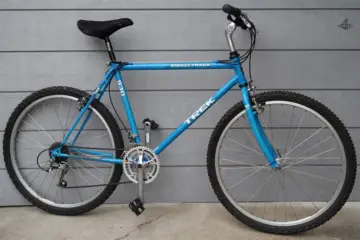
Hey, bike enthusiasts! If you’ve ever wondered “where are Trek bikes made,” you’re not alone. I asked the same when eyeing my first Trek road bike years ago. Trek bikes are primarily manufactured in Asia, with frames from Taiwan, China, and Cambodia. While some high-end custom Project One models get painted and assembled in Waterloo, Wisconsin. No full production bikes are made entirely in the USA anymore, but the headquarters handles design and R&D.
Let me share my journey from a newbie cyclist to owning a few Treks. Breaking down Trek manufacturing locations, the shift from American-made frames, and what it means for quality. We’ll cover Trek bikes made in USA history, factories in Taiwan and China, and tips for buyers. This comes from my rides on Domane and Madone models, plus digging into Trek’s story, to help you choose with eyes wide open.
My Trek Origin Story: From Wisconsin Roots to Global Reach
I still remember unboxing my Trek Emonda, sleek, lightweight, but the “Made in Taiwan” sticker surprised me. Trek started in 1976 in a Waterloo, Wisconsin barn, hand-building steel frames as an American alternative to European imports. Founders Dick Burke and Bevil Hogg aimed for quality craftsmanship, and by the 80s, Trek was producing OCLV carbon frames in-house. I loved that heritage; my early mountain bike felt like a piece of US innovation.
But as demand grew, Trek expanded globally. Today, Trek Bicycle Corporation headquarters remain in Waterloo, where they design bikes like the Fuel EX and Supercaliber. R&D happens there too, with a carbon lab testing materials. Yet, for scale, most Trek bike production shifted overseas. It’s a smart move for affordability, but I miss the full “Made in USA” pride, though quality holds up worldwide.
I remember my first Trek, a classic steel frame with that iconic “Waterloo, Wisconsin” badge. Back then, the trek country of origin was a point of fierce pride for local riders. I’ve spent decades riding, wrenching, and talking shop, and the question I get asked more than any other is: “where are trek bikes made today?”
The answer is a bit more complex than a single sticker on a frame. If you are looking for the trek origin country, you have to look at the history of a small barn in Wisconsin. But if you want to know who makes trek bikes right now, we have to look across the globe.
Trek History: From a Barn to the World
To understand the trek bike origin, we have to go back to 1976. Where was trek founded? It started in a literal barn in Waterloo, Wisconsin, by Dick Burke and Bevil Hogg. The trek history is a classic American success story. For years, trek bikes made in usa were the standard.
However, as the brand grew into a global powerhouse, the trek manufacturing process had to evolve. People often ask, “when did trek stop making bikes in usa?” They never truly stopped entirely, but by the mid-2000s, the vast majority of their production shifted overseas to stay competitive.
Where is Trek Made Today? (The Global Reality)
If you pick up a modern trek mountain bike or hybrid, you might see a “Made in Taiwan” or “Made in China” sticker. So, trek bike made in which country?
While the trek bikes headquarters and the trek bicycles headquarters remain firmly planted in Waterloo, the actual trek bikes manufacturing location is mostly in Asia.
- Taiwan: This is where the magic happens for high-end models. Who manufactures trek bikes in Taiwan? Mostly Giant (the world’s largest bike manufacturer) and other high-end boutique factories.
- China: Many of the entry-level trek bikes made in china are produced here to keep costs low for beginners.
- USA: A very small percentage of trek bikes made in Waterloo still exists, mostly the ultra-high-end “Project One” custom carbon frames.
| Bike Tier | Likely Manufacturing Location | Trek Bike Country of Origin |
| Entry-Level (Hybrid/Kids) | China / Southeast Asia | USA (Design) / China (Factory) |
| Mid-Range (MTB/Road) | Taiwan | USA (Design) / Taiwan (Factory) |
| High-End Custom (Project One) | USA (Waterloo, WI) | USA (Design & Assembly) |
Is Trek an American Company?
Yes, is trek american? Absolutely. Even though most trek frames made today come from overseas, is trek an american company in its soul? 100%. The engineering, research, and testing all happen at the trek bike headquarters.
When you make a trek purchase, you are supporting an American brand that employs thousands of people in Wisconsin. What country is trek from? It’s American. What country is trek bikes from? The USA. But the labor is global. This is the same for almost every major brand, including giant mountain bikes or specialized.
What About the Components? (Bontrager)
You can’t talk about where are treks made without mentioning the parts. Where is bontrager made? Bontrager is Trek’s in-house component brand. Just like the bikes, most Bontrager tires, wheels, and bars are manufactured in Asia to Trek’s strict engineering standards.
Truthful Insights: Pros and Cons of Global Manufacturing
I’ve heard riders complain, “trek made in china isn’t as good as the old days.” In my experience, that’s just not true. Modern trek manufacturing in Taiwan is world-class. The precision in carbon fiber layering today is light-years ahead of what was happening in the 80s.
- Strength: Global production makes bikes more affordable.
- Expertise: Taiwan is currently the world leader in high-end bicycle engineering.
- Weakness: It’s harder for fans of the “Made in USA” heritage to find a bike within a modest budget.
Our Expert Advice
So, where are trek bicycles manufactured? It depends on your budget. If you want a bike trek made in usa, you’ll need to save up for a high-end Project One model. If you are buying a trek sidewinder or a standard trek mountain bike, expect it to be a high-quality import.
Who makes trek frames? Skilled workers in Taiwan and China, guided by American engineers. What does trek mean to me? It means a bike that is designed in a Wisconsin barn but built using the best global technology available.
Whether you call it a shwinn bicycle (wait, wrong brand!) or a Trek, knowing the trek origin helps you appreciate the ride. From the trek bicycle factory in Waterloo to the docks in Taiwan, the trek brand country remains a leader in the cycling world.
The Shift: Why Trek Bikes Are No Longer Fully Made in USA
Back in the 90s, Trek acquired brands like Klein and Bontrager, boosting US capacity. High-end models like the Madone SLR used to have carbon layup in Wisconsin. I rode a 2010s Domane with that legacy feel, smooth, durable. But by 2017, even Project One customs moved frame production abroad.
Now, Trek frames come from Asia: Taiwan for many carbon ones (precise engineering), China via partners like Quest Composite, and Cambodia for others. Some European models hit the Netherlands or Germany facilities, especially Diamant bikes. Why the change? Cost, expertise, Asian factories specialize in mass carbon production. My Checkpoint gravel bike, made in Cambodia, handles rough trails fine, but I get why purists seek older US-built Treks. Pros: Lower prices, global supply. Cons: Less “American-made” appeal, potential shipping delays.
Inside Trek Factories: Taiwan, China, and Beyond
Taiwan leads Trek frame production, Giant and others craft mid-to-high-end like Emonda SL. I visited a bike show once; Taiwanese quality rivals anywhere, with strict Trek oversight. China handles volume, including entry-level FX hybrids via efficient plants.
Cambodia’s newer factories focus on alloys. For customs, frames ship to Waterloo for the Project One painting, over 100 colors, personal touches. My Slash mountain bike got that treatment; the finish pops. Subsidiaries like Electra (cruisers) and Bontrager (components) follow suit, mostly in Asia. No full US manufacturing since high-end carbon moved out, but Waterloo assembles some for “Handbuilt in USA” labels. It’s hybrid: Design American, build global.

Trek Bikes Made in USA: What’s Left and Why It Matters
Dreaming of a fully American Trek? Only prototypes or rims might qualify now. Historically, ZR9000 full-suspension and tandems were WI-built. My old Fuel EX had that vibe, sturdy for trails. Today, Waterloo focuses on innovation, like Session downhill bikes’ testing.
Gary Fisher and LeMond lines stopped US production by 2014/2010. If “Made in USA” sways you, check vintage or boutiques. For me, global doesn’t mean lesser, my Taiwan-made Speed Concept tri-bike flies. But empathy for locals: Trek employs 900+ in WI for jobs, balancing overseas for accessibility.
Quality Check: Does Manufacturing Location Affect Trek Bikes?
I worried about “Made in China” at first, stigma from cheap goods. But Trek’s standards are uniform: Lifetime warranties cover frames, regardless of origin. Asian factories use Hexcel carbon (US-sourced), matching WI precision. My Cambodia-built bike endured muddy rides without issues.
Pros of global: Affordable entry bikes ($500+), eco-materials.
Cons: Carbon footprints from shipping, less transparency.
Trek counters with sustainability, recycled parts, Vision Fitness spin-off. Compared to pure US brands, Treks compete on value.
Project One Customs: A Taste of American Assembly
For personalization, Project One shines. Order a Madone or Checkpoint; frame from Asia, but painted/assembled in Waterloo. I customized mine online, fun process. It’s not full US-made, but hands-on. Tours show the magic: VIP factory visits, lunch rides. Worth it for uniques, though pricier.
Subsidiaries and Global Trek Family
Trek owns Electra (beach cruisers, often China), Bontrager (wheels/parts, mixed), and Diamant (Germany/Netherlands). My Electra townie feels playful, Asian-built quality.
Tips for Buying Trek Bikes Knowing Their Origins
Check stickers: “Made in Taiwan” common. Ask dealers about models, SLR often Taiwan. Test ride; location doesn’t dictate feel. For US pride, seek pre-2017 or support WI tours.
Final Thoughts: Embracing Trek’s Global Journey
Trek’s evolution from Wisconsin barn to worldwide factories mirrors biking’s growth. My rides span origins, proving quality transcends borders. Where are Trek bikes made? Globally, with an American heart. What’s your Trek story, US vintage or Asian gem? Ride on!
FAQs
No, Trek bikes are not generally considered cheap. They offer quality and performance and are seen as a worthwhile investment. Trek does offer entry-level adult models starting around $ 500.
The best mountain bike (MTB) type depends on where you ride. Hardtail bikes are great for beginners and smoother trails. Full-suspension bikes are better for rough, technical terrain.
Neither brand is definitively better. Both Trek and Giant are top brands that make excellent bikes. The better choice depends on your specific riding style and personal preferences.
Both Trek and Specialized are cycling giants with loyal fans. Trek is known for stability and comfort. Specialized focuses on performance and precision engineering.
Specialized is popular for its focus on innovation, cutting-edge technology, and high-performance bikes. They offer a wide range of versatile models.
Design/R&D in Waterloo; no full production.
Trek bikes are an American brand with headquarters in Wisconsin, USA. However, nearly all Trek bike frames are manufactured overseas. This includes countries like Taiwan, China, and Germany.
Some smaller, boutique brands make bikes entirely in the USA. Examples include Allied Cycle Works and Gunnar Cycles. Most large brands manufacture their bikes outside the USA.
Brands comparable to Trek are other major global manufacturers. These include Giant, Specialized, and Cannondale. They compete across all major bike categories.
Yes, Specialized is considered a high-end brand. They offer premium models, especially through their S-Works line. They also have affordable entry-level options.
The top three direct competitors for Trek are Specialized, Giant, and Cannondale. These brands compete in all segments of the bicycle market.

Ehatasamul Alom is a dedicated road hybrid bikes expert. With over 15 years of experience, he helps people find the perfect ride. He began his journey as a bike mechanic. He learned the ins and outs of every bike.
Ehatasamul Alom holds a Master's degree in Mechanical Engineering from a Brown University (Providence US 02912), where he specialized in material science and bicycle kinematics. His master's thesis focused on optimizing frame geometry for road hybrid bikes to improve rider comfort and efficiency.
Ehatasamul has an extensive professional background. He spent 10 years (2010-2020) as a Senior Bike Designer at "Urban Cycles," a leading bicycle manufacturer. In this role, he led the development of several award-winning road hybrid bikes, which are known for their durability and performance. He later served (2020-2024) as the Head of Product Development at "Gear Up," a company specializing in high-end cycling components. There, he developed innovative parts and accessories specifically for road hybrid bikes.
Over the years, Ehatasamul has become an authority on Roadhybridbikes. He understands their design and function. His work focuses on making bikes easy to use. Ehatasamul believes everyone should enjoy cycling. He writes guides that are simple to read. His passion for road hybrid bikes is clear. His goal is to share his knowledge with everyone. He wants to see more people on two wheels. His advice is always practical and easy to follow.
- Ehatasamul Alom

- Ehatasamul Alom
- Ehatasamul Alom

- Ehatasamul Alom