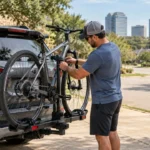

Rolling into the office in Minneapolis, Minnesota, dry, on time, and without your shoulders aching, comes down to picking the right bike setup before you ever swing a leg over it. A road hybrid bike for commuting daily needs to hit a very specific sweet spot: fast enough for real roads, comfortable enough for five or six days a week, and practical enough to survive rain, traffic, and a laptop bag. Often called a fitness hybrid or a flat-bar road bike, this style sits between a traditional road bike and a comfort or utility hybrid. This guide walks through exactly what makes a hybrid good for daily commuting and which features are genuinely worth paying for, based on years spent helping riders build commuter setups that actually hold up.
Is a Road Hybrid Bike Good for Daily Commuting?
A good commuter bike shouldn’t just be quick. It should feel comfortable at eight in the morning, stay useful in traffic, stay easy to maintain, and hold up when the weather turns ugly.
Why road hybrids work well for commuting
Efficient 700C wheels, faster-rolling tyres, flat handlebars, and an upright riding position all combine to make traffic riding feel manageable. Easy shifting, good visibility, accessory mounts, and lower maintenance than many performance bikes round out the appeal. Current hybrid-bike guidance from REI highlights the combination of road, mountain, and touring features, while BikeRadar describes hybrids as particularly suited to commuting and everyday riding.
Who should consider one?
Daily office commuting, college commuting, short urban trips, errand riding, bike-to-work schemes, mixed pavement and cycle paths, and weekend fitness rides all suit this bike style well.
Who may want something else?
Consider another bike if you ride very long distances every day, race competitively, carry very heavy loads, regularly ride rough trails, need electric assist, or need a folding bike for train travel.
What “daily commuting” really means
Use patterns vary widely, from two to three miles each way, to five to ten miles, to ten or more miles daily. Riding five days a week, year-round commuting, and dry-weather-only commuting all call for slightly different priorities.

Road Hybrid vs Road Bike for Daily Commuting
This comparison matters because many buyers get stuck between a fast hybrid and a drop-bar road bike.
Road hybrid advantages
Easier flat-bar controls, a more upright position, wider tyres, easier accessory mounting, and comfort in stop-and-go traffic make hybrids a popular beginner choice.
Road bike advantages
A lower aerodynamic position, drop-bar hand positions, higher potential speed, and better long-distance efficiency favor performance-focused riders.
Which is better for city traffic?
Frequent stops, traffic lights, cars, pedestrians, potholes, shared paths, and tight turns all favor the flat-bar control and upright visibility of a hybrid.
Which is better for a 10 to 20 mile commute?
Rider fitness, route, hills, traffic, riding speed, and road surface can matter more than the label on the frame at this distance.
Road hybrid vs road bike comparison table
Choosing between these two styles comes down to matching the bike to your actual commute rather than chasing spec sheets.
| Feature | Road hybrid | Road bike |
|---|---|---|
| Riding position | More upright | More aggressive |
| Handlebar | Flat | Drop |
| Comfort | High | Moderate to High |
| Speed potential | High | Very high |
| Traffic control | Easy | Takes practice |
| Rack or fender options | Often excellent | Model dependent |
| Beginner friendliness | High | Moderate |
| Long-distance road riding | Good | Excellent |
What Features Matter Most in a Daily Commuter Hybrid?
Don’t buy based on the gear count alone. For daily commuting, several small details matter far more.
Frame material and weight
Aluminium, steel, and carbon each trade off weight, durability, and ride feel differently. Theft concerns and carrying the bike upstairs both deserve consideration too, a factor worth weighing against the guidance in our road hybrid bike buying guide.
Geometry and riding position
Look for moderate reach, a comfortable stack height, an upright torso position, stable handling, and easy mounting and dismounting in traffic.
Flat handlebars
Control, visibility, brake access, shifter access, comfort, and bar width all shape how confident a bike feels in daily traffic.
700C wheels
This wheel size rolls efficiently, offers a wide tyre selection, stays easy to find replacement parts for, and performs smoothly on paved roads.
Tyre width
Widths from 28 to 32 mm feel fast, 35 to 38 mm balance speed and comfort, and 40 to 45 mm favor comfort and grip. Narrower tyres feel quicker, while wider tyres add comfort and confidence. Current hybrid-bike guides note that wider tyres are common because they provide confidence across varied surfaces, a topic explored further in our tire pressure guide.
Semi-slick vs fully slick commuter tyres
Rolling resistance, wet grip, puncture protection, gravel capability, noise, and comfort all differ meaningfully between these two tyre styles.
Choose the Right Gears for Your Daily Commute
More gears don’t automatically mean a better commuter bike. The useful question is whether the gearing matches your route.
1x drivetrain
A single chainring setup is simple, shifts easily, needs less front-derailleur maintenance, and keeps the cockpit clean, though it may offer larger gaps between gears and less overall range.
2x drivetrain
A double chainring setup offers a wider gearing range and smaller jumps between gears, useful for varied terrain, though it adds components, shifting complexity, and front-derailleur maintenance.
What gearing works for flat cities?
Options like 1×8, 1×9, 1×10, 2×8, 2×9, and 2×10 all handle flat commutes comfortably, following the same shifting principles covered in how to shift gears smoothly.
What gearing works for hills?
A low climbing gear, wide cassette range, appropriate chainring size, and honest rider fitness all matter more than the total gear count.
Don’t chase the gear-count number
Eleven gears aren’t automatically better than eight for a short urban commute, and extra gears mean extra maintenance without always adding real-world benefit.
Are Disc Brakes Worth It for Daily Commuting?
Braking matters more than shaving a few hundred grams from the bike, a point our bike brake problems guide covers in more depth.
Mechanical disc brakes
Simple, easy to understand, cable-operated, and easier to maintain at home, though they involve cable friction, occasional adjustment, and a less refined lever feel.
Hydraulic disc brakes
Strong braking, better modulation, less hand effort, and excellent wet-weather performance come at the cost of more complexity and pricier specialist service when bleeding is needed.
Rim brakes
Lightweight, simple, and cheap to maintain, though rim wear and variable wet-weather performance make them less ideal for some commuting conditions.
Which brakes make sense for year-round commuting?
Rain, hills, heavy traffic, cargo weight, and constant stop-start riding all push the case toward hydraulic disc brakes for daily use.
Why Rack and Fender Mounts Matter More Than You Think
A bike that carries your laptop and keeps road spray off your trousers can be a much better commuter than a lighter bike without either feature.
Rear rack mounts
Panniers, laptop bags, groceries, work clothes, and small cargo all rely on a solid rear rack mount. REI specifically notes that racks are useful for commuting and errands, with panniers often added separately.
Fender mounts
Rain, puddles, wet roads, and winter grime all become far more manageable with proper fenders. REI describes fenders as particularly important for wet-weather commuting because they reduce road spray.
Bottle-cage mounts
One bottle, two bottles, a tool bottle, or even a coffee bottle mount all add practical daily convenience.
Frame mounts
Top-tube bosses, fork mounts, rack bosses, and fender eyelets all signal a frame built with commuting in mind.
Why mounting points are better than improvised straps
Stability, better load distribution, a cleaner setup, less rubbing, and better long-term durability all favor proper mounts over improvised straps.
Build a Daily Commuter Setup Around the Bike
The bike is only half the system. The rest is what gets you to work without arriving soaked, hungry, or covered in road grit.
Essential commuter gear
A helmet, a front light, a rear light, a lock, a pump, a spare tube, tyre levers, and a multi-tool cover the basics. REI’s commuting checklist identifies the bike and helmet as the two essentials, then recommends items such as a lock, repair kit, lights, and storage depending on the commute. A reliable floor pump and a compact multi-tool belong in every commuter’s bag.
Useful daily upgrades
A rear rack, panniers, fenders, a bell, a mirror, a bottle cage, and a phone mount all add meaningful daily convenience over time.
Weather gear
A waterproof jacket, rain trousers, gloves, shoe covers, spare clothes, and quick-dry layers all keep a wet commute from becoming a miserable one.
Backpack vs panniers
A backpack is simple and easy to carry but can leave your back sweaty, while panniers keep weight off your shoulders and suit heavier work gear better, provided you have a compatible rack.
How to Choose Tyres for Daily Road Commuting
Tyres are one of the easiest ways to change how a commuter bike feels, a topic covered further in our road hybrid bike tire replacement guide.
Puncture-resistant tyres
Reinforced casings, puncture belts, and Kevlar protection all reduce flats at a small weight cost, worth pairing with a set of tyre levers for quick roadside fixes.
Tyre width for city roads
Smooth pavement, broken asphalt, bike paths, gravel, and potholes all deserve consideration before settling on a width.
Tyre pressure
Rider weight, tyre width, cargo weight, road surface, and temperature all influence the ideal pressure, a detail explored fully in our tire pressure guide.
When wider is better
Rough roads, broken pavement, gravel paths, heavier riders, and comfort-focused commuters all benefit from a wider tyre choice.
Avoid the “hardest tyre wins” mistake
Maximum pressure isn’t automatically the fastest or most comfortable choice, since overinflated tyres can actually increase rolling resistance on rough pavement.
The Best Road Hybrid Bike Setup for Different Commutes

This section helps readers match a setup to their exact daily distance and conditions.
Best setup for a 3-mile daily commute
Comfort, reliability, easy locking, lights, and simple gearing matter most at this short distance.
Best setup for a 5 to 10 mile commute
Efficient tyres, good fit, a rack, panniers, hydraulic brakes, and fenders become worthwhile investments at this range.
Best setup for a 10 to 20 mile commute
A lightweight frame, efficient tyres, better gearing, precise fit, multiple hand positions if desired, and saddle comfort all matter more as distance grows.
Best setup for rainy commuting
Full fenders, disc brakes, puncture-resistant tyres, waterproof storage, and reliable lights make wet commutes far more bearable.
Best setup for hills
A low climbing gear, wide-range cassette, comfortable overall gearing, and strong brakes matter most on hilly routes.
Best setup for mixed road and gravel
Wider tyres, stable geometry, disc brakes, frame protection, and rack or fender mounts all help on mixed-surface commutes.
Road Hybrid Bike Commuting Cost and Value
A cheap bike can become expensive if you immediately need to replace its tyres, rack, lights, and other basics.
Entry-level commuter setup
The bike itself, a helmet, lights, a lock, a pump, and a repair kit cover the essential starting point.
Mid-range commuter setup
Better tyres, hydraulic brakes, a rack, panniers, fenders, and improved lights build meaningfully on the entry-level setup.
Premium commuter setup
A lightweight frame, carbon fork, premium drivetrain, hydraulic brakes, integrated lights, a dynamo hub, and belt drive represent the top end of commuter builds.
Spend money on the parts you actually use
Fit, tyres, brakes, rack and fender mounts, lights, reliability, and drivetrain upgrades deserve priority over cosmetic extras.
Road Hybrid Bike Commuting Comparison Table
A commuter bike should match the route, not impress your neighbour at the coffee shop. Use this table to compare the features that actually change a daily ride.
| Feature | Basic commuter | Better daily setup | Premium setup |
|---|---|---|---|
| Frame | Aluminium | Lightweight aluminium | Carbon or aluminium |
| Tyres | 35 to 40 mm | 32 to 40 mm puncture-resistant | Premium fast-rolling |
| Brakes | Rim or mechanical disc | Hydraulic disc | Premium hydraulic |
| Gearing | 1×8 | 1×9 or 10, or 2x | Wide-range premium |
| Rack mounts | Preferred | Yes | Integrated or compatible |
| Fender mounts | Preferred | Yes | Yes |
| Lights | Add-on | Rechargeable | Dynamo or integrated |
| Storage | Backpack | Rack plus panniers | Full commuter system |
How to Choose the Right Size and Fit
A great commuter bike that fits badly will still feel like a bad bike, so this step deserves real attention alongside our road hybrid bike sizing guide.
Check frame size
Use a manufacturer size chart, your height, inseam, reach, and intended riding position together. REI recommends using manufacturer sizing information and a test ride where possible.
Check saddle height
Look for a slight knee bend, stable hips, no rocking, and comfortable leg extension at the bottom of each pedal stroke.
Check handlebar reach
You shouldn’t feel stretched, cramped, too upright, or excess pressure on your hands while riding in your normal position.
Test ride before buying
Spend enough time to notice shoulder tension, wrist pressure, saddle comfort, steering feel, brake reach, and how easy mounting and dismounting feel.
USA Expert Advice for Choosing a Daily Commuter Bike
Eric Korndorffer, a Seattle-area REI cycling specialist, and Peter Kane, a cycling expert and sales specialist at REI’s Redmond, Washington store, both contribute regularly to REI’s published cycling guidance.
Prioritize the whole commuting system
The bike, the route, the weather, storage, security, repairs, and clothing all work together as one system rather than as separate purchases.
Don’t buy for the perfect sunny day
A commuter bike that’s brilliant at 72 degrees and useless in rain isn’t really a daily commuter at all. Fenders, lights, suitable tyres, and proper storage turn a fair-weather bike into a genuine year-round tool.
Real-life U.S. scenario
It’s 7:20 in the morning in Seattle. The road is wet, the coffee is already cooling, and there’s a laptop in your bag. This is exactly where a rack, a pannier, and full fenders stop feeling like accessories and start feeling like survival gear.
Road Hybrid Bike Maintenance for Daily Commuters
Daily use means small maintenance jobs matter more than they would on a weekend-only bike, following the same principles in our road hybrid bike maintenance checklist.
Check before every ride
Tyre pressure, brakes, chain condition, wheels, and lights all deserve a thirty second glance before you roll out.
Weekly maintenance
Cleaning the drivetrain, lubricating the chain, checking tyre condition, checking brake pads, and inspecting bolts keep small issues from growing, a routine covered in how to clean a road hybrid bike.
Monthly maintenance
Checking drivetrain wear, inspecting cables, checking wheel condition, inspecting rack and fender bolts, and giving the bike a thorough clean all belong on a monthly list.
Seasonal maintenance
Replacing worn tyres, servicing brakes, checking bearings, replacing a worn chain, and inspecting lights and batteries round out a seasonal routine, following the schedule in how often to service a hybrid bike.
Keep a small commuter repair kit
A spare tube, tyre levers, a pump, a multi-tool, a patch kit, and a chain quick link cover most roadside emergencies. REI’s commuter checklist similarly recommends a spare tube or patch kit, a pump, tyre levers, and a cycling multi-tool, and a compact repair kit makes carrying all of it simple.
Common Mistakes When Buying a Road Hybrid for Commuting
Buying the lightest bike
Five hundred grams less weight may matter less than good tyres, a rack, fenders, proper fit, and reliable brakes.
Choosing narrow tyres just for speed
Narrow tyres trade comfort and puncture resistance for a small speed gain that rarely matters on a daily commute.
Ignoring rack and fender mounts
This becomes a major problem once commuting turns into a genuine daily habit rather than an occasional ride.
Buying too many gears
More gears don’t automatically mean better commuting, and they add maintenance complexity without matching benefit.
Choosing a suspension fork for smooth roads
Added weight, reduced pedalling efficiency, and extra maintenance rarely pay off on paved commuting routes.
Forgetting theft protection
A beautiful commuter bike without a good lock is an expensive invitation.
Ignoring weather
Rain turns a nice bike into a miserable commute if the setup lacks fenders, waterproof storage, suitable clothing, and good lights.
Road Hybrid Bike for Commuting Daily: Safety Setup
Daily riding means safety equipment should be part of the buying decision, not an afterthought.
Front and rear lights
REI recommends choosing lighting based on whether the rider needs to see, be seen, or both, with higher-output lights better suited to dark roads and lower-output safety lights useful for visibility. A dependable bike light set covers both needs at once.
Reflective details
Clothing, bags, ankle bands, a helmet, and wheel reflectors all add visibility from different angles.
Helmet
Use a properly fitted helmet on every single commute, without exception.
Lock
A U-lock, a chain lock, and a cable as secondary security all play a role, along with locking both the frame and the wheel.
Bell or warning device
Shared paths, pedestrians, cycle lanes, and busy urban routes all benefit from a simple bell or warning device.
Night commuting
A front light, a rear light, side visibility, reflective clothing, reduced speed, and regular battery checks all matter after dark. REI specifically advises not to out-ride the illumination from your lights and recommends appropriate lighting for dark riding.
Road Hybrid Bike Daily Commuting FAQ
Is a road hybrid bike good for commuting every day?
Yes, the upright position, efficient tyres, and accessory mounts make it well suited to daily riding.
Is a hybrid bike faster than a mountain bike for commuting?
Yes, narrower tyres and a more efficient frame typically make hybrids faster on paved commutes.
Is a road bike better than a hybrid for commuting?
It depends on distance and traffic, since hybrids offer easier control while road bikes offer higher speed potential.
What tyre width is best for daily commuting?
Most commuters find 32 to 40 mm tyres balance speed and comfort well.
Are hydraulic disc brakes worth it for commuting?
Yes, especially for year-round riders dealing with rain and heavy traffic.
Do I need mudguards on a commuter bike?
Yes, if you ride in any wet weather, fenders make a noticeable difference in comfort.
Do I need a rack for daily commuting?
A rack becomes valuable quickly once you’re regularly carrying work gear or groceries.
Is a 1x drivetrain good for commuting?
Yes, especially for flatter routes where simplicity matters more than a wide gear range.
How many gears should a commuter hybrid have?
Eight to eleven gears suit most commutes, with the right range mattering more than the total count.
Are 700C wheels good for commuting?
Yes, they roll efficiently and offer a wide selection of compatible tyres.
What should I carry on every bike commute?
A pump, spare tube, tyre levers, multi-tool, lights, and a lock cover the essentials.
How much should I spend on a daily commuter bike?
Budget for the bike plus a helmet, lights, a lock, and a basic repair kit from the start.
Can I use a hybrid bike for a 20-mile daily commute?
Yes, with the right tyres, gearing, and fit, many riders comfortably manage 20-mile commutes on a hybrid.
Daily Commuter Bike Pre-Ride Checklist
End with a practical checklist you can save or print for every ride out the door.
Bike
Tyres inflated, brakes work, chain is lubricated, wheels secure, gears shift, and no unusual noise present.
Safety
Helmet, front light, rear light, a reflective item, and a lock.
Repair kit
Pump, spare tube, tyre levers, multi-tool, and a patch kit.
Work gear
Phone, wallet, water, work clothes, a protected laptop, and a rain layer if needed.
Final Recommendation
After years spent helping riders build commuter setups that actually survive daily use, my honest recommendation is simple: don’t chase the lightest frame or the highest gear count when choosing a road hybrid bike for commuting daily. Fit, reliable brakes, puncture-resistant tyres, and proper rack and fender mounts matter more than shaving grams off the frame.
I always tell new commuters to build the whole system, not just buy the bike, since lights, a lock, and weather-ready storage turn a fair-weather bike into a genuine year-round tool. Hydraulic disc brakes and fenders are worth the extra cost if you’re riding through real rain and real traffic. Spend your budget on the parts you’ll actually feel every single day, and this bike will reward you with dependable, comfortable commutes no matter the season.

Ehatasamul Alom is a dedicated road hybrid bikes expert. With over 15 years of experience, he helps people find the perfect ride. He began his journey as a bike mechanic. He learned the ins and outs of every bike.
Ehatasamul Alom holds a Master's degree in Mechanical Engineering from a Brown University (Providence US 02912), where he specialized in material science and bicycle kinematics. His master's thesis focused on optimizing frame geometry for road hybrid bikes to improve rider comfort and efficiency.
Ehatasamul has an extensive professional background. He spent 10 years (2010-2020) as a Senior Bike Designer at "Urban Cycles," a leading bicycle manufacturer. In this role, he led the development of several award-winning road hybrid bikes, which are known for their durability and performance. He later served (2020-2024) as the Head of Product Development at "Gear Up," a company specializing in high-end cycling components. There, he developed innovative parts and accessories specifically for road hybrid bikes.
Over the years, Ehatasamul has become an authority on Roadhybridbikes. He understands their design and function. His work focuses on making bikes easy to use. Ehatasamul believes everyone should enjoy cycling. He writes guides that are simple to read. His passion for road hybrid bikes is clear. His goal is to share his knowledge with everyone. He wants to see more people on two wheels. His advice is always practical and easy to follow.
- Ehatasamul Alom

- Ehatasamul Alom
- Ehatasamul Alom

- Ehatasamul Alom