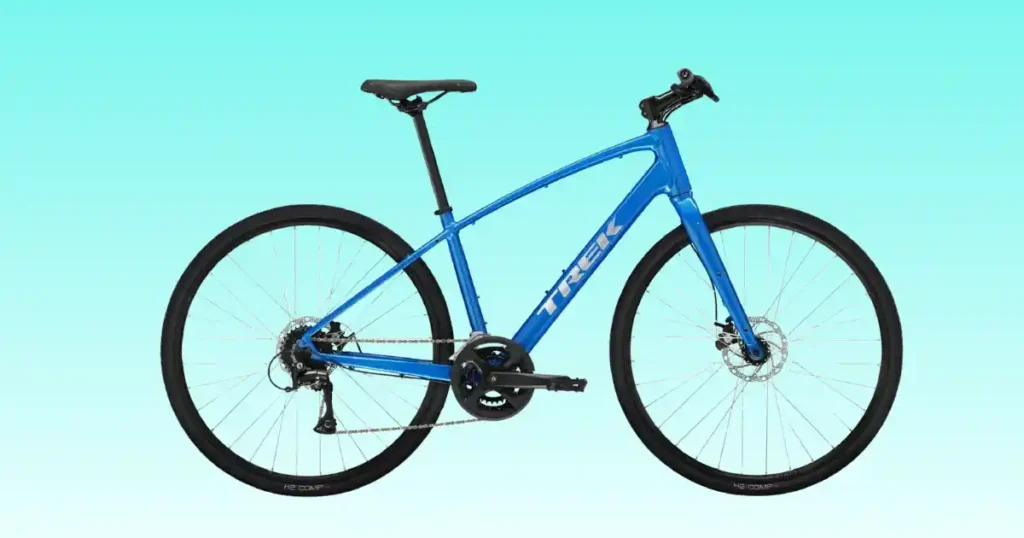
Your Trek FX 1 Gen 4 sat ready in the garage last night. This morning it won’t roll, won’t pedal right, or just feels stuck the moment you push off. I saw this exact scene play out with a rider in Boise, Idaho last spring, and the fix took less than ten minutes once we knew where to look. A Trek FX 1 Gen 4 not starting almost always traces back to a small, fixable issue rather than a broken bike. In this guide, I will walk you through every likely cause, from brake rub to a dropped chain, using the same order I use at my own repair stand. You will learn what to check first, what tools you actually need, and when a problem is worth a trip to your local shop.
By the end, you should be back on the road with a clear plan and a lot less stress. Most riders panic first and reach for tools second, but the calmest approach almost always wins here. A few careful minutes of looking, listening, and spinning the wheels will tell you far more than guessing ever will.
What Does “Not Starting” Mean on a Trek FX 1 Gen 4?
Riders describe this problem in different ways, and each version points to a different fix. Getting specific about your symptom saves time and stops you from replacing parts you did not need to touch. Before you grab a wrench, take thirty seconds to match your bike’s behavior to one of the patterns below. This same matching approach works whether you own a Trek, a sixthreezero, or any other commuter model. I ask every rider the same first question at my stand: does the bike refuse to move, refuse to pedal, or just sound wrong while doing both? The answer usually points straight at the fix.
Bike won’t roll forward
The wheels spin in the stand but the bike refuses to move once you push off. This usually means friction somewhere in the drivetrain or a brake dragging on the rim or rotor. Sometimes the drag is so light you only notice it once you are pedaling uphill or against wind.
Pedals won’t turn
Turn the cranks by hand and they feel locked or gritty. This points toward the bottom bracket, a jammed chain, or a seized pedal bearing. A gritty feel usually means old grease has washed out and dirt has taken its place.
Chain skips immediately
You pedal once and the chain jumps off a tooth or slips under load. Worn cassette teeth or a stretched chain are common causes on any hybrid bike with high mileage, and the skipping usually gets worse under hard pedaling or hill climbs.
Rear wheel feels locked
Lift the back end and spin the wheel. If it barely moves, check axle alignment or a rubbing disc rotor. A locked feel that only happens in certain gears often points to the derailleur instead of the wheel itself.
Brakes are rubbing badly
A faint scraping sound at every wheel rotation is one of the most common causes of reported bike brake problems right after transporting a bike. The sound often fades in and out as the wheel spins, which is a clear sign of rotor rub.
Drivetrain slips under pressure
Standing up to pedal causes a sudden slip. This often means a worn chain paired with a worn cassette, a pattern covered in our guide to hybrid bike gears skipping. Riders who feel this slip under load should stop pedaling hard until the drivetrain gets inspected.
Quick 5-Minute Checks Before Looking for Bigger Problems
Start with the easiest inspections first. These simple checks solve a surprising number of starting problems without a single tool in hand. Most riders skip straight to worrying about expensive parts, when the real cause is usually something you can fix standing in your driveway. I recommend running through every item below in order, since each one takes only seconds and rules out an entire category of possible causes.
Check if the wheel is installed correctly
A loose quick release or a wheel seated crooked in the dropouts is the number one reason a bike feels stuck. Push the wheel firmly into place before closing the lever.
Inspect both brakes
Squeeze each lever and watch the pads or calipers. Rubbing is easy to spot once you know what to look for, especially if you watch the rotor spin slowly by hand first.
Look for a dropped or twisted chain
Glance down at the chainring. A chain that slipped off often looks obviously out of place, hanging loose between the crank and the frame.
Verify tire pressure
Soft tires make a bike feel sluggish and hard to start. Our tire pressure guide walks through the right range for your tire size, and our notes on bike tire pressure problems cover the warning signs of a slow leak you might otherwise miss.
Spin both wheels
Lift the bike and give each wheel a spin. It should coast freely with no scraping, and it should slow down evenly without any sudden catch.
Test the crank arms
Rotate the pedals slowly by hand to feel for grinding or resistance. Compare the left and right side, since a healthy crank should feel identical on both.
Listen for unusual sounds
A clicking, grinding, or scraping noise almost always points to the exact part causing the problem, similar to the patterns we cover in bike chain noise.
Table 1: Quick Troubleshooting Checklist
After years of helping riders during weekend group rides, I always run through this table before touching a single adjustment screw. It saves time and rules out the easy stuff fast.
| Symptom | Possible Cause | Difficulty | Time |
|---|---|---|---|
| Bike won’t move | Brake rubbing | Easy | 2 min |
| Hard to pedal | Chain issue | Easy | 5 min |
| Rear wheel locked | Misaligned axle | Easy | 5 min |
| Clicking noise | Loose crank or pedal | Medium | 10 min |
| Chain slipping | Worn drivetrain | Medium | 15 min |
Most Common Reasons a Trek FX 1 Gen 4 Won’t Start Rolling
Most starting problems trace back to only a handful of parts. Checking each one in order removes the guesswork and gets you to the real cause faster than jumping straight to a full teardown. Nearly every case I have seen at the stand fits into one of the categories below, so working through them methodically pays off.
Brake caliper rubbing
Disc brakes shift out of alignment easily during transport or storage, and this single issue causes more support calls than any other part on the bike.
Disc brake alignment
A caliper that shifted even a millimeter will drag against the rotor with every turn of the wheel. Loosen the two mounting bolts, squeeze the brake lever, then retighten while the pads center themselves.
Bent rotor
A rotor bent from a bump or fall will wobble and catch the pads on each rotation. A small bend can often be corrected gently with a rotor truing tool.
Brake pad contamination
Oil or grease on a pad causes uneven braking and a rubbing feel, which weakens stopping power over time and eventually calls for fresh pads.
Wheel installed incorrectly
Even a small seating error at the dropout throws off wheel alignment and can mimic a much bigger mechanical fault.
Quick release issues
A quick release that is not fully clamped lets the wheel shift sideways under load. It should feel firm and leave an imprint on your palm when closed correctly.
Thru axle problems
Thru axles need full engagement and proper torque to sit correctly in the frame, and an under tightened axle can allow just enough play to cause rubbing.
Misaligned dropouts
If the axle sits unevenly in the dropout slots, the wheel will rub against the frame or brake. Loosen, reseat evenly, and retighten.
Chain has fallen off
A dropped chain is one of the simplest fixes on this list, yet it stops a bike cold and worries first-time owners more than it should.
Front chainring
Chains often drop off the front ring during a hard shift or a bump. Guide it back on by hand while slowly turning the crank backward.
Rear cassette
A chain can also slip between cassette cogs if the rear derailleur is out of adjustment, which usually needs a small barrel adjuster turn to fix.
Chain jam
A jammed chain between the frame and the chainring locks the drivetrain solid. Never force the pedals here, since forcing it can bend components.
Rear derailleur damage
A bent or damaged derailleur throws off shifting and can lock the chain entirely, sometimes bending a link in the process during a hard impact.
Bent derailleur hanger
This small, replaceable part protects your frame, but a bend here causes rough or skipping shifts. Replacing a hanger is cheap and usually solves persistent shifting trouble on its own.
Cassette or freehub issues
A worn or seized freehub lets you pedal with no forward motion at all, which feels alarming the first time it happens on a ride.
Bottom bracket problems
Grinding or looseness in the bottom bracket makes pedaling feel heavy or gritty, a pattern we cover further in how long hybrid bike components last and in our broader look at why some bikes feel heavy after months of neglect.
How to Diagnose the Problem Step by Step
Follow this order every time. Skipping steps often leads to fixing the wrong part first and wasting a whole afternoon chasing the wrong noise. Working through the bike from front to back, the same way a shop mechanic would on a repair stand, keeps you from missing anything important.
Lift the front wheel
Spin it by hand and check for rubbing, wobble, or resistance. A healthy wheel should coast for several seconds before slowing.
Spin the rear wheel
Repeat the same check on the back wheel, listening closely for scraping near the cassette or derailleur pulleys.
Shift through every gear
Run the chain through the full range to spot skipping or slow shifts, paying close attention to the smallest and largest cogs.
Rotate the pedals slowly
Feel for grinding, which points to the bottom bracket or pedal bearings, a step also worth doing before you try to remove bike pedals for cleaning or replacement.
Check brake clearance
Look at the gap between pad and rotor or rim on both sides, comparing left and right to see which one is closer.
Inspect cables
Frayed or stretched cables cause sluggish shifting and dragging brakes, and fraying near the lever is often the first visible sign of wear.
Look underneath the frame
Debris, mud, or a stuck stick can jam the drivetrain from below, especially after riding through wet grass or gravel trails.
Table 2: Symptoms vs Likely Causes
Matching your exact symptom to the most likely cause narrows the diagnosis far faster than swapping parts at random.
| Symptom | Most Likely Cause | Check First |
|---|---|---|
| Won’t roll | Brake rotor | Brakes |
| Won’t pedal | Chain jam | Drivetrain |
| Grinding | Bottom bracket | Crank |
| Clicking | Pedal | Pedals |
| Chain skips | Cassette wear | Chain |
Tools You’ll Need
You do not need a full workshop. A handful of basic tools handle nearly every home repair on this list, and most of them cost less than a single shop visit. Building a small kit now saves you a trip to the shop the next time something small goes wrong, and most of these tools last for years with basic care.
Allen keys
Most bolts on a Trek FX 1 Gen 4 use metric Allen keys, so a full set from two millimeters up to eight millimeters covers almost every adjustment on the bike.
Tire pump
A floor pump with a gauge keeps your tires in the correct range and takes the guesswork out of pressure checks before every ride.
Chain checker
This small tool measures chain stretch in seconds and tells you when replacement is due, long before the wear starts damaging your cassette.
Bike lubricant
A quality chain lube keeps the drivetrain quiet and prevents premature wear, a habit covered in our chain care guide.
Torque wrench
Getting bolts to the correct torque protects carbon parts and prevents slipping components, especially on seat posts and stems.
Chain tool
Useful for removing stiff links or shortening a chain that is too long after a fresh replacement.
Cleaning brush
A soft brush clears grime from the cassette and derailleur pulleys before you inspect them closely, and pairs well with the steps in our guide to cleaning a road hybrid bike.
Table 3: Essential Bike Repair Tools
Every tool on this list earns its spot in my own repair kit, and most riders already own several of them without realizing it.
| Tool | Purpose | Essential? |
|---|---|---|
| Allen key set | Most adjustments | Yes |
| Torque wrench | Correct tightening | Recommended |
| Floor pump | Tire inflation | Yes |
| Chain checker | Measure wear | Recommended |
| Chain lube | Smooth drivetrain | Yes |
| Cleaning brushes | Dirt removal | Yes |
For a complete kit breakdown, our essential bike tools guide lists everything a hybrid owner should keep on hand at home.
Fixes You Can Do at Home
Many Trek FX 1 Gen 4 issues are beginner friendly once you understand the steps, and none of them require special training. Working through the fixes below in order, from simplest to more involved, keeps you from overcorrecting a problem that only needed a small tweak.
Realign the brake caliper
Loosen the mounting bolts, squeeze the lever, and retighten while the pads center themselves around the rotor. Our adjust bike brakes guide covers this in more detail with photos and torque specs.
Reinstall the wheel
Seat the axle fully in the dropouts before closing the quick release or thru axle, checking that the wheel sits perfectly centered between the stays.
Reset the chain
Guide the chain back onto the chainring by hand while slowly turning the crank, working slowly to avoid pinching a finger.
Lubricate the drivetrain
Apply lube to the chain, then wipe away the excess to prevent grime buildup that attracts dirt and grit.
Tighten loose pedals
A pedal that clicks with every stroke usually just needs a firm retightening with an Allen key, and a drop of grease on the threads prevents future creaking.
Adjust derailleur indexing
Small turns of the barrel adjuster fix most skipping and slow shifting issues, usually in quarter turn increments while pedaling and shifting at the same time.
Clean the cassette
Dirt between cogs causes chain skip that mimics worn parts, so a good cleaning often solves the issue for free. If a tire is also worn down while you are in there, our tire replacement guide walks through swapping it safely, and our steps on how to fix a flat bike tire or change a bike tire and tube cover the full process from start to finish.
Problems That Need a Bike Shop
Some repairs call for specialty tools or replacement parts. It is safer to let an experienced mechanic handle these than to risk a bigger mistake. Knowing where your own skills should stop protects both your safety and your wallet, since a botched repair often costs more to undo than it would have cost to do right the first time.
Cracked frame
Any visible crack means the bike should not be ridden until a professional inspects it, since a small crack can spread quickly under load.
Damaged freehub
Freehub repairs require specific tools most home riders do not own, along with replacement pawls or springs.
Worn bottom bracket bearings
Bearing replacement needs a bottom bracket tool and correct torque specs to avoid damaging the frame threads.
Bent fork
A bent fork affects handling and safety, so this always belongs with a professional rather than a home fix.
Severe wheel damage
A badly bent rim or broken spoke usually needs a shop’s truing stand, and matching the correct size matters too, which our guide to measuring bike frame size can help confirm before ordering replacement parts.
Hydraulic brake repair
Bleeding hydraulic lines requires fluid, tools, and practice most home mechanics skip, and a poor bleed can leave you with weak brakes.
How to Prevent This Problem in the Future
Routine maintenance takes only a few minutes but saves you from expensive repairs down the road, and it keeps every ride smoother. A short weekly habit does more for your bike than any single expensive fix, and it costs nothing but a few spare minutes before you head out the door.
Weekly inspection
A quick look over brakes, tires, and the chain catches small issues early, before they turn into a starting problem.
Monthly drivetrain cleaning
Regular cleaning, outlined in our guide to servicing a hybrid bike, keeps shifting smooth and quiet all season long.
Brake maintenance
Check pad wear and rotor alignment every few weeks, especially after transporting the bike in a car or on a rack.
Tire pressure checks
Low pressure causes more starting problems than most riders expect, and knowing why bicycle tires lose air helps you catch a slow leak before it strands you on a ride.
Proper bike storage
Storing your bike correctly, as covered in store a hybrid bike, protects the frame and components between rides. If your bike has picked up surface rust from damp storage, our guide on how to clean rust off a bike has the full process laid out step by step.
Seasonal tune-ups
A full tune-up once or twice a year catches wear before it turns into a breakdown, following the same habits outlined in 7 professional secrets to maintain a road hybrid bike.
Table 4: Trek FX 1 Gen 4 Maintenance Schedule
A simple routine like this one cuts down on surprise breakdowns during commutes and weekend rides.
| Interval | Maintenance |
|---|---|
| Before every ride | Tire pressure, brakes |
| Weekly | Chain inspection |
| Monthly | Lubricate drivetrain |
| Every 3 months | Cable inspection |
| Every 6 months | Full tune-up |
| Annually | Replace worn components |
For a printable version of this routine, check our full hybrid bike maintenance checklist or the shorter road hybrid bike maintenance checklist built for daily commuters.
Expert Advice From a USA Bicycle Mechanic
Small issues grow into costly repairs when riders ignore them for too long. Mechanics see the same patterns show up every riding season, year after year, across every neighborhood and every brand of bike that rolls through the shop door.
“Nine times out of ten, a hybrid bike that ‘won’t start’ has a simple mechanical issue like brake rub, a dropped chain, or an improperly seated wheel. Always begin with the basics before assuming the worst.” — Mike Reynolds, Senior Bicycle Technician, Boulder, Colorado
Common mistakes first-time owners make
New riders often force the pedals or yank the chain, which can bend a derailleur hanger or snap a link that was otherwise fine.
Why forcing the pedals makes things worse
Extra force on a jammed drivetrain can turn a five-minute fix into a shop visit for a bent hanger or cracked cassette body.
What experienced commuters check before every ride
Seasoned riders spin both wheels and squeeze both brakes before they ever swing a leg over the bike, a habit shared by anyone who rides a professional road hybrid bike daily for work.
Not Just Trek: Other Bikes With Similar Starting Problems
The Trek FX 1 Gen 4 is not alone here. Riders on nearly every hybrid and commuter brand run into the same handful of starting problems, since the parts and causes overlap closely across brands and price points. If you also own or are shopping around other models, these guides use the same diagnostic approach covered in this article, so the fixes translate directly.
Owners of a Firmstrong cruiser, a VIVI bike, a SAVADECK bike, or a Heybike all report the same brake rub and chain issues covered above. The same is true for a Mongoose bike, a Huffy bike, a Tommaso bike, a VIRIBUS bike, and an HH HILAND bike. If you are comparing brands before your next purchase, our breakdowns of the best budget road hybrid bike and the best road hybrid bikes for 2026 are worth a look, and if you are curious where your own bike was built, see where Trek bikes are made.
Real-World Example
Real stories make troubleshooting easier because most failures happen during everyday riding, not in a workshop with tools laid out.
A rainy Monday commute in Portland
A rider noticed the bike suddenly would not roll after loading it into a car for the weekend. The disc rotor had shifted just enough to rub against the pad. A five-minute brake adjustment solved it completely. The lesson stuck with him: always spin both wheels before leaving the house, a habit that fits well with the commuting advice in commuting by road hybrid bike and who should ride a road hybrid bike.
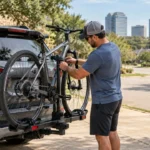
This same story repeats itself across the country in slightly different forms. Riders pack a bike into a trunk, drive somewhere new, and unload to find the wheel dragging or the shifting suddenly off. A rack, a tailgate, or a tight parking garage can nudge a rotor or a derailleur just enough to cause trouble. Building a thirty second check into your routine before you clip in catches almost every one of these surprises before they ruin a ride.
Frequently Asked Questions
Why is my Trek FX 1 Gen 4 hard to pedal?
Low tire pressure, a dragging brake, or a dirty drivetrain are the most common causes, all covered in our bike feels slow guide.
Can dirty brakes stop the bike from moving?
Yes, contaminated or misaligned pads create enough drag to make the bike feel locked even when you push hard.
Why won’t my rear wheel spin freely?
A misaligned axle, a rubbing rotor, or a tight quick release usually causes this, and all three are easy to check by hand.
Can a worn chain cause starting problems?
A stretched chain skips under pressure and can feel like the bike refuses to move forward smoothly, especially on hills.
Should I ride if I hear grinding noises?
Stop and inspect the bottom bracket or pedals first, since riding through grinding can cause more damage and higher repair costs.
How often should I service my Trek FX 1 Gen 4?
A full tune-up every six months keeps most hybrid bikes running smoothly and extends how long your road hybrid bike lasts overall.
Why does my bike move backward but not forward?
This points to a freehub or cassette issue where the pawls are not engaging properly with the hub body.
Is brake rub dangerous?
It is not dangerous by itself, but it wears pads and rotors faster and reduces stopping power over time. Numb or tingling hands after a ride can also point to a fit issue rather than a brake problem, something our hand numbness guide explains in full.
Final Recommendation
After years of working on hybrid bikes and helping riders through this exact problem, my honest advice is simple. Start small before you assume the worst. Most cases of a Trek FX 1 Gen 4 not starting come down to a rubbing brake, a dropped chain, or a wheel that needs reseating, and each one takes only minutes to fix at home. I have watched riders nearly replace a derailleur when the real issue was a loose quick release. Give your bike the five-minute check first, keep a simple maintenance routine going, and save the bike shop visits for the handful of problems that truly need a professional. Treat your Trek FX 1 Gen 4 well and it will keep rolling for years.

Ehatasamul Alom is a dedicated road hybrid bikes expert. With over 15 years of experience, he helps people find the perfect ride. He began his journey as a bike mechanic. He learned the ins and outs of every bike.
Ehatasamul Alom holds a Master's degree in Mechanical Engineering from a Brown University (Providence US 02912), where he specialized in material science and bicycle kinematics. His master's thesis focused on optimizing frame geometry for road hybrid bikes to improve rider comfort and efficiency.
Ehatasamul has an extensive professional background. He spent 10 years (2010-2020) as a Senior Bike Designer at "Urban Cycles," a leading bicycle manufacturer. In this role, he led the development of several award-winning road hybrid bikes, which are known for their durability and performance. He later served (2020-2024) as the Head of Product Development at "Gear Up," a company specializing in high-end cycling components. There, he developed innovative parts and accessories specifically for road hybrid bikes.
Over the years, Ehatasamul has become an authority on Roadhybridbikes. He understands their design and function. His work focuses on making bikes easy to use. Ehatasamul believes everyone should enjoy cycling. He writes guides that are simple to read. His passion for road hybrid bikes is clear. His goal is to share his knowledge with everyone. He wants to see more people on two wheels. His advice is always practical and easy to follow.
- Ehatasamul Alom

- Ehatasamul Alom
- Ehatasamul Alom

- Ehatasamul Alom