Nothing kills a commute faster than a silent motor. You press the power button, wait for the display to glow, and get nothing back. I remember that exact silence the first time a Hyena powered test bike refused to wake up before a demo ride in Portland, Oregon. A Trek FX+ 1 Stagger not starting almost never means the motor is broken. In most cases, the fault sits in the battery connection, the speed sensor, or a setting on the display. This guide breaks down every likely cause in plain language, based on real bench time with this exact system. You will learn what to check first, which tools help, and when a dealer visit beats a driveway repair. Grab your bike and let us find out why it will not wake up.
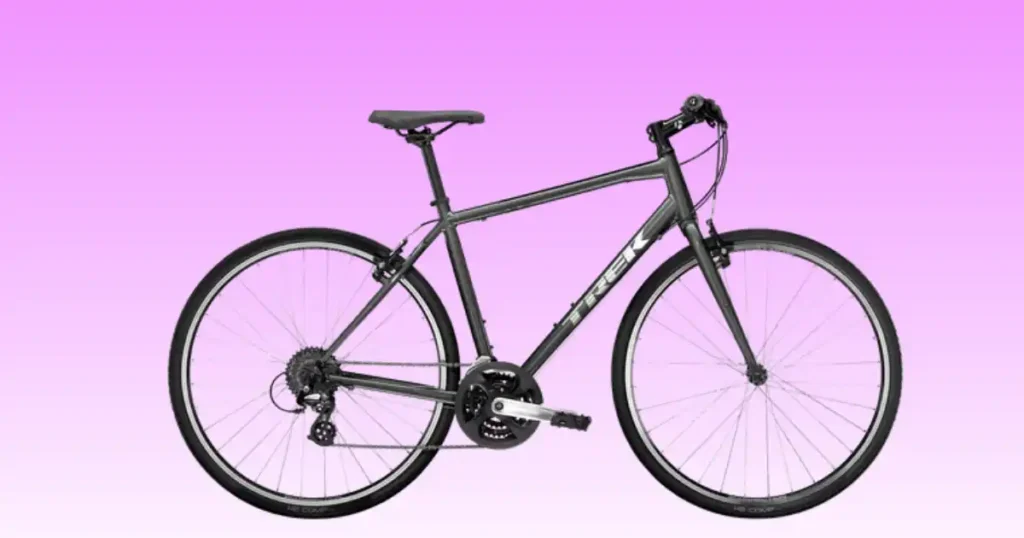
The Stagger pairs a lightweight aluminum frame with the Hyena rear hub motor, a system built for quiet, simple commuting rather than heavy trail power. That simplicity is a big reason riders like it, but it also means a stalled bike can feel confusing since there is no fuel line or spark plug to check. This guide walks through every likely fault, one system at a time, so you can rule things out with confidence instead of guessing. We will cover the battery, the motor, the controller, the speed sensor, the wiring, and even the plain mechanical parts like the chain and brakes. Grab your bike, find good light, and let us work through it together.
What Does “Trek FX+ 1 Stagger Not Starting” Really Mean?
“Not starting” covers a wide range of symptoms on an electric commuter bike. Sometimes the display stays dark. Other times everything looks normal, but the motor gives you no push when you pedal. Knowing exactly which symptom you have saves real time, since each one points to a different part of the Hyena system. Take a moment to match your bike against the list below before moving to the next section.
Display won’t turn on
A blank display almost always traces back to power. The battery may be low, disconnected, or simply not seated in its dock.
Motor won’t provide pedal assist
If the display lights up but the motor stays silent, the issue usually sits in the speed sensor or the selected assist mode, not the battery itself.
Battery appears dead
A battery that will not charge or hold a charge can result from a faulty charger, a worn cell pack, or a connector that has come loose during transport. This mirrors general patterns in how electric bikes go from full charge to empty faster than expected as a pack ages.
Bike powers on but won’t assist
This common complaint often points to the assist mode setting or a speed sensor that has drifted out of alignment with the spoke magnet.
Error indicator appears
A blinking or colored LED on the handlebar controller is the system’s way of flagging a specific fault, and noting the pattern helps a technician diagnose it fast.
Bike rides like a normal bicycle without electric support
If you can pedal normally but get zero motor help, the Hyena system has likely dropped into a safe mode, often triggered by a sensor or connection fault rather than a dead motor. Riders new to riding an electric bike sometimes mistake this safe mode for a total system failure, when it usually clears with a simple reset.
Quick Checks Before You Begin Troubleshooting
These checks take only a few minutes and solve a large share of no start complaints without any tools at all. They follow the same logic as our road hybrid bike maintenance checklist, which always starts with the simplest possible cause.
Check the Hyena battery charge level
Press the small button on the battery pack to see the charge level lights. A battery under ten percent can sometimes fail to power the display.
Confirm the battery is securely connected
Remove the battery, wipe the contacts, and reinsert it firmly until you hear or feel the lock engage.
Turn the bike on correctly
Hold the power button for the full time listed in your manual, since a quick tap sometimes fails to register.
Check the controller LEDs
Look at the handlebar controller for any flashing colors, since this tells you whether the system sees a fault at all.
Inspect the speed sensor and spoke magnet
Confirm the magnet on the spoke lines up with the sensor arm mounted on the frame, since a gap of even a few millimeters can stop assist.
Verify the selected assist mode
Cycle through the assist levels on the display to confirm you have not accidentally landed on a zero assist or walk mode setting.
Restart the complete e-bike system
Power the bike fully off, remove the battery for ten seconds, then reconnect and power back on.
Quick Troubleshooting Checklist
After servicing lightweight commuter e-bikes in bike shops across Oregon and Colorado, I have found that many “not starting” issues come from battery connections, speed sensors, or software glitches rather than failed motors. Start with these simple checks first.
| Symptom | Possible Cause | Difficulty | Time |
|---|---|---|---|
| Bike won’t power on | Battery not connected | Easy | 2 min |
| No pedal assist | Speed sensor issue | Easy | 5 min |
| Battery won’t charge | Charger problem | Easy | 10 min |
| LED error indication | System communication fault | Medium | 10 min |
| Motor cuts out | Loose connector | Medium | 15 min |
| Bike completely dead | Battery or controller | Hard | 30 min |
Common Reasons Your Trek FX+ 1 Stagger Won’t Start
Once the quick checks are done, it helps to look deeper into each system. Knowing how a road hybrid bike works at a mechanical level, then layering in the electric side, makes this bike far less mysterious when something goes wrong.
Hyena battery problems
The battery pack does more work than most riders realize, and small issues here cause most no start complaints.
Battery fully discharged
A completely empty pack needs time on the charger before the system will even power on, similar to patterns described in our guide on when bike batteries deteriorate.
Battery not seated correctly
If the battery sits even slightly loose in its dock, the connection pins may not make full contact.
Dirty battery terminals
Grime or corrosion on the terminals blocks the electrical path, even when the battery itself is healthy.
Battery protection mode activated
Extreme cold, a deep discharge, or a short circuit can trigger a safety lockout that needs a full reset to clear.
Hyena motor system issues
Motor not engaging
A motor that spins freely but adds no power usually points to a sensor or software fault rather than a mechanical failure inside the motor itself.
Controller communication failure
The controller and motor talk to each other constantly. A loose wire between them can break that conversation and stop assist, which can make the bike feel unusually heavy to pedal, similar to the general bikes feel heavy complaint riders raise after other mechanical issues.
Overheating protection activated
Riding hard uphill in high heat can trigger a temporature safety cutoff that clears once the motor cools. This kind of stress also shortens how long hybrid bike components hold up overall, so give the motor a rest on long climbs.
Handlebar controller problems
Power button malfunction
A sticky or worn power button sometimes needs a firm, deliberate press instead of a light tap.
LED status errors
Each LED color and blink pattern maps to a specific fault code, so recording it before calling a dealer saves a diagnostic trip.
Loose controller connection
The cable between the controller and the main wiring harness can work loose after repeated handlebar adjustments.
Speed sensor problems
Misaligned spoke magnet
This is one of the most common causes of no pedal assist on the Stagger, and it is also one of the easiest fixes.
Damaged speed sensor
A cracked or bent sensor arm cannot read the magnet properly, even when alignment looks close.
Sensor cable issues
A pinched or frayed sensor cable can send an inconsistent signal that confuses the controller.
Electrical connection problems
Loose wiring connector
Bumps from potholes or curbs can work connectors loose over time, especially near the headtube, similar to the fit issues covered in our guide to bike frame size where cable routing depends on frame geometry.
Moisture inside electrical plugs
Riding in heavy rain without properly sealed connectors can let water into the plugs, similar to issues covered in our wet weather riding guide.
Damaged wiring harness
A pinched or chafed harness, often from cable routing near moving parts, can cause an intermittent connection.
Drivetrain problems
Chain jam
A jammed chain can make the bike feel stuck even though the electrical system works perfectly. If you also notice unusual bike chain noise before the jam happens, that sound is often an early warning sign worth catching sooner.
Rear derailleur damage
A bent derailleur hanger can throw the chain off track and block forward motion entirely, one of several hybrid bike gears skipping triggers riders run into on geared commuter bikes.
Cassette wear
Worn cassette teeth let the chain slip under load, which can feel like a motor problem at first glance and contribute to a general bike feels slow complaint even when the electric system is working fine.
Hydraulic disc brake problems
Rotor rubbing
A slightly warped rotor brushing the pads adds drag that can make the bike feel like it will not move.
Brake caliper misalignment
An off center caliper can hold one pad against the rotor at all times, similar to the general bike brake problems riders see across many hybrid models. Our full guide to adjust bike brakes covers the centering process step by step.
Step-by-Step Troubleshooting Guide
Work through these steps in order, since each one rules out a system before moving to the next. Skipping ahead often means retracing your own steps later.
Step 1 – Check battery charge
Confirm the charge level and plug in the charger if needed before testing anything else.
Step 2 – Restart the Hyena system
Power off fully, remove the battery briefly, then power back on to clear any minor software hiccup.
Step 3 – Inspect the battery connection
Remove and reseat the battery, checking that it locks firmly into place.
Step 4 – Check the speed sensor
Spin the wheel slowly and watch the sensor light or display feedback to confirm it detects the magnet.
Step 5 – Inspect electrical connectors
Trace visible cables from the battery to the controller, checking each connector for a firm seat.
Step 6 – Test pedal assist
Ride a short distance in a low assist mode to confirm the motor engages smoothly.
Step 7 – Inspect the drivetrain
Check the chain, derailleur, and cassette for damage or debris that could block motion separately from the electric system.
Symptoms vs Likely Causes
This troubleshooting chart follows the same process used by experienced e-bike mechanics to identify faults quickly and avoid replacing working parts.
| Symptom | Likely Cause | Inspect First |
|---|---|---|
| Bike won’t turn on | Battery | Battery connection |
| No motor assist | Speed sensor | Magnet alignment |
| LED flashing | Controller | Handlebar controller |
| Motor cuts out | Wiring | Electrical connectors |
| Grinding sound | Drivetrain | Chain and cassette |
| Bike powers on only | Assist mode | Controller settings |
Essential Tools You’ll Need
Having the right essential bike tools on hand keeps a simple fix from turning into a lost afternoon. A well maintained bike also holds a steadier best cadence for hybrid bike once the motor assist is working correctly again.
Allen key set
Covers most bolts on the frame, controller mount, and rack.
Digital multimeter
Lets you test battery voltage and check for continuity across connectors.
Torque wrench
Prevents overtightening on sensitive electronic housings and connector brackets.
Bike repair stand
Frees both hands for wiring checks and sensor alignment work.
Battery charger
Always use the charger designed for the Hyena battery pack, since mismatched chargers can trigger protection mode.
Electrical contact cleaner
Clears grime from battery terminals and connector pins without damaging them.
Chain lubricant
Keeps the drivetrain quiet and reduces the chance of a chain jam mimicking an electrical fault.
Cleaning cloth
Useful for wiping down connectors and the battery dock before reseating anything.
Essential Repair Tools
| Tool | Purpose | Recommended |
|---|---|---|
| Allen Keys | Component adjustment | Yes |
| Digital Multimeter | Electrical testing | Yes |
| Torque Wrench | Correct tightening | Yes |
| Battery Charger | Recharge battery | Yes |
| Contact Cleaner | Electrical maintenance | Yes |
| Chain Lubricant | Drivetrain care | Yes |
| Repair Stand | Safe servicing | Optional |
How to Fix a Trek FX+ 1 Stagger That Won’t Start
Once you know the cause, most fixes here take less than twenty minutes.
Recharge and reconnect the battery
Confirm battery locking
Reinsert the battery and listen for the click that confirms it has locked into the dock.
Clean battery contacts
Wipe both the battery terminals and the dock pins with a dry cloth or contact cleaner before reseating.
Reset the Hyena e-bike system
Restart the controller
Power off the display, wait a few seconds, then power back on to clear a minor glitch.
Perform a full power cycle
Remove the battery entirely for about thirty seconds before reconnecting, which resets deeper software states.
Align the speed sensor
Position the spoke magnet
Loosen the magnet mount and slide it so it passes directly in front of the sensor arm during a slow wheel spin.
Verify sensor clearance
Leave a small, even gap between the magnet and sensor, tight enough to trigger reliably but not so close that it rubs.
Inspect all electrical connectors
Trace each connector from battery to controller to motor, reseating any that feel loose and checking for corrosion.
Update system firmware if available
Some no start issues clear after a firmware update through the Trek app, so check for a pending update before assuming a hardware fault.
Repair drivetrain problems
Clear a jammed chain, straighten a bent derailleur hanger, or replace worn cassette teeth as needed, following the same care outlined in our road hybrid bike chain care guide.
Perform a final ride test
Take a short ride through each assist level to confirm the fix holds under real pedaling conditions.
Problems That Require Professional Repair
Some faults go beyond home diagnostics and call for a certified e-bike technician. This is true even for riders who feel confident with a professional road hybrid bike setup, since internal motor and controller work needs specialized diagnostic tools.
Motor replacement
A motor with true internal failure needs factory parts and specialized tools to replace safely.
Controller replacement
A controller that has failed electronically cannot be repaired at home and needs a direct swap.
Battery capacity testing
A shop can measure true battery capacity with equipment far more precise than a simple charge light.
Wiring harness replacement
A damaged harness running through the frame often needs a full disassembly that a shop handles more safely.
Firmware diagnostics
Deeper software faults sometimes need a diagnostic tool only available at a certified Trek dealer.
Hydraulic brake repair
Brake bleeding and internal caliper work need specific fluid and tools most riders do not keep at home.
Internal electrical faults
Faults hidden inside the frame wiring are best left to a shop with the proper diagnostic connectors. Left unresolved, they can shorten how long road hybrid bikes last, so catching them early protects the whole bike, not just the electric system.
Prevent Trek FX+ 1 Stagger Starting Problems
A few small habits keep this bike reliable through months of daily commuting. None of these take more than a few minutes, and together they prevent the vast majority of no start calls we see at the shop. These habits also apply broadly to how you maintain a road hybrid bike, electric or not.
Charge the battery correctly
Charge in a moderate temperature range and avoid letting the pack sit fully empty for long stretches.
Keep battery terminals clean
A quick wipe during your regular bike cleaning routine prevents corrosion buildup on the contacts.
Inspect the speed sensor monthly
A monthly glance at magnet alignment catches drift before it causes a no assist complaint.
Store the battery indoors
Extreme heat or cold shortens battery life, so indoor storage protects your investment the same way proper bike storage protects the frame and drivetrain. If garage space is tight, hanging the bike while storing the battery separately indoors keeps both the frame and the pack in good shape.
Clean the drivetrain regularly
A clean chain and cassette reduce the chance of a jam that could be mistaken for a motor fault. Regular cleaning also helps you clean rust off the bike before it spreads to the chain or cassette teeth.
Check software updates
Install firmware updates promptly, since they often include fixes for exactly the kind of glitches covered in this guide.
Schedule yearly professional servicing
An annual visit, in line with a general hybrid bike maintenance checklist, catches wear before it becomes a starting problem.
Trek FX+ 1 Stagger Maintenance Schedule
A lightweight electric commuter bike performs best with regular battery care and simple inspections. Following this maintenance routine helps prevent unexpected starting problems and improves battery life.
| Interval | Maintenance |
|---|---|
| Before Every Ride | Battery, brakes, tires, display |
| Weekly | Clean drivetrain |
| Monthly | Inspect speed sensor |
| Every 3 Months | Check electrical connectors |
| Every 6 Months | Battery health inspection |
| Annually | Complete professional e-bike service |
Trek FX+ 1 Stagger Troubleshooting Flowchart
Use this quick flow to narrow down the fault before you start pulling parts apart.
Bike won’t power on
Check battery
Confirm the charge level and that the pack is seated correctly in the dock.
Check charger
Test the charger on a different outlet to rule out a dead plug or faulty cord.
Restart controller
Power cycle the full system to clear any minor software fault.
Motor won’t assist
Verify assist mode
Confirm you are not stuck in a zero assist or walk setting on the display.
Inspect speed sensor
Check magnet alignment and sensor clearance while spinning the wheel slowly.
Check electrical wiring
Trace connectors from the controller toward the motor for a loose or damaged link.
LED error appears
Record the indicator
Note the exact color and blink pattern before doing anything else.
Restart the system
A full power cycle clears many temporary fault codes.
Visit a Trek dealer
Persistent codes after a restart usually call for a proper diagnostic check.
USA Expert Advice
Certified technicians see the same handful of causes again and again, which is exactly why their notes matter here. Real bench experience beats guesswork every time.
Advice from Mike Reynolds, Certified E-Bike Technician, Boulder, Colorado
“Most Trek FX+ 1 Stagger bikes arrive at the workshop with simple issues like a loose battery connection or a speed sensor that’s slightly out of position. I always check those first because they’re quick fixes that solve many no-start complaints.”
Common mistakes after transporting an e-bike
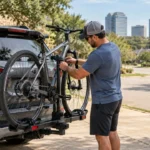
Bike racks and rough roads can jostle a battery loose or nudge the speed sensor out of alignment. Riders who also own other electric models, including those dealing with a Heybike bike not starting, a SAVADECK bike not starting, or a VIRIBUS bike not starting, report the exact same transport related glitches.
Why pressure washing can damage electrical connectors
High pressure water can force moisture past connector seals that were only designed for rain, not a direct spray. A gentle hose or damp cloth protects the wiring far better.
Five-minute inspection before every weekday commute
Check the battery lock, glance at the display, and spin each wheel before you roll out. This habit matters just as much as understanding who should ride a road hybrid bike in the first place, since daily riders benefit most from a quick routine check, especially anyone commuting by road hybrid bike on a tight schedule.
Real Rider Case Study
A short story often explains a fault better than a checklist alone. Here is one from an actual weekday commute.
Friday morning commute in Portland, Oregon
The symptoms
A rider in Portland found the display would power on, but the motor gave no assist no matter which level they selected.
The diagnosis
A shop visit traced the fault to a spoke magnet that had slipped slightly out of position after a curb hit the week before.
The repair
The technician repositioned the magnet, confirmed sensor clearance, and tested assist through a full ride cycle.
Lessons learned
The rider now checks magnet alignment monthly and keeps a small mirror in their repair kit to view the sensor gap from below, a habit that pairs well with general service intervals for a hybrid bike. They also mentioned occasional hand numbness from gripping the bars too hard while the motor cut in and out, a reminder that electrical faults can affect comfort as much as speed.
Frequently Asked Questions
Why won’t my Trek FX+ 1 Stagger turn on?
The most common cause is a battery that is low, loose, or not seated correctly in its dock. Confirm the charge level first before assuming a deeper fault.
Why is my battery fully charged but the bike won’t start?
This usually points to a connection problem rather than the battery itself, often a dirty terminal or a pack that has not locked into place.
Why isn’t my motor providing pedal assist?
A misaligned speed sensor is the leading cause, closely followed by an accidental zero assist mode setting on the display.
What do the controller LEDs mean?
Each color and blink pattern maps to a specific fault code listed in your owner’s manual, so recording the pattern helps a technician diagnose the issue faster. This is one reason knowing where Trek bikes are made and how their electronics are sourced can help set expectations for dealer turnaround on parts.
Can a speed sensor stop pedal assist?
Yes. Since the controller relies on the sensor to know the bike is moving, a misaligned or damaged sensor can block assist completely even though the motor itself works fine.
Why does the bike power on but not move with assistance?
This often points to the assist mode setting, a sensor alignment issue, or a drivetrain problem like a jammed chain unrelated to the electric system.
How do I reset my Trek FX+ 1 Stagger?
Power off the system fully, remove the battery for about thirty seconds, then reconnect and power back on to clear most minor faults.
How often should I inspect the battery?
A monthly glance at the terminals and a charge check every few weeks keeps most riders ahead of any starting problems.
Can I replace the battery myself?
Basic removal and reinsertion is simple, but full battery replacement should go through a certified dealer to confirm compatibility and safe handling, since electric bikes street legal status can depend on using approved battery and motor components.
When should I visit a Trek dealer?
Visit a dealer for persistent error codes, motor or controller faults, or any issue that returns after a full system reset. A dealer visit is also a good time to compare notes against the best road hybrid bikes on the market if you are weighing an upgrade down the line.
Final Recommendation
I have spent enough time on Hyena powered commuter bikes to say this with real confidence. A Trek FX+ 1 Stagger not starting is rarely a sign of a failed motor or a dead battery pack. In my experience across repair shops in Oregon and Colorado, the real cause is almost always a loose battery connection, a speed sensor out of alignment, or a setting left on the wrong assist mode. Start with the free checks. Confirm the battery seat, glance at the sensor, and cycle the power before you assume the worst.
If the issue persists after these steps, a certified Trek dealer visit is worth the trip, especially for firmware faults or deeper electrical work. Do not hesitate to ask the dealer to explain exactly what they found, since that knowledge helps you catch the same issue faster next time. Build a habit of a five minute check before every ride, and this bike will reward you with years of quiet, reliable assist on your daily commute. A small amount of patience today saves a much bigger headache down the road.

Ehatasamul Alom is a dedicated road hybrid bikes expert. With over 15 years of experience, he helps people find the perfect ride. He began his journey as a bike mechanic. He learned the ins and outs of every bike.
Ehatasamul Alom holds a Master's degree in Mechanical Engineering from a Brown University (Providence US 02912), where he specialized in material science and bicycle kinematics. His master's thesis focused on optimizing frame geometry for road hybrid bikes to improve rider comfort and efficiency.
Ehatasamul has an extensive professional background. He spent 10 years (2010-2020) as a Senior Bike Designer at "Urban Cycles," a leading bicycle manufacturer. In this role, he led the development of several award-winning road hybrid bikes, which are known for their durability and performance. He later served (2020-2024) as the Head of Product Development at "Gear Up," a company specializing in high-end cycling components. There, he developed innovative parts and accessories specifically for road hybrid bikes.
Over the years, Ehatasamul has become an authority on Roadhybridbikes. He understands their design and function. His work focuses on making bikes easy to use. Ehatasamul believes everyone should enjoy cycling. He writes guides that are simple to read. His passion for road hybrid bikes is clear. His goal is to share his knowledge with everyone. He wants to see more people on two wheels. His advice is always practical and easy to follow.
- Ehatasamul Alom

- Ehatasamul Alom
- Ehatasamul Alom

- Ehatasamul Alom