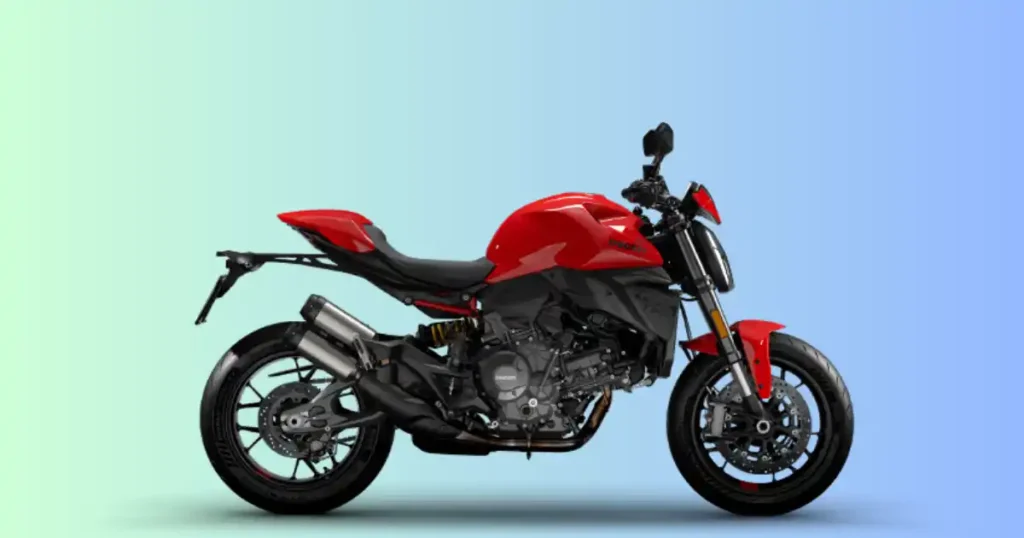
Few things match the sudden panic of hearing absolute silence when you press the starter button on your bike. This complete guide will walk you through exactly what to do if your bike will not fire up. One cool Saturday morning in San Diego, California, a rider was convinced his bike needed a new starter motor after it refused to fire outside a coffee shop. The real problem was just a loose negative battery cable hidden right under the seat. Tighten the terminal, press the starter, and that familiar L-twin rumble comes right back. Sometimes the simplest fixes are the easiest to miss. Let us dive into how you can fix a ducati monster not starting without panic.
Ducati Monster Not Starting? Check These Things First
Before blaming the engine, spend five minutes checking the basics. It saves a lot of time. Many riders assume the worst when their bike stays completely dead, but simple gremlins cause most problems. We will look at what happens when you hit that button so you can narrow down the issue fast.
What Happens When You Press the Starter?
- Nothing happens: This usually points to a totally dead battery, a cut engine kill switch, or an active safety switch lock.
- One clicking sound: Your starter relay is trying to work, but there is not enough power to spin the starter motor.
- Rapid clicking noise: The battery has enough power to trigger the relay, but the load makes the voltage drop instantly.
- Starter cranks slowly: The battery is weak, or you have loose or corroded battery connections resistance.
- Engine cranks but won’t start: The starting system rotates the engine fine, meaning your issue lies with fuel delivery or spark quality.
- Engine starts then stalls: You have initial spark, but a fuel pressure loss or a vacuum leak cuts the fire short.
- Dashboard powers on but starter won’t engage: The dash needs very little juice, but the high-amp starter circuit is blocked by a safety interlock.
- Immobilizer warning appears: The system fails to recognize the transponder chips inside your key, locking out the ECU.
Five-Minute Quick Inspection
- Check battery voltage: Use a digital multimeter across the terminals to see if you have at least 12.6 volts at rest.
- Verify fuel level: Open the gas cap and physically look inside; do not trust a low fuel light on an unlevel bike.
- Confirm engine kill switch position: Ensure it is set to the run position; it sounds silly, but it happens to everyone.
- Make sure the bike is in neutral: The neutral switch can fail, so pull the clutch anyway just to be safe.
- Pull the clutch lever completely: Some modern naked motorcycles require the clutch pulled even if the bike is in neutral.
- Inspect battery terminals: Give the cables a firm wiggle to ensure they are tight and free of white fuzzy corrosion.
- Listen for the fuel pump priming: Turn the key on and listen closely for a two-second high-pitched buzz from the tank.
- Check dashboard warning lights: Look for an engine warning light or an immobilizer icon flashing code.
Stop Troubleshooting If You Notice These Signs
- Strong fuel smell: This means you have a leak or the engine is badly flooded, creating a severe fire hazard.
- Burning electrical odor: Turn the key off immediately to stop short circuits from melting your wiring harness.
- Smoke from wiring: Disconnect the battery lines instantly to prevent total electrical damage or a garage fire.
- Loud grinding from starter: The starter clutch or starter motor gears are stripping, and cranking more will cause internal damage.
- Oil pressure warning with engine noise: Stop if the engine rattles while cranking; low oil pressure will destroy bearing journals.
- Blown main fuse repeatedly: A dead short is lurking in the lines, and adding larger fuses will melt the wires.
How the Ducati Monster Starting System Works
The system combines electronic controls, ignition components, and fuel injection into one coordinated starting sequence. Understanding the system makes troubleshooting much faster.
Main Starting System Components
- Battery: The main reservoir of electrical energy for the entire motorcycle.
- Starter relay: A high-current switch that links the battery directly to the starter motor when triggered.
- Starter solenoid: Often built into the relay or motor to engage the starter gears.
- Starter motor: An electric motor that physically spins the crankshaft to start the combustion cycle.
- ECU: The main computer brain that manages fuel maps and spark timing.
- Immobilizer: An anti-theft safety layer that checks the chip inside your key.
- Fuel pump: An internal pump that feeds fuel injection systems at high pressure.
- Fuel injectors: Fine nozzles that spray misted fuel into the intake tracts.
- Ignition coils: Transformers that step up battery voltage to throw a strong spark.
- Spark plugs: Plugs that ignite the compressed air and fuel mix inside the head.
- Crankshaft position sensor: A pickup that tells the ECU exactly when to fire the plugs.
- Side stand switch: A safety interlock that cuts power if you try to ride away with the stand down.
- Clutch switch: A small microswitch at the handlebar lever that verifies the clutch is in.
- Neutral switch: A sensor on the gearbox drum that illuminates the green dashboard light.
- Main fuse: A heavy-duty fuse that guards the primary wire looms from melting down.
- Regulator/rectifier: A cooling unit that turns raw AC stator power into smooth DC voltage.
- Stator: An alternator inside the engine case that maintains battery health while riding.
How the Engine Starts
- Battery powers the ECU: Turning the key wakes up the main display and sends power to the digital brain.
- Immobilizer verifies the key: The antenna ring around the ignition barrel reads the key chip signal.
- Safety switches are checked: The ECU ensures the side stand, clutch, and gear position allow safe starting.
- Fuel pump primes: The pump runs for a brief window to pressurize the fuel rails for immediate starting.
- Starter relay activates: Pressing the starter button sends a low-amp signal to close the heavy relay contacts.
- Starter motor rotates the engine: High-amp current moves the pistons to draw in fresh air.
- Injectors deliver fuel: The ECU opens the fuel injectors based on engine temperature data.
- Spark ignites the mixture: Ignition coils fire the spark plugs right as the piston approaches top dead center.
- Engine starts: The engine runs on its own power, and the starter clutch releases freely.
Most Common Reasons a Ducati Monster Won’t Start
Most no-start complaints involve electrical faults, battery problems, fuel delivery, or safety interlocks. Begin with the simplest checks before replacing expensive components.
Weak or Dead Battery
Common Symptoms
The dash lights might dance and sweep when you turn the key, but pressing the button results in a sad click or total darkness. You might notice the screen dimming to black the moment the starter load hits the system.
Battery Voltage Test
Set your digital multimeter to DC volts. Place the red lead on the positive terminal and the black lead on the negative post to measure health. A perfect battery sits at 12.8 volts at room temperature.
Battery Load Test
A battery can show 12.6 volts at rest but collapse completely under a true electrical load. Leave your meter hooked up while you press the starter button. If the number drops below 10 volts, the battery lacks the strength to spin the motor.
When Replacement Is Needed
If your battery cannot hold a charge above 12.4 volts after a night on a smart tender, the plates are likely sulfated. Replace it to avoid getting stranded on the road.
Loose or Corroded Battery Connections
Voltage Drop
Corrosion acts like a hidden wall inside your electrical system. High resistance limits how much power can flow down the cables, heating up the wires while starving the starter motor of necessary current.
Cleaning and Tightening Terminals
Remove the negative cable first, then the positive. Scrape away the white crust using a wire brush, spray the metal with electrical contact cleaner, and bolt them back down tightly with a wrench.
Faulty Starter Relay
Single Clicking Noise
When you press the button and hear one distinct click from under the seat but nothing else happens, the relay is engaging mechanically but failing to pass power across its internal copper plates.
Relay Testing
You can bypass a suspect relay briefly by jumping the two large copper posts with an insulated screwdriver. If the starter spins, your relay or its trigger wire is faulty.
Starter Motor Failure
Slow Cranking
If your battery tests perfectly but the engine groans and turns over very sluggishly, the starter motor may have internal wear.
Internal Wear
Over time, carbon brush dust accumulates inside the starter housing, causing a short circuit. Worn internal bushings can also cause the armature to drag against the permanent magnets.
Immobilizer or Key Recognition Problems
Immobilizer Warning Light
If the amber padlock icon stays lit on your display, the bike is locked down. It will crank all day long, but the ECU will refuse to open the fuel injectors or fire the spark plugs.
Spare Key Test
Always keep your black spare key handy. If the bike fires right up with the spare, the transponder chip inside your main key is damaged or dead.
Fuel Pump Failure
No Priming Sound
Turn your key on in a quiet room. If you do not hear that familiar two-second whistle from inside the tank, your fuel pump is not getting power, or the internal pump motor has seized up completely.
Fuel Pressure Test
Attach a fuel pressure gauge to the line exiting the tank. When you cycle the key, it needs to hit a specific pressure level instantly to feed the fuel injection system.
Dirty Fuel Injectors
Injector Blockage
Old fuel leaves behind a sticky varnish that clogs the microscopic holes in an injector nozzle. This ruins the spray pattern, leading to weak combustion or fouled plugs.
Cleaning Procedures
For minor gumming, run a dedicated fuel system cleaner through fresh premium fuel. Severe clogs require removing the injectors for professional ultrasonic cleaning.
Worn Spark Plugs
Carbon Fouling
Short trips in cold weather can coat the porcelain tip of your spark plugs in black carbon soot. This soot grounds out the spark before it can jump the gap.
Incorrect Spark Plug Gap
As plugs age, the metal erodes and the gap widens. A gap that is too wide forces the ignition coils to work too hard, causing intermittent misfires under load.
Ignition Coil Failure
Weak Spark
An ignition coil with internal insulation breakdown will produce a dim orange spark instead of a crisp blue snap. This weak spark cannot ignite fuel under high engine compression.
Resistance Testing
Set your meter to ohms to check the primary and secondary wire windings inside the coil pack. Compare your readings to factory specifications to find internal breaks.
Side Stand or Clutch Switch Failure
Safety Interlock Diagnosis
These little plastic microswitches live in harsh environments close to road grime and chain fling. If the side stand switch sticks in the open position, the bike will shut down the instant you select first gear.
ECU or Sensor Failure
Engine Warning Light
A bright check engine light means the brain has flagged a clear diagnostic code. Use a basic OBD diagnostic scanner tool to see exactly what sensor is complaining.
Crankshaft Position Sensor
If this sensor fails, the ECU becomes completely blind. It cannot tell if the engine is turning over, so it stops firing the ignition system entirely.
Charging System Problems
Stator Failure
A failed stator stops producing alternating current, forcing the bike to run solely off the battery until it drains completely flat while you ride.
Regulator/Rectifier Failure
When this component dies, it can stop charging entirely or allow high voltage to spike your electrical lines, frying sensitive dashboard pixels and fuses.
Ducati Monster Cranks but Won’t Start
If the starter motor spins normally but the engine never fires, focus on spark, fuel, and compression before replacing electrical components. This table outlines the simple diagnostic steps to isolate the issue.
We can narrow down a cranking issue by systematically checking the core inputs. Use this quick reference to guide your next inspection step.
| Step | Component to Test | What to Look For |
|---|---|---|
| 1 | Spark Quality | Crisp blue snap at the plug tip |
| 2 | Fuel Delivery | Wet plug tips after cranking cycles |
| 3 | Fuel Pump Pressure | Steady holding pressure on your gauge |
| 4 | Fuel Injectors | Even misting patterns during a crank test |
| 5 | Compression Test | Even pressure readings across both cylinders |
| 6 | Air Intake | Clean air filter and clear intake tracts |
Check Spark Quality
Remove a spark plug and ground its metal threads against the engine cylinder head. Crank the motor while watching the tip; you want to see a bright blue flash, not a faint yellow flicker.
Verify Fuel Delivery
Pull your spark plugs out after a long cranking attempt. If they are bone dry, fuel is not entering the combustion chamber. If they are soaking wet, the engine is flooded with raw fuel.
Test Fuel Pump Pressure
Tap into the high-pressure fuel line with an inline gauge kit. Cycle the ignition key; the needle must jump to the factory spec pressure instantly and hold steady without dropping.
Inspect Fuel Injectors
Remove the throttle body boots to look at the injector tips. Have an assistant crank the engine while you verify that a fine, symmetrical mist sprays into the intake path.
Perform Compression Test
Thread a compression tester into the spark plug hole. Hold the throttle wide open and crank the engine through several rotations; low pressure indicates worn rings or leaky valves.
Check Air Intake
Pop open the airbox under the tank to ensure a mouse has not built a nest inside the intake snorkel. A severely choked air filter will prevent the engine from breathing.
Ducati Monster Starts Then Stalls
An engine that starts briefly and dies often points toward fuel delivery, idle control, or sensor issues.
Fuel Pressure Loss
The pump might manage to prime initially, but it can fail under continuous running conditions. A clogged internal fuel filter will limit fuel flow, causing the bike to starve and die after a few seconds of idling.
Dirty Injectors
If the tiny internal ports are partially restricted, they can pass enough fuel for a cold start enrichment cycle but fail as soon as the ECU tries to lean out the mixture for a normal idle.
Vacuum Leak
Unmetered air entering through cracked rubber intake manifolds or loose vacuum lines thins out the fuel mixture. This causes a rough, high idle that stumbles and stalls out as the bike warms up.
Idle Control Problems
Older models use a manual fast idle lever that bypasses the butterflies, while newer ones rely on an electronic stepper valve. If this system gets sticky with carbon oil residue, the bike will stall when you let go of the throttle.
ECU Sensor Fault
If the engine coolant temperature sensor sends incorrect data, the ECU might assume the engine is warm when it is actually freezing. This causes a lean mix that stalls out immediately.
Ducati Monster Won’t Start After Sitting
Leaving the motorcycle parked for weeks often creates battery and fuel system issues.
Battery Self-Discharge
Lead-acid and even lithium batteries lose charge over time when left idle. The bike’s clock and immobilizer system draw a tiny current that can drain a battery flat in a few weeks.
Old Fuel
Modern fuel begins to break down in less than a month. Volatile compounds evaporate away, leaving behind a stale liquid that resists clean ignition and leaves a sticky varnish inside your system.
Injector Deposits
As old fuel evaporates inside the warm injector tips, it leaves behind hard lacquer deposits. These deposits block the fuel path and ruin the atomization needed for clean starting.
Corroded Battery Terminals
Moisture in ambient air reacts with the battery posts over time, creating a layer of non-conductive lead sulfate that blocks starter current.
Moisture in Electrical Connectors
Temperature changes cause dew to form inside unsealed wiring plugs. This shorts out weak signals from sensors back to the main ECU.
Ducati Monster Won’t Start After Rain
Rain and humidity can affect ignition components and sensitive electrical connectors.
Wet Ignition Coil
Heavy downpours can direct water onto poorly insulated ignition coils. The high-voltage spark takes the path of least resistance, jumping down the wet frame rail instead of going through the spark plug.
Water Around Spark Plug Wells
The deep vertical spark plug wells on L-twin engines can collect water if the drain holes get plugged with road road debris. This shorts out the spark plug cap completely.
Damp ECU Connectors
If the protective rubber seals around the main harness plug are old or displaced, water can creep into the pins, confusing the engine management signals.
Moisture Inside Switchgear
Water can easily work its way past the plastic seams of your handlebar starter housing. This corrodes the small metal contacts, cutting off the button signal entirely.
Step-by-Step Ducati Monster No-Start Diagnosis
Experienced technicians avoid guessing. One rainy Thursday in Seattle, Washington, a rider believed his ECU had failed because the bike would not start after work. Battery voltage looked fine while resting, but a load test showed it dropping below 9 volts during cranking. A replacement battery restored the bike immediately. The espresso stayed hot, and the repair bill stayed small. Follow this simple sequence to find the root cause.
1.Measure Battery Voltage: Prerequisite for all electrical tests.
Connect a digital multimeter to the battery posts. Ensure it reads at least 12.6 volts before moving forward.
2.Perform a Battery Load Test: Watch the meter while cranking.
Leave the meter connected and press the starter button. Verify the voltage stays above 10 volts during cranking.
3.Inspect Battery Cables: Check both ends of the main leads.
Ensure the ground cable connection to the engine case is clean, bright, and bolted down tightly.
4.Check Main Fuse: Look for an open circuit path.
Pull the primary fuse from its holder and look for a broken metal link inside the plastic housing.
5.Verify Immobilizer Operation: Watch the dash icons carefully.
Ensure the key symbol turns off after cycling the key, showing the security system accepted your transponder key.
6.Listen for Fuel Pump: Audit the sounds from the tank.
Listen for a distinct two-second priming buzz from inside the tank when you turn the key to the run position.
7.Test Spark: Check for ignition system output.
Ground a spare spark plug against the cylinder head and check for a strong blue snap during cranking.
8.Perform Compression Test: Verify internal engine health.
Thread a gauge into the spark plug ports to ensure the cylinders develop enough pressure to run.
9.Scan ECU Fault Codes: Read the computer memory bank.
Plug an OBD scanner tool into the diagnostic port under the seat to read any active error codes.
Ducati Monster No-Start Troubleshooting Table
Years of workshop experience show that symptoms usually reveal the fault. This table will help you quickly link what you see to what you need to fix, helping you save valuable diagnostic time in your home garage.
| Symptom | Most Likely Cause | DIY Difficulty | Home Repair |
|---|---|---|---|
| No response | Battery dead | Easy | Yes |
| One click | Starter relay | Easy | Yes |
| Rapid clicking | Weak battery | Easy | Yes |
| Slow cranking | Starter motor | Medium | Sometimes |
| Cranks but won’t start | Fuel or spark | Medium | Yes |
| Starts then dies | Fuel delivery | Medium | Sometimes |
| Immobilizer warning | Key recognition | Medium | Sometimes |
Ducati Monster Battery Voltage Guide
A digital multimeter is one of the most useful diagnostic tools for bike owners. This table outlines standard voltage values for a typical 12-volt motorcycle battery at rest and what steps you should take next.
| Voltage | Battery Condition | Recommended Action |
|---|---|---|
| 12.8V–13.0V | Excellent | Continue diagnosis |
| 12.5V–12.7V | Good | Load test |
| 12.2V–12.4V | Weak | Recharge |
| Below 12V | Poor | Replace soon |
| Below 10V while cranking | Failed | Replace immediately |
Diagnose the Problem by Symptom
Matching the symptom with the likely cause reduces unnecessary repairs and helps identify faults faster. Use this table as a quick reference when you are short on time.
| Symptom | Likely Cause | First Check |
|---|---|---|
| One click | Starter relay | Battery connection |
| Rapid clicking | Weak battery | Voltage test |
| No crank | Safety switch | Clutch & side stand |
| Cranks only | Fuel delivery | Fuel pump sound |
| Immobilizer light | Key recognition | Spare key test |
| Starts then stalls | Injector issue | Fuel pressure |
Preventive Maintenance Schedule
Routine maintenance keeps your bike reliable, whether it spends weekdays commuting or weekends carving canyon roads. This table outlines the simple intervals to follow to avoid starting issues.
| Component | Recommended Interval | Action to Take |
|---|---|---|
| Battery inspection | Monthly | Check voltage and physical case condition |
| Battery terminals | Every 6 months | Clean away corrosion and tighten hardware |
| Spark plugs | Per Ducati schedule | Inspect color gap and replace as needed |
| Air filter | Every major service | Blow out dust or swap for a fresh filter |
| Fuel injector cleaning | 12,000–15,000 miles | Run quality cleaner or send for service |
| Charging system test | Annually | Verify stator output voltage with meter |
| Electrical inspection | Annually | Check wire looms for rubbing or bare spots |
Essential Tools Every Ducati Monster Owner Should Have
Many starting issues can be diagnosed at home with a few quality tools. Investing in basic diagnostic gear pays for itself the very first time you skip an unnecessary tow truck bill.
Recommended Diagnostic Tools
- Digital multimeter: For testing precise battery voltage, charging system health, and continuity.
- Battery charger: A smart tender that safely tops up and conditions lead or lithium cells.
- Battery load tester: Applies a true resistive load to verify if a battery has internal strength.
- Spark tester: Lets you visually check ignition snap without removing fuel lines or plugs.
- Compression tester: Measures internal cylinder pressure to rule out mechanical valve wear.
- Fuel pressure gauge: Taps into line fittings to check fuel pump operation under load.
- OBD diagnostic scanner: Reads stored fault codes from the engine management system computer.
- Contact cleaner: An evaporating spray that cleans dirt and oil out of electrical plugs.
- Metric socket set: Essential sizes for removing bodywork, seats, and battery brackets easily.
- Torque wrench: Ensures critical electrical grounds and chassis parts are bolted down safely.
Common Owner Mistakes
Many costly repairs happen because owners skip the basics and replace parts too early. Avoid these common traps to save money.
Ignoring Battery Load Tests
A very common mistake is assuming a battery is perfect just because a meter shows 12.6 volts at rest. Never skip a load test; a battery with bad internal cell bridges will collapse the moment it faces high starter load resistance.
Replacing the Starter Before Testing
Do not pull your starter motor out just because you hear a click. Most clicking noises mean the relay or battery is weak, not that the motor itself has failed internally.
Forgetting the Immobilizer
Riders often spend hours checking fuel components while ignoring a blinking immobilizer padlock symbol on the dash. Check your instrument panel first before tearing into the mechanical components.
Ignoring Dashboard Warning Lights
The onboard computer tracks system errors in real time. Ignoring a flashing light means you are choosing to guess instead of reading the diagnostic information the bike is giving you.
Using Old Fuel
Trying to start a bike that has sat for months on winter fuel will lacquer up your system components fast. Always drain old fuel before attempting a fresh start.
Skipping Ground Wire Inspection
The main negative cable runs down to the engine case to complete the heavy starter circuit path. A loose case bolt causes identical symptoms to a completely dead battery.
USA Motorcycle Expert Advice
Experienced technicians know electrical systems reward careful testing rather than assumptions. Taking your time prevents throwing parts at a simple problem.
“Most no-start problems we diagnose involve batteries, charging systems, or simple electrical connections—not failed ECUs. Always test voltage under load before replacing expensive components.” — Michael Thompson, European Motorcycle Technician, California
Why Battery Testing Comes First
A weak battery causes weird electrical ghosts across the entire wiring loom. It can supply enough current to light up an LED screen, but completely choke when asked to supply high cranking current. Always verify the foundation of your electrical system before assuming a sensor has failed.
Real Workshop Story
On a busy Friday afternoon, a rider had his bike towed in, suspecting a total fuel pump failure. The dashboard lit up normally, but the engine refused to catch. While the battery looked healthy at rest, an accurate load test exposed weak internal cells that collapsed to 7 volts under starter load. A new battery solved the issue immediately, saving the rider from buying a very expensive fuel pump assembly.
How to Prevent Ducati Monster Starting Problems
Simple maintenance habits reduce unexpected no-start situations and improve long-term reliability.
Keep the Battery Charged
If you do not plan to ride for more than a week, hook your bike up to a dedicated smart battery tender. This counteracts the small drain from the immobilizer clock and keeps the internal chemistry healthy.
Use Fresh Premium Fuel
Always fill up with high-grade fuel from high-volume gas stations to avoid water contamination. If you store the bike, add a quality fuel stabilizer and run the engine for five minutes to coat the injector channels.
Replace Spark Plugs on Schedule
Do not run plugs past their service life. Fresh plugs require less electrical energy to throw a strong spark, making cold morning starts much easier on your battery.
Inspect Electrical Connections
Once a year, pop off your seat and side panels to inspect the main wire clusters. Look for any spots where wires rub against the sharp metal edges of the frame tubes.
Test the Charging System
Use your meter across the battery while the engine is running at 4,000 RPM. You want to see around 14.2 volts, which proves the stator and regulator are successfully replacing the energy used during starting.
Follow Ducati’s Maintenance Schedule
Adhering to the factory service matrix catches minor items like stretching throttle cables or tired vacuum lines before they turn into a no-start situation on your morning commute.
When Should You Visit a Ducati Dealer?
Some problems require specialized diagnostic equipment and software that standard home hand tools cannot replace.
Persistent Immobilizer Fault
If your bike refuses to recognize any of your factory keys, you will need a dealer to program a new ignition receiver ring or pair a new instrument cluster to your engine computer block.
ECU Communication Errors
When a diagnostic tool shows a total loss of digital communication with the main processor, a dealer must check for corrupted base maps or flash the firmware using proprietary factory diagnostic systems.
Fuel Pump Replacement
Replacing an internal fuel pump module requires special ring tools and pressure-sealing techniques to avoid fuel leaks directly over a warm rear engine cylinder head.
Wiring Harness Damage
If a rodent has chewed through a deep section of the main electrical loom, professional replacement or pin soldering is required to maintain critical sensor signal voltage levels.
Low Engine Compression
If a compression test reveals low cylinder pressure, you need advanced workshop tools to measure valve clearance or pull the cylinder heads to inspect for stuck piston rings.
Ducati Monster Compared With Similar Naked Motorcycles
Many modern naked motorcycles use similar fuel injection and electronic ignition systems, making troubleshooting methods surprisingly alike.
Ducati Monster vs Yamaha MT-07
The Yamaha MT-07 uses a simple parallel-twin engine layout with an ignition system that is less sensitive to slight voltage drops than the Ducati Monster L-twin setup. The Yamaha lacks an immobilizer security layer on base USA models, removing one common point of starting failure.
Ducati Monster vs Kawasaki Z650
The Kawasaki Z650 features a basic parallel-twin engine with highly reliable Japanese switchgear that handles heavy rain storms with fewer connection faults. However, the Ducati Monster offers a more sophisticated engine computer management system that provides much more detailed onboard fault codes when things go wrong.
Ducati Monster vs Honda CB650R
The inline-four engine configuration of the Honda CB650R requires excellent starter cranking speed to build initial fuel rail pressure across four separate injectors. While the Honda components are durable, troubleshooting its compact wire harness paths under the fuel tank requires more patience than the open trellis layout of older Monsters.
Common Starting Problems Across Modern Naked Motorcycles
Across all brands, weak batteries from short urban commutes remain the leading cause of starting failure complaints. Exposed handlebar controls on naked style bikes mean rain and road washing can introduce moisture into starter buttons regardless of the country of origin.
Frequently Asked Questions
Why is my Ducati Monster not starting?
Most issues trace back to a dead or weak battery, loose terminal bolts, an active safety lockout switch, or an electronic immobilizer error that prevents the engine computer from supplying fuel or spark.
Why does my Ducati Monster click but not start?
A single loud click means your starter relay is working but lacks the current to spin the starter motor. Rapid clicking means your battery is heavily discharged and its voltage is collapsing completely under load.
Why does my Ducati Monster crank but won’t start?
If the engine turns over freely but will not catch fire, focus on checking for a clear fuel pump priming buzz or verifying a bright blue spark at the plug tip.
Can a weak battery power the dashboard but stop the engine from starting?
Yes, a dashboard display needs less than 2 amps to power on, while the starter motor requires over 100 amps of pure current to rotate the internal engine assemblies.
What does the immobilizer warning light mean?
It means the anti-theft system cannot read the electronic chip inside your ignition key. The bike will lock out the fuel and spark paths until it receives a valid signal.
How do I know if the starter relay has failed?
If your battery passes a load test but jumping the two large copper posts of the relay with an insulated tool spins the engine immediately, the relay is faulty.
Why won’t my Ducati Monster start after winter storage?
The fuel inside the tank has likely turned stale and gummed up the fuel injector tips, or the battery has self-discharged past the point of recovery.
How much does it cost to repair a Ducati Monster that won’t start?
A simple loose bolt or clean terminal costs nothing to fix at home. A fresh battery runs around 100 to 150 dollars, while a dealer pump replacement can run up to several hundred dollars.
Final Recommendation
Dealing with a bike that refuses to run can be incredibly frustrating, but a calm approach saves the day. Based on my years working with these machines, ninety percent of starting issues come down to basic battery care and clean wire connections. Before you spend cash on expensive electrical parts or towing services, always perform a simple voltage load test and check your ground leads. Keep your terminals clean, use a smart charger during storage periods, and pay attention to what your display lights are telling you. Taking care of these small maintenance details ensures your bike fires up reliably every single time you hit the road.

Ehatasamul Alom is a dedicated road hybrid bikes expert. With over 15 years of experience, he helps people find the perfect ride. He began his journey as a bike mechanic. He learned the ins and outs of every bike.
Ehatasamul Alom holds a Master's degree in Mechanical Engineering from a Brown University (Providence US 02912), where he specialized in material science and bicycle kinematics. His master's thesis focused on optimizing frame geometry for road hybrid bikes to improve rider comfort and efficiency.
Ehatasamul has an extensive professional background. He spent 10 years (2010-2020) as a Senior Bike Designer at "Urban Cycles," a leading bicycle manufacturer. In this role, he led the development of several award-winning road hybrid bikes, which are known for their durability and performance. He later served (2020-2024) as the Head of Product Development at "Gear Up," a company specializing in high-end cycling components. There, he developed innovative parts and accessories specifically for road hybrid bikes.
Over the years, Ehatasamul has become an authority on Roadhybridbikes. He understands their design and function. His work focuses on making bikes easy to use. Ehatasamul believes everyone should enjoy cycling. He writes guides that are simple to read. His passion for road hybrid bikes is clear. His goal is to share his knowledge with everyone. He wants to see more people on two wheels. His advice is always practical and easy to follow.
- Ehatasamul Alom

- Ehatasamul Alom
- Ehatasamul Alom

- Ehatasamul Alom