
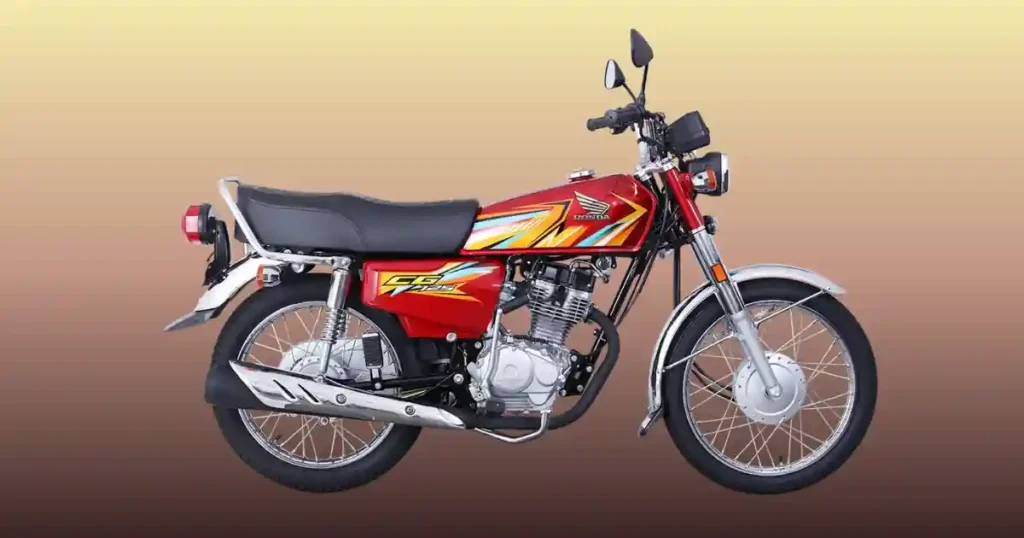
Pushing your kick starter only to hear a dead silence is incredibly frustrating. A few winters ago during a freezing week in Lexington, Kentucky, a rider brought in a bike after trying to start it for an hour. The fix was just a tiny turn of the fuel tap that he forgot to switch on. Minor fuel or spark faults frequently mimic major engine failures on these simple commuter bikes. Before you pull your machine apart or spend hard-earned cash on a tow truck, let us walk through a clear diagnostic path. Finding the cause of your honda cg 125 not starting issue is easy when you test instead of guess.
Honda CG 125 Not Starting? Check These Things First
Before grabbing a toolbox, spend five minutes checking the simple stuff. One cool Wednesday morning in Lexington, Kentucky, a rider thought his Honda CG 125 needed a new CDI unit. The actual problem? The fuel tap was still turned off after weekend maintenance. One twist later, the engine started on the second kick. We’ve all had those moments.
What Happens When You Try to Start the Bike?
- No response at all: The bike makes zero noise and shows no signs of electrical life.
- Kick starter feels normal but won’t fire: The lever pushes down smoothly with good resistance, but the motor refuses to catch.
- Electric starter clicks: You hear a sharp clicking noise from under the seat when pressing the button.
- Engine cranks but won’t start: The starter motor spins the engine fast, but it never fires up.
- Starts then stalls: The engine runs for a brief second and then dies immediately.
- Weak cranking: The starter motor turns very slowly and sounds like it is struggling.
- Backfires while starting: A loud pop comes from the exhaust pipe while you try to start it.
- Headlight becomes dim: The front light fades out when you press the starting button.
Five-Minute Quick Inspection
- Check fuel level: Open the gas cap and shake the bike to see if there is petrol inside.
- Confirm fuel tap is ON: Ensure the small fuel valve points straight down to the run position.
- Inspect battery voltage: Use a simple meter to see if the battery has enough power stored.
- Verify engine kill switch: Make sure the handlebar switch is set to the run position.
- Check neutral indicator: Confirm the green dash light is on before you try to start.
- Pull the clutch (electric-start models): Squeeze the clutch lever completely to bypass the safety switch.
- Listen for unusual noises: Pay attention to any odd grinding or clicking when trying to start.
- Look for loose battery terminals: Check if the metal wires are tightly bolted to the battery posts.
Signs You Should Stop Troubleshooting and Inspect Carefully
- Burning smell: A sharp odor of melting plastic means you have an electrical short circuit.
- Fuel leak: Wet petrol dripping onto a hot engine creates a serious fire hazard.
- Smoke near wiring: Visible smoke means you must disconnect the battery cables right away.
- Loud grinding noise: Harsh metal sounds mean the starter gears are stripping inside.
- Blown fuse: A broken fuse wire means there is an electrical fault that needs tracing.
- Damaged wiring insulation: Raw copper wires touching the metal frame will cause a short circuit.
How the Honda CG 125 Starting System Works
The Honda CG 125 uses a simple and reliable starting system. Knowing how each component works together helps you find faults much faster.
Main Starting Components
The core system relies on a heavy kick starter or an electric starter motor to turn the crankshaft. Power for the spark comes from a magneto stator and a pulse generator inside the engine side case. This system sends a timed signal to the small electronic CDI unit. The CDI unit tells the ignition coil when to boost voltage and send power to the spark plug. Fuel moves down from the gas tank through a mechanical fuel tap and enters the carburetor. The carburetor mixes the petrol with clean air coming through the air filter element. A main fuse protects the entire electrical path from high current damage on electric-start models.
Starting Sequence Explained
When you kick the lever, the internal gears spin the engine flywheel quite rapidly. The spinning magneto creates electrical current and sends a position signal to the CDI box. The CDI unit processes this data and triggers the ignition coil instantly. The coil sends high voltage down the plug wire to create a bright spark. At the same time, engine vacuum pulls fuel and air out of the carburetor throat. The spark ignites this compressed fuel mixture inside the top cylinder chamber. This tiny explosion forces the piston down and keeps the engine running on its own power.
Most Common Reasons a Honda CG 125 Won’t Start
Most no-start problems are caused by fuel, spark, battery, or ignition issues. Start with the easiest checks before replacing components.
Weak or Dead Battery (Electric Start Models)
Common Symptoms
The horn sounds very quiet, the turn signals flash slowly, and the neutral light dims when you press the starter button.
Voltage Test
Connect a digital meter to the battery terminals. A good battery should read twelve point eight volts or higher when the key is turned off.
Battery Load Test
Watch the meter screen while you press the starter button. If the number drops below ten volts during the crank, the battery is dead.
Replacement Guide
Remove the black negative wire first, then the red positive wire. Slide out the old battery and install a fresh twelve-volt unit in reverse order.
Dirty or Loose Battery Connections
Corrosion
White or green crusty powder forms on the lead posts over time. This powder creates high resistance and blocks electrical current flow.
Cleaning Procedure
Disconnect the cables and scrub the metal tabs with a wire brush and warm water mixed with baking soda.
Faulty Starter Relay
Clicking Noise
A single sharp click from under the seat means the relay is closing but cannot pass power to the motor.
Relay Testing
Touch a heavy screwdriver across the two large copper posts on the relay. If the starter spins, the relay is bad.
Worn Starter Motor
Slow Cranking
The engine turns over very lazily even though the battery is fully charged and the wires are tight.
Motor Inspection
Tap the starter body lightly with a small tool while pressing the button. If it spins, the internal brushes are worn out.
Carburetor Problems
Blocked Main Jet
Tiny dirt particles block the main brass tube inside the bowl. This cuts off fuel when you try to open the throttle.
Dirty Pilot Jet
The pilot jet has a very small hole that manages the engine idle. When it gets plugged, the bike will not start without choke.
Float Valve Problems
A stuck float needle stops fuel from entering the carburetor bowl completely, leaving the engine dry.
Incorrect Fuel Mixture
Adjusting the air screw too far inward cuts off oxygen, causing a rich mixture that floods the spark plug.
Fuel Tap Problems
Blocked Fuel Flow
Rust flakes from inside an old metal gas tank can easily plug the small filter screen inside the fuel tap.
Vacuum Petcock Issues (If Equipped)
A cracked vacuum line prevents engine suction from opening the fuel valve, stopping all fuel flow to the carburetor.
Fouled Spark Plug
Carbon Deposits
Dry black soot covers the ceramic tip when the engine runs too rich. This soot stops the spark from jumping the gap.
Oil Fouling
Wet engine oil coats the electrode if your piston rings or valve guide seals are badly worn out.
Incorrect Plug Gap
The distance between the two metal tips must be exactly zero point seven millimeters for a strong spark.
Ignition Coil Failure
Weak Spark
A failing coil creates a faint orange spark that cannot ignite gasoline under high engine compression.
Coil Resistance Test
Use an ohm meter to check the small primary wires and the thick spark plug lead against factory specifications.
Faulty CDI Unit
No Spark
The Capacitor Discharge Ignition box coordinates the spark timing. A broken CDI causes a complete loss of ignition spark.
Intermittent Starting
Internal circuit damage makes the CDI fail when it gets warm, causing the bike to die randomly while riding.
Stator or Pulse Generator Failure
Weak Charging
A damaged stator coil cannot produce enough electrical current to run the ignition system or charge the battery.
No Ignition Signal
If the pulse generator coil fails, the CDI never knows when to fire the spark plug, preventing ignition.
Low Engine Compression
Worn Piston Rings
Scratched or worn rings let compression escape past the piston into the lower engine cases.
Valve Clearance Problems
Tight valves stay open slightly when the engine gets hot, which causes a total loss of compression pressure.
Honda CG 125 Cranks but Won’t Start
If the engine turns over but never starts, concentrate on fuel delivery, ignition, and compression rather than replacing the starter.
Test Spark Quality
Remove the spark plug from the engine head using a standard plug wrench. Plug the wire cap back onto the top tip. Hold the metal threaded body tightly against a clean metal bolt on the engine. Kick the starter or press the button while watching the gap. You should see a bright blue spark jump across the tips. If the spark is yellow or missing, you have an ignition problem.
Check Fuel Supply
Look at the clear plastic fuel line running from the tank to the carburetor side. Pull the line off the carburetor input tube and open the fuel tap. Petrol should pour out in a steady, strong stream. If it only drips slowly, the fuel tap or tank vent is plugged up.
Inspect Carburetor
Turn the small brass drain screw located at the very bottom of the carburetor bowl. Let the fuel drain into a clean glass jar to check for dirt or water bubbles. If the fuel looks yellow or contains water droplets, you must clean the system.
Examine Air Filter
Remove the plastic side cover to expose the air filter box. Pull the foam element out and check if it is choked with dirt or soaked in engine oil. A dirty filter blocks air flow, making the mixture too rich to start.
Perform Compression Test
Thread a standard mechanical compression gauge into the empty spark plug hole. Twist the handlebar throttle wide open and kick the engine over five times. The gauge needle should rise quickly to a healthy level. Low compression means your valves or piston rings need service.
Honda CG 125 Won’t Kick Start
Kick-start problems often point to ignition, carburetor, or compression issues rather than the kick-start mechanism itself.
Weak Spark
Kick starting creates less electrical energy than an electric starter system because the engine spins slower. If your ignition stator or CDI unit is weak, kicking the lever will not produce enough voltage to jump the spark plug gap. You will need to check all your electrical connections for rust or loose pins.
Flooded Engine
If you kick the bike repeatedly with the choke closed, too much raw petrol enters the cylinder. This liquid soaks the spark plug tip and prevents any spark from firing. Turn the choke off, twist the throttle wide open, and kick the lever five times to clear the extra fuel out.
Incorrect Starting Technique
Starting a cold CG 125 requires a specific routine to avoid flooding the small engine. Turn the fuel tap on, lift the choke lever fully, and find the top of the compression stroke with your foot. Give one long, smooth kick all the way through the stroke without touching the throttle grip.
Valve Clearance
The small intake and exhaust valves must close perfectly to seal the combustion chamber. If the clearance gap is too tight, the valves will hang open slightly during a slow kick start. This allows your starting compression to leak out into the exhaust pipe or intake boot.
Compression Loss
When you step on the kick lever, you should feel a distinct hard spot as the piston rises. If the lever pushes down easily with almost no foot resistance, your engine has lost compression. This is usually caused by a blown head gasket, tight valves, or stuck piston rings.
Honda CG 125 Starts Then Dies
An engine that starts briefly but stalls usually has a fuel delivery or carburetor issue.
Blocked Idle Jet
The tiny pilot jet controls the fuel supply when the throttle is fully closed. If a small speck of dirt gets caught inside this jet, the engine will start with the choke on but will stall out the moment you turn the choke off or try to let it idle.
Fuel Starvation
Petrol might slowly trickle into the carburetor bowl while the bike sits parked. When you start the motor, it quickly burns up this small reservoir of fuel. If the fuel tap or tank cap vent is restricted, the bowl cannot refill fast enough, causing the engine to starve and die.
Air Leak
Check the rubber intake manifold insulator boot located between the carburetor and the engine cylinder head. If this plastic piece is cracked or the mounting bolts are loose, extra air will leak into the engine. This dilutes the fuel mixture, causing a sudden stall.
Incorrect Idle Adjustment
The small spring-loaded screw on the side of the carburetor sets the mechanical idle speed. If this screw is turned too far out, the throttle slider drops completely closed. This cuts off all air and fuel when you let go of the handlebar grip, killing the motor.
Honda CG 125 Won’t Start After Sitting
Long storage can affect fuel quality, battery condition, and ignition performance.
Old Fuel
Modern gasoline begins to break down and lose its volatile compounds in as little as thirty days. The fuel left inside your tank turns into a stale, heavy liquid that resists spark ignition. This stale gas often has a sour, varnish-like smell.
Gummed-Up Carburetor
As old fuel evaporates inside a parked carburetor bowl, it leaves behind a thick, sticky green lacquer. This sticky residue completely plugs up the tiny internal passages of the main and pilot jets, stopping fresh fuel from reaching the cylinder.
Weak Battery
Batteries naturally discharge their stored electrical energy when left sitting idle for months. The internal lead plates can sulfate, which ruins their ability to hold a charge. This leaves you with a dead battery that cannot power the electric starter.
Corroded Electrical Connectors
Moisture in the air attacks exposed copper wire terminals over time. A thin layer of green rust forms inside the CDI and ignition coil plugs, blocking the low-voltage signals needed to create a strong spark when you try to start the bike.
Rust Inside Fuel Tank
If a motorcycle is stored with a partially empty steel gas tank, moisture will condense on the bare inner walls. This creates orange rust flakes that drop into the fuel, quickly clogging the fuel tap screen and the internal carburetor parts.
Honda CG 125 Won’t Start After Rain
Water can interfere with ignition components and electrical connections.
Wet Spark Plug
Heavy rain can easily force water down into the rubber spark plug cap. The high-voltage electrical current will take the path of least resistance, leaping through the water to the metal engine head instead of jumping the plug gap inside the cylinder.
Moisture in CDI Connections
The CDI unit sits under the seat or side cover where water can spray up from the rear tire. If the plastic wire boot is cracked, moisture enters the pins and shorts out the ignition timing signal, causing a sudden loss of spark.
Water Around Ignition Coil
The ignition coil uses two small spade terminals to receive power from the wiring harness. When water coats these exposed metal clips, it creates a direct electrical short to the frame, preventing the coil from building up high voltage.
Damp Air Filter
Riding through heavy downpours can pull wet mist into the air box intake opening. If the paper or foam air filter element absorbs too much water, it acts like a solid wall that stops air from entering the engine, causing immediate flooding.
Step-by-Step Honda CG 125 No-Start Diagnosis
Professional mechanics diagnose motorcycles one system at a time. One rainy Thursday in Nashville, Tennessee, a rider nearly bought a replacement carburetor. A quick spark test revealed a cracked spark plug cap instead. Ten dollars later, the motorcycle was back on the road before lunchtime.
Step 1 – Check Fuel Supply
Pull the main fuel line off the side of the carburetor body. Turn the fuel tap valve to the on position and verify that gasoline pours out in a strong, steady stream. If no fuel appears, check your gas level or clear the tank vent hole.
Step 2 – Test Battery Voltage
Touch your digital multimeter leads to the positive and negative battery screws. Note the resting voltage score with the ignition key turned off. A healthy battery must show at least twelve point eight volts to reliably spin the starter motor.
Step 3 – Inspect Battery Connections
Give both the thick red positive cable and black negative wire a firm physical wiggle with your fingers. The metal connection loops must be clamped completely tight against the lead terminals. Clean away any white crusty powder with a wire brush.
Step 4 – Check Spark Plug
Unscrew the spark plug from the cylinder head using a standard spark tool. Look closely at the color of the ceramic tip. A wet black tip means the engine is flooded with fuel, while a dry white tip means no fuel is entering.
Step 5 – Test Ignition Coil
Connect your meter leads to the small primary input tabs on the side of the ignition coil. Check the resistance values against your service manual specs. A shorted internal wire winding means the coil cannot produce high voltage for the spark.
Step 6 – Inspect Carburetor
Loosen the small flathead drain screw at the bottom base of the carburetor bowl. Drain the fuel into a clean clear cup to check for water bubbles or dirt flakes. If the fuel looks clean, the internal jets may still be plugged.
Step 7 – Test Compression
Place your thumb tightly over the empty spark plug hole in the cylinder head. Give the kick starter a firm push down with your foot. You should feel a very strong pressure try to push your thumb away from the opening.
Step 8 – Check CDI and Stator
Unplug the plastic wiring harness connector from the side of the CDI box. Use your meter to check for continuity from the engine pulse generator coil. A broken stator wire will stop the ignition signal from reaching the CDI unit.
Honda CG 125 Starting Problems Diagnostic Table
Experienced mechanics compare symptoms before replacing parts. This method prevents unnecessary spending and speeds up repairs.
Experienced motorcycle mechanics use a systematic guide to match common symptoms with their primary causes. This process eliminates guesswork and saves valuable repair time in the workshop.
| Observed Symptom | Most Probable Cause | Difficulty Level | DIY Home Repair |
| Zero dashboard power or response | Dead battery or blown main fuse | Easy | Yes |
| Rapid metallic clicking noise | Insufficient battery charge | Easy | Yes |
| One loud distinct click only | Burnt starter relay contacts | Easy | Yes |
| Healthy cranking but won’t fire | Wet spark plug or no fuel | Medium | Yes |
| Starts up briefly then dies out | Blocked pilot jet in carburetor | Medium | Yes |
| Engine backfires while starting | Damaged CDI or incorrect timing | Medium | Sometimes |
| Sluggish, very slow engine crank | Worn starter motor brushes | Medium | Sometimes |
| Kick starter pushes down too easily | Low cylinder compression | Hard | Sometimes |
Battery Voltage Reference Table
A digital multimeter provides an accurate picture of your battery health. Use these exact numbers to evaluate your power cell condition.
Testing battery voltage under a starting load gives you a true indication of the internal cell health before you buy a new replacement.
| Voltage Reading | Real Battery Condition | Required Remedial Action |
| 12.8V or higher | Excellent state of charge | Keep looking for non-battery faults |
| 12.5V to 12.7V | Satisfactory charge level | Perform a cranking load test to verify |
| 12.2V to 12.4V | Weak electrical capacity | Charge battery using a slow trickle charger |
| Below 12.0V | Poor internal condition | Attempt a deep charge or check for dead cells |
| Below 10.0V under load | Complete internal cell failure | Replace the battery with a fresh unit immediately |
Troubleshoot by Symptom
Different symptoms point to different systems. Start with the most likely cause before replacing components.
Isolate starting faults quickly by grouping your observations into clear categories. Focus your efforts only on the systems related to your specific breakdown sign.
| Symptom Noted | Possible System Fault | Initial Troubleshooting Check |
| Complete loss of ignition spark | Faulty CDI box or bad stator coil | Test pulse generator wire with meter |
| Kick starter slips without catching | Broken internal kick spring or gear | Check physical lever return action |
| Engine runs only with choke on | Clogged pilot jet inside carburetor | Remove bowl and spray out brass jets |
| Loud popping from exhaust pipe | Incorrect ignition spark timing | Inspect flywheel woodruff key alignment |
| Engine fires briefly then stalls | Defective fuel tap or plugged vent | Check fuel flow volume from line |
| Electric starter spins but engine stays still | Failed starter clutch assembly | Listen for a high-pitched spinning whine |
Essential Tools Every Honda CG 125 Owner Should Own
You don’t need an expensive workshop to diagnose most starting issues.
Recommended Diagnostic Tools
- Digital multimeter: Measures exact battery voltages and checks wire continuity across the harness circuits.
- Spark tester: Connects inline to safely visually check the strength and color of your ignition spark.
- Compression tester: Screws into the spark plug port to evaluate the mechanical seal of your valves.
- Carburetor cleaner: A high-pressure chemical spray that quickly dissolves sticky fuel varnish inside brass jets.
- Battery charger: A low-amperage smart maintenance charger that keeps your battery topped up during storage.
- Battery load tester: Applies a simulated starter load to reveal weak cells inside the battery casing.
- Test light: A simple probe tool used to find broken power lines along the main chassis harness.
- Feeler gauge: Precision metal strips used to measure and adjust your engine valve clearances correctly.
- Socket set: A selection of metric sockets needed to remove body panels and engine covers easily.
- Screwdriver kit: Quality flathead and Phillips screwdrivers to remove the carburetor and switch housings.
Common Mistakes Owners Make
Many starting problems become expensive because simple checks are skipped.
Replacing the Carburetor Too Early
Many riders buy a cheap aftermarket carburetor online the moment their engine sputters. Most of the time, the original factory carburetor simply has a tiny piece of dirt inside the pilot jet that could be cleaned out for free with a regular can of spray cleaner.
Ignoring Valve Clearance
When a CG 125 becomes hard to start when the engine is warm, owners often blame the ignition system. They completely overlook the valve clearances, which naturally tighten up over time and cause a massive loss of compression when the metal expands.
Forgetting the Fuel Tap
It sounds silly, but many emergency workshop visits start with an empty carburetor bowl simply because the mechanical fuel tap valve was left turned off or set to the main position when it needed to be switched over to the reserve tank supply.
Skipping Spark Testing
Guessing whether you have an electrical issue by changing parts randomly wastes a lot of money. Owners frequently buy new ignition coils and CDI units before performing a basic five-second spark plug grounded test against the engine cylinder head block.
Using Old Fuel
Leaving pump gasoline sitting inside a parked motorcycle for six months and expecting it to start smoothly is a very common mistake. Stale fuel loses its ability to ignite easily and will quickly clog up your carburetor with sticky green varnish lacquer.
Ignoring Loose Ground Wires
A loose or rusty main green ground wire bolt on the engine crankcase disrupts the entire electrical return path. Owners often replace expensive components when the actual fault is a simple loose bolt under the frame that costs nothing to tighten.
Expert Advice From a U.S. Motorcycle Technician
Reliable motorcycles like the Honda CG 125 usually fail for simple reasons, not catastrophic ones.
“Most Honda CG 125 no-start bikes entering our workshop need basic ignition or fuel system repairs rather than major engine work. Always test spark, fuel, and compression before buying replacement parts.” — David Carter, Motorcycle Technician, North Carolina
Why Mechanics Always Test Spark First
Testing for a strong spark first allows a mechanic to instantly divide the troubleshooting path in half. If the spark plug creates a bright blue arc, you can completely skip checking the stator, CDI box, ignition coil, and safety switches. Your full diagnostic focus can turn immediately to checking the fuel delivery lines and carburetor jets.
A Real Workshop Story
One busy Monday morning, a rider brought in a classic CG 125, fully convinced that the internal piston rings had failed because the bike would not start. We skipped the expensive engine teardown and performed a basic spark check against the cylinder head. The spark was completely missing because the inner copper wire inside the spark plug cap had vibrated loose over time. A quick twenty-dollar replacement cap solved the entire starting problem, and the happy customer rode home before noon.
Preventing Honda CG 125 Starting Problems
Routine maintenance keeps this motorcycle dependable for commuting and daily riding.
Replace Spark Plugs Regularly
Change your spark plug every eight thousand kilometers to ensure a clean, efficient burn inside the combustion chamber. A fresh plug reduces strain on your ignition coil and makes the bike start much faster on cold mornings.
Clean the Carburetor
Remove the carburetor bowl once a year to spray out any accumulated sediment or water droplets. Cleaning the tiny passages before they get completely blocked prevents sudden stalling issues when you are out on the road.
Maintain Battery Health
Connect your battery to a smart trickle charger if you plan to leave the motorcycle parked for more than two weeks. Keeping the charge level topped up prevents the lead plates from ruining their internal power capacity.
Keep Fresh Fuel in the Tank
Always buy fuel from busy petrol stations to ensure you are putting clean, water-free gasoline into your tank. If you store the bike, add a quality fuel stabilizer to prevent the petrol from turning into sticky varnish.
Adjust Valve Clearance
Check and adjust your engine valve clearances every four thousand kilometers using a set of precision feeler gauges. Proper clearance ensures the valves close completely, keeping your engine compression levels at factory specification.
Inspect Wiring Annually
Look over your main wiring harness every spring for signs of rubbing or cracked plastic insulation. Wrapping worn sections with quality electrical tape prevents rain water from causing temporary short circuits that kill your ignition spark.
When Should You Visit a Motorcycle Workshop?
Some problems require specialized tools or advanced mechanical experience.
CDI Failure
If your ignition spark remains missing after replacing the plug, cap, and coil, the internal circuits of the CDI box may have failed. A professional workshop can use an oscilloscope tool to test the electronic output pulses accurately.
Internal Engine Damage
Harsh metallic knocking or scraping sounds when you push the kick starter mean an internal bearing or gear has broken. This type of mechanical damage requires splitting the main engine crankcases to fix safely.
Low Compression
When a proper gauge test shows your cylinder compression is below factory limits, the engine requires a top-end rebuild. Boring out the cylinder and fitting new oversized piston rings is a precise job best left to a machine shop.
Electrical Harness Repairs
If a short circuit has melted a large section of your main wiring loom under the fuel tank, repairing the damage can be incredibly tedious. A professional mechanic can overlay fresh wires neatly using factory-spec crimp connectors.
Persistent Starting Problems
When you have cleaned the carburetor, changed the plug, and verified the fuel flow, yet the bike still refuses to start reliably, a professional diagnostic scan can pinpoint rare intermittent faults inside the stator windings.
Honda CG 125 Compared With Similar Honda Motorcycles
Many Honda commuter motorcycles use similar ignition and fuel systems, making troubleshooting methods nearly identical.
Honda CG125 vs Honda CB125F
The classic CG125 uses an old-school overhead valve engine layout with a mechanical pushrod system that requires regular manual clearance adjustments. The modern CB125F utilizes an overhead camshaft design paired with an electronic fuel injection system, which eliminates carburetor clogging issues but adds electronic sensors that require a digital diagnostic scanner to troubleshoot.
Honda CG125 vs Honda Shine 125
The Shine 125 features a smooth five-speed gearbox and a modern carburetor design with a specialized cold-start enrichment circuit. While the CG125 relies on a simple mechanical butterfly choke lever that is easy to fix with your fingers, a starting issue on a Shine often involves checking an automated thermal choke valve plunger.
Honda CG125 vs Honda SP125
The SP125 is packed with advanced digital technology, including an alternating current generator starter system that spins the engine silently without using a traditional starter motor or loud mechanical relay. If an SP125 refuses to start, the troubleshooting path involves checking digital computer sensors rather than inspecting basic copper relay contacts like you would on an electric-start CG125.
Common Starting Problems Across Honda 125cc Motorcycles
Across this entire family of commuter bikes, the most frequent reason for a sudden breakdown remains simple water contamination inside the fuel system. Because these small tanks vent to the outside air, parking in heavy rain can let tiny water droplets enter the fuel supply, where they settle straight to the bottom of the carburetor bowl and block ignition.
Frequently Asked Questions
Why is my Honda CG 125 not starting?
The most common reasons are an empty fuel tank, a closed fuel tap valve, a weak or dead battery, a fouled spark plug tip, or a tiny speck of dirt blocking the pilot jet inside your carburetor bowl.
Why won’t my Honda CG 125 kick start?
If the lever pushes down with normal resistance but the engine will not fire, the problem is usually a wet, flooded spark plug, old stale gasoline, or an incorrect starting technique on cold mornings.
Why does my Honda CG 125 crank but not start?
This means your starter motor or kick lever is turning the engine fine, but the combustion chamber is missing either a strong electrical spark from the plug or a proper mix of fresh fuel from the carburetor.
Can a bad CDI stop a Honda CG 125 from starting?
Yes, the CDI box is the brain of the ignition system. If the internal electronics crack or burn out, the unit will stop sending timing signals to the ignition coil, resulting in a complete loss of spark.
Why does my Honda CG 125 lose spark?
A sudden loss of spark is typically caused by a loose spark plug cap, a corroded ground wire, water entering the CDI plug connector, or a failing pulse generator coil inside the engine side case.
Why won’t my Honda CG 125 start after sitting for months?
The fuel left inside the carburetor bowl dries up over time, leaving behind a thick sticky varnish that plugs the brass jets. The battery will also naturally discharge and lose its starting power.
How do I know if the carburetor is blocked?
If the motorcycle will only start and run with the choke lever fully lifted, but dies the instant you turn the choke off or touch the throttle, your pilot jet is completely blocked with dirt.
How much does it cost to repair a Honda CG 125 that won’t start?
Basic tasks like cleaning the carburetor jets or tightening a loose battery cable bolt cost nothing but your time. A fresh spark plug or main fuse is very cheap, while a new stator coil will require a larger budget.
Final Recommendation
Dealing with a non-starting motorcycle can be a frustrating experience, but over my years of working on these legendary machines, I have learned that the fix is almost always incredibly simple. My ultimate recommendation is to avoid the temptation to buy new parts the moment your engine fails to fire up. Instead, take a deep breath and spend ten minutes checking the basic foundations: verify your fuel flow, check your battery voltage with a simple meter, and confirm you have a bright blue spark. Keeping your carburetor clean and your valve clearances adjusted properly will ensure your Honda CG 125 remains completely dependable for every single journey.

Ehatasamul Alom is a dedicated road hybrid bikes expert. With over 15 years of experience, he helps people find the perfect ride. He began his journey as a bike mechanic. He learned the ins and outs of every bike.
Ehatasamul Alom holds a Master's degree in Mechanical Engineering from a Brown University (Providence US 02912), where he specialized in material science and bicycle kinematics. His master's thesis focused on optimizing frame geometry for road hybrid bikes to improve rider comfort and efficiency.
Ehatasamul has an extensive professional background. He spent 10 years (2010-2020) as a Senior Bike Designer at "Urban Cycles," a leading bicycle manufacturer. In this role, he led the development of several award-winning road hybrid bikes, which are known for their durability and performance. He later served (2020-2024) as the Head of Product Development at "Gear Up," a company specializing in high-end cycling components. There, he developed innovative parts and accessories specifically for road hybrid bikes.
Over the years, Ehatasamul has become an authority on Roadhybridbikes. He understands their design and function. His work focuses on making bikes easy to use. Ehatasamul believes everyone should enjoy cycling. He writes guides that are simple to read. His passion for road hybrid bikes is clear. His goal is to share his knowledge with everyone. He wants to see more people on two wheels. His advice is always practical and easy to follow.
- Ehatasamul Alom

- Ehatasamul Alom
- Ehatasamul Alom

- Ehatasamul Alom