The Ninja name appears on motorcycles built for different kinds of riding. A bike that looks exciting in a photograph may feel demanding in traffic, while another with similar bodywork may be comfortable enough for regular journeys. Choosing well means looking past colour and engine size to the riding position, your experience, the roads you use and the condition of the particular machine. A larger model is not automatically a better match, and a smaller one is not merely a temporary choice. This guide helps you decide which type of Ninja fits your plans, what to check during a viewing and how to avoid buying a bike whose appeal fades on the first long ride.
Separate your riding goals
Write down the journeys you expect to make most often. Will you ride through town, travel between cities, enjoy weekend roads or seek training for track riding? The answer should shape the bike you consider. Stop-and-go traffic puts different demands on your wrists and clutch hand from an open road, while a long journey reveals whether the seat and wind protection work for you.
Think about your current experience as honestly as your ambitions. Confidence with a motorcycle comes from practice, judgement and training, not just the ability to control it in a straight line. If you are still building basic skills, prioritise a machine that lets you manage low-speed turns, braking and parking comfortably. An instructor can help you identify which aspects of a bike’s weight and response you can manage confidently before you shop. An experienced rider may have different priorities, but should still judge a bike in the conditions where it will spend most of its time.
A look through Kawasaki Ninja listings shows why the exact model matters: adverts may cover several sizes and riding styles under the same family name. Compare the full model designation, year and condition before deciding which motorcycles deserve a viewing. Ask for photographs of the actual bike rather than treating a familiar fairing shape as proof of what is being offered.
Distinguish sporty road bikes from supersports
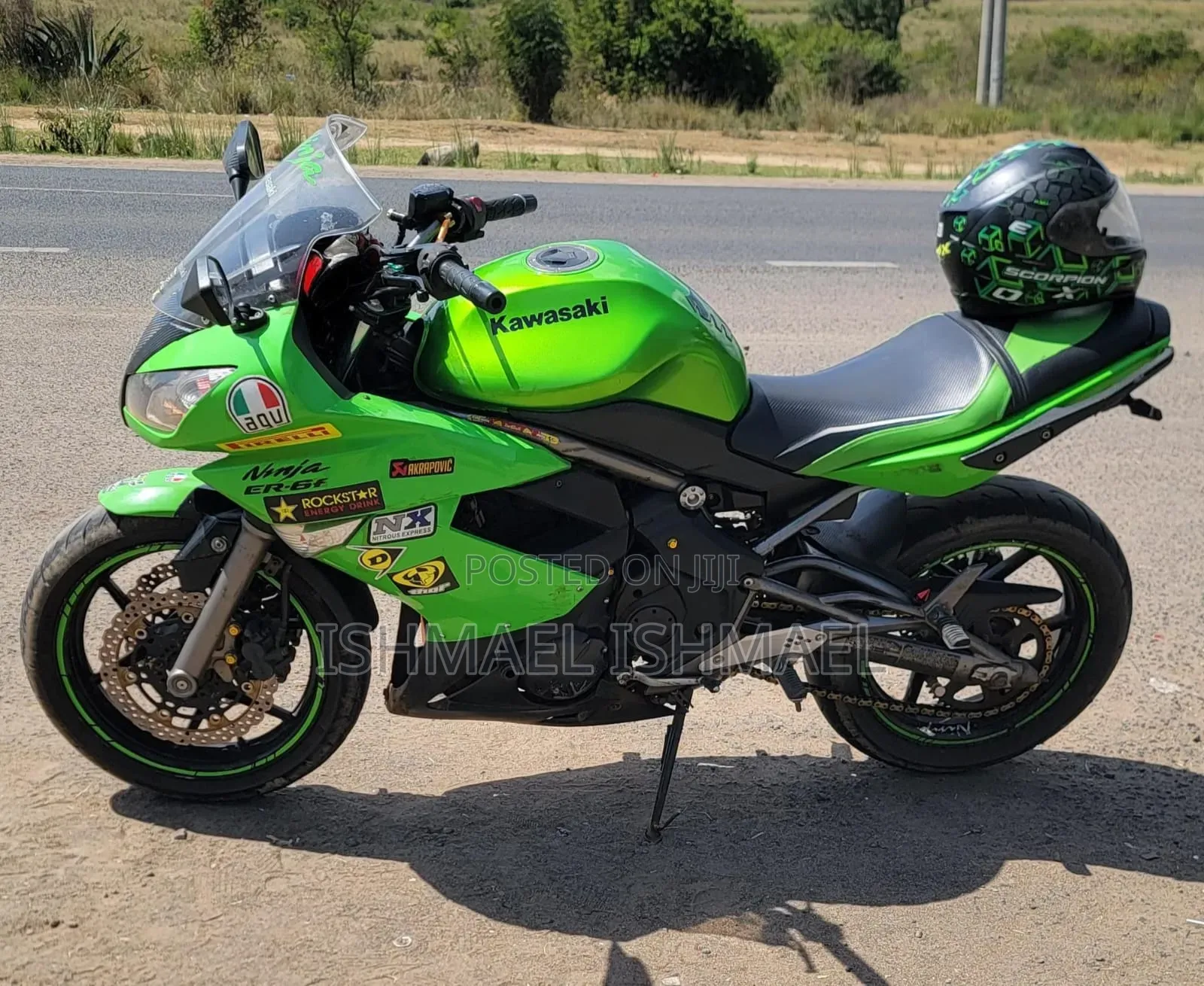
The Ninja family includes machines with different seating positions and performance characters. Some are designed with a relatively relaxed posture that can suit everyday road use. More focused supersport models often place the rider differently and may feel less forgiving in traffic or on uneven surfaces. There is no single “Ninja riding position”, so compare the exact bike rather than relying on the badge.
Read independent descriptions and the manufacturer’s information for the relevant model year, then sit on the bike yourself. Notice the reach to the bars, bend at the knees and how your weight rests on the seat and hands. A dramatic-looking bike can be surprisingly manageable, while a modest-looking one may not fit your body. Personal fit matters more than assumptions based on photographs.
Test the ergonomics before the engine
With the motorcycle secure and the seller’s permission, sit in your normal riding gear. Can you reach the controls without stretching? Can you support the machine confidently at a stop? Do the mirrors show a useful view, and can you turn the bars without your hands contacting the bodywork? These simple checks can eliminate a poor fit before you spend time discussing power or accessories.
Consider how the posture will feel after a longer period, not just while stationary. A firm seat or forward lean may be acceptable for a short recreational ride and tiring during a daily commute. If you plan to carry a passenger, ask them to assess the pillion space and how the added weight affects your comfort. Do not assume that aftermarket changes have improved the bike for every rider.
Match performance to your skills
Different Ninja models respond differently to the throttle, brakes and steering. Look for a motorcycle whose behaviour you can manage smoothly, especially when road conditions are imperfect. Choosing by top speed or the most impressive specification in an advert misses the point: you need predictable control in ordinary riding. A rider-training course or supervised practice can help you understand what you are ready to handle.
Ask which rider aids are fitted to the exact motorcycle, if any, and confirm they work. Features can vary by model, market, year and variant. Do not assume a system is present because it appears in a review of a newer bike. Electronic aids can support a careful rider, but they cannot make excessive speed or poor judgement safe.
Think about the roads you actually use
In Kenya, a route can involve smooth stretches, traffic, speed changes and rougher sections in a single journey. Consider how easily you can manoeuvre the bike at low speed and whether its suspension and riding position suit your regular roads. A sport-oriented machine may be enjoyable on a good road yet inconvenient where surfaces are damaged or parking space is tight.
Plan for weather and luggage as well. Ask where you will carry a rain layer, work bag or small tools without compromising control. A backpack may seem adequate until you spend a long time on the bike. If you expect to tour, check whether the model can accommodate the luggage arrangement you want and whether you can still mount and balance it comfortably.
Understand the full ownership commitment
The purchase is only the beginning. Tyres, brake parts, chain maintenance, fluids, insurance and protective riding equipment all belong in the plan. The demands can differ considerably across the Ninja range, so ask a knowledgeable workshop about the exact model and its service schedule. A bike that fits your riding but cannot be maintained conveniently may become a source of frustration.
Check whether parts and suitable service support are accessible where you live. Ask the seller for the manual, keys and any records of past work. Custom exhausts, altered gearing or other modifications may change how the motorcycle feels and can complicate maintenance. Find out what was changed, whether original parts are included and whether the work was done properly.
Inspect a used bike beneath the fairings
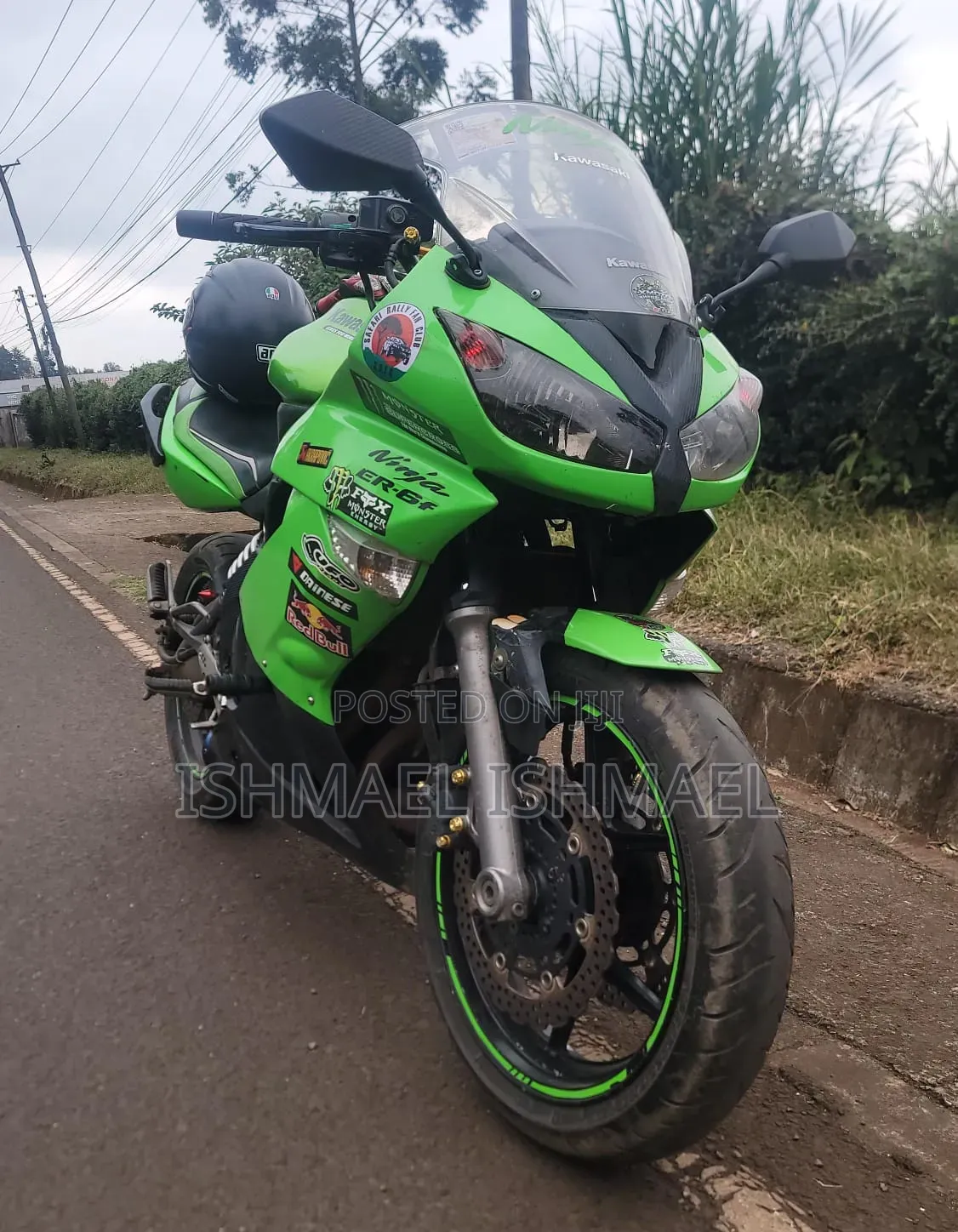
Sport-bike bodywork can hide damage as well as make a machine look attractive. Examine fairing gaps, mounting points, fasteners and paint consistency. Scratches may be purely cosmetic, but cracked mounts or parts that do not line up deserve an explanation. Look at the handlebar ends, levers, footrests and engine covers for signs of a fall. If you suspect more than minor damage, have a qualified mechanic check the frame and steering.
Inspect tyres, brakes, chain, suspension and visible fluid areas with the same care you would give the engine. Ask for a cold start and service records. A recent wash or a short run does not establish the machine’s condition. For a serious purchase, an independent inspection is worthwhile, especially if you are unfamiliar with the model or the bike has been modified.
Verify the identity and paperwork
Match the bike’s identifying details to the documents and confirm who has authority to sell it. A model name in a listing is not enough to establish the exact variant or ownership. Check the current process for registration and transfer with the relevant Kenyan authority or a qualified professional before paying. Do not leave essential paperwork to an informal promise after handover.
Ask whether the motorcycle has been imported, repaired after a collision or used for track riding, and request supporting information where possible. None of those facts automatically rules out a bike, but each affects what you should inspect. If the seller avoids reasonable questions or refuses an independent check, continue looking.
Ride only when it is safe and permitted
A test ride can reveal awkward controls, pulling, vibration or braking concerns that are hard to judge while parked. Ride only with permission, appropriate licensing, legal cover and protective equipment. Begin gently on a suitable route. There is no need to test the limits of speed or grip to decide whether a bike feels balanced and predictable.
If a test ride is not possible, ask for a qualified mechanic’s assessment and a demonstration by a suitable rider. Do not treat a video as proof that every system is sound. Once you buy, allow time to learn the bike gradually and consider further rider training. The right motorcycle should encourage control and confidence, not pressure you to ride beyond your skills.
A comparison checklist
- Purpose: Does this exact model suit your regular roads and riding goals?
- Fit: Can you reach the controls, balance at a stop and remain comfortable?
- Features: Have you verified the equipment fitted to this year and variant?
- Condition: Have fairings, frame, tyres, brakes and maintenance history been assessed?
- Support: Can you obtain service and parts for the exact model?
- Records: Do the bike’s identifying details and seller’s documents agree?
The bottom line
The best Kawasaki Ninja for you is the one that fits your body, experience and everyday riding, and whose condition you can verify. Compare exact models rather than the family name, sit on the bike and plan for maintenance as well as the purchase. For a used motorcycle, inspect it independently and confirm the paperwork before committing. A good match should feel enjoyable while leaving room for careful, skilled riding.

Ehatasamul Alom is a dedicated road hybrid bikes expert. With over 15 years of experience, he helps people find the perfect ride. He began his journey as a bike mechanic. He learned the ins and outs of every bike.
Ehatasamul Alom holds a Master's degree in Mechanical Engineering from a Brown University (Providence US 02912), where he specialized in material science and bicycle kinematics. His master's thesis focused on optimizing frame geometry for road hybrid bikes to improve rider comfort and efficiency.
Ehatasamul has an extensive professional background. He spent 10 years (2010-2020) as a Senior Bike Designer at "Urban Cycles," a leading bicycle manufacturer. In this role, he led the development of several award-winning road hybrid bikes, which are known for their durability and performance. He later served (2020-2024) as the Head of Product Development at "Gear Up," a company specializing in high-end cycling components. There, he developed innovative parts and accessories specifically for road hybrid bikes.
Over the years, Ehatasamul has become an authority on Roadhybridbikes. He understands their design and function. His work focuses on making bikes easy to use. Ehatasamul believes everyone should enjoy cycling. He writes guides that are simple to read. His passion for road hybrid bikes is clear. His goal is to share his knowledge with everyone. He wants to see more people on two wheels. His advice is always practical and easy to follow.
- Ehatasamul Alom

- Ehatasamul Alom
- Ehatasamul Alom

- Ehatasamul Alom