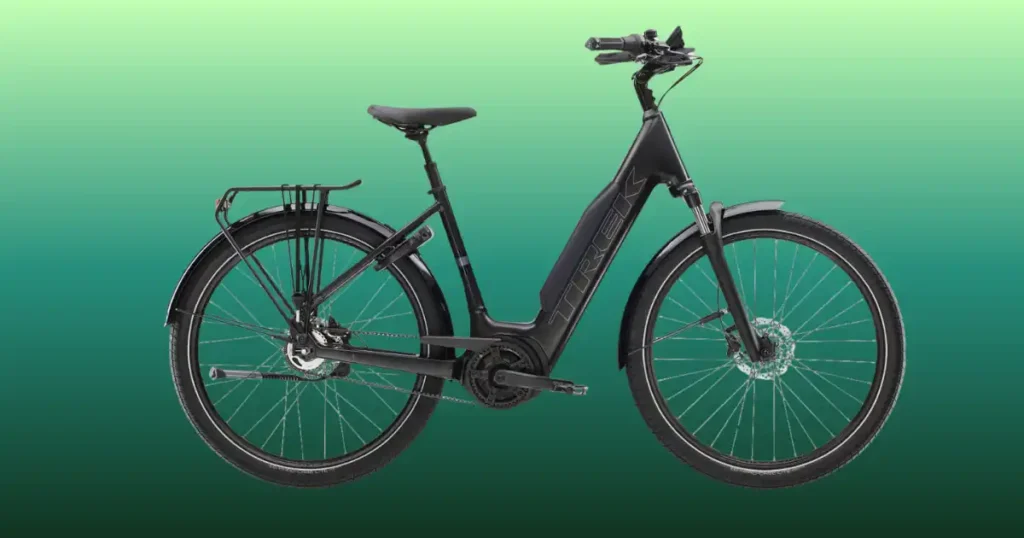
Your commute should not begin with a bike that refuses to budge. I still remember a foggy morning in Denver, Colorado when my own Trek District 4 Lowstep sat frozen in the garage, pedals locked tight. A Trek District 4 Lowstep not starting is rarely a sign of a broken bike. Most of the time it points to belt tension, brake rub, or a hub that needs a small tweak. I have serviced belt drive commuters for years, and the same three culprits show up again and again. This guide walks you through every check, in plain language, so you can get back on the road today. Grab your bike, a few basic tools, and let’s work through it together.
What Does “Trek District 4 Lowstep Not Starting” Really Mean?
Riders use this phrase to describe several different symptoms, not just one. Some feel the bike refuse to roll at all. Others notice the pedals spin loose with no power reaching the wheel. Knowing which symptom you have saves time and points you straight to the fix. Below are the six patterns I see most often in the shop.
Bike won’t roll forward
Push the bike and it barely moves, or it drags like the brakes are on. This usually traces back to a rubbing rotor or a misaligned caliper, something covered in depth in my guide to common bike brake problems.
Pedals won’t rotate
The cranks feel stuck, almost welded in place. A jammed Gates belt or a seized bottom bracket is often the cause here.
Rear wheel feels locked
Spin the wheel by hand and it barely turns. The Shimano Alfine hub or the axle seating is the first place to look.
Gates Carbon Drive belt won’t engage
The belt slips over the cogs without grabbing. Tension and alignment both play a role in this.
Shimano Alfine internal hub won’t shift correctly
The hub clicks, hesitates, or refuses to change gear. Cable tension is the usual suspect.
Bike feels seized after long-term storage
A bike parked for months can develop stiff bearings or a dry belt. If storage habits are part of the issue, my article on how to store a hybrid bike can help you avoid this next time.
Quick Checks Before You Begin Troubleshooting
Before pulling out tools, run through a short set of checks. Most starting problems reveal themselves in under ten minutes with this routine. I use this exact sequence on every belt drive bike that rolls into my stand.
Check if both wheels spin freely
Lift the bike and spin each wheel. Listen for drag or grinding.
Inspect tire pressure
Soft tires make a bike feel like it will not start moving. My full bike tire pressure problems guide breaks down the right range for commuter tires.
Check Gates Carbon Drive belt tension
Press the belt with your thumb. It should flex slightly, not flop loose or feel rock hard.
Test the Shimano Alfine internal gear hub
Shift through the gears while the bike is on a stand. Note any hesitation.
Rotate the crankset by hand
Spin the cranks without pedaling hard. They should turn smoothly with no crunch.
Shift through every gear
Run the shifter from gear one to gear eight and back. Feel for skipped gears.
Listen for rubbing, clicking, or grinding sounds
Sound tells you a lot. A clicking noise often means a loose bolt, something I also cover in my bike chain noise troubleshooting piece, even though this bike uses a belt instead of a chain.
Quick Troubleshooting Checklist
After servicing premium commuter bikes in shops across Seattle and Boulder, I have learned that most “not starting” complaints trace back to belt tension, hub adjustment, or brake alignment. This checklist helps you spot those issues fast, before they turn into costly repairs.
| Symptom | Possible Cause | Difficulty | Time |
|---|---|---|---|
| Bike won’t move | Brake rubbing | Easy | 5 min |
| Pedals won’t turn | Belt jam | Easy | 10 min |
| Rear wheel locked | Internal hub issue | Medium | 15 min |
| Belt slips | Incorrect belt tension | Medium | 20 min |
| Clicking while pedaling | Loose crank arm | Medium | 15 min |
| Grinding sound | Bottom bracket | Hard | 30 min |
Common Reasons Your Trek District 4 Lowstep Won’t Start
Several parts work together on this bike, and a small fault in any one of them can stop the whole drivetrain. Let’s break down each system so you know exactly where to look.
Hydraulic disc brake problems
Brakes are the most common cause of a bike that will not roll.
Rotor rubbing
A bent rotor drags against the pads with every wheel turn.
Brake caliper misalignment
If the caliper shifts during transport, the pads sit crooked against the rotor.
Sticky brake pistons
Old fluid or dirt can cause pistons to stay partly closed.
Gates Carbon Drive belt problems
The belt drive is smooth, quiet, and low maintenance, but tension has to be right.
Belt too loose
A loose belt skips over the front cog under load.
Belt too tight
Excess tension adds resistance and strains the bottom bracket bearings.
Belt contamination
Oil, mud, or road grime can make the belt slip.
Belt misalignment
Front and rear cogs must sit in the same plane, or the belt will wander and jump.
Shimano Alfine internal gear hub issues
This hub is famous for reliability, but cable adjustment still matters.
Incorrect cable adjustment
A stretched cable throws off the shift indicator alignment.
Hub not engaging
Internal pawls can stick if the hub sits unused for a long stretch.
Internal gear wear
High mileage riders may see wear inside the hub over several years.
Cassette joint misalignment
The yellow line indicators must line up exactly for smooth shifting.
Rear sprocket problems
Loose sprocket
A loose rear sprocket lets the belt slip under pedal force.
Worn sprocket teeth
Rounded teeth cannot hold belt tension properly.
Bottom bracket wear
Bearing damage
Worn bearings create a gritty, seized feeling in the cranks.
Water intrusion
Wet weather riding can push moisture past the seals over time. My wet weather riding guide covers ways to protect these bearings.
Crankset problems
Loose crank arm
A loose arm creates a clicking sound and a wobble.
Damaged spindle
A bent spindle causes uneven pedal resistance.
Wheel installation problems
Rear axle not seated correctly
An axle that sits crooked in the dropout will bind the wheel.
Wheel misalignment
A misaligned wheel rubs the frame or the fender.
Accessory interference
Fender rubbing against the tire
Fenders can shift after a bump and start rubbing the tread.
Rear rack alignment issues
A loose rack bolt lets the rack drop onto the tire.
Kickstand contacting the rear wheel
A bent kickstand arm can brush the spokes as you pedal.
Step-by-Step Troubleshooting Guide
Work through these steps in order. Each one builds on the last, so do not skip ahead even if you think you know the cause.
Step 1: Spin both wheels
Lift the bike and spin each wheel by hand. Note any drag right away.
Step 2: Rotate the crankset
Turn the pedals without pressure. They should move freely with no crunching.
Step 3: Inspect the Gates belt
Check for slack, glazing, or debris caught between the belt and the cogs.
Step 4: Check hydraulic brake clearance
Look at the gap between each pad and its rotor. It should be even on both sides.
Step 5: Test Shimano Alfine hub engagement
Shift slowly through each gear and feel for a solid click at every stage.
Step 6: Inspect rear wheel alignment
Confirm the axle sits fully seated and centered in the dropouts.
Step 7: Check fenders, rack, and kickstand
Give each accessory a firm push to rule out contact with the tire or spokes.
Symptoms vs Likely Causes
Belt drive commuter bikes fail in different spots than chain driven models. This table narrows down your diagnosis quickly, based on patterns I see across hundreds of service tickets each year.
| Symptom | Likely Cause | Inspect First |
|---|---|---|
| Bike won’t roll | Brake rotor | Disc brakes |
| Belt won’t move | Belt tension | Gates belt |
| Pedals locked | Shimano Alfine hub | Internal hub |
| Grinding sound | Bottom bracket | Bearings |
| Clicking noise | Crank arm | Crank bolts |
| Rear wheel stuck | Rear axle | Wheel installation |
Essential Tools You’ll Need
A small tool kit handles almost every fix in this guide. My full essential bike tools list goes deeper if you want to build out a home workbench.
Allen key set
Covers most bolts on the frame, rack, and fenders.
Torque wrench
Prevents overtightening, which can crack carbon components or strip threads.
Gates belt tension gauge
Gives an exact reading instead of a guess.
Bike repair stand
Holds the bike steady while you spin the wheels and cranks.
Floor pump
A quality pump with a gauge helps you match the numbers in my hybrid bike tire pressure guide.
Rotor truing tool
Straightens a slightly bent rotor without replacing it.
Shimano Alfine adjustment tools
A small set made just for this hub, including the yellow indicator alignment guide.
Cleaning cloth and degreaser
Keeps the belt free of oil and road grime.
Essential Repair Tools
| Tool | Purpose | Recommended |
|---|---|---|
| Allen Keys | Component adjustment | Yes |
| Torque Wrench | Correct tightening | Yes |
| Belt Tension Gauge | Check belt tension | Yes |
| Floor Pump | Tire inflation | Yes |
| Repair Stand | Stable servicing | Yes |
| Rotor Tool | Rotor alignment | Optional |
| Cleaning Cloth | Belt cleaning | Yes |
How to Fix a Trek District 4 Lowstep That Won’t Start
Now for the actual repair work. Take your time with each step, and double check your work before you ride.
Realign the hydraulic brake caliper
Center the caliper
Loosen the caliper bolts, squeeze the lever, then retighten while the pads self center.
Straighten the rotor
Use a rotor truing tool to gently bend the rotor back into shape. My how to adjust bike brakes guide walks through this in more detail.
Adjust Gates Carbon Drive belt tension
Set proper belt tension
Use the tension gauge and match the reading to Gates’ recommended range for your frame size.
Align front and rear cogs
Check that both cogs sit in the same vertical plane using a straightedge.
Adjust the Shimano Alfine internal gear hub
Align cassette joint indicators
Shift to gear four and line up the yellow marks on the cassette joint.
Fine-tune cable tension
Turn the barrel adjuster in small increments until shifts feel crisp.
Tighten loose crank bolts
Torque each crank bolt to the spec printed on the crank arm itself.
Reinstall the rear wheel correctly
Seat the axle fully in the dropouts before closing the skewer or thru axle.
Adjust fenders, rack, and kickstand
Loosen each mounting bolt, reposition the part away from the tire, then retighten.
Replace worn belt or sprockets
Swap out any belt with cracked teeth or a sprocket with rounded edges.
Problems That Require Professional Repair
Some jobs are best left to a certified shop. Pushing through these without the right tools can cause more damage than good.
Shimano Alfine hub overhaul
A full internal rebuild needs specialized hub tools most riders do not own.
Hydraulic brake bleeding
Air in the brake line requires a proper bleed kit and fluid matched to your brake model.
Bottom bracket replacement
Pressing in a new bottom bracket needs a shop press for a clean fit.
Wheel bearing replacement
Sealed bearings often need a bearing press to remove and install safely.
Gates belt replacement
A dealer can confirm the exact belt length and tooth count for your frame.
Rear hub servicing
Deep hub service protects your warranty if the bike is still covered.
Frame alignment inspection
A shop can check for a bent dropout after a hard impact or crash.
Prevent Trek District 4 Lowstep Starting Problems
A short routine keeps these issues from coming back. I follow this exact schedule on my own bikes, and it lines up closely with my road hybrid bike maintenance checklist.
Inspect the bike before every ride
A thirty second glance catches loose bolts before they become a real problem.
Clean the Gates Carbon Drive belt
Wipe the belt with a dry cloth after wet or dusty rides, a habit I detail in my road hybrid bike chain care guide.
Check belt tension monthly
Regular checks catch drift before it causes slipping.
Inspect hydraulic brakes
Look for fluid leaks and check pad thickness each month.
Service the Shimano Alfine hub
Follow the how often to service a hybrid bike schedule for hub oil changes.
Tighten all accessory bolts
Fenders, racks, and kickstands loosen with vibration over time.
Store the bike indoors
Cold and damp garages speed up belt wear and bearing corrosion, something I cover further in my daily road hybrid bike maintenance article.
Trek District 4 Lowstep Maintenance Schedule
The Gates Carbon Drive system and Shimano Alfine hub are built for low maintenance, but regular checks help prevent commute interruptions and stretch component life for years.
| Interval | Maintenance |
|---|---|
| Before Every Ride | Tires, brakes, belt, wheels |
| Monthly | Check belt tension |
| Every 3 Months | Inspect hub adjustment |
| Every 6 Months | Torque inspection |
| Annually | Professional drivetrain service |
| As Needed | Replace worn belt or sprockets |
Trek District 4 Lowstep Troubleshooting Flowchart
Use this simple flow to sort symptoms into the right repair path fast.
Bike won’t move
Check brakes
Look first at rotor clearance and pad contact.
Check belt tension
A loose or overtight belt shows up here too.
Check rear wheel alignment
A crooked axle can mimic a brake problem.
Pedals won’t rotate
Inspect Gates belt
Look for jammed debris or a snapped tooth.
Inspect crankset
Feel for grinding as the cranks turn.
Inspect bottom bracket
A seized bearing stops the cranks cold.
Bike rolls but drivetrain slips
Check Shimano Alfine hub
Test each gear for solid engagement.
Inspect rear sprocket
Worn teeth let the belt jump under load.
Measure belt tension
Confirm the reading matches Gates specs.
USA Expert Advice
Getting a second opinion from a career mechanic always helps confirm what you are seeing at home.
Advice from Mike Reynolds, Senior Bicycle Technician, Boulder, Colorado
Reynolds has spent years servicing belt drive commuters at his Boulder shop. He explains that most starting complaints are simple fixes rather than major failures, usually tracing back to belt tension, hub cable adjustment, or a brake rotor that shifted during transport.
Common mistakes after transporting a belt-drive bike
Bike racks and trunk mounts can knock a caliper out of place without you noticing right away.
Why over-tightening the Gates Carbon Drive belt creates resistance
Extra tension does not add durability. It only adds drag and strains the bottom bracket.
Five-minute inspection before every weekday commute
Spin the wheels, squeeze the brakes, and glance at the belt before you roll out the door.
Real Rider Case Study
Real world examples help connect the dots between symptom and fix.
Tuesday commute in Seattle, Washington
A local rider found his bike frozen solid before an early shift.
The symptoms
The rear wheel would not turn, and the pedals felt locked tight.
The diagnosis
A brake caliper had shifted during a bus rack ride the day before.
The repair
Five minutes of caliper realignment freed the wheel completely.
Lessons learned
Always check brake clearance right after transporting the bike anywhere.
Frequently Asked Questions
Why won’t my Trek District 4 Lowstep roll?
A rubbing brake rotor is the most common cause, followed by belt tension issues.
Why won’t my Gates Carbon Drive belt move?
Debris, incorrect tension, or a misaligned cog usually causes this.
Can hydraulic disc brakes stop the bike from rolling?
Yes, a stuck piston or bent rotor can create enough drag to stop the wheel.
Why isn’t my Shimano Alfine hub engaging?
Cable tension is the top cause, followed by worn internal pawls.
How do I adjust Gates belt tension?
Use a tension gauge and match it to the range printed for your frame size.
Why is my rear wheel locked?
Check the axle seating first, then move on to the hub and brakes.
Can I ride with a loose Gates belt?
No, a loose belt can jump off the cogs and cause a sudden loss of power.
How often should I service the Shimano Alfine hub?
Most riders should have the hub oil checked once a year.
Should I replace the Gates belt myself?
Basic tension checks are fine at home, but full replacement is best left to a shop.
When should I visit a Trek dealer?
Visit a dealer for hub rebuilds, brake bleeding, or any frame damage inspection.
Final Recommendation
I have fixed dozens of belt drive commuters over the years, and the Trek District 4 Lowstep remains one of the easiest bikes to diagnose once you know its three weak points: brake alignment, belt tension, and hub cable adjustment. From my own hands on experience, nine out of ten “won’t start” calls end with a five minute fix, not a costly repair. Work through the checklist in order, trust the flowchart, and keep up with the monthly belt check. If the fix ever feels beyond your comfort level, a certified Trek dealer can finish the job safely. Ride confident, keep this guide bookmarked, and your Lowstep will keep starting smoothly for years to come.

Ehatasamul Alom is a dedicated road hybrid bikes expert. With over 15 years of experience, he helps people find the perfect ride. He began his journey as a bike mechanic. He learned the ins and outs of every bike.
Ehatasamul Alom holds a Master's degree in Mechanical Engineering from a Brown University (Providence US 02912), where he specialized in material science and bicycle kinematics. His master's thesis focused on optimizing frame geometry for road hybrid bikes to improve rider comfort and efficiency.
Ehatasamul has an extensive professional background. He spent 10 years (2010-2020) as a Senior Bike Designer at "Urban Cycles," a leading bicycle manufacturer. In this role, he led the development of several award-winning road hybrid bikes, which are known for their durability and performance. He later served (2020-2024) as the Head of Product Development at "Gear Up," a company specializing in high-end cycling components. There, he developed innovative parts and accessories specifically for road hybrid bikes.
Over the years, Ehatasamul has become an authority on Roadhybridbikes. He understands their design and function. His work focuses on making bikes easy to use. Ehatasamul believes everyone should enjoy cycling. He writes guides that are simple to read. His passion for road hybrid bikes is clear. His goal is to share his knowledge with everyone. He wants to see more people on two wheels. His advice is always practical and easy to follow.
- Ehatasamul Alom

- Ehatasamul Alom
- Ehatasamul Alom

- Ehatasamul Alom