
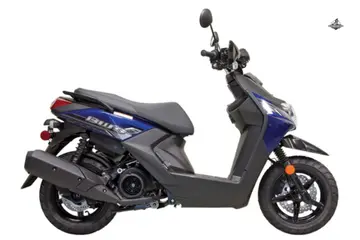
My Yamaha Zuma 125 left me stranded in Portland last spring, right in front of a coffee shop I’d just walked out of. The morning air smelled like rain and fresh espresso, and I had places to be. I pressed the starter button and got nothing but a sad clicking sound. I’ve been riding this Zuma for about two years now, covering everything from beach runs to daily errands, and I’ve learned that when your Yamaha Zuma 125 not starting, the cause is usually something simple you can fix yourself in under 30 minutes with basic tools.
When Your Zuma 125 Says “Nope”
It usually happens when you’re running late. Early morning. Coffee still half-finished, you press the starter and the scooter just stares back at you.
Quick, no-tool checks (before blaming the scooter)
Before you touch any tools or start diagnosing mechanical problems, walk through these basics. Yep, I’ve made every one of these mistakes at least once.
- Ignition fully ON: Turn the key all the way. Partial turns don’t power everything properly.
- Engine kill switch off: Red switch on the right handlebar. Must be in the RUN position.
- Side stand position: The Zuma has a safety switch. Stand must be up for the engine to start.
- Neutral / FI indicators normal: Check the dashboard. Any unusual warning lights or flashing patterns?
- Fuel level, actually look, don’t guess: The gauge isn’t always accurate. Physically check if you’re unsure.
I once troubleshot for 10 minutes before my neighbor pointed out my kill switch was on. Still feel the embarrassment.
Most Common Reasons Your Yamaha Zuma 125 Won’t Start
We’ll start simple, then slowly move deeper, so you don’t chase ghosts.
Weak or dead battery
This is the problem about 65% of the time with the Zuma 125. Modern scooters with fuel injection and digital displays drain batteries faster than older carbureted models.
What you’ll see:
- Dashboard lights look dim or flicker weakly
- Starter motor cranks slowly or not at all
- Single clicking sound from the relay
- Complete electrical silence, nothing powers up
Why it happens: The Zuma doesn’t like sitting unused. Even just a week or two of parking can weaken the battery, especially in cold weather. The fuel injection system, clock, and ECU constantly draw tiny amounts of power.
What I do: Pull out my multimeter. Red probe on the positive terminal, black on negative. A fully charged battery reads 12.6 volts or higher. Between 12.0-12.4 volts means it’s weak. Below 12 volts? It needs charging.
Action steps: Use a battery charger or trickle charger. Let it charge overnight using a slow, steady charge rate. Fast charging heats up the battery and can damage the internal plates.
Avoid careless jump-starting (electronics are sensitive).
Jump-starting from a car battery can send voltage spikes through your Zuma’s delicate electronics. The ECU, fuel injection controller, and sensor modules can fry. I’ve heard too many stories of people destroying $250+ ECUs trying to save time.
If you must jump-start, use another scooter or a lithium jump starter pack designed for motorcycles. They regulate voltage properly.
Pro tip: I keep a battery tender connected whenever my Zuma sits for more than four days. Cost $28. Haven’t had a dead battery issue in over a year.
Fuel delivery problems
The Zuma 125 uses electronic fuel injection. When it works, it’s smooth and efficient. When it fails, the scooter won’t start at all.
Signs of fuel issues:
- Engine cranks strongly but never catches
- Stale, sour-smelling fuel (like old paint thinner)
- Rough running before it quit completely
- FI warning light illuminated on the dash
What goes wrong: The fuel pump strainer gets clogged with sediment and crud from contaminated gasoline. The injector nozzle gets gummed up from cheap fuel or fuel sitting too long. The fuel pump relay can fail. Less commonly, the fuel pump itself dies.
What you can safely check, without disassembling everything:
Turn the ignition to ON without pressing the starter. Listen carefully near the fuel tank area. You should hear a quiet whirring sound for about 2-3 seconds. That’s the fuel pump priming. No sound? Your pump isn’t running or isn’t getting power.
Check the fuel itself. Fresh gasoline is clear or light amber. Old fuel looks darker, almost orange, and has a harsh smell. If your fuel has been sitting for months, drain it and refill with fresh gas.
Loosen the fuel cap and try starting. If it suddenly fires up, your fuel cap vent was blocked. A vacuum forms in the tank and starves the engine.
What not to do: Don’t tear apart the fuel injection system without proper knowledge. There are pressurized fuel lines, sensitive sensors, and electronic connections. One wrong move creates bigger, more expensive problems.
For minor deposits, add quality fuel system cleaner to a full tank. Ride hard for 30 minutes. Often that dissolves the buildup.
Spark plug / ignition trouble
The spark plug ignites the fuel-air mixture. When it fails or the ignition system acts up, you get cranking but no combustion.
Symptoms:
- Engine cranks normally but never fires
- Rough running or misfiring before failure
- Black smoke from the exhaust before it quit
- Strong smell of raw gasoline
How to check: Remove the spark plug. You’ll need a spark plug socket, typically 16mm for the Zuma 125. Look at the electrode tip.
- Black and sooty: Running too rich. Check air filter and fuel system.
- Wet with fuel: Flooded engine or ignition failure.
- White or gray: Running too lean or overheating.
- Light tan/brown: Perfect. This is what healthy combustion looks like.
Reconnect the plug to the ignition coil. Ground the plug threads against the engine. Press the starter. You should see a bright blue spark jumping across the gap.
No spark? Try a new plug first, they cost $8-10. If a new plug doesn’t solve it, you have a coil or ECU problem.
Loose plug cap or coil connector: This happened to me once in Portland. The plug cap had vibrated loose over time. No solid connection meant intermittent or no spark. Pressed it back on firmly. Problem solved instantly.
Clean versus replace, which makes sense?
You can clean plugs in a pinch. Wire brush the electrode, blow out carbon with compressed air. But new plugs fire stronger and more reliably.
I replace plugs every 8,000-10,000 kilometers or once a year. The Zuma’s fuel injection system needs strong, consistent spark. Weak spark causes misfires and starting issues.
Blocked air intake
Your engine is an air pump. It needs clean air to mix with fuel. Block that airflow and the engine won’t run properly or start at all.
Common causes:
- Air filter clogged with dust, dirt, or road debris
- Water trapped in the air box after washing or riding through heavy rain
- Leaves or insects blocking the intake
Quick inspection routine:
Remove the seat. The air filter is accessible under there on the Zuma 125. Open the air box, usually no tools required.
Pull out the filter. Hold it up to light. Can you see through it easily? If it looks dark or light barely passes through, it needs cleaning or replacement.
Cleaning process: Tap it against the ground to knock out loose dust. Blow it out with compressed air from the inside out. Use low pressure, high pressure can tear the filter material.
If it’s really dirty, wash it. Check if your Zuma has a foam or paper filter. Paper filters are replace-only. Foam filters are washable.
For foam: wash in warm soapy water, rinse thoroughly, let dry completely (24 hours), then lightly oil if your manual specifies.
Takes 10 minutes. I clean mine every 3,000 kilometers or every two months during dry, dusty conditions.
When Things Get More Technical (But Still Doable)
This is usually when I grab a flashlight, sit on the garage floor, and take a slow breath.
Starter relay or starter motor
You press the button. You hear clicking. The engine doesn’t turn over.
What’s happening: The starter relay is trying to engage (that’s the click). But either the relay contacts are worn out, or the starter motor itself isn’t spinning the engine.
Safe, simple testing sequence:
First: Check battery voltage under load. Have someone press the starter while you watch the multimeter. If voltage drops below 10 volts, your battery is too weak to power the starter motor.
Second: Locate the starter relay. On the Zuma 125 it’s usually under the seat near the battery. It’s a small rectangular box with wire connectors. Try swapping it with another relay of the same type (horn or turn signal relay often match). If the problem moves, the relay is bad.
Third: Tap the starter motor gently with a wrench handle while someone presses the starter. If it suddenly spins, the motor brushes are sticking. This is a temporary fix, the starter is dying and needs replacement soon.
Relay feels warm or smells odd: Stop immediately. Disconnect the battery. A hot relay indicates too much current flowing through. That means there’s a short circuit in the starter motor or wiring. Continuing risks electrical fire.
I’ve seen melted relay housings. They smell awful, burnt plastic mixed with copper. Not something you forget.
ECU / FI sensor issues
The Zuma 125’s ECU is the brain controlling fuel injection, ignition timing, and other systems. When sensors fail, the ECU gets confused and won’t start the engine.
FI light flashing codes: If the FI warning light blinks in a pattern, it’s communicating an error code. The pattern repeats. Count the blinks carefully. Look up the code in your owner’s manual or online.
Common Zuma 125 fault codes:
- Throttle position sensor (TPS) malfunction
- Crankshaft position sensor failure
- Intake air pressure sensor error
- Coolant temperature sensor fault
- Fuel pump circuit problem
Throttle position sensor problems: The TPS tells the ECU how far you’ve opened the throttle. Bad data confuses the fuel delivery calculations.
Symptoms: rough idle, stalling, hard starting, FI warning light.
Quick test: Turn ignition ON (don’t start). Slowly twist the throttle. The tachometer needle should rise smoothly. If it jumps, sticks, or doesn’t move, the TPS needs attention.
Crankshaft sensor hints: This sensor tells the ECU where the piston is in its cycle. No signal means no spark and no fuel injection.
The engine cranks normally but never fires. No sputtering or coughing. Just smooth cranking that leads nowhere.
Reading codes > guessing: If your FI light is on, don’t randomly replace expensive parts. Many shops scan diagnostic codes for $10-15 or free if you’re buying parts there.
Saves you from replacing $70 sensors that weren’t actually broken.
You can also buy a simple motorcycle OBD scanner for about $40. Plugs into the bike’s diagnostic port and shows exactly what the ECU detected.
Low engine compression (rare but real)
This doesn’t happen often. But when it does, it’s serious and expensive.
What it feels like: The starter spins the engine very fast, too fast, with no resistance. But combustion never happens. No compression equals no combustion.
What causes it: Worn piston rings, scored cylinder walls, burned valves, or a blown head gasket. Usually the result of neglect, skipped oil changes, severe overheating, or running low on oil.
Mechanic territory: Testing compression requires a compression tester. You screw it into the spark plug hole, crank the engine, and read the pressure.
Normal compression on a Zuma 125 should be around 11-13 bar (160-190 psi). Below 9 bar indicates major internal problems.
Don’t open the engine yourself unless you have real experience. You need proper gaskets, torque specifications, and assembly procedures. One mistake converts a $250 repair into a $700 nightmare.
I’ve watched people strip head bolts, install gaskets incorrectly, or forget valve shims. The engine runs worse or won’t run at all afterward.
Tools You’ll Actually Use (Not Just Collect)
Mine live in an old toolbox that smells like fuel and dust, but they work.
Must-have tools
- Multimeter: Digital models are easiest to read. Essential for electrical diagnosis. Measures voltage, resistance, and continuity. $18-35.
- Spark plug wrench: Deep socket (usually 16mm) with extension. Makes plug removal simple.
- Screwdriver set: Phillips and flathead in various sizes. For panels, connectors, and adjustments.
- Socket set: 8mm, 10mm, 12mm, 14mm, 17mm cover most Zuma fasteners.
- Flashlight or headlamp: You’ll work in tight spaces with poor lighting. Headlamps free both hands, game changer.
Helpful extras
- Battery charger: A smart trickle charger maintains battery health and prevents dead battery drama. $25-40.
- Fuel injector cleaner: Keep a bottle available. Techron or Chevron work well for periodic maintenance.
- Gloves: Nitrile gloves prevent fuel smell from sticking to your hands for hours. So your hands don’t smell like petrol at dinner.
I also keep zip ties, electrical tape, a small adjustable wrench, and clean rags in my garage. They’ve saved me more times than I can count.
Real-Life Story: My Zuma 125 Quit Outside A Small Grocery Shop
Hot afternoon. Bags of vegetables swinging on the handle. A dog watching me like I owed it money, and the scooter refused.
What actually went wrong
I’d just finished grocery shopping on a warm Saturday afternoon in Portland. Loaded my bags onto the floorboard and hung some from the handlebars. Parked for maybe 10 minutes.
Got on. Turned the key. Pressed the starter.
Click. Nothing else.
Dashboard lights flickered slightly. The FI light glowed steadier than normal. Engine didn’t even try to turn over.
Mild panic hit first. Then I forced myself into slow, methodical thinking. What changed? What’s loose? What’s different?
The dog kept staring. A kid on a bike rolled past and asked if I was okay. Embarrassing.
The simple fix
Popped the seat off. Checked the battery area. Terminals looked okay at first. But when I wiggled the positive terminal, it moved. Not a lot, just enough to matter.
The terminal nut wasn’t finger-tight. Probably vibrated loose over the last few weeks of riding.
Pulled out the small multi-tool I keep under the seat. Tightened the terminal nut. Maybe one full turn.
Hit the starter button. Engine fired instantly.
A quiet “yes!” moment. Relief flooded through me. The dog lost interest and walked away.
Groceries safe. Ego slightly bruised but recovered.
Real experience builds trust because manuals don’t capture these moments.
The whole thing took maybe four minutes. Felt like twenty with that dog judging me.
When To Stop DIY And Call A Mechanic
Because sometimes being “brave” is just expensive.
Call a pro if:
Burning or plastic smell: Electrical components overheating or shorting out. This leads to fires. Disconnect the battery immediately. Don’t attempt to start the scooter.
Fuel leaking or very strong gasoline odor: Fuel injection systems operate under pressure. A cracked line or loose fitting is a serious fire hazard. Don’t attempt fuel system repairs unless you have proper knowledge and tools.
Fuses keep blowing: If you replace a fuse and it blows again immediately, there’s a short circuit somewhere. Finding electrical shorts requires experience, diagnostic tools, and wiring diagrams.
Strange metallic knocking sounds: Internal engine noise indicates bearings failing, piston problems, or valve train damage. Every rotation causes more damage. Stop riding immediately.
You’re frustrated and guessing: When you start randomly replacing parts without proper diagnosis, you waste money. I’ve been there. Replaced a fuel pump when the actual problem was a $15 relay. Wasted $95.
Walking away is still a strategy.
A skilled mechanic diagnoses most problems in 30-45 minutes. Saves you time, money, and frustration.
Prevent Future “Yamaha Zuma 125 Not Starting” Drama
Just a few habits, calmer mornings.
Simple maintenance rhythm
Ride weekly: Even short 15-20 minute rides keep everything working. Battery stays charged, fuel stays fresh, seals stay lubricated. Scooters that sit deteriorate faster than scooters that get used.
Keep battery charged during storage: Not riding for a week or more? Either disconnect the negative battery terminal or connect a battery tender. Modern scooters constantly draw small amounts of power for the ECU and clock.
Replace old fuel: Gasoline with ethanol degrades in 30-60 days. It forms varnish that clogs injectors and causes starting problems. If your Zuma will sit for a month, add fuel stabilizer or drain the tank completely.
Clean the air filter often: Every 3,000 kilometers or every two months in dusty conditions. Takes 10 minutes. Prevents rich running, poor performance, and hard starting.
Stick to service intervals, plug, oil, injector cleaning: Oil changes every 3,000-4,000 kilometers. Spark plug every 8,000-10,000 kilometers. Valve clearance check every 12,000 kilometers. Injector cleaning every 15,000-20,000 kilometers.
I keep a simple maintenance log. Just a notebook. Date, odometer reading, what I did. Helps me remember when services are due.
Listen. Smell. Feel. Your scooter gives hints long before it quits.
New sound that wasn’t there before? Investigate now.
Vibration that feels different? Find the cause.
Smell something burning or chemical? Track it down immediately.
Most major failures give warnings first. Pay attention to them.
Final Recommendation
Here’s my honest assessment after two years and roughly 12,000 kilometers on my Yamaha Zuma 125:
Most instances of a Yamaha Zuma 125 not starting come down to simple, fixable causes. Dead battery. Fouled plug. Dirty filter. Loose connection. You can diagnose and fix these yourself with basic tools and 30 minutes.
The Zuma 125 is reliable when maintained.
Yamaha designed this scooter to be practical, durable, and fun. The fuel injection is smooth and efficient. The ride is comfortable. Storage is decent. It’s genuinely good for city commuting and errands.
But modern fuel injection needs care. Skip maintenance or use bad fuel, and you’ll face problems.
My maintenance approach: Prevent issues instead of reacting to them. Spend 15-20 minutes weekly checking basics. Battery voltage. Tire pressure. Chain (if applicable). Fluid levels. Look for loose fasteners, damaged cables, or worn parts.
Not exciting. Not Instagram-worthy. But effective.
I haven’t been stranded in eight months. That weekly routine is worth every minute.
When problems happen, stay methodical.
Don’t panic. Don’t randomly replace expensive components. Work through diagnostics systematically.
Battery first. Fuel delivery second. Spark third. Air intake fourth. Then electrical systems and sensors.
Write down what you check. Take photos. Helps you remember what you’ve eliminated and what remains to test.
Know your capabilities.
I’m comfortable with basic electrical diagnosis, fuel system checks, and minor mechanical work. But I don’t touch valve adjustments, internal engine work, or complex electrical repairs. I know mechanics who specialize in this work.
When something exceeds my skill level, I take it to a professional. That’s not defeat, that’s wisdom.
The Portland grocery store incident taught me:
Always carry basic tools on the scooter. A small socket set, adjustable wrench, screwdrivers, and multimeter fit under the seat. They’ve saved me multiple times.
Also, periodically check battery terminals. They vibrate loose over time. A quick tightness check takes 20 seconds and prevents problems.
My bottom line:
The Yamaha Zuma 125 is a solid, reliable scooter. Practical. Fun. Good for urban riding and errands. Most starting problems stem from neglect or normal wear items.
Maintain it properly, regular rides, scheduled services, quality fuel, and it’ll start reliably every time.
Ignore it for months, skip services, use cheap fuel, and you’ll be standing in parking lots with grocery bags while dogs judge you.
Your choice.
I choose the weekly checks and regular maintenance. Less stress. More riding. Fewer embarrassing moments in front of strangers.
And definitely fewer situations where I question my life choices while a neighborhood dog watches silently.
FAQs
A weak battery is the most common reason a Yamaha Zuma 125 will not start. Low fuel, a blown fuse, or a dirty spark plug can also stop ignition.
If it cranks but will not start, fuel or spark may be missing. A clogged injector or blocked air filter is often the cause.
Yes, the battery can power lights but fail to start the engine. The starter motor needs much more power.
Cold weather lowers battery output and fuel flow. Older batteries struggle most in low temperatures.
Yes, a faulty side stand or brake switch can block starting. The scooter thinks it is unsafe to run.
Yes, a worn or dirty spark plug can stop ignition. Replacing it is a quick and low-cost fix.
If simple checks fail, see a mechanic. Ongoing problems may point to fuel or sensor faults.

Co-Founder, Owner, and CEO of RoadHybridBike.
Ehatasamul Alom is a dedicated road hybrid bikes expert. With over 15 years of experience, he helps people find the perfect ride. He began his journey as a bike mechanic. He learned the ins and outs of every bike.
Ehatasamul Alom holds a Master’s degree in Mechanical Engineering from a top university, where he specialized in material science and bicycle kinematics. His master’s thesis focused on optimizing frame geometry for road hybrid bikes to improve rider comfort and efficiency.
Ehatasamul has an extensive professional background. He spent 10 years as a Senior Bike Designer at “Urban Cycles,” a leading bicycle manufacturer. In this role, he led the development of several award-winning road hybrid bikes, which are known for their durability and performance. He later served as the Head of Product Development at “Gear Up,” a company specializing in high-end cycling components. There, he developed innovative parts and accessories specifically for road hybrid bikes.
Over the years, Ehatasamul has become an authority on road hybrid bikes. He understands their design and function. His work focuses on making bikes easy to use. Ehatasamul believes everyone should enjoy cycling. He writes guides that are simple to read. His passion for road hybrid bikes is clear. His goal is to share his knowledge with everyone. He wants to see more people on two wheels. His advice is always practical and easy to follow.
Leave a Reply
You must be logged in to post a comment.