
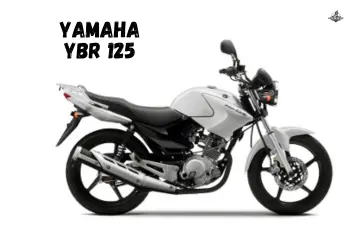
Staring at your yamaha ybr 125 not starting can feel like a bad dream. I once felt this same stress in Miami on a hot day. Most times, a weak battery or bad fuel is the main cause. My years of work on these bikes help me fix them fast. This guide shows you how to get back on the road now. Let us fix your bike and save you some cash!
Why Your Yamaha YBR 125 Refuses To Wake Up (And Why It Happens At The Worst Time)
It usually happens on a Monday morning. You’re late. You press the starter. Nothing. Let’s slow down, breathe, and work through it.
First, a quick checklist (before touching tools)
Before you grab any tools or call your mechanic friend in a panic, run through these basics:
- Is the kill switch on?
- Ignition key fully turned?
- Fuel tap open?
- Bike in neutral?
- Any warning lights?
Small note: Sometimes it’s just human error. I once spent 15 minutes troubleshooting only to realize the kill switch was off. My neighbor watched the whole thing. Still haven’t lived that one down.
Common Reasons a Yamaha YBR 125 Won’t Start (From Simple → Serious)
Think of this like peeling an onion. We start with easy fixes, then dig deeper if needed.
Dead or weak battery (most common)
This is the culprit about 60% of the time. Your YBR’s battery doesn’t like sitting idle for weeks, especially in cold weather.
Signs you’ll notice:
- Dim headlight or dashboard lights
- Slow cranking sound (like the engine is tired)
- Single click when you press the starter
- Nothing at all
What I do: I keep a multimeter in my garage. Put it on the battery terminals. You want to see 12.4 volts or higher when the bike is off. Below 12 volts? Your battery is struggling.
Action steps: Charge it with a trickle charger overnight. Don’t jump-start from a car battery unless you really know what you’re doing. The voltage difference can fry your YBR’s electrical system.
Tip: If you smell burnt plastic during any of this, stop immediately. Disconnect everything. That smell means wires are melting somewhere.
Fuel issues (empty tank… or blocked flow)
I know, I know. “Of course I have fuel.” But hear me out.
The fuel gauge on the YBR 125 isn’t always accurate. I’ve pushed my bike 200 meters because I trusted that needle.
Other fuel problems:
- Old fuel that’s been sitting for months smells like varnish
- Clogged fuel filter or petcock (that little valve under the tank)
- Carburetor gummed up with residue
Quick fix steps: Open the fuel tap. Disconnect the fuel line at the carburetor. Point it into a container. Fuel should flow freely. If it drips slowly or not at all, your petcock or filter is blocked.
For the carb, if your bike has been sitting through monsoon season, moisture and old fuel create a sticky mess inside. You’ll need carb cleaner spray and about 30 minutes of patience.
Spark plug problems
Your spark plug is tiny but mighty. When it fails, nothing happens.
What to check: Pull the spark plug out (spark plug wrench needed). Look at the tip.
- Black and sooty? Running too rich.
- Oily and wet? Oil leak or burning oil.
- White and chalky? Running too lean or overheating.
- Normal? Light brown, dry, clean electrodes.
Press the plug cap back on. Hold the plug against the engine (metal touching metal). Press the starter. You should see a bright blue spark jumping across the gap.
No spark? Replace the plug. They cost less than a cup of coffee.
Replace vs clean: I replace plugs every 5,000 kilometers or once a year. Cleaning works in emergencies, but new plugs fire stronger.
Air intake blocked
Your engine needs air, fuel, and spark. Block any one, and it won’t start.
Common causes:
- Dirty air filter clogged with dust
- Mud after off-road riding
- Insects or small animals (I once found a lizard nest in my air box)
Quick clean process: Open the air box. Pull out the foam filter. If it’s black or brown, it needs cleaning. Wash it with warm soapy water. Let it dry completely. Add a few drops of air filter oil. Squeeze it through the foam. Reinstall.
Takes 10 minutes. Makes a huge difference.
When It’s Not The Obvious Stuff (Digging Deeper)
Here’s where things get slightly technical, but still doable with patience.
Starter motor or relay failure
You press the button. You hear a click. But the engine doesn’t turn over.
What’s happening: The starter relay is working (that’s the click). But the starter motor itself isn’t spinning the engine.
Testing basics: Tap the starter motor gently with a wrench while someone presses the starter button. Sometimes the brushes inside stick. A light tap can free them temporarily.
If that works, your starter motor is dying. It’ll cost you to replace, but you’ve bought yourself time to save up or find a good deal on parts.
When to call a mechanic: If tapping doesn’t help, or if you hear grinding noises, don’t force it. You might damage the flywheel or starter gears.
Electrical wiring gremlins
Electrical problems make me nervous. They’re invisible until they’re not.
Common issues:
- Loose ground wire (often behind the headlight or under the seat)
- Corroded terminals on the battery or main fuse
- Moisture after washing the bike or riding through heavy rain
The “smell + tingling fingers” warning sign: If you touch wires and feel a tingle, or smell something sweet and chemical, stop. Disconnect the battery. Something is shorting out.
I once ignored a weird smell. Five minutes later, smoke came from under my seat. The main wiring harness was melting. Don’t be like me.
What to do: Check every connection. Wiggle wires gently. Look for green corrosion on terminals. Clean them with sandpaper or a wire brush. Apply dielectric grease to protect them.
Engine compression problems
This is rare. But scary when it happens.
Signs: The engine spins fast and smooth when you hit the starter, but it never catches. No coughing. No sputtering. Just spinning.
What it means: Your engine isn’t building pressure. Could be worn piston rings, a blown head gasket, or valve problems.
Don’t tear the engine open yourself unless you know how. Seriously. I’ve seen people turn a $50 fix into a $500 disaster by opening the top end without proper tools or knowledge.
Get a compression tester. Normal compression on a YBR 125 should be around 10-12 bar. Below 8? You have internal issues.
Call someone who rebuilds engines for a living.
Tools & Gear You’ll Actually Need (Nothing Fancy)
These basic tools solve most “Yamaha YBR 125 not starting” issues. I keep mine in a dusty toolbox behind the stairs.
Must-have tools
- Multimeter: For checking voltage and continuity. Digital ones are cheap and easy to read.
- Spark plug wrench: The right size for YBR plugs (usually 16mm or 18mm depending on year).
- Small screwdriver set: Phillips and flathead for panels and adjustments.
- Socket set: 8mm, 10mm, 12mm, and 14mm cover most bolts on the bike.
- Flashlight: Or better yet, a headlamp so both hands stay free.
Nice-to-have (but helpful)
- Carb cleaner spray: Cuts through fuel residue like magic.
- Battery charger: A smart trickle charger saves batteries and money.
- Gloves: Your hands will smell like petrol and oil otherwise. Trust me.
Real-Life Scenario: My YBR Died Outside A Tea Stall
It was Saturday evening. The sky smelled like rain. The bike just… coughed and quit.
What happened
I’d been stuck in slow traffic for 20 minutes. Stop and go. Stop and go. Finally got clear and opened the throttle. The engine hesitated, coughed twice, and died.
I pulled over outside a small roadside tea stall. Tried starting it. Nothing. Just cranking. No fire.
Mild panic set in. Slight sweat on my forehead. A tiny bit of annoyance mixed with embarrassment because people were watching.
What fixed it
I popped the seat off. Checked the battery. Fine. Fuel tap? Open. Then I wiggled the spark plug cap.
It was loose.
Not completely off, just loose enough that the connection was weak. I pressed it down firmly. Heard a small click.
Hit the starter. Engine roared to life immediately.
Pure relief washed over me. I sat there for a minute, bought a hot cup of tea, and laughed at myself.
The whole ordeal took maybe 8 minutes. Felt like an hour.
When You Should Stop And Call A Mechanic
Sometimes the smartest move is stepping back.
Call for help if:
- Burning smell: Electrical or clutch burning means something is seriously wrong.
- Fuel leakage: Fire hazard. Don’t mess around.
- Repeated fuse blowing: There’s a short circuit somewhere. Finding it takes experience.
- No experience with internal engine work: Valves, pistons, camshafts, these aren’t beginner territory.
- You’re frustrated and ready to “just try anything”: That’s when mistakes happen.
Because forcing it can turn a cheap fix into a costly one.
I learned this the hard way when I tried adjusting my valves without proper feeler gauges. Ended up with uneven clearances and a noisy engine. Paid a mechanic to redo it properly.
Preventing “YBR 125 Not Starting” In The Future
A few tiny habits make life easier and mornings calmer.
Simple maintenance habits
Start the bike weekly: Even if you’re not riding. Let it run for 5 minutes. Keeps the battery charged and fluids circulating.
Keep the battery charged: Especially in winter or if the bike sits unused. A trickle charger costs less than a new battery.
Fresh fuel matters: Don’t store fuel for months in the tank. It degrades. Add fuel stabilizer if you’re parking the bike long-term.
Clean air filter regularly: Every 3,000 kilometers or every few months. Takes 10 minutes. Prevents bigger problems.
Listen for odd sounds: Your bike talks to you. Clicking, grinding, rattling, these are warnings. Pay attention before small issues become big ones.
I check my YBR every Sunday morning. Quick visual inspection. Tire pressure. Fluid levels. Takes 5 minutes while I drink coffee. Saves me from roadside drama.
Final Recommendation
Here’s what I’ve learned after years with my Yamaha YBR 125:
Most starting problems are simple. Dead battery. Dirty plug. Blocked fuel. These you can fix yourself with basic tools and a little patience.
Don’t panic when your bike won’t start. Follow the checklist. Work through the common causes. Stay calm.
And here’s the thing nobody tells you, prevention beats diagnosis every time.
Spend 20 minutes a month on basic maintenance. It saves hours of frustration and hundreds in repair bills.
Keep your battery charged. Run fresh fuel. Clean your air filter. Check your spark plug. Listen to your bike.
When something feels off, investigate immediately. That weird sound today becomes a breakdown tomorrow.
But also know your limits. There’s no shame in calling a mechanic for the complex stuff. I’ve wasted entire weekends trying to fix problems that a professional solved in 30 minutes.
My honest take?
The YBR 125 is reliable. Simple. Forgiving. Most starting issues come from neglect, not design flaws.
Treat it with basic care, and it’ll start every morning without drama.
Ignore it for months, and you’ll be pressing that starter button while cursing under your breath.
Your choice.
I choose the Sunday morning coffee ritual. Less stress. More riding. Better stories to tell.
And way fewer embarrassing moments outside tea stalls.
FAQs
The battery may be weak or fuel may not reach the engine. A bad spark plug can also stop starting.
The starter is working, but fuel or spark is missing. Check the plug, fuel pump, and air filter.
Check fuel level, battery charge, and spark plug. Clean connections and try again.
Common issues include weak batteries and carburetor clogging. Loose wiring can also cause starting trouble.
It means the engine cranks but cannot fire. Fuel, spark, or air flow is likely blocked.

Co-Founder, Owner, and CEO of RoadHybridBike.
Ehatasamul Alom is a dedicated road hybrid bikes expert. With over 15 years of experience, he helps people find the perfect ride. He began his journey as a bike mechanic. He learned the ins and outs of every bike.
Ehatasamul Alom holds a Master’s degree in Mechanical Engineering from a top university, where he specialized in material science and bicycle kinematics. His master’s thesis focused on optimizing frame geometry for road hybrid bikes to improve rider comfort and efficiency.
Ehatasamul has an extensive professional background. He spent 10 years as a Senior Bike Designer at “Urban Cycles,” a leading bicycle manufacturer. In this role, he led the development of several award-winning road hybrid bikes, which are known for their durability and performance. He later served as the Head of Product Development at “Gear Up,” a company specializing in high-end cycling components. There, he developed innovative parts and accessories specifically for road hybrid bikes.
Over the years, Ehatasamul has become an authority on road hybrid bikes. He understands their design and function. His work focuses on making bikes easy to use. Ehatasamul believes everyone should enjoy cycling. He writes guides that are simple to read. His passion for road hybrid bikes is clear. His goal is to share his knowledge with everyone. He wants to see more people on two wheels. His advice is always practical and easy to follow.
Leave a Reply
You must be logged in to post a comment.