
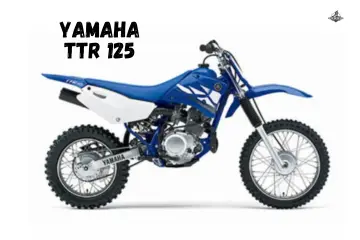
My Yamaha TTR 125 left me stuck on a trail outside Nashville last summer. The heat was brutal. My son was waiting to ride. I kicked the starter five times and got nothing but a sad cough and fuel smell. I’ve owned this bike for three years now. I’ve learned that when your Yamaha TTR 125 not starting, the cause is usually simple. Most fixes take 20 minutes with basic tools. Let me walk you through what actually works.
What Happened When My Yamaha TTR 125 Refused To Start (On a Hot Saturday… of course)
You know that feeling when the sun is blazing, you’re ready to ride… and the bike just coughs like it hates you? Yep, that day.
Quick story: Dusty trail. Light fuel smell in the air. Starter clicking weakly. My son standing there asking when we’d ride.
First thoughts: Battery dead? Fuel old? Did I break something last ride?
Why the TTR 125 can be picky sometimes: It’s a great bike. Tough. Reliable. But sit it for weeks? The carb gums up. Battery dies. Plug fouls. Small things stop it cold.
The good news? Most problems are easy to fix. You don’t need a shop. Just patience and basic tools.
Basic Troubleshooting , Start With The Simple Stuff First
Before tearing into the engine like a mad scientist, let’s rule out the “silly” problems. They happen. A lot.
Check 1: Kill Switch, Neutral, and Safety Stuff
Start here. Save yourself hours of wasted effort.
Kill switch position: Is the red switch on the right handlebar set to RUN? I’ve forgotten this more times than I’ll admit. Feel foolish every time.
Neutral indicator (or clutch pulled in): The TTR 125 has safety switches. If you’re in gear, pull the clutch in. If you’re in neutral, the green light should glow on the dash.
Kickstand safety switch behavior: Some models won’t start with the kickstand down unless you’re in neutral. Check your specific year.
Personal note: I swore my bike was broken once. Spent 30 minutes checking everything. My neighbor pointed at the kill switch. It was off. Again.
Check 2: Battery and Electrical Connections
Even kick-start bikes need good batteries. The TTR uses electric start too on some models.
Weak battery symptoms: Dim lights. Lazy cranking sound. Clicking from the starter relay. Nothing at all.
What I do: Touch the battery terminals. Are they tight? Wiggle them. Loose connections cause weird problems.
Look for white or green powder on terminals. That’s corrosion. Scrape it off with a wire brush.
Check the ground wire. It connects battery negative to the frame. Make sure it’s tight and clean.
Multimeter quick test: Red probe on positive. Black on negative. You want 12.6 volts or more. Below 12 volts? Charge it. Below 11.5? Replace it.
When a jump pack helps, and when it doesn’t: A jump pack gets you started if the battery is just weak. But if it won’t hold a charge, you need a new battery. They cost about $30-40.
Check 3: Does It Have Fuel? Really?
Sounds dumb. But I’ve been there.
Old gas smell: Stale gas smells sour. Like varnish or old paint. It won’t burn right. Drains it out. Use fresh fuel.
Gas goes bad in 30-60 days. Especially with ethanol. If your bike sat all winter, the fuel is probably junk.
Fuel petcock position: The petcock is the valve under the tank. It has three positions: ON, RES (reserve), and OFF.
Make sure it’s on ON or RES. I forgot once. Kicked for 10 minutes. My wife reminded me to check the valve. Embarrassing.
Tank vent / clogged cap: The fuel cap has a tiny vent hole. If blocked, a vacuum forms. Fuel won’t flow.
Try loosening the cap. If the bike suddenly starts, your vent was clogged.
Slosh test + quick humor: Shake the bike gently. Hear fuel sloshing? Good. Silence? You’re out of gas.
Yes… I actually forgot to fill it once. Kicked until my leg hurt. My son finally asked, “Dad, did you put gas in it?”
Fuel System Issues , Carburetor Problems Are Super Common
If the Yamaha TTR 125 sat for weeks, the carb probably turned fuel into sticky glue. Lovely.
Dirty Carburetor Symptoms
The carb mixes air and fuel. When jets clog, nothing works right.
What you’ll see:
- Cranks but won’t fire
- Starts, then dies when you touch throttle
- Popping or backfiring sounds
- Fuel dripping from overflow tube
These all scream “dirty carb.”
Basic Carb Cleaning Steps (Tools-Friendly, No Panic)
You can do this. Take your time. Don’t force anything.
Remove seat and tank carefully: The seat usually has two bolts. Tank has one or two bolts plus the fuel line. Have a rag ready. Fuel will drip.
Turn the petcock to OFF first. Disconnect the fuel line. Plug it with a bolt or clamp.
Drain bowl, check for gunk: The float bowl is the bottom part of the carb. Four screws hold it on. Remove them. Let old fuel drain into a container.
Look inside. See brown gunk? Varnish? That’s your problem.
Clean jets and pilot screw: The main jet and pilot jet unscrew. They’re brass. They have tiny holes. Spray carb cleaner through them. Blow them out with compressed air.
Hold them to light. You should see through the holes clearly. No blockage.
The pilot screw controls idle. Spray it clean. Don’t lose the tiny spring and washer behind it.
Replace float needle if worn: The float needle controls fuel flow. If the rubber tip is worn or grooved, it leaks. Fuel floods the engine.
New needles cost $5-8. Cheap insurance.
New inline fuel filter: Add a small fuel filter in the line between tank and carb. Catches dirt before it reaches the jets. Costs $3. Saves hours of work later.
When You Should Replace Instead of Clean
Sometimes cleaning isn’t enough.
Severely corroded bowl: If the bowl is green, pitted, or flaking, replace it. Corrosion comes back fast.
Cracked rubber boots: The rubber boots connect carb to engine and air filter. Cracks let air leak in. Engine runs lean and won’t start.
New boots cost $10-15.
Previous “mystery mechanic” damage: If someone before you stripped screws, broke tabs, or mixed up jets, just buy a new carb. They’re $40-60 on eBay. Save yourself the headache.
Spark & Ignition , No Spark = No Go
Sometimes it smells like fuel but just refuses to fire. That’s spark.
Quick Spark Test
This takes two minutes. Do it every time.
Remove plug, ground it to frame: Unscrew the spark plug. Leave it connected to the plug wire. Touch the threads to bare metal on the frame or engine.
Look for bright blue spark: Have someone kick the engine or press the start button. Watch the plug gap. You should see a bright blue spark jump across.
Weak orange spark? Bad. No spark? Problem found.
Burnt smell or oily tip = bad sign: Look at the plug electrode. It should be tan or light brown.
Black and sooty? Running too rich.
Wet and oily? Fouled. Won’t spark properly.
White or gray? Running too lean. Overheating.
Fixes That Actually Work
Most spark problems are simple and cheap.
New spark plug: Use NGK recommended for the TTR 125. Usually an NGK CR7HSA or similar. Check your manual.
Cost? About $3-5. Replace it yearly. Keep a spare in your toolbox.
Clean plug boot and coil connections: The rubber boot on top of the plug can crack or fill with dirt. Pull it off. Clean inside with contact cleaner. Press it back on firmly.
Check where the plug wire connects to the coil. Make sure it’s tight. Corrosion here kills spark.
Inspect ignition coil and wiring harness: The coil is a black box near the engine. Wires run to it. Look for cracks, burns, or damage.
Check resistance with a multimeter. Your manual lists correct values. Usually around 5-10k ohms. Way off? Replace the coil.
Check for frayed wires rubbing the frame: Wires rub against metal. Insulation wears through. Causes shorts. Wrap damaged spots with electrical tape. Better yet, replace damaged wires.
A little imperfect honesty: I once chased carb problems for hours. Took it apart twice. Cleaned every jet. Still wouldn’t start.
Finally tested spark. Dead plug. Swapped it. Five minutes. Done.
Felt stupid. But learned a lesson. Always test spark first.
Air, Compression, and Other “Not So Obvious” Issues
When fuel and spark are fine but the TTR still refuses, look here.
Air Filter Blocked or Soaked
Your engine needs clean air. Block it and nothing works.
Dust-packed foam filter: Remove the side cover. Pull out the filter. Can you see through it? No? Too dirty.
Wash foam filters in warm soapy water. Rinse well. Let dry completely. Oil lightly with air filter oil. Squeeze it through the foam.
Takes 10 minutes. Do it every few rides if you’re in dust.
Too much oil on filter: Some people soak filters in oil. Too much oil blocks airflow just like dirt does.
Use just enough to barely coat the foam. Squeeze out excess.
How it feels: Engine chokes. Sputters. Won’t rev cleanly. Bogs when you twist throttle.
Compression and Valve Problems (Rare… but real)
Compression is pressure inside the cylinder. No pressure means no power.
Hard to kick or feels “too easy”: Normal kick-start has resistance. You feel the engine compressing air.
Too easy? Low compression. Piston rings worn. Valves not sealing.
Too hard? Valve clearance too tight. Engine overheating.
Backfiring through carb: Loud pops from the carb mean intake valves aren’t sealing. Fuel ignites backward through the intake.
Check valve clearance if it’s older or abused: Valves need proper clearance. Too tight and they don’t seal. Too loose and they clatter.
Your manual lists specs. Usually checked every 15-20 hours of riding. Adjusted with shims.
If you’re not comfortable with valve work, take it to a shop. Messed up valves destroy engines.
Exhaust Blockages
Exhaust needs to flow freely. Block it and the engine suffocates.
Mud, mouse nests: Yes… it happens. Mice love warm exhausts. They build nests in the pipe over winter.
Remove the exhaust. Look inside with a flashlight. See blockage? Poke it out with a stick or wire.
Mud does the same thing after trail rides. Let it dry. Bang it out.
Weird rattling sound under throttle: Baffles inside the silencer can break loose. They rattle around. Block flow.
If the exhaust is severely clogged or rusted through, replace it. Cheap aftermarket pipes work fine. About $50-80.
Maintenance Habits That Prevent “TTR 125 Not Starting”
A little routine care keeps the drama away, and saves weekends.
Quick Habit Checklist
These small things make a huge difference.
Drain carb if parking for weeks: Going on vacation? Not riding this month? Drain the carb float bowl. Turn petcock to OFF. Loosen the drain screw. Let fuel drain out.
Prevents varnish buildup. Saves you hours of cleaning later.
Fresh fuel every couple of months: Don’t let gas sit. It goes bad. Drain old fuel. Add fresh fuel before riding.
Add fuel stabilizer if you must store fuel longer. It helps some.
Battery tender: Connect a battery tender when not riding. Keeps battery topped off. They cost $25. Pay for themselves fast.
Clean air filter regularly: Every 5-10 hours of riding. More often in dust. Clean filters are free power.
Start it up monthly: Even if you’re not riding, start the engine. Let it warm up. Run it for 5-10 minutes. Keeps everything lubed. Prevents carb gumming.
Tools I Actually Use
You don’t need much. Just basics.
Basic socket set: 8mm, 10mm, 12mm, 14mm. These cover most bolts on the TTR.
Carb cleaner + small brushes: Spray can of carb cleaner. Small wire brushes for scrubbing. Old toothbrush works too.
Multimeter: For testing battery and electrical. Digital ones are $15-20.
Fuel line and clamps: Keep spare fuel line. Small hose clamps. Fuel lines crack and leak over time.
New spark plug in the toolbox, always: Plugs are cheap. Carry a spare. Saved me on the trail more than once.
When It’s Time To Take The Yamaha TTR 125 To a Mechanic
Sometimes… we’ve done enough. And that’s okay.
Signs You Need Professional Help
Know when to stop. Saves money and stress.
Strong gas smell with no start: If fuel is flooding badly and you can’t find why, get help. Flooding can damage seals and wash oil off cylinder walls.
Loud metallic knocking: Internal engine noise. Bearings. Piston. Rod. Don’t run it. You’ll destroy everything.
Wiring looks hacked or melted: Previous owner rewired things badly? Melted connectors? Exposed wires everywhere? Don’t guess. Electrical fires are real.
Compression seems gone: If a compression test shows under 90 psi, you need internal engine work. Rings. Piston. Maybe valves.
This isn’t beginner stuff. Let a shop handle it.
You’ve tried everything twice and you’re just tired: Sometimes you need fresh eyes. A mechanic sees things you miss. They have tools you don’t.
A good shop diagnoses most TTR problems in 30 minutes. Worth the $50-75 diagnostic fee.
Final Recommendation
Here’s what I’ve learned after three years and about 150 hours on my Yamaha TTR 125:
Most cases of a Yamaha TTR 125 not starting come from simple stuff. Dirty carb. Bad plug. Old fuel. Dead battery. You can fix these yourself in 30 minutes with basic tools.
The TTR 125 is tough and reliable.
Yamaha built this bike for beginners and trail riders. It’s simple. Four-stroke. Air-cooled. Easy to work on.
But any bike that sits gets problems. Fuel turns to varnish. Batteries die. Carbs clog.
My maintenance approach:
Prevent problems before they start. Spend 15 minutes every week checking basics.
Fresh fuel. Clean air filter. Good spark plug. Charged battery. Drained carb if not riding.
Not exciting. But it works.
I haven’t been stuck on a trail in over a year. That weekly routine is worth it.
When problems happen, stay calm.
Don’t kick frantically. Don’t swear at the bike. Take a breath. Walk through the basics.
Fuel flowing? Spark present? Air clean? Battery good?
Most problems reveal themselves in five minutes if you’re calm and methodical.
Know your limits.
I’m comfortable with carbs, plugs, filters, and basic electrical. But I don’t do valve jobs. I don’t rebuild engines. I don’t diagnose weird electrical gremlins.
When something exceeds my skill, I take it to a shop. That’s smart. Not weak.
The Nashville trail incident taught me:
Always carry basic tools on rides. Small socket set. Spark plug. Wrench. Screwdrivers. They fit in a small bag under the seat.
Also carry a spare plug. They’re tiny. They’re cheap. They save rides.
That day in Nashville? Fouled plug. Swapped it. Back riding in five minutes. My son was impressed. I felt like a hero.
My honest bottom line:
The Yamaha TTR 125 is a great bike. Simple. Fun. Perfect for learning. Most starting problems come from sitting too long or old fuel.
Take care of it, fresh fuel, clean carb, good battery, and it starts first kick every time.
Ignore it for months, let fuel rot, skip maintenance, and you’ll be kicking until your leg hurts while your kid asks when you’ll be done.
Your choice.
I choose the weekly checks and fresh fuel. Less frustration. More riding. More fun with my son.
And way fewer moments standing in the sun wondering why I didn’t just drain the carb last month.
FAQs
A dirty carburetor is the most common reason a Yamaha TTR 125 will not start. Old fuel, a fouled spark plug, or a weak battery can also cause issues.
If it turns over but will not start, fuel may not reach the engine. A clogged jet or stuck float is often the cause.
Yes, old fuel can block the carburetor. Draining the tank and cleaning the carb often fixes the issue.
Cold weather makes fuel harder to ignite. The choke may not be used or working correctly.
Yes, a fouled or worn spark plug can stop ignition. Replacing it is quick and low cost.
Yes, a faulty kill switch can cut spark. Loose wires are common on off-road bikes.
If basic checks do not help, see a mechanic. Ongoing issues may mean carb or ignition faults.

Co-Founder, Owner, and CEO of RoadHybridBike.
Ehatasamul Alom is a dedicated road hybrid bikes expert. With over 15 years of experience, he helps people find the perfect ride. He began his journey as a bike mechanic. He learned the ins and outs of every bike.
Ehatasamul Alom holds a Master’s degree in Mechanical Engineering from a top university, where he specialized in material science and bicycle kinematics. His master’s thesis focused on optimizing frame geometry for road hybrid bikes to improve rider comfort and efficiency.
Ehatasamul has an extensive professional background. He spent 10 years as a Senior Bike Designer at “Urban Cycles,” a leading bicycle manufacturer. In this role, he led the development of several award-winning road hybrid bikes, which are known for their durability and performance. He later served as the Head of Product Development at “Gear Up,” a company specializing in high-end cycling components. There, he developed innovative parts and accessories specifically for road hybrid bikes.
Over the years, Ehatasamul has become an authority on road hybrid bikes. He understands their design and function. His work focuses on making bikes easy to use. Ehatasamul believes everyone should enjoy cycling. He writes guides that are simple to read. His passion for road hybrid bikes is clear. His goal is to share his knowledge with everyone. He wants to see more people on two wheels. His advice is always practical and easy to follow.
Leave a Reply
You must be logged in to post a comment.