
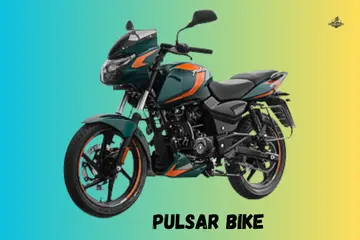
Riding my bike through Seattle taught me that rain and engines are a tricky mix. One cold morning, my own ride just would not fire up before work. Dealing with a pulsar bike not starting is a stress I know quite well. I have fixed these bikes for years and found the best shortcuts. Let me help you get back on the road with these simple steps.
Why Your Pulsar Bike Suddenly Won’t Start
We have all been there. It is early morning, you have your helmet on, and it is time for the office. You hit the button, but nothing happens. Whether you ride a Pulsar 125, 150, or the punchy NS 200, the panic feels the same. You see your neighbors watching while you struggle. Do not worry. Most issues are simple. We will check the basics before you spend money on big repairs.
First Things to Check Before You Touch a Tool
Start with the easy stuff. These take zero skill and no tools at all. Sometimes we just overlook the obvious.
Kill switch, side stand, and clutch switch
- Kill switch: It sounds silly, but check if it is in the “off” spot. It happens to the best of us.
- Side stand sensor: Most modern Pulsars won’t start if the stand is down and the bike is in gear.
- Clutch switch: Make sure you pull the lever all the way in. If the switch is loose, the starter won’t engage.
Key, steering lock, and basic controls
- Check if the handle lock is fully released.
- If the ignition feels sticky, the key might not be making a full contact.
- Look at the dash. If lights flicker and die, you have a power link issue.
Battery Problems: The #1 Pulsar Starting Issue
Batteries are quiet. They usually fail overnight when it gets cold. This is the most common reason for a pulsar bike not starting.
Signs of a weak or dead battery
- You hear a clicking sound instead of the engine cranking.
- The headlight looks dim or the horn sounds like a weak squeak.
- The self-start fails, but the kick-start still works (on older models).
What actually drains Pulsar batteries
- Very short rides that don’t give the bike time to charge.
- Leaving a mobile holder or USB charger plugged in.
- Parking the bike in the rain for too many days.
What you can safely do
- Check the battery terminals for white crust (corrosion).
- Use a wrench to tighten any loose cables.
- Only try a jump-start if you have the right cables and know the path.
Engine Cranks But Won’t Start
This is the most frustrating part. You hear the engine “trying,” but it won’t fire up. It sounds like a cough that never ends.
Fuel delivery issues
- Check your fuel level. Gauges can lie if the bike is on a slope.
- Older Pulsar 150 or 180 models often get a clogged fuel filter.
- Listen for the fuel pump. You should hear a soft buzz when you turn the key. No buzz means no fuel.
Spark plug and ignition problems
- A fouled spark plug is a common culprit.
- If you smell strong fuel, you might have “flooded” the engine.
- Check the ignition coil wire. If it is loose, the spark won’t reach the fuel.
No Crank, No Sound: Completely Dead
Silence feels worse than a cough. If the bike is silent, the electrical path is broken.
Starter motor and relay
- If you hear one loud “click” from under the seat, your relay is likely fine, but the starter motor is stuck.
- Sometimes heat makes the starter fail after a long highway ride. Let it cool down.
Fuse box and wiring
- Check the main fuse. If it is blown, nothing will work.
- Look for a loose ground wire near the battery.
- If you smell burnt plastic, stop immediately and turn off the key.
When Electronics and Sensors Act Weird
Modern Pulsars like the N250 or NS series rely on sensors. They have a “brain” called the ECU.
ECU and sensor-related issues
- A bad crank position sensor tells the bike the engine isn’t turning.
- If the Check Engine Light stays on, the ECU has found an error.
- If the speedometer sweep fails when you turn the key, the system is crashing.
Weather, Location, and Timing Matter More Than You Think
Context gives clues that mechanics love.
- Cold mornings: Oil gets thick and batteries get weak.
- Heavy rain: Water gets into spark plug caps or sensors.
- Heat soak: After a fast ride, fuel can vaporize in the lines. I once sat at a tea stall for ten minutes after a hot ride. The bike started right up once the heat settled.
Kick-Start Works, Self-Start Doesn’t
This is a classic Pulsar trait. It means your engine is fine, but the “start” system is weak.
- It usually means your battery is right on the edge of dying.
- Your starter motor brushes might be worn out.
- Ignoring this will eventually leave you stranded when the battery fails for good.
Simple DIY Checks You Can Safely Try
Use your senses before you grab your tools.
- Listen: Do you hear the fuel pump prime? Is the crank fast or slow?
- Look: Are there loose wires or fuel leaks under the tank?
- Smell: Do you smell raw gas or burnt wires?
- Touch: Is the relay under the seat hot to the touch?
When to Stop Troubleshooting and Call a Mechanic
Knowing when to stop saves you money. Do not force it.
- If you keep blowing the same fuse over and over.
- If you have confirmed there is no spark.
- If the ECU shows a steady error code you can’t clear.
- If the bike starts but stalls the second you touch the gas.
How to Explain the Problem Clearly to a Mechanic
Details help a pro fix your bike faster. Tell them:
- When it fails (Only in the morning? Only in the rain?).
- What sounds you heard (Clicking? Grinding? Silence?).
- What the dash lights did during the fail.
- If you recently added a new horn or light.
Preventing Future “Pulsar Not Starting” Situations
Small habits lead to big relief.
- Check your battery health every few months.
- Replace your spark plugs on the schedule in your book.
- Avoid cheap, dirty fuel from small pumps.
- Start your bike at least once a week if you are not riding.
Tools Worth Keeping Under the Seat
You don’t need a big kit. Just these basics:
- A basic spanner for battery bolts.
- A spark plug wrench.
- A small roll of electrical tape.
- A small torch or just use your phone light.
Final Recommendation
Fixing a pulsar bike not starting is usually about finding one small loose link. In my experience, it is almost always the battery or a loose wire. Stay calm, check your kill switch first, and move down the list. Most of the time, you will be back on the road in minutes.
FAQs
A Pulsar bike not starting is often due to a weak battery or no fuel. Check the battery charge and fuel level first. These two cause most start issues.
If it cranks but will not start, fuel or spark may be missing. Check the spark plug and fuel flow. Dirty plugs are a common cause.
Cold starts fail when the battery is weak or choke use is wrong. Use the choke if needed and try again. A warm-up often helps.
Yes, a low or dead battery can stop ignition. Lights may turn on, but power may still be low. Charging or replacing the battery helps.
Water can enter the spark plug or wiring. Let the bike dry fully before trying again. Check for moisture near the plug cap.
Old fuel and a weak battery are common after storage. Replace old fuel and charge the battery. This often fixes the issue fast.
See a mechanic if basic checks fail. Issues like fuel pump or wiring faults need tools. Early repair prevents bigger damage.

Co-Founder, Owner, and CEO of RoadHybridBike.
Ehatasamul Alom is a dedicated road hybrid bikes expert. With over 15 years of experience, he helps people find the perfect ride. He began his journey as a bike mechanic. He learned the ins and outs of every bike.
Ehatasamul Alom holds a Master’s degree in Mechanical Engineering from a top university, where he specialized in material science and bicycle kinematics. His master’s thesis focused on optimizing frame geometry for road hybrid bikes to improve rider comfort and efficiency.
Ehatasamul has an extensive professional background. He spent 10 years as a Senior Bike Designer at “Urban Cycles,” a leading bicycle manufacturer. In this role, he led the development of several award-winning road hybrid bikes, which are known for their durability and performance. He later served as the Head of Product Development at “Gear Up,” a company specializing in high-end cycling components. There, he developed innovative parts and accessories specifically for road hybrid bikes.
Over the years, Ehatasamul has become an authority on road hybrid bikes. He understands their design and function. His work focuses on making bikes easy to use. Ehatasamul believes everyone should enjoy cycling. He writes guides that are simple to read. His passion for road hybrid bikes is clear. His goal is to share his knowledge with everyone. He wants to see more people on two wheels. His advice is always practical and easy to follow.
Leave a Reply
You must be logged in to post a comment.