
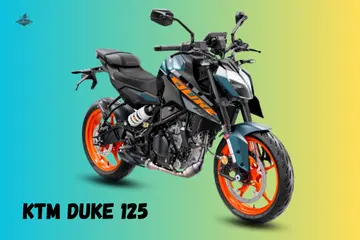
Last winter in Chicago, I stood in my freezing garage with a bike that just would not wake up. My heart sank because my ktm duke 125 not starting meant I was going to be late for work again. It is a lonely feeling when the dash glows but the engine stays silent. I spent that morning learning the small tricks that keep these bikes running. Now, I want to help you fix yours fast so you can get back on the road.
The Morning My Duke 125 Refused To Wake Up
It was Tuesday. I was already late. Pressed the starter, click. Nothing. The dog just stared at me. I felt that hot wave of frustration wash over me. You start to think of repair bills and towing costs. But then, I took a deep breath.
My first reaction was pure frustration. My second reaction was to stay calm and troubleshoot. These bikes are smart. They have many safety sensors. Usually, it is not a big part that broke. It is just a small signal that is missing. Let’s look at the simple things that stop a Duke 125.
Start Simple, The Stuff We Overlook First
Because 70% of “not starting” issues are silly. I have made these mistakes myself. It is easy to miss the basics when you are in a rush.
Battery Weak, Dead, or Just Loose
The battery is the most common cause of a dead bike.
- Dim cluster lights: If the screen looks pale, the juice is low.
- Slow crank or clicking: That “tick-tick” sound means the relay is trying but failing.
- Loose terminals: Bumpy rides can shake the battery bolts loose over time.
Action: Open the seat. Tighten the bolts. Use a multimeter to check the volts. If it is under 12.4V, it needs a charge.
Kill Switch, Side-Stand & Clutch Sensors
These parts protect you, but they can also stop you.
- Kill switch: I have bumped this many times by mistake.
- Side-stand sensor: If the stand is down while in gear, the bike kills the spark.
- Clutch lever: You must pull it in fully, especially if the bike is in gear.
Action: Cycle the red switch back and forth. Press the side stand up firmly. Pull the clutch in hard and try again.
Out Of Fuel (Or Bad Fuel Sitting For Weeks)
Do not trust the fuel bars on your screen. They can lie.
- Smell is weird: Old gas smells sour or like paint thinner.
- Bike sat all winter: Gas turns to sludge and blocks the lines.
Action: Open the cap and look. If the gas is old, drain it. Add fresh petrol and shake the bike gently to mix it.
Fuel System, When The Engine Gets Starved
The Duke 125 is fuel-injected and very picky. It needs high pressure to run well.
Fuel Pump Not Priming
When you turn the key, you should hear a “whir” for two seconds.
- No humming sound: This means the pump is not getting power.
- Hard start: If it fires then dies, the pump might be weak.
Action: Check the fuel pump fuse. Listen closely to the tank when you turn the key. Check the wires under the tank.
Clogged Injector or Filter
The injector has tiny holes. Even a grain of sand can block them.
- Rough idle: The bike shakes or feels weak.
- Repeated cranking: It takes many tries to get a small pop.
Action: Use a fuel system cleaner. If that fails, professional cleaning is the best move.
Air Intake & Throttle Body, Let The Bike Breathe
Dusty rides and city roads can choke your bike. It needs a clean path for air.
Dirty Air Filter
If the filter is black with dirt, the bike cannot breathe.
- Bike feels suffocated: It lacks power and struggles to stay on.
- Starts then dies: There is not enough air to keep the fire going.
Action: Pull the filter out. Clean it or replace it. This should be done every few months.
Throttle Body Gunk
Oil and dust can make the throttle valve sticky.
- Sticky throttle: The grip feels heavy or slow.
- Hesitation: The bike stumbles when you give it gas.
Action: Use a dedicated cleaner. Be careful not to spray too much. Wipe it gently with a soft cloth.
Spark & Ignition, No Spark, No Life
Funny thing? I once blamed the ECU for a dead bike. It was the plug. A $10 part stopped a $5,000 bike.
Spark Plug fouled or worn
The plug gets old and covered in soot.
- Black or oily: This means the bike is running too rich.
- Wrong gap: If the space is too big, the spark cannot jump.
Action: Remove the plug. Inspect the tip. If it looks bad, just replace it. It is a cheap fix.
Ignition Coil / Wiring Issues
Water is the enemy of the coil.
- Moisture after washing: Water gets into the plug cap and shorts it out.
- Loose connectors: Check the thin wires going to the coil.
Action: Dry everything with a rag. Reseat the cap firmly. Use dielectric grease to keep water out next time.
Electrical Gremlins, Tiny Things That Stop Everything
Electronics love drama. A tiny fuse can act like a giant wall.
Blown Fuses
If a fuse pops, a whole system goes dark.
- No power to pump: The bike will crank but never fire.
- Cluster resets: The screen goes black when you hit the starter.
Action: Check the fuse box. Replace any broken fuse with the same rating. Never use a higher number!
ECU & Sensor Faults (MAP, TPS)
The “brain” of the bike can get confused by bad data.
- Random cut-offs: The bike dies while you are riding.
- Check engine light: The yellow light on the dash is a big clue.
Action: Use a code scanner. Do not guess blindly or you will waste money on parts you do not need.
Cold Starts, Flooding & Over-Cranking
I have been there on a cold Sunday morning. You just want to ride, but the bike won’t wake up.
- Too much throttle: This can flood the engine with too much gas.
- Long presses: Holding the button for ten seconds heats up the starter.
- Battery drain: Constant cranking kills the battery fast.
Action: Use short, quick taps on the starter. Do not hold it. Give it a tiny bit of gas only if needed.
Listen, Smell, Feel, Fast Diagnostics
Your senses are tools. Use them to find the fault.
- Hear: Does the pump hum? Do you hear a steady “click”?
- Smell: Do you smell raw gas? You might be flooded.
- Feel: Are the battery wires warm? That means a loose connection.
- Look: Check for leaks or loose wires under the frame.
I actually talk to the bike sometimes. It doesn’t help. But it makes me feel better while I work.
When To Stop DIY And Call A Mechanic
Forcing a bike to start can make things much worse. Know when to walk away.
- Metallic knocking: This means something is broken inside the motor.
- Burning smell: Stop right away if you see smoke or smell burning plastic.
- Repeated fuse blows: You have a “short” that needs a pro to find.
Yes, I’ve pushed the Duke across a busy road once. I was sweaty and embarrassed. But I was safe. Sometimes, the shop is the only answer.
You Learn More Each Time It Doesn’t Start
Bikes teach patience, sometimes the hard way. Every time my bike fails, I learn a new trick. I hope these tips help you find the fix fast. Keep your battery charged and your fuel fresh. A little care goes a long way with a Duke 125.
Final Recommendation
If your ktm duke 125 not starting is ruining your day, start with the battery bolts. Most fixes are free and take only five minutes of your time. If the bike still won’t fire, check your fuses and your fuel. You will be back on two wheels before you know it.
FAQs
A KTM Duke 125 not starting is often due to a weak battery or blown fuse. Check battery voltage, terminals, and the main fuse first.
If it cranks but won’t start, fuel or spark may be missing. Common causes include a dirty spark plug or fuel pump issue.
Yes, low voltage can stop the ECU from working right. The KTM Duke 125 needs stable power to start cleanly.
Cold starts fail with old fuel or a tired battery. Fresh fuel and a fully charged battery often fix the issue.
Yes, a faulty kill switch can block ignition. Toggle it a few times to clear dust or moisture.
Yes, stale fuel can clog injectors and stop ignition. Draining the tank and refilling fresh fuel helps.
If basic checks fail, get a diagnostic scan. It can spot sensor or ECU issues causing the no-start problem.

Co-Founder, Owner, and CEO of RoadHybridBike.
Ehatasamul Alom is a dedicated road hybrid bikes expert. With over 15 years of experience, he helps people find the perfect ride. He began his journey as a bike mechanic. He learned the ins and outs of every bike.
Ehatasamul Alom holds a Master’s degree in Mechanical Engineering from a top university, where he specialized in material science and bicycle kinematics. His master’s thesis focused on optimizing frame geometry for road hybrid bikes to improve rider comfort and efficiency.
Ehatasamul has an extensive professional background. He spent 10 years as a Senior Bike Designer at “Urban Cycles,” a leading bicycle manufacturer. In this role, he led the development of several award-winning road hybrid bikes, which are known for their durability and performance. He later served as the Head of Product Development at “Gear Up,” a company specializing in high-end cycling components. There, he developed innovative parts and accessories specifically for road hybrid bikes.
Over the years, Ehatasamul has become an authority on road hybrid bikes. He understands their design and function. His work focuses on making bikes easy to use. Ehatasamul believes everyone should enjoy cycling. He writes guides that are simple to read. His passion for road hybrid bikes is clear. His goal is to share his knowledge with everyone. He wants to see more people on two wheels. His advice is always practical and easy to follow.
Leave a Reply
You must be logged in to post a comment.