
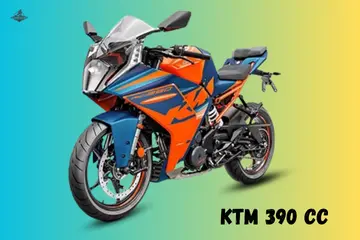
Running late for work in Denver, I grabbed my gear and hopped on my bike. I pressed the starter, but my ktm 390 cc not starting left me stranded in the driveway. That sudden silence is a heartbreaker for any rider. Since that day, I have learned exactly how to fix these moody machines.
Why Your KTM 390 Won’t Start (And Why It Always Happens On Busy Days)
I still remember, last Tuesday morning, already late, press the starter, and nothing. That quiet, painful silence. It felt like the bike knew I was in a rush. If you are staring at your dash right now, don’t worry. Most of the time, the fix is much simpler than you think. Let’s walk through the most common causes first.
Quick checklist before you panic
Before you pull out the heavy tools, check these four things. We often overlook the easiest bits when we are stressed.
- Kill switch ON? I have bumped this with my glove more times than I care to admit.
- Bike in neutral? The KTM safety switch won’t let it fire if it’s in gear without the clutch pulled.
- Side stand up? If you are in gear and the stand is down, the engine stays dead.
- Enough fuel? Open the cap and give it a shake. Don’t just trust the digital gauge.
Small, silly things. They get us more than we admit.
Understanding The KTM 390 System, Fuel, Spark, Air, Battery
Your engine needs only a few basic things to roar to life. It needs power, fuel, a spark, and fresh air. If one fails, the bike won’t start. In my experience with the Duke and RC models, the issue is usually not dramatic, just annoying.
Battery + electrical system (most common)
The electrical system is the brain and heart of the bike. If the pulse is weak, nothing happens.
- Weak battery: These bikes hate low voltage. If it sits for a week, the charge drops.
- Loose terminals: Vibrations from the single-cylinder engine can shake the bolts loose.
- Faulty starter relay: You might hear a “click” but the motor won’t turn.
- Corroded connections: This happens often if you ride in the rain or live near the coast.
Signs: A dim dash, a clicking sound, or strange error codes on the screen. Once, mine smelled faintly burnt, like hot wiring and dust. I found a loose ground wire that was sparking.
Fuel delivery issues
If the bike cranks but won’t “catch,” it might be hungry.
- Clogged fuel filter: Bad gas can gunk up the filter quickly.
- Bad fuel pump: You should hear a faint “whir” for two seconds when you turn the key.
- Empty tank but faulty gauge: The sensor can get stuck.
- Stale fuel: This happens often after leaving the bike parked all winter.
Old gas turns into a sticky mess that blocks the tiny holes in your injector.
Spark & ignition problems
The spark plug is what actually lights the fire.
- Spark plug fouled: Too much fuel can soak the plug and stop the spark.
- Coil issues: The cap that sits on the plug can crack or get wet.
- ECU / sensor faults: The computer might get bad data from the MAP or O2 sensors.
If the engine cranks but doesn’t fire, it is usually a spark or fuel issue. It is a frustrating feeling to hear it try so hard but stay dead.
Airflow blocked
Your bike needs to breathe. If the air path is shut, the engine chokes.
- Dirty air filter: A layer of thick dust can act like a wall.
- Rodent nest: Yes, it happens, my cousin found peanuts and grass in his air box after a month of storage.
- Intake leaks: If air leaks in behind the throttle body, the mix gets too lean.
KTM 390 Specific Quirks (Duke / Adventure / RC)
Some quirks show up again and again across KTM 390 models. These are the “orange” traits we love and hate.
Side-stand sensor misread
This is a classic KTM move. A tiny bump or a wet day can confuse the sensor. The bike thinks the stand is down even when it is up. It will kill the engine the moment you try to ride away.
Immobilizer / key recognition glitch
Sometimes the dash lights up, but the bike refuses to crank. It might not see the chip in your key. Try this:
- Turn the lock to the “off” position.
- Remove the key for 30 seconds.
- Re-insert the key and wait for the dash to fully cycle before hitting the button.
Overheating shutdown memory
The 390 runs hot. After a very hard ride, the ECU can be picky about the next start. If the bike is scorching, let it cool for ten minutes. The sensors need to see a safe temp before they allow a restart.
Step-By-Step Troubleshooting (What I Actually Do)
Let’s go practical. Get your hands dirty. Imagine the sun beating down and your tools scattered on the pavement.
Step 1: Listen first
Turn the key and listen.
- No sound at all? Check the kill switch and the main fuse.
- Click-click sound? Your battery is too low to turn the starter.
- Cranks fast but stays dead? You have power, but no fuel or spark.
Step 2: Check the battery
This is the fix 90% of the time.
- Open the seat.
- Check that the red and black wires are tight.
- Try a jump-start from a portable pack (or a car, but keep the car engine OFF).
- If it starts with a jump, your battery is toast. Replace it soon.
Step 3: Check fuel flow
- Open the gas cap. Do you smell fresh gas?
- Cycle the ignition. Do you hear the pump prime?
- If you hear nothing, check the fuel pump fuse. If the fuse is good, the pump might be dead.
Step 4: Inspect spark plug
If you have tools, pull the plug.
- Remove the lead.
- Unscrew the plug.
- If it is black and wet, it is fouled. Clean it with a rag or replace it.
- Refit it snugly. A loose plug loses compression.
When To Stop DIY And Call A Mechanic
Sometimes forcing it makes the damage worse. I learned this the hard way outside a grocery store at 8 pm. I kept trying to start it until I drained the battery and smelled smoke.
Call a pro if:
- You smell a strong burning scent from the wiring.
- The ECU shows a “Critical Failure” or flashing codes.
- The fuel pump stays silent after you check all fuses.
- The bike starts but stalls every time you touch the gas.
It is better to pay for a tow than to pay for a whole new engine.
How To Prevent “KTM 390 Not Starting” Moments
Prevention is boring, but it is so much cheaper than a repair bill.
Do these regularly
- Ride weekly: This keeps the battery charged and the fuel moving.
- Use a battery tender: If you don’t ride for a week, plug it in.
- Clean the air filter: Check it every few months, especially if you ride in dusty areas.
- Replace the spark plug: Don’t wait for it to fail. Change it on schedule.
- Use good fuel: High-quality gas leaves fewer deposits.
These small habits lead to big peace of mind. Your KTM is a high-performance machine; treat it like one, and it will start every single time.
FAQs
A KTM 390 cc not starting is often due to a weak battery. Check battery charge, terminals, and the main fuse first.
If it cranks but won’t start, fuel or spark may be missing. Low fuel pressure or a bad spark plug is common.
Yes, a low battery can spin the starter but fail to fire the engine. The ECU needs strong voltage to start.
Hot start issues often point to a failing fuel pump or sensor. Heat can affect weak parts and stop fuel flow.
Yes, an engaged or faulty kill switch will stop ignition. Toggle it a few times and try again.
Yes, dirty injectors block fuel spray. This causes long cranking or no start, especially after storage.
If basic checks fail, get a scan done. Error codes help find sensor or ECU-related problems fast.

Co-Founder, Owner, and CEO of RoadHybridBike.
Ehatasamul Alom is a dedicated road hybrid bikes expert. With over 15 years of experience, he helps people find the perfect ride. He began his journey as a bike mechanic. He learned the ins and outs of every bike.
Ehatasamul Alom holds a Master’s degree in Mechanical Engineering from a top university, where he specialized in material science and bicycle kinematics. His master’s thesis focused on optimizing frame geometry for road hybrid bikes to improve rider comfort and efficiency.
Ehatasamul has an extensive professional background. He spent 10 years as a Senior Bike Designer at “Urban Cycles,” a leading bicycle manufacturer. In this role, he led the development of several award-winning road hybrid bikes, which are known for their durability and performance. He later served as the Head of Product Development at “Gear Up,” a company specializing in high-end cycling components. There, he developed innovative parts and accessories specifically for road hybrid bikes.
Over the years, Ehatasamul has become an authority on road hybrid bikes. He understands their design and function. His work focuses on making bikes easy to use. Ehatasamul believes everyone should enjoy cycling. He writes guides that are simple to read. His passion for road hybrid bikes is clear. His goal is to share his knowledge with everyone. He wants to see more people on two wheels. His advice is always practical and easy to follow.
Leave a Reply
You must be logged in to post a comment.