
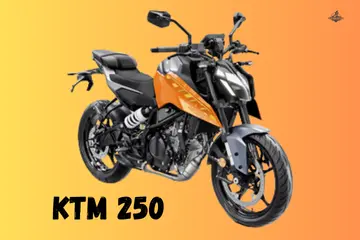
My KTM 250 sat at the trailhead in Phoenix like a stubborn rock last Saturday morning. Helmet on. Gear ready. Thumb on the starter button. Nothing but a weak click and silence. Three friends waited. I smiled and waved like everything was fine. The ktm 250 not starting problem hit me at the worst possible time but after twenty minutes of checking the obvious stuff, I found the culprit hiding under the seat. Turns out, most starting issues are simpler than they seem once you stop panicking.
Why Your KTM 250 Won’t Start (And Why It Always Happens When You’re Late)
I’m at the edge of town, helmet on, sun already hot, and the KTM says… nothing. Just that dull click. My friends are already rolling. I’m stuck. Heart sinking. Trying not to look annoyed.
The bike worked perfectly yesterday. Ran strong. Started on the first press. But now it’s playing dead. No crank. No sound. Just embarrassment.
Let’s walk through why that happens calmly even if you feel annoyed.
Common Starting Problems at a Glance
- Dead or weak battery
- Fuel delivery issues
- Spark problems
- Airflow blockages
- Sensor or ECU hiccups
- Rider mistakes (yep, happens)
Quick Checks Before You Touch Any Tools
Start simple first. Half the time, the “big problem” is a tiny oversight.
I spent fifteen minutes checking complicated stuff before I looked at the obvious things. Don’t be like me.
Is the Kill Switch On?
I’ve lost ten minutes once because of this. Not proud.
The kill switch sits right by your thumb. One bump and it’s off. You turn the key. Press the starter. Nothing happens. You blame the battery. The fuel pump. The universe.
Then you see the little red switch in the wrong position.
Check it first. Save yourself the embarrassment.
Is the Bike in Neutral?
Sometimes the gear light lies… a little.
The KTM won’t start in gear unless you pull the clutch. If the clutch switch is dirty or broken, the bike refuses.
Also, the neutral light can glow even when you’re not quite in neutral. Wiggle the shifter. Try again.
Enough Fuel and Is It Reaching the Engine?
- Old fuel smells weird. Sour. Stale. Like bad wine.
- Check the petcock or fuel tap. Is it in the “on” or “reserve” position?
- Make sure the tank vent isn’t clogged. A blocked vent creates a vacuum. The pump can’t pull fuel.
I unscrewed my fuel cap. Heard a small hiss. Air pressure released. The vent was partly blocked.
Battery Problems: The Silent Troublemaker
KTM 250s are picky when voltage drops even a little.
Most starting problems trace back to the battery. Even if the lights come on, the battery might be too weak to crank the starter.
Signs of a Weak Battery
- Slow crank. The engine turns over like it’s stuck in molasses.
- Clicking noise. That’s the starter relay trying but failing.
- Lights dimming when you hit the starter. The voltage drops too low.
I pulled my seat off. The battery terminals were covered in white crusty powder. The connections were loose. I could wiggle them with my finger.
What to Do
- Clean terminals: Use a wire brush. Scrub off rust, white powder, and grime.
- Tighten connections: Make sure both positive and negative bolts are snug.
- Test with multimeter: 12.6 volts or higher is healthy. Below 12? Charge it.
- Jump or charge, then investigate “why”: If the battery keeps dying, the charging system might be bad.
I cleaned my terminals. Tightened the bolts. The bike fired immediately. Problem solved.
Fuel System: When the Engine Gets Air… But No Breakfast
If fuel can’t travel, the bike won’t fire simple as that.
The KTM 250 needs a steady flow of clean fuel. Clogs, dirt, or old gas mess everything up.
Check the Basics
- Fuel filter clogged: Brown or black filter? Replace it.
- Carb jets blocked (carb models): Dirt and varnish clog tiny passages.
- Injector dirty (FI models): Gunk blocks the nozzle.
Fixes You Can Try
- Drain old gas: If the fuel smells sour or looks brown, dump it. Add fresh gas.
- Clean carb (carefully): Remove the float bowl. Clean jets with carb cleaner and compressed air. Don’t poke jets with wire. You’ll damage them.
- Add injector cleaner: For fuel-injected models. Not a miracle cure, but it helps.
- Replace filter if it looks nasty: Filters are cheap. Don’t risk starving the engine.
A bit of gas smell on your hands? Normal. Just don’t light anything.
Spark Issues: No Spark, No Fire, No Fun
Even brand-new plugs fail sometimes. It’s annoying.
If the engine cranks but won’t fire, the spark plug is a likely suspect.
What to Look For
- Plug fouled with black soot: Too much fuel. Not enough spark.
- Cracked plug: The ceramic can crack from heat or impact.
- Wet plug (too much fuel): The engine is flooding. Stop cranking or you’ll make it worse.
Tools & Fix
- Remove spark plug: Use a deep socket. Usually 16mm or 18mm.
- Ground it, crank, check spark: Touch the plug threads to the engine. Crank the bike. Look for a blue spark at the electrode.
- Replace with correct spec plug: Check your manual. Gap matters. Usually around 0.6 to 0.8mm.
- Inspect coil and wiring if still dead: Look for frayed wires or loose connections.
I pulled my plug. It was black. Soaked in fuel. The electrode looked worn. I grabbed a spare from my toolbox. Gapped it. Screwed it in. The bike started on the first try.
Airflow & Filters: When Your Engine Can’t Breathe
Mud, dust, and last week’s trail ride can choke things up.
A dirty air filter makes the engine too rich. It floods. Won’t start. Or starts and immediately dies.
Check the Air Filter
- Muddy: Packed solid with dirt.
- Over-oiled: Soaked in oil. Suffocates airflow.
- Torn foam: Lets dirt straight into the engine. Bad news.
Simple Fix
- Clean: Wash with soap and water. Or use filter cleaner.
- Dry fully: Squeeze out water. Let it air dry. Don’t rush.
- Re-oil lightly: Just enough to make it tacky. Not dripping.
- Reinstall properly: Make sure it seats tight. No gaps.
It’s wild how often this fixes “mystery” starting problems.
I pulled my air filter. It was brown and crusty. Packed with trail dust. I tapped it on the ground. A cloud of dirt puffed out. I cleaned it properly. The bike ran better immediately.
Sensors, ECU & Modern Gremlins
On fuel-injected KTM 250s, electronics can throw a tantrum.
The ECU relies on sensors to run the engine. If one sensor lies or fails, the computer panics and shuts everything down.
Possible Culprits
- Faulty throttle position sensor: Tells the ECU how much throttle you’re giving. If it’s stuck, the bike thinks you’re wide open or fully closed.
- Loose ECU connector: Vibration loosens plugs. Especially on hard enduro bikes.
- Bad ground wiring: Corroded or loose grounds cause all kinds of weird electrical problems.
What Helps
- Disconnect and reconnect plugs: Sometimes that’s all it takes. The connection cleans itself.
- Look for frayed wires: Especially near the steering head. Wires rub and break.
- Scan codes (if available): Some KTMs have diagnostic modes. Check your manual.
Sometimes it starts after one wiggle feels magical, but it’s wiring.
I traced every wire I could see. Found one connector near the battery that was green with corrosion. Unplugged it. Sprayed contact cleaner inside. Plugged it back in. Connection felt tighter.
When It’s Probably Time for a Mechanic
Some things just need experience and proper diagnostics.
I’m comfortable with plugs, filters, and basic electrical stuff. But when things get internal or computerized, I stop.
Don’t Push It If You Notice:
- Loud metallic knocking: That’s internal engine damage. Stop immediately.
- Burning smell: Electrical fire risk. Or clutch burning.
- Oil leaks while cranking: Seal failure or worse.
- Repeated failure after multiple tests: You’re guessing at that point. Not diagnosing.
Better safe than rebuilding a top end.
Shops have diagnostic tools. They read error codes. They have compression testers and leak-down testers. They’ve seen every weird failure the KTM can throw.
Let them handle the hard stuff. It’s cheaper than buying parts you don’t need.
What I Learned After That Hot Morning Breakdown
Real-life lesson, not theory.
My problem? Dirty battery terminals and a half-charged battery. Five minutes. A rag. A little regret.
I felt dumb. But also relieved. Because it wasn’t the fuel pump. Or the ECU. Or anything expensive.
Now I Always:
- Carry a tiny toolkit: Socket for the spark plug. Screwdrivers. Wire brush. Multimeter.
- Keep the battery charged: Especially if the bike sits for more than a week.
- Check air and fuel first: Those are the easiest things to rule out.
- Laugh at myself (after the bike finally starts): Because sometimes, the fix is simple we just panic first.
Final Recommendation
My KTM 250 runs strong now. But it took me twenty minutes of checking the obvious stuff to get there.
Start simple. Check the kill switch. Test the battery and terminals. Pull the spark plug. Clean the air filter. Those four things solve most “won’t start” problems on the KTM 250.
If you’ve done all that and it still won’t fire, don’t feel bad about getting help. The KTM is a high-performance bike. The fuel injection and sensors add complexity that needs real tools to diagnose.
The ktm 250 not starting issue usually comes down to battery, spark, fuel, or air. Fix those four, and you’re back on the trail. Keep up with basic maintenance, and you won’t be standing at the trailhead with friends waiting, wondering what went wrong.
Because trust me. The bike won’t tell you. But a clean terminal, fresh plug, charged battery, and clean filter? Those speak loud and clear.
FAQs
A weak battery is the most common cause of KTM 250 not starting. Low fuel, a bad fuse, or a loose wire can also stop power.
If it cranks but will not start, fuel or spark is missing. A dirty injector or worn spark plug is often the issue.
Yes, the dash may turn on, but the engine needs more power. A weak battery can fail under load.
Cold weather lowers battery strength and affects fuel flow. This makes starting harder, especially with an old battery.
Yes, a faulty kill switch can block ignition. Always check it before deeper checks.
Yes, old fuel or a clogged fuel pump can stop the engine. Fresh fuel often fixes the problem.
If basic checks fail, visit a mechanic. Sensor or ECU faults need proper tools to diagnose.

Co-Founder, Owner, and CEO of RoadHybridBike.
Ehatasamul Alom is a dedicated road hybrid bikes expert. With over 15 years of experience, he helps people find the perfect ride. He began his journey as a bike mechanic. He learned the ins and outs of every bike.
Ehatasamul Alom holds a Master’s degree in Mechanical Engineering from a top university, where he specialized in material science and bicycle kinematics. His master’s thesis focused on optimizing frame geometry for road hybrid bikes to improve rider comfort and efficiency.
Ehatasamul has an extensive professional background. He spent 10 years as a Senior Bike Designer at “Urban Cycles,” a leading bicycle manufacturer. In this role, he led the development of several award-winning road hybrid bikes, which are known for their durability and performance. He later served as the Head of Product Development at “Gear Up,” a company specializing in high-end cycling components. There, he developed innovative parts and accessories specifically for road hybrid bikes.
Over the years, Ehatasamul has become an authority on road hybrid bikes. He understands their design and function. His work focuses on making bikes easy to use. Ehatasamul believes everyone should enjoy cycling. He writes guides that are simple to read. His passion for road hybrid bikes is clear. His goal is to share his knowledge with everyone. He wants to see more people on two wheels. His advice is always practical and easy to follow.
Leave a Reply
You must be logged in to post a comment.