
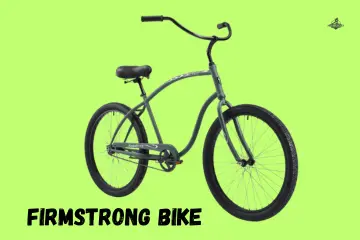
Starting a sunny beach ride in Malibu is the best way to spend a Saturday morning. One day, my favorite cruiser felt like it was stuck to the hot sand right in my driveway. Dealing with a Firmstrong bike not starting its roll is a real pain I have faced more than once. I have years of experience with these heavy-duty frames and found that the fix is almost always simple. Let me share my best tips to get your cruiser back on the path fast.
The Beach-Morning My Firmstrong Bike Wouldn’t Move
It was an early ride, and I had my flip-flops nearby as I pulled my bike onto the warm pavement. I gave that first pedal push, but the bike felt stiff, awkward, and totally wrong. That confused pause where you look down like the bike betrayed you is a feeling many cruiser owners know.
I was ready for the boardwalk, but my bike was acting like it had its parking brake on. I quickly learned that these simple bikes have a few “hidden” spots that can lock up if you don’t know where to look.

What “Not Starting” Actually Means on a Firmstrong Bike
Before we assume the frame is faulty, let’s do a quick reset of our expectations.
Firmstrong Cruiser Bikes vs Electric Assumptions
Firmstrong bikes are almost always non-electric, traditional machines. When a rider says the bike is “not starting,” they usually mean it is physically hard to move. Unlike an e-bike, there is no motor to blame; the block is 100% mechanical.
Common Rider Descriptions
- Pedals move but bike doesn’t: This often means the chain is slipping or the hub isn’t grabbing.
- Heavy resistance from a stop: It feels like you are pedaling through thick mud.
- Bike jerks, then stalls: Something is likely catching in the chain or the rear wheel hub.
Coaster Brake Problems That Lock a Firmstrong Bike
This is the #1 issue on cruiser bikes. The coaster brake is the part that lets you stop by pedaling backward.
Stuck or Overheated Coaster Brake
If your backpedal feels jammed, the internal brake shoes might be stuck. I have felt that grinding sensation myself after a long ride. If the internal grease gets old or dirty, it can cause the brake to “grab” when you want to go forward.
Why Short Rides Make It Worse
Believe it or not, short “stop-and-go” rides can lead to heat buildup in the hub. If you stop suddenly and the brake stays engaged, the bike might feel locked when you try to start again. A quick “flick” of the pedals forward and back usually clears this.
Chain and Drivetrain Issues Common on Cruisers
Simple systems still fail, they just do it quietly.
Chain Too Tight or Too Loose
Cruisers don’t have derailleurs to take up the slack. If your chain has no slack at all, it will bind and make the bike hard to pedal. If it is too loose, you will hear a “chain slap” sound, and it might fall off when you try to start.
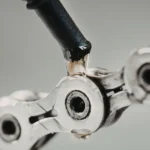
Dry or Rusty Chain From Storage
Bikes sitting near the coast are prone to rust. A dry, rusty chain makes a sandy, crunchy sound. This rust adds huge resistance, making that first pedal stroke feel like a massive chore.
Rear Hub and Freewheel Engagement Problems
Sometimes, you pedal and it feels like you are pedaling into thin air.
Freewheel Not Catching Immediately
If your pedals spin an inch or two before the bike moves, your hub engagement is slow. You might hear a loud clicking on takeoff. This is a sign that the internal “teeth” (pawls) are getting gummy.
Internal Hub Wear
On older Firmstrong bikes, the internal hub parts can simply wear down. If you notice a gradual loss of power when you “start” your pedaling, it might be time for a hub service or a new wheel.
Wheel and Rolling Resistance Issues
The bike technically moves, it just feels painful to do so.
Underinflated Balloon Tires
Firmstrong bikes love those wide balloon tires. However, they lose pressure overnight easily. Squishy tires cause slow starts and a very heavy feel. I always check my PSI before I even hop on the saddle.
Bent Rims or Overtightened Axle Nuts
Shipping or hitting a curb can bend a rim just enough to rub the frame. If the axle nuts are too tight, they can crush the bearings. Lift the bike and spin the wheel; it should spin for a long time without stopping.
Assembly and Setup Errors From the Box
Most cruisers arrive in a box and need some home setup. This is where errors often start.
Over-Tightened Brakes or Bearings
I have seen many riders think “tighter is safer.” If you tighten the wheel nuts too much, you bind the wheels. This makes the bike feel like it won’t start rolling because the bearings can’t turn.
Factory Setup vs Real Rider Weight
Cruisers can feel sluggish at first. The factory grease is thick, and the parts need a “break-in” period. After about 20 miles, the bike usually starts to feel much faster and lighter.
Bottom Bracket and Crank Arm Issues
When pedaling feels heavy even when the chain is off, the problem is under your feet.
Stiff or Dry Bottom Bracket
This is the part that holds your pedals. If it is dry, you will feel resistance every time you rotate the pedals. A faint grinding noise is a sure sign it needs grease.
Loose Crank Arms
If you feel a side-to-side wobble in your pedals, check the crank bolts. A loose arm will click under pressure. If it isn’t tight, your power won’t be even, making it hard to get the bike moving.
Quick Troubleshooting Checklist Before You Ride
Use this 5-minute test in your garage or at the beach parking lot.
5-Minute Cruiser Bike Test
- Spin the rear wheel: It should spin freely without making noise.
- Backpedal test: Pedal backward; it should feel smooth until the brake kicks in.
- Short roll: Push the bike with your hand. It should roll straight without any drag.
What You Can Fix vs What Needs a Shop
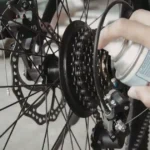
You can pump tires and oil a chain at home. But if your coaster brake hub is making loud metal-on-metal noises, you should probably let a pro bike shop take a look.
When to Visit a Bike Shop or Contact Firmstrong
Knowing when not to force a fix will save you money in the long run.
What a Mechanic Will Check First
A mechanic will look at the coaster brake hub and chain tension first. They have special tools to open the hub without losing the tiny internal springs.
Warranty and Support Expectations
Firmstrong is known for tough bikes, but they have limits on wear and tear. If your bike arrived with shipping damage, take a photo and email them right away. They are usually great about sending replacement parts.
How I Keep My Firmstrong Bike Starting Smoothly Now
I use small habits to keep my rides easy. These changes made a huge difference for me.
Smarter Cruiser Riding Habits
I always use gentle first pedal strokes. I avoid slamming on the backpedal brake unless I really need to. This keeps the internal hub parts from getting jammed or worn out too fast.
Weekly Two-Minute Bike Check
Every Sunday, I give my tires a quick squeeze. I also do a “spin-and-listen” test on the wheels. If I hear any rubbing, I fix it then so it doesn’t ruin my next ride.
Final Recommendation
When your Firmstrong bike not starting its roll is ruining your day, take a deep breath. In my expert experience, it is almost always a dry chain or a tight brake hub. Start with the tire pressure and work your way to the chain. You will be back to enjoying that ocean breeze in no time.
FAQs
A Firmstrong bike not starting is often due to a loose chain, stuck brake, or low tire pressure. Check these first to get the bike rolling again.
Yes, if a brake pad rubs the wheel, the bike may not move freely. Spin the wheel and adjust the brake if it feels tight.
A slipped or dry chain can stop smooth pedaling. Clean, oil, and realign the chain to fix many Firmstrong bike starting problems.
Long storage can cause rust or stiff parts. Add lubricant to the chain and pedals before riding the Firmstrong bike again.
Yes, flat or soft tires make the bike hard to move. Inflate the tires to the recommended PSI for easy riding.
Check the brakes, chain, and tires first. These simple checks solve most Firmstrong bike not starting issues fast.
If the bike still won’t move, visit a local bike shop. Bent parts or bearing issues need professional repair.

Co-Founder, Owner, and CEO of RoadHybridBike.
Ehatasamul Alom is a dedicated road hybrid bikes expert. With over 15 years of experience, he helps people find the perfect ride. He began his journey as a bike mechanic. He learned the ins and outs of every bike.
Ehatasamul Alom holds a Master’s degree in Mechanical Engineering from a Brown University (Providence US 02912), where he specialized in material science and bicycle kinematics. His master’s thesis focused on optimizing frame geometry for road hybrid bikes to improve rider comfort and efficiency.
Ehatasamul has an extensive professional background. He spent 10 years (2010-2020) as a Senior Bike Designer at “Urban Cycles,” a leading bicycle manufacturer. In this role, he led the development of several award-winning road hybrid bikes, which are known for their durability and performance. He later served (2020-2024) as the Head of Product Development at “Gear Up,” a company specializing in high-end cycling components. There, he developed innovative parts and accessories specifically for road hybrid bikes.
Over the years, Ehatasamul has become an authority on Roadhybridbikes. He understands their design and function. His work focuses on making bikes easy to use. Ehatasamul believes everyone should enjoy cycling. He writes guides that are simple to read. His passion for road hybrid bikes is clear. His goal is to share his knowledge with everyone. He wants to see more people on two wheels. His advice is always practical and easy to follow.
Leave a Reply
You must be logged in to post a comment.