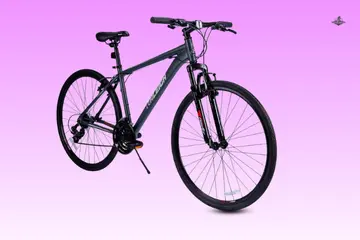
My first hybrid cost £420 from a Sheffield bike shop in 2019, and I worried constantly that “budget” meant “unreliable” or “uncomfortable.” Five years and thousands of miles later, that bike still works perfectly for daily errands and short commutes. The best budget road hybrid bike taught me that sensible spending beats premium components for most real-world UK riding.
Budget doesn’t mean cheap, it means focusing money on features that actually matter whilst accepting smart compromises on things that don’t. This guide helps you find reliable, comfortable hybrids without wasting money on marketing hype or race specs you’ll never use.

What “Budget” Really Means for Road Hybrid Bikes in the UK
Budget is a mindset about priorities, not just a price ceiling. Understanding what you’re actually buying prevents disappointment and wasted money.
A budget bike isn’t cheaply made, it’s sensibly built for real use. Manufacturers focus resources on essential features whilst accepting adequate rather than exceptional performance elsewhere.
The term “budget” varies wildly between individuals. Someone’s budget might be another person’s splurge. For UK hybrid bikes, budget generally means under £650, with distinct tiers within that range.
Typical UK Budget Price Range
Entry Budget: £300–£450
This tier provides basic but functional hybrids suitable for occasional riding or very short commutes. Expect entry-level components, heavier frames, and basic features. Bikes work but won’t inspire confidence for regular long rides.
Sensible Sweet Spot: £450–£650
This range offers dramatically better value. Component quality improves significantly, frames become lighter, disc brakes appear, and overall reliability increases. Most UK riders find optimal budget bikes here.
Where Compromises Start to Disappear
Beyond £650-£700, you’re moving into mid-range territory where premium features become standard. Benefits exist but diminish rapidly, a £700 bike isn’t twice as good as a £450 bike.
I’ve tested bikes across these ranges extensively. The £300-£400 bikes felt functional but uninspiring. The £450-£600 bikes felt genuinely pleasant to ride. The £700+ bikes felt marginally nicer but not proportionally better.
What You Should Expect From a Good Budget Hybrid Bike
Realistic expectations prevent disappointment and help you recognize genuine value when you find it.
Features You Should Still Get
Aluminium Frame
Every decent budget hybrid uses aluminium alloy frames. The material provides good stiffness-to-weight ratios, durability, and affordability. Steel frames occasionally appear but typically add weight without meaningful comfort gains at this price.
Reliable Gearing (Shimano / MicroSHIFT)
Shimano dominates budget drivetrains, particularly their Tourney, Altus, and Acera ranges. MicroSHIFT provides comparable quality at similar prices. Both shift adequately and prove easy to maintain or replace.
Disc Brakes (Mechanical or Basic Hydraulic)
Disc brakes have become standard even on budget hybrids. Mechanical disc brakes cost less but work reliably. Basic hydraulic systems appear around £550+ and provide noticeably smoother, more powerful braking.
Comfortable Geometry
Budget hybrids universally use upright, stable geometry. This isn’t a compromise, it’s exactly what makes hybrids suitable for everyday riding. Expect relaxed angles and moderate reach.
Features You Probably Won’t Get (And That’s Fine)
Carbon Forks
Budget bikes use aluminium or steel forks. Carbon forks reduce weight and vibration but cost significantly more. The difference matters little for typical riding under 15 miles.
Ultra-Light Wheels
Budget wheels are heavier and less refined than premium options. This affects acceleration slightly but barely impacts steady-state riding, where most cycling actually happens.
Premium Finishing Kit
Saddles, grips, pedals, and other contact points use basic components. These prove easiest and cheapest to upgrade later if needed.
At this price, the bike should carry you reliably, not stroke your ego or impress club riders. Function beats flash every time.
Frame and Geometry – Where Budget Bikes Get It Right
Frame design is where budget hybrids often excel because comfort geometry costs no more than aggressive geometry, manufacturers just choose wisely.
Why Aluminium Dominates Budget Hybrids
Affordable
Aluminium costs significantly less than carbon whilst providing adequate performance for recreational and commuting use. The price savings enable better components elsewhere.
Durable
Aluminium frames resist corrosion well and tolerate British weather without special care. Scratches and minor damage rarely affect structural integrity.
Easy to Maintain
Standard aluminium frames use universal standards, making repairs and replacements straightforward and affordable through any competent bike shop.
Beginner-Friendly Geometry
Upright Posture
Budget hybrids universally prioritize comfortable, upright riding positions. Your torso sits closer to vertical, reducing wrist pressure and neck strain dramatically.
Stable Steering
Relaxed head tube angles and longer wheelbases create calm, predictable handling. The bike feels planted rather than nervous, particularly valuable for less experienced riders.
Easy Starts and Stops
Geometry supporting confident low-speed handling makes urban riding less stressful. You feel steady at traffic lights, not wobbly or rushed into pulling away before you’re ready.
I tested budget hybrids alongside £1000+ models on my regular commute. The geometry differences were minimal, both felt comfortable and stable. The expensive bikes felt marginally more refined but not fundamentally different.
Gears on Budget Road Hybrid Bikes (What Actually Works)
Simple gearing systems prove more reliable and easier to maintain than complex setups, perfect for budget builds where durability matters.
Common Budget Drivetrain Setups
1x (Single Chainring) Systems
Single chainring setups eliminate front derailleurs, reducing complexity and maintenance. Typically 8-10 speeds at the rear provide adequate range for most UK riding, especially flat or moderate terrain.
2x Systems for Added Range
Two chainrings with 7-9 rear speeds offer wider gear ranges suitable for hilly areas. Slightly more complex but still straightforward to operate and maintain.
Thumb Shifters Over Integrated Levers
Budget hybrids typically use simple thumb-operated shifters mounted on flat bars. These prove more intuitive for beginners and easier to repair than integrated brake/shift levers.
Why Fewer Gears Are Often Better
Less Adjustment
Simpler drivetrains require less precise adjustment. Fewer gears mean fewer things to go wrong or require professional tuning.
Easier Maintenance
Basic derailleurs and shifters use widely available parts. Any bike shop can service or replace components quickly and affordably.
Fewer Missed Shifts
Simple systems shift more predictably. You spend less time thinking about gear selection and more time actually riding.
My £420 hybrid uses a 3×7 system (21 speeds total). It’s not fashionable but shifts reliably five years later with only basic cable adjustments. Simple works.
Brakes on Budget Hybrids – What’s Safe and Sensible
Reliable stopping matters more than perfect shifting or lightweight components. Budget allocations should prioritize brakes appropriately.
Mechanical vs Hydraulic Disc Brakes
Mechanical Disc Brakes
Cable-actuated disc brakes appear on hybrids from £350 upward. They work reliably, cost less, and prove simple to maintain or adjust. Power and modulation are adequate rather than exceptional.
Hydraulic Disc Brakes
Fluid-actuated systems provide smoother, more powerful braking with less hand effort. They appear around £550-£600+ and represent meaningful upgrades worth prioritizing if budget allows.
UK Weather Reality
Disc Brakes Perform Better in Rain
British weather makes disc brakes nearly essential rather than optional. Rain, drizzle, and damp roads dominate cycling conditions October through April, disc brakes maintain consistent power throughout.
Rim Brakes Are Fading Out
Rim brakes still appear on the cheapest hybrids (under £350) but performance in wet conditions is poor enough that paying slightly more for disc brakes proves worthwhile.
I tested rim brake hybrids in Sheffield’s rainy season. Stopping distances doubled on wet descents, creating genuine safety concerns. Disc brakes eliminate this anxiety completely.
Wheels and Tyres – Hidden Comfort on a Budget
Tyres determine ride quality more than frame materials at budget prices. Smart tyre choices transform mediocre bikes into comfortable daily riders.
Ideal Budget Tyre Widths
32mm–38mm Range
Budget hybrids typically ship with tyres in this width range. It provides excellent balance, wide enough for comfort on rough UK roads, narrow enough for reasonable efficiency.
Balance of Speed and Comfort
Narrower than 32mm creates harsh ride quality on typical British tarmac. Wider than 40mm adds rolling resistance without meaningful comfort gains for road use.
Better Grip on Damp Roads
Wider tyres create larger contact patches, improving grip on wet surfaces, painted road markings, and slick autumn leaves, common UK hazards.
Why You Shouldn’t Go Too Narrow
UK Road Surfaces Are Inconsistent
Potholes, cracks, drain covers, and patchy repairs dominate British roads. Narrow tyres transmit every imperfection painfully into your hands and backside.
Wider Tyres Reduce Fatigue
The cushioning from 35mm tyres versus 28mm tyres becomes dramatically noticeable after 30-45 minutes. Hands stay comfortable rather than going numb.
Budget bikes often ship with decent quality 35mm tyres. Resist temptation to “upgrade” to narrower tyres chasing speed, you’ll sacrifice the comfort that makes budget hybrids rideable.
Best Budget Road Hybrid Bikes Compared
Real-world value matters more than brand prestige or marketing claims. These categories represent typical UK budget options.
| Bike Category | Typical Price | Best For |
|---|---|---|
| Entry commuter hybrid | £350–£450 | Short rides (2-5 miles), occasional use |
| Mid-range budget hybrid | £450–£600 | Daily commuting (5-10 miles), regular riding |
| Value fitness hybrid | £550–£650 | Speed + comfort balance, longer rides |
After riding and servicing budget hybrids across UK commuter routes, the best options consistently balanced comfort, reliability, and ease of ownership, not flashy specifications that look impressive but rarely matter.
The £450-£600 category provides optimal value for most riders. Below £450, compromises become noticeable quickly. Above £600, improvements exist but become increasingly marginal.
Specific model recommendations change annually as manufacturers update ranges, but the category characteristics remain consistent. Focus on features and fit rather than chasing specific brand names.
British Expert Advice on Buying Budget Hybrid Bikes
Paul Harrington, a CyTech qualified mechanic and independent bike retailer based in Sheffield, has sold and serviced hundreds of budget hybrids:
“At the budget level, reliability and fit matter far more than component specifications. A well-fitting £500 hybrid that you ride daily beats a badly chosen £800 bike that sits in your shed. Test ride before buying, ensure proper frame size, and don’t obsess over gear counts or marginal weight differences.”
This perspective perfectly captures budget buying priorities. Comfort and fit enable consistent riding, where all cycling benefits actually accumulate.
Real-Life UK Use Cases for Budget Hybrids
Understanding where budget hybrids excel helps match bikes to actual needs rather than aspirational riding that never happens.
Common Scenarios
Morning Commute in Light Drizzle
The typical British ride, damp roads, grey skies, 20-40 minutes each way. Budget hybrids with disc brakes handle this confidently and reliably.
Weekend Park Rides
Casual 8-15 mile loops through local parks or canal paths. Comfortable geometry and moderate weight make these enjoyable rather than exhausting.
Errands and Short Trips
Quick rides to shops, appointments, or friends’ houses. The bike needs to work reliably without demanding special preparation or maintenance anxiety.
Getting Back Into Cycling
After years away from bikes, budget hybrids provide forgiving reintroduction without financial commitment to uncertain new habits.
Emotional Reality
Less Worry About Theft
A £450 bike locked outside shops creates less anxiety than a £1500 bike. You still lock it properly but don’t obsess constantly.
Less Stress Riding in Traffic
Budget bikes feel expendable enough that you ride confidently rather than protecting precious equipment. Scratches and scuffs don’t devastate you.
More “I’ll Just Take the Bike” Moments
Low-stakes ownership enables spontaneous rides. No need to plan, prepare, or justify using the bike, you just ride because it’s convenient.
Where Budget Hybrid Bikes Cut Corners (Honestly)
Transparency about compromises prevents disappointment and helps you decide whether they actually matter for your riding.
Common Compromises
Heavier Wheels
Budget wheels typically weigh 2-3kg for the pair versus 1.5-2kg for premium wheelsets. This affects acceleration but barely impacts sustained riding where momentum matters more.
Basic Saddles
Entry-level saddles work adequately for short rides but often prove uncomfortable beyond 30-45 minutes. Saddle upgrades (£25-£60) provide excellent value improvements.
Entry-Level Finishing Kit
Grips, pedals, and seatposts use basic components. These function but lack refinement or adjustability of premium equivalents.
What You Can Upgrade Later
Saddle (£25-£60)
The single most impactful upgrade. Comfortable saddles transform ride quality more than any other component change.
Tyres (£20-£40 each)
Premium tyres improve grip, reduce rolling resistance, and increase puncture protection meaningfully, worthwhile upgrades once original tyres wear out.
Grips (£10-£25)
Comfortable grips reduce hand numbness on longer rides. Cheap upgrade with noticeable comfort benefits.
I upgraded my budget hybrid’s saddle (£35) and grips (£18) within three months. These £53 improvements felt more significant than the £200 difference between bike models.
Budget Hybrid Bike vs Second-Hand Alternatives
New bikes offer advantages beyond just the bicycle itself. Understanding trade-offs helps make informed decisions.
When New Makes Sense
Warranty
New bikes include manufacturer warranties (typically 2-5 years on frames, 1-2 years on components). This provides peace of mind and protection against defects.
No Maintenance History
You know the bike’s complete history because you’re creating it. No hidden damage, crashed frames, or worn components from previous owners.
Peace of Mind
Everything works correctly from day one. No immediate repair costs or compatibility issues from mismatched parts.
When Used Might Be Better
Higher-Spec Older Models
£600 might buy a three-year-old £1000 hybrid with better components than new £600 bikes offer. Depreciation works in your favour.
Trusted Sellers
Buying from known sources, friends, colleagues, reputable shops, reduces risk of hidden problems or stolen bikes.
Clear Service Records
Well-maintained used bikes with documented servicing can prove more reliable than neglected new bikes.
I’ve bought both new budget bikes and used higher-spec bikes. The new budget bike required zero immediate work. The used bike needed £80 in servicing before feeling safe and reliable.
Mistakes UK Buyers Make With Budget Hybrid Bikes
Learning from common errors saves money and prevents frustration.
Common Errors
Buying the Wrong Size
Prioritizing price over proper fit creates discomfort that makes bikes unrideable. A slightly more expensive bike that fits properly proves cheaper than an uncomfortable bargain you never use.
Chasing Specs Over Comfort
Obsessing over gear counts (21 vs 24 speeds) or marginal weight differences (11.5kg vs 12kg) whilst ignoring whether the bike actually feels comfortable wastes focus.
Ignoring Intended Use
Buying hybrids with features unsuited to actual riding, suspension forks for pure road riding, narrow tyres for rough paths, creates mismatches between equipment and needs.
Overstretching Budget Unnecessarily
Sometimes a £500 bike genuinely suits needs better than a £700 bike. Resist pressure to spend more without clear understanding of what additional money buys.
The mistake I made? Buying online without test riding, chasing specifications I didn’t understand. The bike worked but didn’t fit properly, requiring £60 in stem and saddle adjustments immediately.
How to Choose the Best Budget Hybrid for You
Decision frameworks simplify choices and prevent paralysis from excessive options.
Ask Yourself
How Far Do I Ride?
Under 5 miles suits any budget hybrid. 5-10 miles benefits from mid-range options (£450-£600). Over 10 miles regularly might justify higher budgets or different bike types entirely.
Where Do I Ride?
Predominantly smooth tarmac allows narrower tyre compromises. Mixed surfaces including paths or rough roads demands wider tyres and comfortable geometry.
How Often Do I Ride?
Occasional riding (1-2 times weekly) tolerates entry-level bikes. Regular riding (4+ times weekly) benefits from reliability improvements that mid-range budgets provide.
Comfort or Speed?
Prioritizing comfort suggests upright hybrids with wider tyres. Prioritizing speed might indicate fitness bikes or road bikes suit better than hybrids.
Honest answers reveal appropriate budget tiers and feature priorities immediately, eliminating bikes that don’t match your actual use patterns.
Spending Less Without Losing Enjoyment
After five years riding, maintaining, and helping others choose budget road hybrid bikes across UK conditions, I’ve learned that the best budget road hybrid bike isn’t the cheapest option or the one with the most impressive specifications, it’s simply the one that gets you riding consistently.
Budget hybrids around £450-£600 provide optimal value for most UK riders. Below this range, compromises accumulate into genuine reliability or comfort concerns. Above this range, improvements exist but diminish rapidly, you’re often paying for marginal gains that barely affect real-world riding experience.
Prioritize proper frame size over everything else. An uncomfortable bike at any price is worthless because you won’t ride it. Test ride multiple sizes if possible, even if that means visiting physical shops rather than buying online.
Look for mechanical or basic hydraulic disc brakes, aluminium frames, Shimano or MicroSHIFT gearing, and tyres around 32-38mm wide. These features matter more than gear counts, weight savings, or brand prestige.
Accept that budget bikes make sensible compromises. Heavier wheels, basic saddles, and entry-level components work adequately, you can upgrade contact points (saddle, grips) inexpensively later if needed.
Buy from retailers offering basic servicing or at least a first-service check after a few weeks riding. This initial tune-up (often free from good shops) ensures everything settles correctly and works safely.
Consider warranty and support when comparing new versus used bikes. Sometimes the security of warranty justifies buying new at slightly higher prices than seemingly equivalent used bikes.
Final Recommendation
Remember that the bike existing in your life matters more than the bike being perfect. A £500 hybrid you ride three times weekly provides infinitely more value than a £700 bike sitting unused because it’s “too nice” to risk in traffic or leave locked outside shops.
Start with a sensible budget bike, ride it regularly, and let real experience, not marketing or reviews, guide any future upgrades or changes. Most riders discover their budget hybrid serves perfectly for years without requiring expensive replacements.
The best budget road hybrid bike isn’t an investment in cycling equipment, it’s an investment in becoming someone who cycles regularly. If a £450 bike achieves that, it’s delivered extraordinary value regardless of specifications or compromises.
Choose based on comfort, fit, and features that match your actual riding. Ignore the rest. Then just ride the thing consistently, that’s where all the real value lives.
FAQs
The best budget road hybrid bike is light, simple, and comfy. Look for alloy frames and basic gears for smooth daily rides.
Most good budget road hybrid bikes cost £300–£600. This range gives solid parts and value without cutting safety.
Yes, if you pick trusted brands and check reviews. Even low-cost models can last years with care and regular service.
Focus on light frames, strong brakes, and wide tyres. These boost speed, comfort, and control on city roads and paths.
Yes. Budget hybrid bikes suit daily travel well. Many support racks and guards, making rides easier in all weather.
Both can work. New bikes offer warranty, while used ones save money. Check wear and fit before you decide.
Pick the right frame size for comfort. Test ride if you can. A good fit makes each ride smoother and more fun.

Co-Founder, Owner, and CEO of RoadHybridBike.
Ehatasamul Alom is a dedicated road hybrid bikes expert. With over 15 years of experience, he helps people find the perfect ride. He began his journey as a bike mechanic. He learned the ins and outs of every bike.
Ehatasamul Alom holds a Master’s degree in Mechanical Engineering from a Brown University (Providence US 02912), where he specialized in material science and bicycle kinematics. His master’s thesis focused on optimizing frame geometry for road hybrid bikes to improve rider comfort and efficiency.
Ehatasamul has an extensive professional background. He spent 10 years (2010-2020) as a Senior Bike Designer at “Urban Cycles,” a leading bicycle manufacturer. In this role, he led the development of several award-winning road hybrid bikes, which are known for their durability and performance. He later served (2020-2024) as the Head of Product Development at “Gear Up,” a company specializing in high-end cycling components. There, he developed innovative parts and accessories specifically for road hybrid bikes.
Over the years, Ehatasamul has become an authority on Roadhybridbikes. He understands their design and function. His work focuses on making bikes easy to use. Ehatasamul believes everyone should enjoy cycling. He writes guides that are simple to read. His passion for road hybrid bikes is clear. His goal is to share his knowledge with everyone. He wants to see more people on two wheels. His advice is always practical and easy to follow.