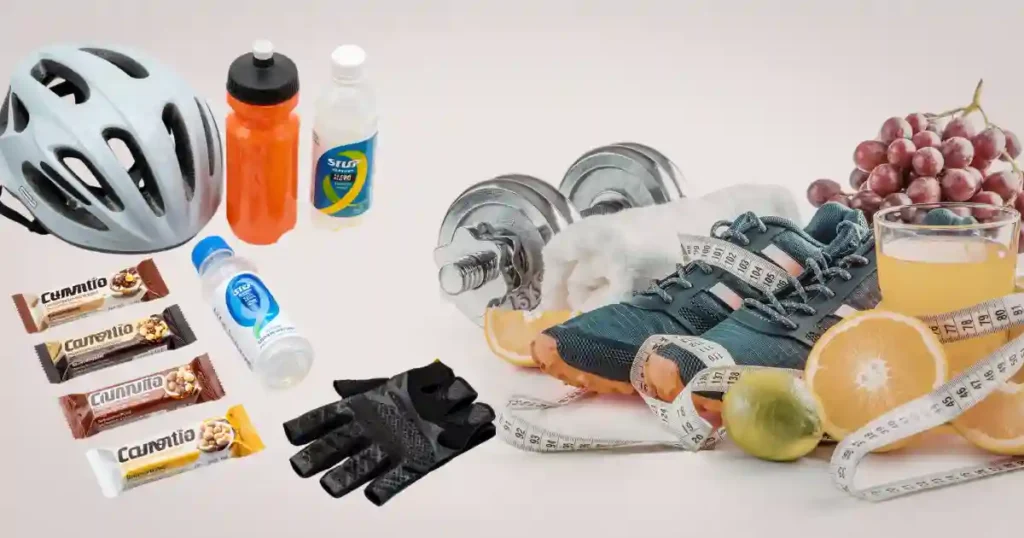
Most rides go wrong before you even clip in. Bad cycling nutrition choices made hours earlier show up as empty legs, foggy thinking, and that awful bonk feeling around mile 20. Living in Denver, Colorado, where rides can stretch from flat trails to long mountain climbs in the same morning, I learned that what you eat and when you eat it decides everything. Get your fueling right, and your body shows up. Get it wrong, and even a short ride turns into a grind you want to forget.
What Is Cycling Nutrition and Why It Matters
Good fueling is not about eating more. It is about eating smarter, at the right times, in the right amounts.
Simple Definition (No Science Overload)
Cycling nutrition covers everything you put into your body before, during, and after a ride. That includes solid food, fluids, electrolytes, and recovery meals. The goal is simple: keep energy available, maintain hydration, and help your body rebuild after every session.
Think of it less as a diet and more as a fueling strategy. A car does not run well on the wrong fuel. Your body works the same way. Carbohydrates are your primary energy source during cycling. Protein repairs what exercise breaks down. Hydration keeps every system working at full speed.
This is the foundation. Everything else builds from here.
Why Cyclists Need a Different Approach
Cycling places unique demands on the body that most other activities do not. Long rides burn through glycogen, the stored form of carbohydrate in your liver and muscles, faster than most people expect.
Research shows that muscle glycogen stores can sustain moderate exercise for only around two hours. After that, if you have not been fueling consistently, performance drops fast. Your body starts rationing energy. Your pace slows. Also, Your thinking gets foggy. That is the bonk. And it is very real.
Sweat loss adds another layer. Even mild dehydration drops power output and mental sharpness. Sodium, potassium, and magnesium lost through sweat need replacing too. Plain water handles some of that, but not all of it on longer or hotter rides.
Cyclists also face a unique challenge: eating while moving. Digestion slows during hard effort because blood flow shifts away from your gut to your working muscles. That means choosing foods that are easy to absorb at intensity matters as much as the calorie count.
Real Ride Context
One hot afternoon in Denver, I headed out for a two-hour ride without eating anything beforehand. Felt fine at first. Twenty minutes in, still good. Around the 40-minute mark, my legs started to feel hollow. No power. No snap. Just a dull heaviness that made every pedal stroke feel like work.
A banana I had stashed in my jersey pocket and a few good sips of water changed things more than I expected. Not immediately. But within 10 minutes, enough energy came back to finish the ride with some dignity. That ride taught me something I now tell every new cyclist: your nutrition mistakes show up after the ride starts, not before it.
Macronutrients for Cyclists (Fuel Basics Explained)
Understanding your three main macronutrients sets the stage for everything in cycling nutrition. Get this wrong and no amount of clever timing will save you.
Carbohydrates (Your Main Energy Source)
Carbohydrates are the dominant fuel source for cycling, especially at moderate to high intensity. Your body converts carbohydrates into glucose and stores the excess as glycogen in your liver and muscles.
The problem is storage capacity. Your muscles hold roughly 400 grams of glycogen. Your liver adds another 100 grams. That is a small tank for long rides. Once it empties, your body can still function using fat, but fat oxidizes much more slowly and cannot keep up with the energy demands of intense cycling. That is why consistent carbohydrate intake before and during long rides is not optional. It is required.
Good carbohydrate sources for cyclists include rice, oats, bananas, bread, sweet potatoes, and fruit. These digest at different rates, which makes timing important. Faster carbohydrates like bananas and dates work well mid-ride. Slower digesting sources like oats and rice are better a few hours before you head out.
Protein (Recovery and Muscle Repair)
Protein does not fuel your ride. It repairs the damage the ride creates. Every hard training session causes small tears in muscle fibers. Protein provides the amino acids needed to rebuild those fibers stronger than before.
Without enough protein, recovery slows. Soreness lasts longer. The adaptations from training do not stick as well. For most cyclists, a daily intake of around 1.4 to 1.7 grams of protein per kilogram of body weight is a solid target. More is not always better, but consistently hitting that range supports both repair and performance.
Practical protein sources for cyclists: eggs, chicken, fish, Greek yogurt, lentils, cottage cheese, and legumes. These do not need to be fancy or expensive. Consistent, real food sources beat most supplements.
Fats (Long Ride Energy Support)
Fats are an important but often misunderstood fuel source for cyclists. At lower intensities, your body draws heavily on fat for energy. This is why long, steady endurance rides train your body to become more efficient at fat metabolism, which in turn spares precious glycogen for the harder efforts later in a ride.
Dietary fat also supports hormone production, helps absorb fat-soluble vitamins, and contributes to sustained energy on longer days. Good cycling-friendly fat sources include nuts, seeds, avocado, olive oil, and fatty fish.
Fat is not the enemy. It is the slow-burning reserve that keeps you rolling during those long easy miles.
Macronutrient Breakdown for Cyclists
A practical guide based on real training patterns. Not strict rules more like a reliable starting point.
| Nutrient | Daily % Intake | Best Timing | Food Examples |
|---|---|---|---|
| Carbohydrates | 50 to 65% | Before and during rides | Rice, fruits, bread, oats |
| Protein | 15 to 25% | After rides and throughout the day | Eggs, fish, lentils, yogurt |
| Fats | 20 to 30% | Throughout the day | Nuts, avocado, olive oil, seeds |
What to Eat Before a Ride (Pre-Ride Fueling)
Timing is everything here. Too much food too close to your ride and your stomach protests. Too little food and your energy fails you 45 minutes in.
2 to 3 Hours Before Ride
This is the window for a proper pre-ride meal. Your goal is to top up liver glycogen, which naturally drops overnight, and add enough muscle glycogen to support a solid effort.
Focus on easy-to-digest carbohydrates with moderate protein and low fat and fiber. High fat and high fiber meals slow digestion and can cause stomach discomfort during hard efforts.
Good choices in this window include rice and eggs, overnight oats with banana and honey, toast with peanut butter, or a bowl of plain oatmeal with some fruit on top. Keep it familiar. Pre-ride is not the time to try something new.
30 to 60 Minutes Before Ride
At this point, you want something light. Your digestion is starting to slow as your body prepares for physical effort. A small snack that delivers a quick hit of carbohydrates is all you need.
A banana works well here. So does a small energy bar or a handful of dates. Avoid anything heavy, oily, or unfamiliar. The goal is a small top-up, not a full meal.
Some riders prefer nothing in this window and that is fine too, especially for shorter rides under an hour. Listen to your own body. Digestive responses vary a lot between people.
What to Avoid Before Cycling
A few things consistently cause problems for cyclists in the pre-ride window:
Heavy, oily foods delay gastric emptying and can cause nausea during hard efforts. High-fiber foods like raw vegetables and whole bran products can cause cramping and GI distress once you are working hard. New or unfamiliar foods carry the obvious risk of unpredictable reactions. Pre-ride is not an experiment. Save new foods for your rest days when the stakes are low.
What to Eat During Cycling (Stay Energised)
This is where many riders, including past me, fall short. Fueling mid-ride feels optional until suddenly it is not.
When You Actually Need Fuel Mid-Ride
Rides under about 60 minutes at easy to moderate effort can generally be completed without eating, provided you fueled well beforehand. Rides over 60 to 90 minutes, high-intensity sessions, or anything done in hot weather all require active fueling while on the bike.
Glycogen stores are limited and can sustain moderate effort for roughly two hours. When those stores run out, the body starts governing effort, causing fatigue and inability to perform. Consistent carbohydrate intake during longer rides delays that process significantly.
The practical rule: if you are riding for more than 75 minutes, start eating within the first 30 to 45 minutes. Do not wait until you feel hungry or tired. By then, you are already behind.
Easy Mid-Ride Fuel Options
Real food works remarkably well on the bike. Here is what I reach for regularly:
Bananas are the classic choice. Easy to carry, easy to digest, about 25 grams of carbohydrates each. Dates are another reliable option. Three or four medjool dates deliver around 20 grams of fast carbohydrates in a compact, easy-to-carry package. Energy gels like GU Energy deliver 20 to 25 grams per packet and are absorbed quickly. They work well during high-intensity efforts when eating real food feels difficult.
Homemade rice cakes, a staple in professional cycling, are another solid option for longer endurance rides. They sit well in the stomach, digest steadily, and can be flavored however you like. Simple, cheap, and effective.
How Much to Eat Per Hour
For most rides at moderate intensity, aim for 30 to 60 grams of carbohydrates per hour. On longer or harder rides, that range increases to 60 to 90 grams per hour.
Combining glucose and fructose sources during exercise allows athletes to increase total carbohydrate intake well above 60 grams per hour without gastrointestinal issues, because the two sugars use different absorption pathways. This is why many sports drinks and gels now use a glucose-fructose blend. It is not marketing. It is physiology.
Start conservative and build your gut tolerance over time. Your digestive system can be trained to handle more fuel at intensity. It just takes consistent practice.
Mid-Ride Fuel Options at a Glance
These are tested options. Some cheap, some fancy. All work if timed right.
| Food Type | Carbs (approx) | Easy to Carry | Best For |
|---|---|---|---|
| Banana | 25g | Yes | Short to medium rides |
| Dates (3 pieces) | 20g | Yes | Quick energy hit |
| Energy Gel | 20 to 25g | Very easy | Intense or race efforts |
| Rice Cake | 30g | Medium | Long steady rides |
| Sports Drink | 20 to 30g per bottle | Easy | Hydration and fuel together |
Hydration Strategy for Cyclists
Water keeps everything working. Electrolytes keep water working properly. Together they form the second pillar of solid cycling nutrition.
How Much Water Do You Need?
A general starting point for most cyclists is 500 to 750 ml of fluid per hour. In hot weather, at high intensity, or in humid conditions, that number can climb to 750 to 1,000 ml per hour or more.
The best practical guide is urine color. Pale yellow means you are well hydrated. Dark yellow or amber means you need more fluid. Clear urine often signals overhydration, which is also something to avoid.
Start drinking early and sip consistently throughout your ride. Do not wait until you feel thirsty. Thirst is a late signal. By the time your brain registers thirst, you are already a little behind on hydration.
Electrolytes (Why They Matter)
Water alone does not replace what sweat removes. Sodium, potassium, magnesium, and chloride all leave your body through sweat. Sodium is the big one. It regulates fluid balance and helps your body actually absorb and retain the water you drink.
When sodium drops too low, you get muscle cramps, headaches, and that flat, heavy feeling even when you have been drinking plenty of water. Adding electrolytes through sports drinks, electrolyte tablets, or even a pinch of salt in your water bottle addresses this.
Gatorade and similar commercial drinks work fine for rides up to two hours. For longer rides or heavy sweaters, a more concentrated electrolyte solution or a dedicated product like Nuun tablets often works better.
Signs You Are Dehydrated
Knowing the warning signs lets you act before performance tanks:
Dry mouth is the most common early signal. A dull headache during or after a ride often points to dehydration. A sudden, unexplained drop in power during a ride when you have been eating well is frequently a hydration issue. Feeling dizzy after getting off the bike is another sign worth paying attention to.
Dehydration does not have to be severe to hurt your performance. Research consistently shows that losing as little as 2 percent of body weight through sweat is enough to reduce power output and mental sharpness. On a hot day, that can happen faster than most riders expect.
Post-Ride Nutrition (Recovery Done Right)
Training breaks your body down. Nutrition builds it back up. Skip this part and you slow your own progress.
The 30-Minute Recovery Window
The 30 to 60 minutes right after a hard ride or race effort is when your muscles are primed to absorb carbohydrates and protein most efficiently. After exercise, muscles are ready to absorb carbohydrates within the first 60 minutes, which is particularly important during stage races or back-to-back training days.
During this window, your goal is straightforward: deliver carbohydrates to start glycogen resynthesis, deliver protein to begin muscle repair, and replace fluids and electrolytes lost during the ride.
Waiting two or three hours after a hard session to eat delays all three processes. You recover more slowly, feel worse the next day, and get less out of your next training session. The recovery window is not a myth. It is real and it matters.
Ideal Recovery Meal
A solid recovery meal combines carbohydrates and protein in roughly a 3-to-1 or 4-to-1 ratio of carbs to protein. Rice with grilled chicken and vegetables is a classic that works. Pasta with a protein source works well too. So does a large smoothie with Greek yogurt, banana, and oats.
The exact foods matter less than hitting the combination and the timing. Aim for around 60 to 80 grams of carbohydrates and 20 grams of protein within that first hour after finishing.
Simple Recovery Snacks
Not always hungry right after a hard ride? That is normal. Intense exercise suppresses appetite temporarily. A smaller snack in the recovery window followed by a full meal an hour later works well in those cases.
Chocolate milk is one of the most well-researched quick recovery options. It delivers carbohydrates and protein in a ratio that closely matches what your muscles need, plus it is easy to get down when appetite is low. Banana with peanut butter is another solid choice. Greek yogurt on its own or with some fruit rounds out a short list of reliable post-ride snacks that require zero prep time.
Post-Ride Recovery Foods
These are easy, practical, and based on what riders actually eat not perfect meal plans.
| Food Combo | Primary Benefit | Best Timing |
|---|---|---|
| Chocolate milk | Fast carbs and protein, easy digestion | Within 30 minutes |
| Rice and chicken | Full glycogen and muscle repair | Within 60 minutes |
| Banana and Greek yogurt | Light and quick, easy to eat | Immediately after |
| Oat smoothie with protein | High carbs, moderate protein | Within 45 minutes |
Cycling Nutrition for Different Ride Types
Not every ride needs the same fueling approach. Matching your nutrition to your ride type makes a real difference in how you feel and how quickly you recover.
Short Rides (Under 60 Minutes)
A short, easy ride at low intensity does not require mid-ride fueling. A light snack or regular breakfast beforehand is enough for most people. Water is your main companion.
That said, even on short rides, do not skip pre-ride eating entirely if you are heading out in the morning with an empty stomach. Liver glycogen drops overnight. Starting a short but moderately hard ride fully depleted sets you up for poor performance even if the session is brief.
Long Endurance Rides
Longer rides demand consistent fueling from start to finish. Start eating within the first 30 to 45 minutes and maintain regular intake throughout. Hitting your carbohydrate targets per hour becomes critical as ride duration increases.
Hydration management on long rides also requires more active attention. Alternate between water and electrolyte drinks. Carry more than you think you will need if you are heading somewhere remote or riding in heat.
Plan your fuel stops and what you will eat at each one before you leave. On rides over three hours, having a clear fueling plan removes decision fatigue and keeps you consistent.
High-Intensity Training Days
Hard interval sessions, threshold workouts, and race simulations demand more carbohydrates before, during, and immediately after. Your body burns through glycogen much faster at high intensity than during easy endurance rides.
Eat a solid carbohydrate-rich meal two to three hours before a hard session. Top up with a small snack 30 to 60 minutes out. Fuel during the session if it runs longer than 60 minutes. Prioritize recovery nutrition immediately after.
These sessions also create more muscle damage, which means protein needs in recovery are higher. Do not underestimate this day. Your body works hardest on hard training days and needs the most support.
Common Cycling Nutrition Mistakes (And Fixes)
Everyone makes at least one of these. Some of us make all of them before we learn better.
Not Eating Enough
Underfueling is the single most common nutrition mistake among cyclists. Endurance athletes frequently underestimate how many calories they need, and often sacrifice carbohydrate intake in what can become a carb-phobic training environment. Underfueling increases overall stress and reduces the body’s ability to recover and adapt.
Signs of chronic underfueling include persistent fatigue that does not improve with rest, poor sleep, constant food cravings, flat legs on what should be easy rides, and a general feeling that you are not improving despite training consistently.
The fix is straightforward but takes practice: eat small, frequent portions throughout the day, not just around rides. Your body needs fuel to handle both training and daily biological functions. Skimping on one to manage the other creates a deficit that compounds over weeks of training.
Trying New Foods on Ride Day
Test everything in training before you rely on it in an important ride or event. New gels, new sports drinks, new pre-ride meals, all of these carry the risk of an unpredictable gut response. The bike is not the place for experiments.
This includes foods that seem obviously safe. Even natural, whole foods can cause issues at intensity when your gut is under stress and blood flow to your digestive system is reduced. Stick with foods you have practiced eating at effort. Your stomach will thank you.
Ignoring Hydration
Hydration falls off when riders get absorbed in the effort and forget to drink. On comfortable days, this goes unnoticed until after the ride. On hot or long days, it catches up quickly.
Set a reminder if needed. Drink on a schedule, not on thirst. Sip regularly from the first mile rather than gulping large amounts when you finally remember. Your gut absorbs fluid better in small, consistent amounts than in one large drink after 45 minutes of neglect.
Tools and Apps to Track Cycling Nutrition
You do not need every tool on this list. One or two consistent habits beat a dozen apps you open twice and forget.
Nutrition Tracking Apps
MyFitnessPal is the most widely used nutrition tracking app and works well for getting a clear picture of your daily carbohydrate, protein, and fat intake. Use it for a few weeks to audit your eating patterns. You may be surprised by what you find.
Cronometer goes deeper into micronutrients, showing not just macros but also vitamins, minerals, and electrolytes. For cyclists trying to understand why they are cramping or fatiguing, this level of detail can be genuinely useful.
Neither app needs to be used forever. A few weeks of honest tracking usually reveals the biggest gaps in your fueling plan. Once you see the patterns, you can adjust without continuing to log every meal indefinitely.
Cycling Apps That Sync Nutrition Data
Strava tracks your training load and effort over time, which helps you match your nutrition needs to your actual workload. A week with three hard rides demands different fueling than a recovery week.
TrainerRoad integrates training stress scores with your ride history, making it easier to see when fueling gaps might be limiting your performance gains. Their platform also gives you structured training plans that include guidance on fueling for different session types.
Simple Manual Tracking
A notebook and consistency beat any app for riders who do not want to stare at a screen. Write down what you ate, when you ate it, how you felt during the ride, and how you felt the next morning. Over time, patterns emerge that tell you what works for your body.
Old-school tracking has one advantage over apps: it forces you to think about the connection between food and performance in real time, not as a data entry task you complete hours later.
Expert Advice: How Pros Fuel Their Rides
Learning from people who have spent years working with athletes at all levels saves you a lot of trial and error.
USA Expert Insight
Dr. Stacy Sims, exercise physiologist and sports nutrition scientist who has directed research programs at Stanford University, has spent her career studying how athletes fuel performance. One of the biggest patterns she sees with recreational athletes is underfueling, which puts the body into a low energy state. The result is a vicious cycle: poor recovery, no lean mass gains, disturbed sleep, and a frustrating sense that training harder is not producing results.
Her core message applies to every cyclist regardless of level: fuel for the work you are actually doing. Match your carbohydrate intake to your training intensity and duration. Do not cut carbohydrates on hard training days. Do not eat the same way on easy days as on hard days. Precision in fueling produces better results than generic calorie restriction.
As noted across her work and research, most athletes are not undertrained. They are underfueled. That single insight changed how I approached fueling permanently.
Real-Life Story
Early morning. Empty stomach. Short ride planned so I skipped breakfast entirely. First 20 minutes felt completely fine. My legs were moving, cadence was good, and I felt like one of those mornings where everything clicks.
Then the flat section I ride every week felt harder than it should. My cadence dropped without me meaning to slow it down. My brain started looking for reasons to turn around early.
No dramatic collapse. Just a slow, steady drain that made a 45-minute ride feel like 90. That morning taught me something that no amount of reading had drilled in: the bonk does not always announce itself loudly. Sometimes it just quietly steals your ride while you are not paying attention.
Budget-Friendly Cycling Nutrition (No Fancy Products Needed)
Good cycling nutrition does not require expensive gels and supplements. Some of the most effective fueling strategies cost almost nothing.
Cheap and Effective Foods
Bananas are the most underrated cycling food in existence. Cheap, portable, easy to digest, and packed with carbohydrates and potassium. Carry two and you are set for an hour or more of mid-ride fuel.
Rice is the staple carbohydrate of endurance athletes worldwide for one simple reason: it works. Plain white rice digests easily, fuels muscles efficiently, and can be prepped in bulk for the week ahead. Dates are another incredible value. A bag of medjool dates delivers fast carbohydrates at a fraction of the cost of commercial energy gels. Homemade snacks like rice balls wrapped in a small piece of foil ride easily in a jersey pocket and cost almost nothing per serving.
DIY Energy Drink
Commercial sports drinks work but are not essential. A simple homemade version delivers the same core benefits at a fraction of the cost.
Mix 500 ml of water with a pinch of salt, 30 grams of sugar or honey, and a squeeze of fresh lemon juice. That covers fluid, sodium, and fast carbohydrates in one simple bottle. It does not taste as fancy as a branded product. It works just as well for most training rides.
Adjust the sugar amount based on ride length and intensity. More sugar for longer, harder efforts. Less for easy rides.
Build Your Own Nutrition Strategy
No perfect plan fits every cyclist. The best strategy is the one you will actually follow consistently.
Practical Steps to Start Today
Begin with the basics. Eat a solid carbohydrate-focused meal two to three hours before any ride lasting more than an hour. Carry simple snacks on every ride over 60 minutes. Start eating early in the ride, before hunger hits. Drink consistently and add electrolytes on hot days or long sessions.
Eat a recovery snack within 30 minutes of finishing a hard session. Track what you eat for two weeks and compare it to how you perform and recover. Let the patterns guide your adjustments.
Keep the changes small and consistent. You do not need to overhaul everything at once. Nail pre-ride fueling first. Then build mid-ride habits. Then refine recovery nutrition. Layer the improvements over weeks, not days.
Honest Ending (Because It Happens)
Some days you follow every fueling rule perfectly and the ride still feels terrible. Some days you skip breakfast, grab a banana at the last second, and somehow have the best session in weeks.
Both happen. Your body is not a machine. Stress, sleep, life, and a hundred other variables affect how a ride goes. Cycling nutrition is not magic. It is probability. Get it right most of the time and your average performance goes up. Your bad days get less bad. Your good days get better.
That is the whole point. Fuel consistently, recover deliberately, and trust the process over weeks, not single sessions.
Final Recommendation
Cycling nutrition is one of the highest-leverage changes any rider can make, regardless of fitness level. After years of getting it wrong, then gradually getting it right, the difference in ride quality, recovery speed, and training consistency is impossible to ignore. Start with three habits: eat a real carbohydrate-based meal before longer rides, carry simple whole-food fuel for any ride over an hour, and prioritize a carbohydrate and protein recovery meal within 30 minutes of finishing a hard session.
These three habits alone will improve how you feel on the bike more than most equipment upgrades or training tweaks. You do not need expensive supplements or complicated plans. You need consistent, intentional fueling matched to what your rides actually demand. Fuel for the work. Recover with purpose. Everything else gets easier from there.
FAQs
Cycling nutrition is how you fuel your body before, during, and after rides. Good nutrition helps boost energy, delay fatigue, and improve overall cycling performance.
Before a ride, eat simple carbs like rice, oats, or fruit. These foods give quick energy. Good cycling nutrition before riding helps you start strong and feel steady.
During long rides, eat small snacks like bananas or energy bars. This keeps energy levels stable. Smart cycling nutrition helps prevent fatigue and keeps you moving.
After cycling, eat carbs and protein like eggs, yogurt, or rice. This helps muscles recover. Proper cycling nutrition speeds up recovery and prepares you for your next ride.
Drink water before, during, and after your ride. Aim for small sips every 15–20 minutes. Good hydration is a key part of cycling nutrition and performance.
Most riders do not need supplements. A balanced diet works well for cycling nutrition. Focus on whole foods first before adding anything extra.
Yes, good cycling nutrition improves endurance. Proper fuel keeps your energy steady during long rides. This helps you ride longer and feel less tired.

Ehatasamul Alom is a dedicated road hybrid bikes expert. With over 15 years of experience, he helps people find the perfect ride. He began his journey as a bike mechanic. He learned the ins and outs of every bike.
Ehatasamul Alom holds a Master’s degree in Mechanical Engineering from a Brown University (Providence US 02912), where he specialized in material science and bicycle kinematics. His master’s thesis focused on optimizing frame geometry for road hybrid bikes to improve rider comfort and efficiency.
Ehatasamul has an extensive professional background. He spent 10 years (2010-2020) as a Senior Bike Designer at “Urban Cycles,” a leading bicycle manufacturer. In this role, he led the development of several award-winning road hybrid bikes, which are known for their durability and performance. He later served (2020-2024) as the Head of Product Development at “Gear Up,” a company specializing in high-end cycling components. There, he developed innovative parts and accessories specifically for road hybrid bikes.
Over the years, Ehatasamul has become an authority on Roadhybridbikes. He understands their design and function. His work focuses on making bikes easy to use. Ehatasamul believes everyone should enjoy cycling. He writes guides that are simple to read. His passion for road hybrid bikes is clear. His goal is to share his knowledge with everyone. He wants to see more people on two wheels. His advice is always practical and easy to follow.
- Ehatasamul Alom

- Ehatasamul Alom
- Ehatasamul Alom
- Ehatasamul Alom