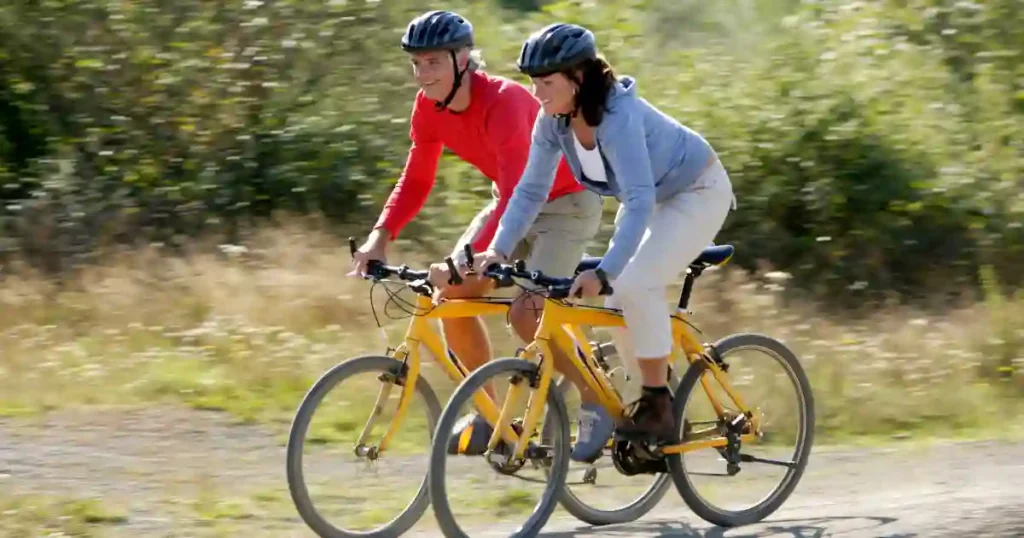
Riding a bike should feel like a breeze, but the wrong rhythm can make it a chore. I remember a long trip through Portland where I struggled against every small hill. I finally learned that the best cadence for hybrid bike riders is about finding a light spin. This guide shows you how to peddle with less pain and more speed. I have spent years on the road and want to help you find your flow today.
Some riders push heavy gears and tire out fast. Others spin lightly and keep going. The difference? Cadence. Once you feel your rhythm, riding gets smoother and almost effortless.
What Is Cadence in Cycling (Simple Explanation)
It is just how fast your legs spin, but it changes everything about your ride. Think of it as the heart rate of your bike’s engine. When you get the speed right, the whole machine works much better for you.
Cadence Definition (No Technical Terms)
In the simplest words, cadence is how many times your legs go in a full circle every minute. We call this RPM, which stands for revolutions per minute. It tracks the speed of your feet as they push the pedals.
Why Cadence Matters for Hybrid Riders
Your leg speed directly affects how tired you feel after a long trip. It impacts the stress on your knees and your overall comfort in the saddle. A steady spin helps you maintain a smooth speed even when the wind blows.
Real Ride Context (Evening Ride in Rajshahi)
I once tried to push a very hard gear because I felt strong. After five minutes, my legs burned and I had to stop for a rest. I switched to an easier gear and suddenly the ride felt smooth and much longer.
What Is the Best Cadence for Hybrid Bike Riders
There is no single perfect number for every person, but there is a sweet range. Most people find joy when they stay within a certain set of numbers. Finding your own zone makes cycling feel much more natural.
Ideal Cadence Range for Most Riders
A range of 70 to 90 RPM is the most comfortable for the majority of people. Beginners often start a bit lower as they build up their leg strength. As you get more fit, you will find it easier to spin faster.
Why Hybrid Riders Prefer Moderate Cadence
This range offers a great balance between comfort and mechanical efficiency. Hybrid bikes are made for mixed terrain, and a moderate spin works well everywhere. It keeps you moving without putting too much strain on your heart.
Cadence vs Comfort (Finding Your Sweet Spot)
If you peddle too slow, your legs will feel heavy and sore very quickly. If you spin too fast, you might feel breathless and lose your balance on the seat. The goal is to find a middle ground that feels just right.
Cadence Ranges and Riding Feel
I have spent many hours testing different speeds to see how they affect the body. This table shows you what different numbers actually feel like when you are on the road. Use it to find a rhythm that matches your goals.
| Cadence (RPM) | Feeling | Best For |
| 50–60 | Heavy, slow | Short climbs |
| 60–70 | Moderate effort | Beginners |
| 70–90 | Smooth, efficient | Most hybrid riders |
| 90–100+ | Fast spinning | Advanced riders |
Cadence vs Gear Selection (How They Work Together)
Cadence does not exist alone because it depends entirely on your gears. Your bike has many speeds so you can keep your legs moving at the same pace. Learning to shift is the secret to a perfect spin.
Easy Gear = Higher Cadence
Using an easy gear means there is very little resistance against your feet. This allows for faster leg movement with much less muscle power. It is perfect for starting from a stop or riding into a headwind.
Hard Gear = Lower Cadence
A hard gear provides a lot of resistance, which slows down your pedaling speed. You have to push much harder to keep the bike moving forward. This is usually best for going fast down a long, smooth hill.
How to Shift for Ideal Cadence
You should adjust your gears to stay within that 70 to 90 RPM zone. If the road goes up, shift to an easier gear before it feels too hard. This keeps your leg speed steady and prevents a sudden energy crash.
How to Find Your Natural Cadence
You do not need to buy a computer to find your rhythm at first. You just need to pay attention to how your body feels while you move. Your natural pace is often the best place to start.
The “Comfort First” Method
Start your ride at a very easy pace on a flat road. Notice the natural rhythm your legs want to follow without any pressure. This is your baseline, and it is unique to how you are built.
Adjust and Observe
Try to increase your leg speed just a little bit for a few minutes. See if the effort feels easier on your muscles than your slower pace. Many riders find that a faster spin actually feels lighter over time.
Signs You Found the Right Cadence
Your breathing should stay steady and you should not be gasping for air. Your legs should not feel a deep burn even after twenty minutes of riding. When these two things align, you have found your perfect sweet spot.
How Terrain Affects Cadence
Your leg speed should change naturally as the road changes beneath your tires. It is perfectly normal to slow down or speed up based on the path. Adapting your spin keeps you in control at all times.
Flat Roads
On flat roads, try to maintain a very steady cadence between 75 and 90 RPM. Focus on a smooth rhythm that you can keep up for a long time. This is where you build your best endurance and speed.
Uphill Riding
Your cadence will naturally drop when you start to climb a hill. Shift to an easier gear to keep your legs moving as fast as possible. This protects your knees from the heavy pressure of a slow grind.
Rough Roads (Common in Local Streets)
On bumpy or rough roads, a slightly lower cadence can help you stay in control. Balance and safety matter much more than raw speed when the ground is uneven. Keep a firm grip and find a steady, safe rhythm.
Cadence Adjustment by Terrain
I have found that being flexible with your spin makes every trip much better. These ranges are not strict rules, but they provide a helpful guide for your next ride. Use this table to adjust your style to the road.
| Terrain | Cadence Range | Strategy |
| Flat road | 75–90 RPM | Maintain steady rhythm |
| Uphill | 60–75 RPM | Shift to easier gear |
| Rough roads | 65–80 RPM | Focus on control |
Benefits of Riding at the Right Cadence
Once you find your true rhythm, everything about cycling feels much easier. You will notice that you can go further without feeling like you need a nap. It turns a workout into a pleasant and smooth experience.
Reduced Fatigue
A higher cadence puts less strain on your leg muscles and more on your heart. Muscles tire out quickly, but your heart is built for long term work. This means your longer rides will suddenly become much more manageable.
Better Efficiency
Spinning at the right speed uses your body’s energy much more effectively. It helps you maintain a steady speed without constant bursts of hard effort. You will save a lot of fuel and feel fresher at the end.
Lower Injury Risk
Keeping a light spin reduces the heavy stress on your knee joints. It prevents overuse injuries that often happen when you push big gears slowly. Your body will stay healthy and ready for many more years of riding.
Common Cadence Mistakes (And Fixes)
Almost everyone makes a few mistakes when they first start thinking about cadence. I have made them all and I want to help you avoid the same traps. Fixing these small habits can change your whole riding style.
Grinding in Heavy Gears
Many riders think pushing a hard gear makes them stronger and faster. In reality, it just causes early fatigue and can hurt your knees. The fix is to shift to an easier gear and spin a bit faster.
Spinning Too Fast Without Control
If you spin so fast that you bounce on the seat, you are wasting energy. This is common when beginners try to go too fast too soon. The fix is to find a steady rhythm where you feel solid.
Ignoring Cadence Completely
Most people just peddle without thinking about how fast their legs move. This often leads to very inefficient riding and tired legs. The fix is simply to be aware of your pedaling speed every few minutes.
Tools to Measure and Improve Cadence
You do not need fancy gadgets, but they can help you learn your numbers faster. They take the guesswork out of your training and give you real data. Most of them are very easy to set up and use.
Cadence Sensors
These small devices attach to your bike’s crank arm or even your shoe. They track your RPM accurately and send the data to a screen. It is a great way to see if you are staying in your target zone.
Cycling Apps and Devices
Apps like Strava can track your cadence if you have a compatible sensor. Garmin and other fitness devices also offer great tools for monitoring your leg speed. These tools make it fun to track your progress over time.
Riding by Feel (No Tools Method)
You can also just listen to your body and focus on smooth pedaling. Try counting how many times one foot goes around in ten seconds. Multiply that by six to get your current RPM without spending any money.
How to Improve Your Cadence (Simple Drills)
You do not need complex training plans to get better at spinning. Just a few small efforts during your regular rides will make a big difference. These drills are easy to follow and very effective for any rider.
High Cadence Drill
Try to spin at 90 to 100 RPM for very short bursts of one or two minutes. This builds your leg speed and helps your brain learn the new rhythm. It will make your normal 80 RPM feel very easy.
One-Leg Pedaling Drill
Focus on pedaling with just one leg at a time for thirty seconds. This helps you notice the “dead spots” in your circle and makes your spin smoother. It is a great way to balance the strength in both legs.
Consistency Practice
Try to maintain a very steady cadence for ten to fifteen minutes at a time. Do not worry about speed; just focus on keeping your feet moving at the same pace. This builds the muscle memory you need for long trips.
Simple Cadence Training Drills
These drills are perfect for beginners because they require no special gear at all. You can do them on any road and at any time during your ride. Use this table to add some variety to your weekly cycling routine.
| Drill Type | Duration | Goal |
| High cadence | 1–2 min bursts | Improve leg speed |
| Steady cadence | 10–15 min | Build consistency |
| Easy spinning | Recovery rides | Improve smoothness |
Cadence for Fitness vs Casual Riding
Your specific goal for the day might change your ideal cadence just a little bit. It is good to have a flexible approach based on how you feel. Both styles have their place in a healthy and active life.
Casual Riding
If you are just riding to the shop or with friends, a comfort-focused style is best. A slightly lower cadence is perfectly fine when you are not in a hurry. Just make sure you aren’t straining your knees on the hills.
Fitness Training
If you are riding to get fit, try to maintain a very consistent cadence. Focus on efficiency and staying in that 80 to 90 RPM sweet spot. This will give you a better workout and improve your heart health.
What Coaches Say About Cadence
I like to listen to the experts who study how the human body moves on a bike. Their advice is often very simple and easy to apply to your own rides. It can give you the confidence to try something new.
USA Expert Insight
I find this quote from Hunter Allen very helpful: “Optimal cadence is highly individual, but most riders benefit from learning to pedal efficiently at higher cadences.” This means you should find your own path to a faster spin.
Real Rider Insight
I once tried to shift my cadence from 60 up to 80 RPM. It felt very strange and fast at first, and I felt a bit clumsy on the bike. After one week, my rides suddenly felt easier and I was much less tired.
Find Your Rhythm and Ride Better
At the end of the day, there is no single perfect number for every rider. There is only the number that feels right for your body and your bike. Experiment with different speeds until you find your own unique flow.
Practical Takeaways
Always aim for a range of 70 to 90 RPM for the best results on a hybrid bike. Adjust your gears based on the terrain to keep your leg speed steady. Focus on comfort and rhythm above all else to enjoy your time.
Honest Ending (Because It Happens)
Some days your cadence will feel perfect and you will feel like a pro. Other days it might feel a bit off or difficult, and that is just part of the sport. Just keep riding and your rhythm will improve with every mile.
Final Recommendation
To find the best cadence for hybrid bike riders, you should aim for a steady 70 to 90 RPM. I suggest you focus on using your gears to keep your leg speed light and smooth. Always listen to your knees; if they ache, you are likely pushing too hard of a gear. Staying in a higher rhythm will protect your joints and help you ride much further without fatigue. Consistency in your spin is the secret to making every ride feel effortless and fun.
FAQs
The best cadence for a hybrid bike is usually 70–90 RPM. This range feels smooth and saves energy. It helps you ride longer with less strain on your legs.
Cadence affects speed, comfort, and effort. The right hybrid bike cadence reduces fatigue and joint stress. It also helps keep your ride steady and more efficient.
A higher cadence can feel easier on your legs. It reduces muscle strain but may raise your heart rate. Find a balance that suits your hybrid bike riding style.
Low cadence means pushing harder on pedals. This can tire your legs fast and strain your knees. A better cadence improves comfort and hybrid bike performance.
Shift to easier gears and focus on smooth pedaling. Practice short cadence drills during rides. Over time, your hybrid bike cadence will feel more natural and steady.
Beginners do not need to track cadence closely at first. Just aim for a smooth, easy rhythm. As you improve, tracking cadence can help refine your riding.
Yes, terrain changes your cadence. Climbing may lower it, while flat roads allow higher cadence. Adjust gears to keep a steady hybrid bike cadence in all conditions.

Ehatasamul Alom is a dedicated road hybrid bikes expert. With over 15 years of experience, he helps people find the perfect ride. He began his journey as a bike mechanic. He learned the ins and outs of every bike.
Ehatasamul Alom holds a Master’s degree in Mechanical Engineering from a Brown University (Providence US 02912), where he specialized in material science and bicycle kinematics. His master’s thesis focused on optimizing frame geometry for road hybrid bikes to improve rider comfort and efficiency.
Ehatasamul has an extensive professional background. He spent 10 years (2010-2020) as a Senior Bike Designer at “Urban Cycles,” a leading bicycle manufacturer. In this role, he led the development of several award-winning road hybrid bikes, which are known for their durability and performance. He later served (2020-2024) as the Head of Product Development at “Gear Up,” a company specializing in high-end cycling components. There, he developed innovative parts and accessories specifically for road hybrid bikes.
Over the years, Ehatasamul has become an authority on Roadhybridbikes. He understands their design and function. His work focuses on making bikes easy to use. Ehatasamul believes everyone should enjoy cycling. He writes guides that are simple to read. His passion for road hybrid bikes is clear. His goal is to share his knowledge with everyone. He wants to see more people on two wheels. His advice is always practical and easy to follow.
- Ehatasamul Alom

- Ehatasamul Alom
- Ehatasamul Alom
- Ehatasamul Alom