Starting cycling feels easy until your legs suddenly say no. I remember my first long ride in Seattle when I realized I needed a real map for my fitness. You can use a beginner cycling training plan to turn those shaky miles into a smooth and joyful habit. This guide shows you how to build your strength with a very simple and steady approach. I have helped many riders find their rhythm and I want to help you today.
Starting cycling feels easy… until your legs suddenly say “no.” This plan keeps things simple, steady, and actually doable, so you improve without burning out.
What Is a Beginner Cycling Training Plan
A training plan is not a set of scary rules for pro athletes. It is just a structured way to ride smarter instead of just riding harder. Having a guide helps you know exactly what to do when you wake up each morning.
Simple Definition (No Coaching Jargon)
This is a step by step plan to improve your endurance and heart health. It uses a mix of easy rides, rest days, and gradual progress to keep you safe. The focus is always on staying consistent rather than going at a high intensity.
Who This Plan Is For
New cyclists with less than three months of experience will find this very helpful. It also works for returning riders who are starting again after a long break. This is the perfect start for anyone struggling to ride longer distances without feeling wiped out.
Real-Life Context (Sunday Ride in Seattle)
My first ride in the fresh air felt like pure fun and freedom. By the second ride, my legs were sore and my energy felt very low. That is exactly when a simple plan starts to matter for your long term success.
How Many Days a Week Should Beginners Ride
Many people think more is always better when they start a new hobby. Actually, riding every single day can slow down your progress and cause pain. Your body needs time to change and get stronger between your sessions on the bike.
Ideal Weekly Frequency
Aim for three to four rides every week to see the best results. This gives you enough time to build fitness without overworking your joints. It fits well into a busy life while still providing a solid challenge.
Why Rest Days Are Important
Your muscles actually recover and grow during the time you spend off the bike. Skipping these days leads to a higher risk of injury and mental fatigue. Rest is a vital part of the training process that you must respect.
Signs You Are Overtraining
Constant tiredness is a clear sign that you are doing too much too soon. You might feel heavy legs even on very short and easy rides. Low motivation to get outside is another signal that your body needs a break.
4-Week Beginner Cycling Training Plan (Step-by-Step)
This is where things get real for your fitness journey. We use a simple structure so there is no confusion about your goals. Each week builds on the last to help you reach a new level of strength.
Weekly Structure Overview
Every week should include one long ride to push your distance limits. You will also have two short rides to keep your legs moving and build a habit. An optional recovery ride is there if you feel fresh and want some extra air.
4-Week Beginner Cycling Plan
I have built this plan based on real beginner progression that I have seen work. It is flexible enough to adjust if you have a busy day, but try to stay consistent. This table shows you how to grow your miles safely over one month.
| Week | Long Ride | Short Rides | Focus |
| 1 | 10–12 km | 2 x 6–8 km | Build habit |
| 2 | 15–18 km | 2 x 8–10 km | Improve endurance |
| 3 | 20–25 km | 2 x 10–12 km | Increase distance |
| 4 | 25–30 km | 1–2 light rides | Recovery + progress |
Understanding Cycling Intensity (Keep It Easy)
You do not need to ride hard to get better at cycling. That is the surprising part for many people who are used to other sports. Going slow helps your body learn how to burn fuel more efficiently over time.
The “Talk Test” Method
You should always be able to talk in full sentences while you are riding. If you are gasping for air, it is a sign that you need to slow down. This keeps your heart in the right zone for building a strong base.
Easy vs Hard Effort
An easy effort is sustainable and feels like something you could do for a long time. Hard efforts involve short bursts that leave you feeling very out of breath. For this plan, we want to stay in the easy zone almost all the time.
Why Beginners Should Avoid High Intensity
Going too hard too soon increases your injury risk and can hurt your knees. It actually slows down your long term progress by making you too tired to ride. Steady riding builds a much better foundation for your future goals.
Building Endurance Without Feeling Exhausted
This is where most beginners struggle and often feel like quitting. The goal is to finish your ride feeling like you could have done a little bit more. This keeps you coming back to the bike with a big smile.
Ride Slower Than You Think
Riding at a relaxed pace helps you go much longer distances than you expect. It builds your aerobic base which is the engine for all your cycling. Speed will come naturally later as your fitness grows on its own.
Gradual Progression Rule
Try to increase your total weekly distance by only 10 or 15 percent. Avoid sudden jumps in mileage that can shock your muscles and lead to burnout. Small steps lead to the biggest changes in your health over time.
Listen to Your Body
If you feel very tired, it is okay to take it easy or take an extra day off. If you feel sharp pain, stop at once and let yourself recover fully. Your body is the best coach you will ever have during this plan.
What to Eat and Drink During Training
Food is not an optional extra when you are training for a goal. It is a vital part of the plan that keeps your energy levels stable. Learning how to fuel will stop you from hitting the wall during your long rides.
Pre-Ride Fuel
Eat something simple like a banana or a piece of toast before you head out. Choose light and easy to digest food so your stomach stays happy while you pedal. This gives you the quick energy you need to start your session.
During Ride Nutrition
Try to eat a small snack every 45 to 60 minutes on your longer trips. Simple foods like dates or a small cereal bar work very well for me. Keeping your fuel topped up prevents a sudden crash in your mood and energy.
Hydration Basics
Aim to drink about 500 to 750 ml of water for every hour you are on the bike. You will need even more if the weather is hot or if you are working harder. Water keeps your muscles working and prevents headaches after your ride.
Simple Nutrition Plan for Beginners
This plan is practical and based on what actually works during real beginner rides. It focuses on simple whole foods that give you steady power without making you feel heavy. Use this table as a starting point for your own fueling strategy.
| Time | What to Take | Purpose |
| Before ride | Banana + water | Quick energy |
| Mid ride | Dates/snack | Maintain energy |
| After ride | Rice + protein | Recovery |
Essential Gear for Beginner Training
You do not need to spend a lot of money on expensive gear to get started. Just getting the basics right will make your time on the bike much more comfortable. Quality over quantity is the best rule for your wallet and your ride.
Bike Setup Basics
A proper saddle height is the most important part of your bike setup. Your leg should have a very slight bend when the pedal is at the bottom. A comfortable handlebar position prevents neck and back pain on longer trips.
Tire Pressure Matters
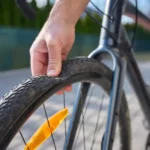
Having a balanced tire pressure makes for a smooth and safe ride. Tools like Topeak pumps help you get the exact pressure you need for your tires. Tires that are too soft make it much harder to pedal and keep your speed.
Must-Have Items
A full water bottle is essential for every ride to keep you moving. A well fitting helmet is a non negotiable item for your safety on the road. Carry a basic repair kit so you are never stranded with a flat tire.
Common Beginner Mistakes (And How to Avoid Them)
These common mistakes can slow your progress more than a lack of raw fitness. I have made these errors myself and I want to save you from the same path. Awareness is the first step to becoming a better and happier cyclist.
Riding Too Fast Too Soon
This is the number one cause of early fatigue and frustration for new riders. The fix is to keep your pace easy and focus on the time spent moving. Let the speed happen naturally as you get stronger over the coming weeks.
Skipping Rest Days
Many people think they are being lazy if they take a day off from the bike. This actually leads to burnout and can make you stop cycling altogether. Schedule your recovery days just like you schedule your rides to stay on track.
Comparing Yourself to Others
Everyone progresses at a different rate based on their own history and health. Focus on your own journey and celebrate your own small wins every week. Your only real competition is the person you were before you started this plan.
Tools and Apps to Track Progress
Tracking your rides helps you see how far you have come since day one. However, you should not let the data take away from the fun of the ride. Use these tools to support your journey without overcomplicating your life.
Beginner-Friendly Apps
Strava is a great app for logging your miles and seeing your weekly totals. Komoot is wonderful for finding new and safe routes near your home. These apps make it easy to see your progress and stay excited about your goals.
Indoor Training Options
If the weather is bad, you can use Zwift to ride in a virtual world. It keeps your legs moving when it is raining or cold outside. This is a great way to stay consistent even when nature has other plans.
Simple Manual Tracking
You can also just write down your distance and how you felt in a simple notebook. Tracking your weekly progress manually helps you notice how much easier the rides feel. It is a rewarding way to see your fitness grow on paper.
Mental Tips to Stay Consistent
Motivation will fade after the first week, but good habits will keep you going. Training your mind is just as important as training your legs for long term success. A positive attitude makes every mile feel a little bit shorter.
Set Small Goals
Start by aiming for your first 10 km without stopping for a long rest. Then you can aim for 20 km as your fitness starts to build up. These small wins create a snowball effect of confidence and happiness.
Make Riding Enjoyable
Choose easy routes with nice views to keep your mind engaged and happy. Riding with friends can make the time pass much faster and add a social element. If you enjoy the process, staying consistent becomes very easy to do.
Accept Imperfection
Some rides will feel great and you will feel like you are flying. Other days you might feel slow and a bit tired, and that is perfectly normal. Both types of rides are part of the progress and count toward your goal.
How Beginners Should Train
I always look for simple and proven advice from sources I can trust. The best tips for beginners are usually about being patient and listening to your body. Here is some wisdom to help guide your path forward.
USA Expert Insight
I love this quote from the cycling coach Joe Friel: “The biggest mistake beginners make is going too hard too often. Easy riding builds real fitness.” This reminds us that we don’t need to suffer to get strong.
Real-Life Insight
I once skipped my easy rides and went hard every single day instead. My progress stalled and I started to hate getting on my bike. Once I switched back to an easier pace, I suddenly improved and felt great again.
When to Increase Your Training Level
You will usually feel your improvement before you see it on a stopwatch. Listen to your breathing and notice how your legs feel on the hills. There is no rush to move to the next level until you feel truly ready.
Signs You Are Improving
Longer rides will start to feel much easier and you will not be as tired after. You will notice a faster recovery time after your sessions. These are signs that your heart and muscles are adapting to the work.
When to Add More Distance
Move to the next level when you feel completely comfortable at your current distance. If you finish a ride with plenty of energy left, you are ready to add a few more miles. Always grow your plan slowly to stay safe.
Keep It Simple and Keep Riding
You do not need a perfect plan to become a successful cyclist. You just need a consistent one that you enjoy doing every week. Focus on the journey and the fresh air rather than just the destination.
Practical Takeaways
Ride three to four times per week and keep most of those sessions easy. Increase your total distance slowly each week to avoid any unnecessary pain. These simple rules are the key to a lifetime of health and joy on two wheels.
Honest Ending (Because It’s True)
Some days you simply will not feel like getting on your bike and that is okay. Go anyway for a very short ride, or rest if you truly need it. Progress still happens over time as long as you don’t give up on yourself.
Final Recommendation
To follow a beginner cycling training plan, you should focus on consistency and easy pacing. I suggest you start with three rides a week and use the “talk test” to stay in the right zone. Always prioritize rest days to let your body grow stronger and avoid burnout. If you stay patient and build your distance by small steps, you will reach your goals safely.
FAQs
A beginner cycling training plan is a simple schedule to build fitness and skill. It mixes easy rides, rest days, and short sessions to help new riders improve step by step.
Most beginner cycling training plans use 3–4 riding days per week. This gives time to ride, rest, and recover. It helps build strength without feeling too hard.
Start with 20–40 minute rides. As you improve, slowly increase time each week. A good beginner cycling training plan grows at a steady, safe pace.
Ride at a pace where you can still talk. This easy effort builds endurance. A beginner cycling training plan should feel smooth, not too hard or stressful.
Stay consistent and increase distance slowly. Add one longer ride each week. This helps your beginner cycling training plan boost fitness without risk of injury.
Yes, rest days are key. They help your muscles recover and grow stronger. A good beginner cycling training plan always includes time to rest.
Yes, you can lose weight with a beginner cycling training plan. Regular rides burn calories and improve fitness. Pair it with healthy food for better results.

Ehatasamul Alom is a dedicated road hybrid bikes expert. With over 15 years of experience, he helps people find the perfect ride. He began his journey as a bike mechanic. He learned the ins and outs of every bike.
Ehatasamul Alom holds a Master's degree in Mechanical Engineering from a Brown University (Providence US 02912), where he specialized in material science and bicycle kinematics. His master's thesis focused on optimizing frame geometry for road hybrid bikes to improve rider comfort and efficiency.
Ehatasamul has an extensive professional background. He spent 10 years (2010-2020) as a Senior Bike Designer at "Urban Cycles," a leading bicycle manufacturer. In this role, he led the development of several award-winning road hybrid bikes, which are known for their durability and performance. He later served (2020-2024) as the Head of Product Development at "Gear Up," a company specializing in high-end cycling components. There, he developed innovative parts and accessories specifically for road hybrid bikes.
Over the years, Ehatasamul has become an authority on Roadhybridbikes. He understands their design and function. His work focuses on making bikes easy to use. Ehatasamul believes everyone should enjoy cycling. He writes guides that are simple to read. His passion for road hybrid bikes is clear. His goal is to share his knowledge with everyone. He wants to see more people on two wheels. His advice is always practical and easy to follow.
- Ehatasamul Alom

- Ehatasamul Alom
- Ehatasamul Alom
- Ehatasamul Alom