Riding my bike through the misty streets of London has taught me a lot about safety. There is nothing quite as scary as pulling a lever and feeling no response. Dealing with road hybrid bike brake problems is a common hurdle for many city commuters and leisure riders. In my years of cycling, I have found that most issues stem from simple wear or the British weather. Taking a few minutes to check your pads can keep you safe on every journey. This guide will help you spot trouble early and keep your stopping power sharp and reliable.
Why Road Hybrid Bike Brake Problems Happen
On a damp Tuesday morning ride through a quiet UK lane, you might squeeze the brake and feel… something odd. Maybe it squeals. Maybe it grabs too hard. Or worse, it barely slows the bike.
Hybrid bikes mix road speed with city comfort, but that blend can bring unique brake issues. Knowing the root causes helps you fix them fast and ride safely. I always say that your brakes are the most vital part of your kit.
Hybrid Bike Brake System Basics
- Rim brakes (V-brakes and caliper brakes): These grip the outer edge of the wheel. They are light but can struggle in heavy rain.
- Mechanical disc brakes: These use a wire to pull a pad against a central rotor. They offer great power for the price.
- Hydraulic disc brakes: These use fluid for a very smooth feel and massive stopping power.
- Why hybrids often use versatile braking systems: Hybrids need to handle both smooth paths and grit, so they often use robust disc setups.
How UK Riding Conditions Affect Brakes
- Wet roads and frequent rain: Water acts as a lubricant, which is the last thing you want on a braking surface.
- Grit, mud and road salt in winter: These abrasive bits can eat through your brake pads in just a few weeks of commuting.
- Stop-start commuting in cities like Manchester or London: Constant braking creates heat and wear much faster than steady country riding.
Early Warning Signs Your Brakes Need Attention
- Squeaking or grinding noise: This often means your pads are dirty or completely worn down to the metal.
- Weak stopping power: If it takes twice as long to stop, your system needs a look.
- Brake lever pulling too close to the handlebar: This usually means your cables have stretched or you are low on fluid.
- Sudden jerking when braking: This could be a sign of a warped wheel or a bent disc rotor.
Most Common Road Hybrid Bike Brake Problems
Last Saturday I noticed my brake lever felt spongy on a ride near Bristol harbour. It reminded me how many riders ignore small brake issues until they become serious. I pulled over and found a tiny air bubble in the line.
Below are the road hybrid bike brake problems riders report most often.
Squeaking or Screeching Brakes
This is the most common complaint. It usually comes from contaminated brake pads or wet rims. Sometimes, it is just because the pads are not aligned correctly, causing them to vibrate.
Weak Braking Power
Worn brake pads are usually the culprit here. However, loose cables or air in a hydraulic system can also make it hard to stop quickly.
Brake Rubbing or Dragging
If your bike feels slow, your brakes might be “dragging.” This happens if the calipers are misaligned or if your wheel is not sitting straight in the frame.
Brake Lever Feels Spongy
A firm lever is a safe lever. If it feels like squeezing a sponge, you likely have cable stretch or a leak in your hydraulic lines.
Sudden Brake Locking
This can be quite dangerous. It happens when pads grip unevenly or if there is oil on the rotor that suddenly “burns off,” causing the pad to grab the metal too fast.
Quick Troubleshooting Guide for Hybrid Bike Brakes
Sometimes the issue is simple. A tiny adjustment can turn a scary ride into a smooth one. I often run this quick check before a weekend ride. It gives me peace of mind before I hit the hills.
A simple diagnostic table helps identify the problem faster.
| Symptom | Likely Cause | Quick Fix |
| Squeaking noise | Dirty pads or rim | Clean pads and braking surface |
| Weak stopping | Worn pads | Replace pads |
| Brake rubbing | Caliper misalignment | Realign caliper |
| Lever too soft | Cable stretch | Tighten cable |
Simple Home Checks Before a Ride
Spin your wheels and watch for any rubbing. Squeeze both levers firmly to ensure they don’t touch the grips. Finally, look at your pads to ensure there is still plenty of “meat” left on them.
Tools You May Need
- Allen keys: For most adjustments.
- Cable cutters: If you need to fit a new wire.
- Rotor truing tool: To straighten bent discs.
- Cleaning alcohol: To remove grease and grime.
Rim Brake Problems on Road Hybrid Bikes
Rim brakes are common on entry-level hybrids and commuter bikes across the UK. They are simple, light and easy to repair, but they do have quirks that I have seen many times.
Worn Brake Pads
Look for the small grooves in the rubber. If the grooves are gone, the pad is dead. For daily commuters, check these every month, especially in winter.
Dirty or Wet Wheel Rims
Road grime builds up on the rim. This acts like a slippery film. A quick wipe with a clean rag after a rainy ride can double your braking power the next day.
Misaligned Brake Pads
If the pad touches the tyre, it will cause a blowout. If it sits too low, it won’t grip enough rim. Make sure the pad hits the flat metal surface perfectly.
Cable Tension Problems
Loose cables mean you have to pull the lever all the way to the bar. Use the barrel adjuster near the lever to take up the slack as the cable stretches over time.
Disc Brake Problems on Hybrid Bikes
Many modern hybrids now use disc brakes because they work better in wet British weather. But they can still develop issues if not maintained properly.
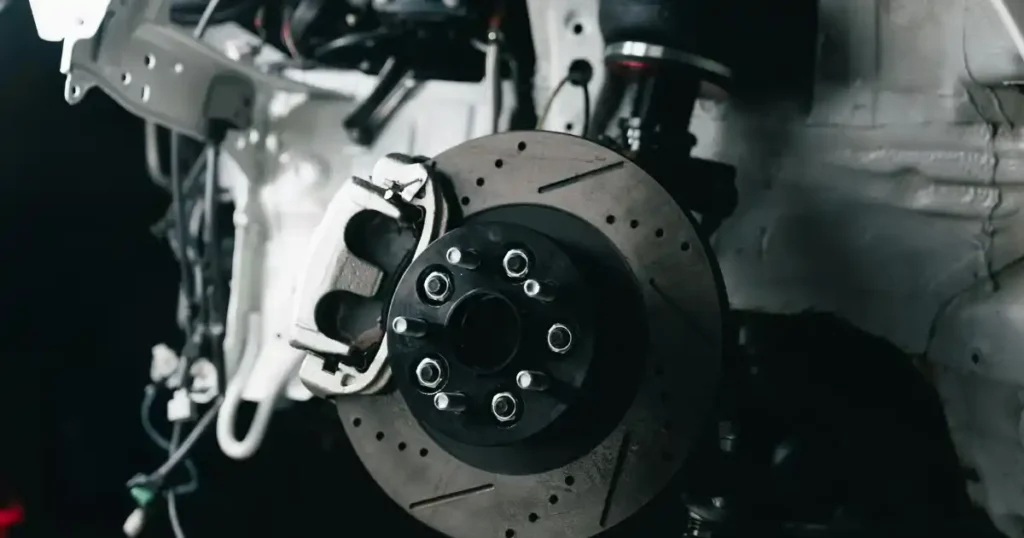
Brake Rotor Warping
Rotors are thin metal discs. They can bend if the bike knocks against a pole or gets hit in a rack. You will hear a rhythmic “ting-ting-ting” as you ride.
Contaminated Brake Pads
This is the “silent killer” of disc brakes. A single drop of chain oil on the rotor will soak into the pads. Once this happens, the pads usually need to be replaced.
Hydraulic Brake Issues
If air gets into the lines, the brakes will fail. You may need to “bleed” the system to get the air out. This is a bit more complex but very rewarding to learn.
Mechanical Disc Brake Adjustments
These use a cable but have the power of a disc. They need regular checks because only one pad usually moves, meaning you have to adjust the static pad as it wears.
Brake Maintenance Routine Every Hybrid Rider Should Follow
A small routine can prevent most brake failures. I usually do this quick check every Sunday evening before the commuting week begins. It saves me a lot of stress on Monday mornings.
Weekly Brake Safety Check
- Inspect pads for stones or metal shards.
- Check that the rotors or rims are straight.
- Test that the levers feel firm and snappy.
Monthly Brake Cleaning
Use a dedicated brake cleaner or isopropyl alcohol. Clean the rotors or the wheel rims to remove the oily film that builds up from road spray.
Seasonal Brake Maintenance
Before winter, I always fit fresh pads. The salt and grit on UK roads act like sandpaper. Checking them every season keeps your rims and rotors from getting damaged.
Rim vs Disc Brakes on Hybrid Bikes
Riders often ask which brake type causes fewer problems. The answer depends on where and how you ride. In my experience, both have their place.
| Feature | Rim Brakes | Disc Brakes |
| Wet weather performance | Moderate | Excellent |
| Maintenance difficulty | Easy | Moderate |
| Cost | Lower | Higher |
| Stopping power | Good | Very strong |
Which Brake Type Is Better for UK Commuters?
If you ride in the rain, disc brakes are a must. They stop much faster in the wet. For fair-weather park rides, rim brakes are perfectly fine and much easier to fix at home.
When Riders Should Upgrade Brakes
If you carry heavy bags or a child seat, upgrade to better pads or disc brakes. The extra weight needs extra stopping power to keep you safe in traffic.
Real-World Advice From a Cycling Expert
Bike mechanics often see the same brake issues again and again. Most could be fixed with a simple clean.
Worldwide cycling expert Sheldon Brown, a respected bicycle technical authority, once noted: “Good brakes are not about strength alone. They are about control and smooth adjustment.”
Expert Brake Safety Tips
Replace your pads before they are fully worn. It is much cheaper than replacing a whole wheel. Keep your surfaces clean and adjust your cables the moment they feel loose.
Mistakes Riders Often Make
The biggest error is using spray oil (like WD-40) near the wheels. The mist lands on the brakes and ruins them. Also, never ignore a new squeak; it is your bike’s way of asking for help.
When to Visit a Bike Shop
Some brake problems need a professional mechanic. If a fix feels risky, it is better to get help. Your life depends on your ability to stop.
Signs You Need Professional Repair
- You see oil leaking from the brake levers or calipers.
- A rotor is so bent it won’t pass through the brake.
- The lever pulls to the bar and no adjustment helps.
Typical UK Bike Shop Brake Service
Most shops offer a “brake tune” for a small fee. They will degrease your system, align the pads, and ensure the cables are tight and smooth.
Average Repair Costs in the UK
A basic adjustment might cost £10 to £15. Replacing pads usually costs about £20 including parts. A full hydraulic bleed can be £30 to £50 per brake.
Safety Tips to Prevent Future Brake Problems
Good habits protect both the bike and the rider. I have found that how you ride is just as important as how you fix your bike.
Smart Riding Habits
Avoid “dragging” your brakes on long downhills. This creates too much heat. Instead, use short, firm bursts of braking. Use both the front and rear brakes together for the best balance.
Storage Tips for Hybrid Bikes
Keep your bike dry and indoors if you can. If it must stay outside, use a cover. This prevents the cables from rusting and the pads from becoming hard and brittle.
Regular Inspection Routine
Make it a habit. A quick look once a week can find a loose bolt or a worn pad before it causes a crash. Stay safe and enjoy the ride!
Final Recommendation
To avoid road hybrid bike brake problems, you should clean your rims or rotors every few weeks. Use a clean cloth and some rubbing alcohol to keep them grippy. I always check my brake pads for wear before any long ride. If your levers feel soft, tighten the cable or check for leaks right away. Safe riding starts with a bike that can stop on a sixpence. Would you like me to show you how to align a rubbing brake caliper?
FAQs
Road hybrid bike brake problems often come from worn brake pads or loose cables. Dirt on the rim or disc can also reduce stopping power. A quick check and clean can help.
To fix road hybrid bike brake problems, check brake pads and cable tension first. Clean the rims or discs and adjust the brakes. Small fixes often restore strong stopping power.
Yes, worn pads are a common cause of road hybrid bike brake problems. Thin pads lose grip on the rim or disc. Replacing them helps restore safe braking.
Yes, loose brake cables can cause road hybrid bike brake problems. The brake lever may feel soft and slow to respond. Tightening the cable usually improves control.
Noise can happen with road hybrid bike brake problems when pads touch dirty rims or discs. Dust and moisture cause squeaks. Cleaning the braking surface often helps.
Yes, road hybrid bike brake problems can affect safety on busy roads or hills. Weak brakes increase stopping distance. Fixing the issue early keeps your ride safe.
If road hybrid bike brake problems remain after cleaning or adjustment, visit a bike shop. A mechanic can replace pads, tune cables, and check the full brake system.

Ehatasamul Alom is a dedicated road hybrid bikes expert. With over 15 years of experience, he helps people find the perfect ride. He began his journey as a bike mechanic. He learned the ins and outs of every bike.
Ehatasamul Alom holds a Master's degree in Mechanical Engineering from a Brown University (Providence US 02912), where he specialized in material science and bicycle kinematics. His master's thesis focused on optimizing frame geometry for road hybrid bikes to improve rider comfort and efficiency.
Ehatasamul has an extensive professional background. He spent 10 years (2010-2020) as a Senior Bike Designer at "Urban Cycles," a leading bicycle manufacturer. In this role, he led the development of several award-winning road hybrid bikes, which are known for their durability and performance. He later served (2020-2024) as the Head of Product Development at "Gear Up," a company specializing in high-end cycling components. There, he developed innovative parts and accessories specifically for road hybrid bikes.
Over the years, Ehatasamul has become an authority on Roadhybridbikes. He understands their design and function. His work focuses on making bikes easy to use. Ehatasamul believes everyone should enjoy cycling. He writes guides that are simple to read. His passion for road hybrid bikes is clear. His goal is to share his knowledge with everyone. He wants to see more people on two wheels. His advice is always practical and easy to follow.
- Ehatasamul Alom

- Ehatasamul Alom
- Ehatasamul Alom
- Ehatasamul Alom