Three years ago, I stood in a Leeds bike shop feeling completely lost. The road hybrid bike for beginners seemed like the obvious choice, but I didn’t really understand why, or whether I’d even stick with cycling beyond a few weeks. That bike turned daily commutes into something I looked forward to, and it taught me that the best beginner bike isn’t the fanciest or fastest, it’s simply the one you’ll actually ride.
This guide shares everything I wish someone had told me on that confusing first day, written specifically for UK riders who just want straightforward answers.
What Is a Road Hybrid Bike (Beginner Explanation)
A Professional Road Hybrid Bike sits comfortably between a pure road bike and a heavy city bike. Think of it as taking the speed and efficiency of road cycling, then adding comfort, stability, and practicality for everyday use.
The frame looks similar to a road bike but with a more relaxed geometry. You sit more upright rather than hunched over. The handlebars are flat instead of curved drop bars, which makes steering feel natural and intuitive from day one.
Wheels are the same 700c size as road bikes, so they roll efficiently on tarmac. Tyres run wider though, usually 32-40mm, which absorbs bumps and provides better grip, especially in wet conditions.
Gears work similarly to other bikes but often come in simpler configurations. Most beginners find hybrid gearing easier to understand and use than road bike setups, which can feel overwhelming with multiple chainrings and complex shifting patterns.

Why Hybrids Are Often the First “Right” Bike
Starting cycling shouldn’t require a steep learning curve. Hybrids remove many barriers that make beginners quit early.
The upright riding position feels immediately comfortable. Your neck, shoulders, and wrists don’t strain like they would on aggressive road bike positions. This matters enormously when you’re still building fitness and bike-handling confidence.
Handling feels stable and predictable. The bike doesn’t dart nervously when you hit bumps or make small steering adjustments. For someone who hasn’t ridden regularly since childhood, this stability builds confidence quickly.
Versatility means you’re not limited to smooth tarmac. Cycle paths, towpaths, park trails, and rough urban roads all become rideable without worrying about fragile equipment or uncomfortable jolting.
I started on a hybrid because it seemed sensible. I’ve stayed with hybrids because they actually suit how I ride, mixed surfaces, varied weather, and journeys that prioritise getting somewhere over going fast.
Why Road Hybrid Bikes Are Ideal for Beginners in the UK
British riding conditions create specific challenges that beginners often underestimate. Hybrids quietly address many of these issues.
UK-Specific Reasons Beginners Struggle (And Hybrids Help)
Narrow lanes filled with parked cars require confident close-quarters manoeuvring. The stable handling and upright position on hybrids make filtering past parked vehicles less intimidating. You can see further ahead and respond smoothly to suddenly-opened doors.
Patchy cycle lanes present constantly changing surfaces. One minute you’re on smooth tarmac, the next you’re bumping over drain covers or cracked asphalt. Hybrid tyres absorb these variations without jarring your hands or making the bike feel unstable.
Wet weather dominates UK cycling reality. Rain, drizzle, and damp roads appear roughly 150-180 days yearly in many regions. Hybrids typically come with disc brakes that work consistently in wet conditions, building the confidence beginners need to ride year-round.
Stop-start town riding suits hybrid gearing perfectly. Traffic lights, junctions, pedestrian crossings, urban riding involves constant speed changes. The lower gear ratios on hybrids make accelerating from stops easier, reducing strain on beginner fitness levels.
That first damp Tuesday commute in Leeds taught me more about real cycling needs than any sunny weekend ride. The hybrid handled it calmly while my confidence grew.
Real-Life Context
Instagram shows endless sunny rides through countryside. Reality involves riding to work at 7am in November drizzle, wearing work clothes, carrying a bag, and arriving without feeling exhausted.
Hybrids excel in this unglamorous reality. They don’t demand special preparation or perfect conditions. You just get on and ride.
Beginner Riding Position – Why Comfort Comes First
Beginners quit cycling for many reasons, but physical discomfort tops the list. Get the riding position wrong and even short journeys become unpleasant.
Upright Geometry Explained Simply
Road bikes position you leaning forward with weight on your hands. This reduces wind resistance but creates pressure on wrists, shoulders, and neck, areas where beginners lack conditioning.
Hybrids raise the handlebars higher relative to the saddle. Your torso sits closer to vertical, distributing weight more evenly between saddle and feet. Hands rest lightly on bars rather than supporting significant body weight.
This upright posture reduces wrist strain dramatically. After 30 minutes on a road bike, my wrists ached. On a hybrid, I could ride 90 minutes comfortably from the first week.
Neck comfort improves because you’re not constantly lifting your head to see ahead. Your natural head position already looks forward, making traffic awareness easier and less tiring.
Confidence at Low Speeds
Beginners spend significant time at low speeds, starting from lights, navigating junctions, manoeuvring in car parks. Hybrid geometry provides stability exactly when you need it most.
The longer wheelbase prevents the front wheel from feeling twitchy. Small steering corrections don’t create exaggerated responses, making the bike feel calm and predictable.
Balance at junctions becomes easier. The upright position lowers your centre of gravity slightly and improves your ability to put a foot down quickly if needed.
Rolling away from traffic lights feels planted rather than precarious. You’re not teetering on a nervous bike whilst simultaneously trying to clip in, shift gears, and watch for traffic.
Understanding Gears as a Beginner (Without the Overwhelm)
Gears confused me completely when I started. The terminology, the combinations, the uncertainty about which gear to use, it all felt unnecessarily complicated.
Why Hybrid Bike Gearing Is Beginner-Friendly
Most road hybrids use either a single chainring at the front (1x system) or two chainrings (2x system). This is simpler than older bikes that used three chainrings with confusing overlap between gear combinations.
The gear range covers everything beginners actually need. Low gears make hills manageable without requiring you to stand up and grind. High gears let you pedal efficiently on flat sections without spinning frantically.
Shifting happens smoothly under light pedalling pressure. You don’t need to ease off significantly or shift perfectly to avoid crunching sounds, the system is forgiving of beginner technique.
Thumb shifters (most common on hybrids) feel intuitive. Push one lever to go easier, push the other to go harder. No need to master the complex lever movements that road bike shifters require.
Typical Beginner Gear Setups
1x Systems (Single Chainring)
One chainring at the front, 9-11 gears at the rear. Simpler to understand and operate. Slightly less gear range but perfectly adequate for typical beginner riding.
2x Systems (Double Chainring)
Two chainrings at the front, 8-10 gears at the rear. Wider gear range for varied terrain. Requires understanding which front chainring to use, adding minimal complexity that becomes second nature quickly.
I started with a 2x system and initially found the front shifter confusing. After a week, I rarely thought about it, small chainring for hills and headwinds, large chainring for everything else.
Easy thumb shifters make the difference. You can shift without changing hand position or taking your eyes off the road, crucial when navigating busy traffic as a beginner.
Wheels and Tyres – The Unsung Beginner Advantage
Tyres receive little attention in beginner guides, yet they profoundly affect whether cycling feels enjoyable or frightening.
Why Wider Tyres Help New Riders
Better grip in rain transforms wet-weather confidence. Narrow road bike tyres can feel sketchy on wet painted lines or damp leaves. Wider hybrid tyres (32-40mm) provide reassuring traction even in typical British drizzle.
More forgiveness over cracks and rough surfaces means the bike doesn’t buck or jolt. Beginners haven’t developed the core strength to absorb impacts through their body, so tyres that cushion bumps prevent discomfort and maintain control.
Less road vibration reduces hand fatigue. Narrow, high-pressure tyres transmit every surface imperfection into your palms. Wider tyres at moderate pressure smooth out road buzz, letting you ride longer without numb hands.
After testing various tyre widths across London cycle lanes, canal paths, and uneven town roads, tyre width made more difference to confidence than frame material or component choices.
Common Beginner-Friendly Tyre Sizes
| Tyre Width | How It Feels | Beginner Benefit |
|---|---|---|
| 32mm | Light, responsive rolling | Easy speed with some comfort |
| 35mm | Balanced ride quality | Confidence boost on mixed surfaces |
| 38-40mm | Cushioned, planted feel | Best for rough roads and nervous riders |
I started with 35mm tyres, which felt perfect for mixed Leeds commuting, fast enough on smooth stretches, comfortable enough when surfaces deteriorated.
Wider tyres also allow lower air pressure, which improves grip and comfort further. This forgiving nature helps beginners who might not perfectly maintain tyre pressure weekly.
Brakes Explained for Beginners (Especially in UK Weather)
Stopping confidently builds trust in your bike faster than any other factor. Unreliable brakes create anxiety that stops beginners from riding.
Disc Brakes vs Rim Brakes
Rim brakes squeeze pads against the wheel rim to create friction. They work adequately in dry conditions but lose significant power when wet, exactly when beginners need reliable stopping most.
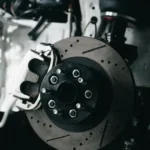
Disc brakes use a rotor (metal disc) attached to the wheel hub. Brake pads squeeze this rotor instead of the rim. Disc brakes maintain consistent power in rain, mud, or dry conditions.
Hand strength requirements differ too. Rim brakes often need firm lever pressure, especially when wet. Disc brakes require less force for stronger stopping, helpful for beginners without developed hand strength.
Why Most UK Beginner Bikes Use Disc Brakes
Safer in drizzle matters immensely for British cycling. When half your rides happen in damp conditions, brakes that work consistently regardless of weather remove a significant worry.
Better downhill control helps nervous riders. Steep descents feel less frightening when you trust your brakes completely. Disc brakes provide this reassurance without requiring you to squeeze levers desperately.
Less wheel wear extends component life. Rim brakes gradually wear down the braking surface, eventually requiring expensive wheel replacement. Disc brakes only wear rotors and pads, both cheaper to replace.
My first bike had rim brakes. Every wet ride felt sketchy, especially approaching busy junctions. Upgrading to disc brakes transformed my confidence in British weather completely.
Choosing the Right Frame Size (Beginner Mistake #1)
Wrong frame size causes more beginner discomfort and early quitting than any other single factor. Get this right before worrying about components or specifications.
Simple UK Size Guidance
Most manufacturers provide height-based sizing charts. These work as starting points but shouldn’t be your only consideration. Two people of identical height can need different sizes due to leg length and torso proportions.
Stand-over clearance check matters for confidence. Straddle the bike’s top tube with both feet flat on the ground. You should have 2-3cm clearance between your body and the tube. This ensures you can dismount safely at stops.
Reach comfort test reveals fit issues. Sit on the saddle with hands on bars. Your elbows should bend slightly, and you shouldn’t feel stretched or cramped. Shoulders stay relaxed rather than hunched.
Beginner Tip: Smaller Is Often Better
When between sizes, choosing the smaller frame usually works better for beginners. Smaller frames feel more controllable and confidence-inspiring.
Easier control comes from a more compact bike that responds predictably. Beginners benefit from this nimble feeling whilst building handling skills.
Less strain occurs because smaller frames naturally create a more upright position. You’re not reaching too far forward, which reduces pressure on arms and shoulders.
Confidence builds faster when the bike feels manageable rather than unwieldy. Oversized bikes make beginners feel out of control, undermining the enjoyment that keeps people riding.
I’m 178cm tall, which put me between medium and large on most sizing charts. The medium felt immediately comfortable. The large felt slightly awkward, like I was perched on rather than sitting in the bike.
British Expert Advice for Beginners
Tom Richardson, a cycling coach and bike fit specialist based in Manchester, works extensively with beginners. His perspective cuts through marketing noise:
“For beginners, the best bike is the one that feels easy to ride on day one. Road hybrids remove pressure, and pressure is what stops people riding. Comfort builds consistency, and consistency builds fitness and skill far more effectively than forcing yourself onto an uncomfortable bike that sits in your shed.”
This advice shaped my approach completely. Starting cycling isn’t about optimising marginal gains or matching what experienced riders use. It’s about finding something comfortable enough that you genuinely want to ride it regularly.
Real-Life Beginner Use Cases
Understanding typical scenarios helps clarify whether a hybrid suits your actual needs rather than aspirational ideas about cycling.
Common Beginner Scenarios
Short commutes of 2-6 miles represent the most common beginner use. This distance takes 15-30 minutes, making cycling competitive with driving or public transport whilst providing exercise without exhaustion.
Weekend park rides offer low-pressure introduction to longer distances. Flat paths through parks remove traffic stress, letting beginners focus on fitness and bike handling in safe environments.
Fitness without intensity appeals to people wanting gentle exercise rather than aggressive training. Hybrids support sustainable, enjoyable riding that you can maintain long-term.
Getting back into cycling after years away describes many beginners. The bike-handling confidence from childhood has faded, making the stable, forgiving nature of hybrids particularly valuable.
Emotional Reality
Nervous first rides are completely normal. Every beginner feels uncertain about traffic navigation, gear selection, and whether they’re “doing it right.” This anxiety fades surprisingly quickly with practice.
Quiet pride after the third outing marks a turning point. The ride that initially felt daunting becomes routine. You start noticing scenery rather than constantly monitoring the bike.
That moment when riding stops feeling “hard” arrives subtly. One day you realise you’ve ridden 5 miles without thinking about effort, gears, or position. The bike has become transparent, just a tool taking you places.
These emotional progressions matter more than technical specifications for maintaining motivation as a beginner.
Beginner Accessories That Actually Help
Accessories can overwhelm beginners with options. Focus on essentials first, adding other items as needs become clear.
Essentials Worth Buying Early
Helmet That Fits Properly
Comfort matters more than features. Try multiple models. The helmet should sit level, not rock when you shake your head, and feel snug without pressure points. Expect to spend £30-60.
Padded Gloves
Reduce hand numbness and improve grip, especially in rain. Fingerless work for warmer months. Full-finger protect in cold weather. Budget £15-25.
Basic Lights
Legal requirement for dark riding. Front white, rear red. Rechargeable USB lights cost £15-40 and eliminate battery expenses. Brightness matters less than consistent use.
Lock You’ll Actually Use
Heavy D-locks provide maximum security but won’t get used if inconvenient. Medium D-locks (£30-50) balance security with portability for typical shopping or cafe stops.
Nice-to-Have Later
Mudguards transform wet-weather riding by preventing spray up your back. Essential for commuting, less important for occasional dry rides. Add when UK weather drives the need home.
Rear rack enables carrying shopping, work bags, or luggage without uncomfortable backpacks. Install once you’ve committed to regular cycling and want to expand practical use.
Phone mount helps with navigation on unfamiliar routes. Wait until you’re comfortable with basic riding before adding navigation distractions.
| Item | Priority | Typical Cost | When to Buy |
|---|---|---|---|
| Helmet | Essential | £30-60 | Before first ride |
| Lights | Essential | £15-40 | Before riding in dark |
| Lock | Essential | £30-50 | Before leaving bike unattended |
| Gloves | High | £15-25 | First week |
| Mudguards | Medium | £20-40 | After first wet commute |
| Rack | Low | £25-50 | When carrying needs develop |
I initially bought too many accessories, then rarely used half of them. Start minimal. Add items when you genuinely miss having them.
Common Beginner Myths About Professional Road Hybrid Bikes
Misconceptions create unnecessary doubts that can prevent beginners from choosing appropriate bikes.
“I’ll Outgrow It Too Fast”
Most riders don’t outgrow hybrids, they just ride them more. The idea that beginners rapidly progress to needing specialised bikes is largely marketing.
Hybrids scale with fitness effectively. As you get stronger, you ride faster, further, and more confidently. The bike doesn’t limit this progression until you’re riding at levels most recreational cyclists never reach.
Upgrading often stems from wanting different types of riding (racing, mountain biking, touring) rather than outgrowing the hybrid’s capabilities for general riding.
I’ve ridden my hybrid for three years whilst fitness has improved dramatically. The bike hasn’t limited me, my available time and energy have.
“They’re Not Real Cycling”
This gatekeeping nonsense damages beginner confidence unnecessarily. Cycling is simply riding a bike. The type of bike or clothing is irrelevant to whether you’re “really” cycling.
Riding regularly beats riding perfectly. Someone commuting 20 miles weekly on a hybrid does more cycling than someone who owns an expensive road bike that sits unused because it’s uncomfortable or impractical.
Fitness, mental health, transport benefits, all accrue regardless of bike type. The sustainable, enjoyable riding that hybrids enable provides more long-term value than forcing yourself onto an uncomfortable bike to meet arbitrary standards.
When a Road Hybrid Bike Is the Right Choice (And When It Isn’t)
Understanding boundaries prevents disappointment and helps you choose confidently.
Good Fit If You:
Want Comfort
Enjoyable riding position matters more than aerodynamics or weight savings. You plan to ride in normal clothes without developing aggressive road bike positioning.
Ride Mixed Surfaces
Typical routes include tarmac, cycle paths, towpaths, or occasionally rough sections. One versatile bike serves better than multiple specialised bikes.
Value Confidence Over Speed
Stable handling and reliable components provide peace of mind. Average speed concerns you less than consistently enjoyable rides.
Need Practical Transportation
Commuting, errands, social rides, transport that happens to provide exercise rather than pure sport. Racks, mudguards, and robust construction support this.
Not Ideal If You:
Want Racing Performance
Club rides, sportives, or competitive cycling demand lighter, more aerodynamic bikes. Hybrids will frustrate you if speed is your primary goal.
Ride Technical Trails
Mountain biking requires suspension, aggressive tyre tread, and specific geometry. Hybrids handle light trails but not proper off-road riding.
Enjoy Aggressive Posture
Some riders prefer the engaged, aerodynamic feel of drop bars and forward positions. If this appeals, a road bike suits better despite reduced comfort.
Final Recommendation
Looking back at three years riding a road hybrid bike for beginners, I realise the bike taught me what cycling actually means rather than what cycling culture suggests it should mean.
Starting with a hybrid removed the barriers that stop beginners quickly, physical discomfort, equipment anxiety, route limitations, weather worries. The bike simply worked, letting me focus on building the habit of riding rather than constantly troubleshooting problems.
Choose a road hybrid if you want to actually ride rather than constantly prepare to ride. The bike won’t be the fastest, lightest, or most specialised. It will be the one you use consistently because it makes cycling feel accessible rather than demanding.
Visit bike shops in person. Test ride at least three models. Ignore specifications you don’t understand, they matter far less than whether the bike feels immediately comfortable and confidence-inspiring.
Buy from retailers who offer basic servicing and fitting advice. This ongoing support matters more for beginners than saving £50 buying online from unknown sellers.
Start riding short, easy routes. Build gradually. The bike will support this progression without limiting you until you’re riding at levels that would have seemed impossible when you started.
Most importantly, ignore anyone who suggests your hybrid isn’t a “proper” bike or that you should have chosen differently. You’re riding regularly. They’re probably not. That makes your choice the right one.
The Professional Road Hybrid Bike for beginners isn’t a compromise. It’s the smart choice that gets you riding and keeps you riding, which is the only measure that actually matters.
FAQs
A Professional Road Hybrid Bike for beginners mixes speed and comfort. It’s easy to ride, stable, and ideal for city roads and paths.
It has flat bars and an upright seat. This gives better control and less strain, perfect for first-time cyclists.
Pick a frame that fits your height and reach. A proper fit feels comfy and helps you ride longer with ease.
Yes. Light frames and smooth tyres make them quick on tarmac, yet comfy for daily travel.
Gears help with hills and flats. A wide range makes riding easier and saves your legs on longer trips.
Start with a helmet, lights, lock, and pump. These keep you safe and ready for everyday rides.
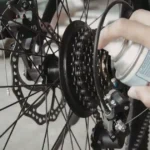
Clean the chain, check tyres, and test brakes often. Simple care keeps the bike smooth and reliable.

Co-Founder, Owner, and CEO of RoadHybridBike.
Ehatasamul Alom is a dedicated road hybrid bikes expert. With over 15 years of experience, he helps people find the perfect ride. He began his journey as a bike mechanic. He learned the ins and outs of every bike.
Ehatasamul Alom holds a Master’s degree in Mechanical Engineering from a Brown University (Providence US 02912), where he specialized in material science and bicycle kinematics. His master’s thesis focused on optimizing frame geometry for road hybrid bikes to improve rider comfort and efficiency.
Ehatasamul has an extensive professional background. He spent 10 years (2010-2020) as a Senior Bike Designer at “Urban Cycles,” a leading bicycle manufacturer. In this role, he led the development of several award-winning road hybrid bikes, which are known for their durability and performance. He later served (2020-2024) as the Head of Product Development at “Gear Up,” a company specializing in high-end cycling components. There, he developed innovative parts and accessories specifically for road hybrid bikes.
Over the years, Ehatasamul has become an authority on Roadhybridbikes. He understands their design and function. His work focuses on making bikes easy to use. Ehatasamul believes everyone should enjoy cycling. He writes guides that are simple to read. His passion for road hybrid bikes is clear. His goal is to share his knowledge with everyone. He wants to see more people on two wheels. His advice is always practical and easy to follow.