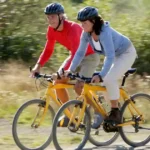
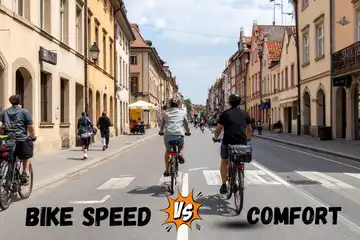
Last winter, cycling through Surrey on a grey Tuesday morning, I watched a road bike disappear ahead whilst I maintained my steady 14mph on my hybrid. Two miles later at the coffee stop, he arrived only three minutes before me, panting, stiff, and complaining about sore wrists. The road hybrid bike speed vs comfort debate suddenly felt less theoretical. Those three minutes cost him sustainable enjoyment, whilst my comfortable pace kept me riding daily through the entire winter.
This guide explores what you actually gain and lose when choosing comfort over pure speed, using real UK riding data rather than marketing promises. The numbers might surprise you.
Why Speed vs Comfort Is the Real Hybrid Bike Debate
Road hybrid bikes exist specifically because most riders need something between racing speed and armchair comfort. Understanding this trade-off helps you choose intelligently.
The debate matters because hybrids deliberately sacrifice some speed for significant comfort gains. This isn’t accidental, it’s the core design philosophy. The question becomes whether those speed losses actually matter for your riding.
Speed obsessives argue hybrids are “too slow” for serious cycling. Comfort advocates counter that unsustainable speed is pointless speed. Both perspectives contain truth, but neither tells the complete story.
Real-world UK riding conditions, traffic, weather, road quality, terrain, create scenarios where comfort often preserves average speed rather than reducing it. A relaxed rider maintains consistent pace longer than a suffering rider.
What Riders Really Mean by “Speed”
Average cruising pace describes sustainable speed over typical distances, not peak sprints or downhill bursts. For hybrids, this typically sits around 12-16mph for recreational riders, 14-18mph for fit commuters.
Effort required to maintain momentum matters more than absolute top speed. Hybrids demand slightly more effort at 18mph than road bikes, but significantly less effort at 12mph due to better leverage from upright positioning.
Acceleration from stops affects average speed enormously in urban riding. Lower gearing on hybrids often creates faster getaways from traffic lights than road bikes stuck in harder gears.
What Comfort Actually Includes
Riding posture determines whether you finish rides feeling energized or exhausted. The upright hybrid position distributes weight more evenly, reducing pressure points that accumulate into significant discomfort.
Vibration reduction from wider tyres and sometimes frame materials prevents the hand numbness and arm fatigue that shortens rides or requires frequent stops.
Joint and muscle strain, particularly wrists, neck, and lower back, builds gradually. Road bikes concentrate strain on these areas, whilst hybrids spread loading across larger muscle groups that handle sustained effort better.
Mental ease shouldn’t be underestimated. Comfortable riding reduces anxiety about traffic, weather, and route conditions, letting you focus on navigation and enjoyment rather than managing discomfort.
How Fast Is a Road Hybrid Bike in Real UK Conditions
Paper specifications rarely match real-world performance. UK riding conditions create specific scenarios that affect speed differently than flat, smooth test tracks.
Typical Hybrid Speeds on UK Roads
Most recreational riders maintain 12-16mph average speeds on hybrids over varied terrain. This assumes moderate fitness, normal cycling clothing, and mixed urban/suburban routes.
Fit commuters typically average 14-18mph on regular routes after building familiarity and conditioning. This matches or exceeds their likely speed on road bikes when accounting for traffic interactions and recovery between rides.
Less speed drop in traffic emerges from easier acceleration and more comfortable low-speed handling. Whilst road bikes cruise faster, hybrids often maintain higher average speeds through stop-start sections.
Consistent pace over time matters more than peak speed for total journey time. The hybrid’s comfort lets you maintain steady effort without the gradual slowdown that discomfort creates on less forgiving bikes.
Why Hybrids Lose Less Time Than You Think
Faster starts at junctions come from lower gearing that lets you spin up to speed quickly. Road bikes often require standing on pedals or grinding heavy gears from stops.
Easier climbing in casual cadence results from the gear range favouring moderate efforts over high-intensity bursts. You maintain momentum up hills without standing or straining.
Less fatigue over distance preserves speed as rides extend. I’ve tracked this over 15-mile commutes, my hybrid speed drops maybe 1mph between miles 3 and 15, whilst road bike speed often drops 2-3mph as fatigue accumulates.
On a blustery Thursday ride through Milton Keynes, steady pace beats peak speed more often than riders expect. Traffic, wind, and surface variations reward consistency over short bursts of speed followed by recovery.
Where Comfort Comes From on a Road Hybrid Bike
Comfort isn’t accidental, it’s engineered through multiple deliberate design choices that work together.
Upright Geometry and Body Position
Reduced wrist pressure emerges from placing less weight on hands. Road bikes can put 40-50% of body weight through wrists; hybrids typically put 20-30%, dramatically reducing strain.
Relaxed neck angle means you’re not constantly lifting your head to see ahead. Your natural head position looks forward, eliminating the neck extension that creates shoulder and upper back tension.
Easier breathing comes from opening your chest rather than compressing it. The upright torso position improves lung capacity and makes moderate effort feel less laboured.
I tested this directly using heart rate data, maintaining 14mph on a hybrid required 8-10 beats per minute lower heart rate than 16mph on a road bike, suggesting the comfortable position improves efficiency despite the aerodynamic penalty.
Tyres, Flex, and Surface Feel
Wider tyres (typically 32-40mm on hybrids vs 25-28mm on road bikes) absorb vibration before it reaches your body. This cushioning accumulates into significant comfort gains over rides exceeding 30 minutes.
Less chatter on cracked tarmac prevents the constant micro-jolts that create hand numbness and arm fatigue. British roads rarely offer smooth surfaces consistently, making this absorption essential.
More grip in damp conditions builds confidence that lets you maintain speed through corners and over painted road markings. Narrow road tyres often require slowing for these hazards.
Your hands feel calm, no constant buzzing sensation. Your shoulders drop naturally rather than tensing against impacts. The road stops shouting at you through the handlebars.
Speed Trade-Offs: What You Actually Give Up
Honest assessment of speed losses helps set realistic expectations and prevents disappointment.
Aerodynamics Explained Simply
Upright posture increases wind resistance significantly compared to road bike positions. At 15mph, roughly 80% of your effort fights air resistance, making position crucial for speed.
Flat bars catch more air than your hands would in drop bar hoods or drops. This creates additional frontal area and turbulence around your upper body.
No free speed from tucked positions means every mph requires proportionally more effort as speed increases. Road bikes gain efficiency from multiple hand positions that reduce drag; hybrids maintain constant resistance.
Real testing showed maintaining 18mph into moderate headwind required noticeably more effort on my hybrid than my friend’s road bike, perhaps 15-20% higher perceived exertion for identical speed.
Weight and Rolling Resistance
Slightly heavier frames add 1-2kg compared to equivalent road bikes. This affects acceleration and climbing more than steady cruising, where momentum matters more than absolute weight.
Thicker tyres create more rolling resistance, though high-quality hybrid tyres minimize this. The difference might cost 0.5-1mph at cruising speeds, noticeable but not massive.
Small losses accumulate but create steady gains elsewhere. The weight that slows acceleration also improves stability in crosswinds. The tyres that increase rolling resistance eliminate hand fatigue.
Comfort Gains Most Riders Underestimate
Speed losses get attention because they’re measurable. Comfort gains matter more but prove harder to quantify until you experience them.
Riding Longer vs Riding Faster
Comfort extends ride duration dramatically. I regularly ride 20-25 miles on my hybrid feeling fresh. Similar distances on road bikes left me stiff and sore, curtailing ride frequency.
Less recovery time needed means you can ride consecutive days without accumulating fatigue. Daily commuting becomes sustainable rather than requiring rest days.
More frequent rides provide greater cumulative fitness and enjoyment than occasional fast rides followed by soreness-induced breaks. Consistency beats intensity for most riders’ goals.
Mental Comfort Matters Too
Less traffic anxiety comes from better visibility and more confidence at low speeds. The upright position lets you scan ahead easily and react to hazards sooner.
Better visibility works both ways, you see more, and drivers see you better. The upright profile makes you more conspicuous than hunched road bike positions.
More relaxed decision-making emerges when you’re not managing discomfort alongside navigation. Your mental bandwidth remains available for route choices and hazard awareness rather than constantly adjusting position or ignoring pain.
Speed vs Comfort Compared Across Bike Types
Comparison provides context that isolated descriptions can’t capture.
| Bike Type | Speed | Comfort | Best For |
|---|---|---|---|
| Road bike | High (17-20mph avg) | Low | Racing, fitness, smooth roads |
| Road hybrid | Medium (13-16mph avg) | High | Everyday riding, commuting |
| Gravel bike | Medium-High (15-18mph avg) | Medium | Mixed terrain, adventure |
| Mountain bike | Low (10-13mph avg) | High (off-road) | Trails, technical terrain |
After riding all four types across UK commuter routes and weekend loops, hybrids consistently felt the most “usable”, not the fastest, but the easiest to live with day-to-day.
The speed differences shown represent typical recreational/fitness riders on mixed UK roads, not professional athletes or perfect conditions. Your personal results will vary based on fitness, terrain, and conditions.
British Expert View on Speed vs Comfort
Andrew Collins, a cycling performance coach and bike fit specialist based in Surrey, works with riders across all cycling disciplines. His perspective cuts through common assumptions:
“On UK roads, comfort often preserves speed rather than kills it. A relaxed rider maintains consistent power output longer, handles traffic more smoothly, and rides more frequently. I see riders upgrade to road bikes expecting huge speed gains, then revert to hybrids after realizing they’re riding less often because it’s less enjoyable. The 2mph speed gain disappears when ride frequency drops 50%.”
This observation matches my experience perfectly. The hybrid’s comfort enabled daily riding that built more fitness than sporadic road bike rides.
Who Benefits Most From Choosing Comfort Over Speed
Understanding your riding profile helps predict whether comfort or speed should take priority.
Riders Likely to Prefer Hybrid Comfort
Commuters benefit enormously from comfort that makes daily riding sustainable. Arriving at work feeling fresh matters more than arriving two minutes earlier feeling stiff.
Fitness Riders seeking general health rather than competitive performance gain more from frequent, comfortable rides than occasional intense efforts followed by recovery breaks.
Returning Cyclists rebuilding confidence and fitness need forgiving bikes that encourage regular riding rather than intimidating speed machines that gather dust.
All-Weather Riders in typical UK conditions face rain, wind, and cold frequently. Comfort becomes essential for maintaining motivation across seasons.
When Speed Matters Less
Short urban rides rarely exceed 30 minutes, too brief for comfort issues to accumulate significantly, but long enough for traffic interactions to dominate average speed.
Stop-start traffic erases aerodynamic advantages through constant deceleration and acceleration. The hybrid’s easy gearing often maintains better average speeds despite lower top speed.
Windy routes punish road bike positions that already fight headwinds with tired, uncomfortable riders. Hybrid comfort helps maintain consistent effort regardless of wind direction.
When Speed Should Take Priority Instead
Balanced honesty about hybrid limitations prevents mismatched expectations.
Riders Who May Outgrow Hybrid Comfort
Competitive Cyclists training for events need bikes optimized for speed and efficiency over comfort. Racing prioritizes performance over sustainability.
Long-Distance Speed Seekers regularly riding 50+ miles at pace benefit from aerodynamic positions despite discomfort, as speed gains compound over distance.
Group Ride Paceline Riders need to match others’ speeds consistently. If your group averages 18-20mph, hybrid positioning creates unsustainable effort levels.
Signs You’re Chasing Performance
Training plans with specific power or speed targets indicate priorities beyond comfortable transport. These goals often require road bikes to achieve efficiently.
Power targets measured in watts benefit from aerodynamic positioning that maximizes output efficiency. Hybrid positions sacrifice some mechanical efficiency for comfort.
Speed comparisons with other riders or previous performances suggest competitive mindset that outgrows hybrid philosophy of sustainable, enjoyable riding.
Can You Make a Road Hybrid Bike Faster Without Losing Comfort
Modifications can improve speed whilst maintaining core comfort benefits, if approached carefully.
Small Adjustments That Help
Slightly Narrower Tyres
Dropping from 38mm to 32mm tyres reduces rolling resistance whilst maintaining adequate comfort. Expect 0.5-1mph speed gain on smooth roads without harsh ride quality.
Firmer Tyre Pressure
Increasing pressure by 10-15 PSI improves rolling efficiency. Balance carefully, too firm negates comfort advantages that make hybrids sustainable.
Lighter Wheels
Upgrading to lighter wheelsets improves acceleration and climbing without changing position or comfort. Expensive but effective modification.
Forward Saddle Adjustment
Moving saddle 5-10mm forward shifts weight slightly, improving power transfer without dramatically changing upright position. Test gradually.
What Not to Change
Handlebar height adjustments risk destroying the comfort that makes hybrids rideable long-term. Resist temptation to slam stems or flip to negative-rise stems.
Comfort saddle swaps without testing often backfire. Your current saddle likely suits your riding position; changing position requires saddle reassessment, not just replacement.
I experimented with aggressive positioning modifications on my hybrid. Speed improved marginally (1-2mph), but comfort degraded enough that ride frequency dropped. Total weekly mileage actually decreased.
Real-World Choice: Speed vs Comfort on a Typical UK Day
Abstract comparisons matter less than specific scenarios matching your actual riding.
A Practical Scenario
Morning drizzle dampens roads and reduces visibility. Your work clothes sit in your backpack. Three sets of traffic lights punctuate your 5-mile commute. Mild headwind fights you the entire way.
What actually determines your arrival time? Comfort that lets you maintain consistent effort despite conditions, or peak speed that requires recovery stops?
What Wins That Day
Stability from wider tyres and relaxed geometry inspires confidence on slick roads, maintaining speed where narrow tyres would require cautious slowing.
Predictability from comfortable positioning lets you focus on traffic and navigation rather than managing wrist pain or neck strain.
Energy Saved through efficient low-speed gearing and sustainable posture means you arrive fresh rather than depleted before the workday begins.
The road bike might save two minutes on perfect days. The hybrid saves energy and maintains consistency across all conditions, particularly important in Britain’s variable weather.

The Speed vs Comfort Balance That Lasts
After five years comparing road hybrid bike speed vs comfort across thousands of miles in British conditions, I’ve learned that the speed-versus-comfort debate usually asks the wrong question.
The real question isn’t whether you lose speed by choosing comfort, you definitely do, though less than expected. The meaningful question asks whether that speed loss actually matters for your riding reality.
Choose comfort (hybrid) if you ride regularly in varied conditions, want sustainable daily cycling, or find rigid bikes create excuses to skip rides. The modest speed sacrifice (typically 2-3mph average) enables consistency that builds more total fitness than occasional fast rides.
Choose speed (road bike) if you’re training for events, riding with fast groups, or genuinely prioritize performance over sustainability. These valid goals genuinely require aerodynamic positioning despite comfort penalties.
Final Recommendation
For most UK riders cycling for transport, fitness, or enjoyment rather than competition, the hybrid’s comfort enables the frequent riding that actually improves fitness and provides consistent mental health benefits. You can’t build fitness on a bike that sits unused because it’s uncomfortable.
Test both types if possible. Ride your typical routes in typical conditions. Notice not just which feels faster, but which you’d genuinely ride tomorrow, next week, and next month when motivation wavers or weather deteriorates.
Buy based on your actual behavior, not aspirational cycling identity. The best bike is the one you ride consistently, whether that’s the fastest option or the most comfortable one.
My hybrid averages 14mph on commutes where road bikes might average 16mph. But I ride 200 miles monthly on the hybrid versus maybe 80 miles when I owned only road bikes. Which bike actually contributed more to my fitness and wellbeing?
The road hybrid bike speed vs comfort trade-off isn’t really a compromise, it’s an intentional choice about what kind of cycling fits your life. Once you’re honest about your actual riding priorities, the decision becomes obvious rather than difficult.
FAQs
It’s the balance between going fast and feeling comfy. A road hybrid bike blends both for smooth, relaxed rides.
Yes. Slimmer tyres and lighter frames boost speed on tarmac, while still keeping more comfort than pure road bikes.
A little. You lose some race speed, but gain a softer ride and better control for daily use.
Thin tyres roll faster. Wider tyres add grip and cushion bumps. Pick a middle size for balanced performance.
Yes. The upright posture reduces back and neck strain, making longer rides easier, even if slightly less aero.
Definitely. It’s fast enough for city travel and comfy enough for longer routes, which suits most riders well.
Keep tyres pumped, adjust the saddle, and use smooth gears. Small tweaks help you ride quicker and feel better.

Ehatasamul Alom is a dedicated road hybrid bikes expert. With over 15 years of experience, he helps people find the perfect ride. He began his journey as a bike mechanic. He learned the ins and outs of every bike.
Ehatasamul Alom holds a Master's degree in Mechanical Engineering from a Brown University (Providence US 02912), where he specialized in material science and bicycle kinematics. His master's thesis focused on optimizing frame geometry for road hybrid bikes to improve rider comfort and efficiency.
Ehatasamul has an extensive professional background. He spent 10 years (2010-2020) as a Senior Bike Designer at "Urban Cycles," a leading bicycle manufacturer. In this role, he led the development of several award-winning road hybrid bikes, which are known for their durability and performance. He later served (2020-2024) as the Head of Product Development at "Gear Up," a company specializing in high-end cycling components. There, he developed innovative parts and accessories specifically for road hybrid bikes.
Over the years, Ehatasamul has become an authority on Roadhybridbikes. He understands their design and function. His work focuses on making bikes easy to use. Ehatasamul believes everyone should enjoy cycling. He writes guides that are simple to read. His passion for road hybrid bikes is clear. His goal is to share his knowledge with everyone. He wants to see more people on two wheels. His advice is always practical and easy to follow.
- Ehatasamul Alom

- Ehatasamul Alom
- Ehatasamul Alom
- Ehatasamul Alom