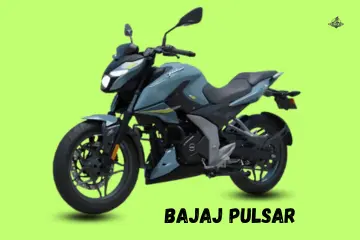
Living in Miami taught me that salt air and bike wires are a bad mix. One humid morning, my own ride just would not fire up before work. Dealing with a bajaj pulsar not starting is a stress I know quite well. I have fixed these bikes for years and found the best shortcuts. Let me help you get back on the road with these simple steps.
Why Your Bajaj Pulsar Suddenly Won’t Start
It is an early weekday morning. You have your office bag on. You hit the button, but the bike stays silent. That sinking feeling when the dash lights up but nothing happens is the worst. Whether you ride a Pulsar 125, 150, or the big 220, the pain is the same. This guide covers the NS, N-series, and both BS4 and BS6 models. Do not worry. We will find the fix without guessing or buying parts you do not need.
Understand How Pulsar Starting Systems Actually Work
Knowing how your bike “thinks” builds trust. The path from the key to the engine has a few gates.
Carb vs FI Pulsars (Why it matters)
Older carb models are simple. Newer FI (BS6) bikes use a computer. These FI bikes are picky. They will refuse to start if the battery is even a little bit weak.
What the bike checks before allowing start
Your bike has a safety list. It checks the side stand sensor. It looks at the clutch switch. On BS6 models, the ECU must give permission before the spark fires. If one sensor is dirty, the whole system stops.
First Checks Before You Touch Any Tools
Fastest fixes come first. I once spent an hour on a bike only to find the kill switch was off.
Kill switch, side stand, clutch lever
- Kill Switch: Check if you nudged it by accident. It happens to everyone.
- Side Stand: If the stand is half-down, it will cut the ignition.
- Clutch: Pull it in fully. If the switch is old, a light pull won’t work.
Ignition key and steering lock
- Make sure the handle lock is fully released.
- If the ignition barrel feels sticky, the key may not be making a full link.
- Look for dash flicker. It is a big clue for a loose wire.
Battery Issues: The #1 Reason Pulsars Don’t Start
Batteries are common and boring, but they are the main fix. They often fail when it gets cold or wet.
How a weak battery behaves
- You hear a clicking sound but no engine crank.
- The headlight is dim and the horn sounds weak.
- The bike starts once but fails at the very next stop.
Why Pulsar batteries die faster than expected
- Short city rides do not give the bike time to charge.
- Added gear like USB chargers and phone holders drain power.
- Leaving the bike unused in the rain or cold for days.
Safe checks you can do
- Check if the terminal bolts are tight.
- Look for white corrosion powder on the metal.
- Try a jump-start only if you feel very confident.
Engine Cranks But Refuses to Fire
This is frustrating. The engine turns, but it just won’t “catch.”
Fuel delivery problems
- You might be low on fuel even if the gauge looks okay.
- A clogged fuel filter stops the flow on older bikes.
- On FI models, listen for the fuel pump. If you don’t hear a buzz, it is not priming.
Spark and ignition faults
- A worn spark plug is a very common culprit.
- The ignition coil can get weak over time.
- If you smell raw fuel but hear no fire, the spark is missing.
Completely Dead: No Crank, No Sound
Silence feels worse than a cough. It means the electric path is broken.
Starter relay and motor issues
- A single click usually means the relay works but the motor is stuck.
- Sometimes a starter fails only when the bike is hot.
- Worn brushes inside the motor can cause random fails.
Fuse box and wiring
- Check the main fuse near the battery. If it is blown, the bike is “dead.”
- Look for a loose ground wire. It is often near the battery tray.
- If you smell burnt plastic, stop and turn the key off.
BS6 Pulsar-Specific Sensor Problems
Modern bikes bring modern failures. The BS6 models rely on a web of sensors.
Sensors that block starting
- Side Stand Sensor: Mud can trip this sensor easily.
- Crank Position Sensor: If this fails, the ECU won’t spark.
- Throttle Sensor: This tells the brain how much fuel to send.
ECU warning signs
- The Check Engine Light stays on while you try to start.
- The speedometer sweep fails when you turn the key.
- Sometimes the bike only starts after you wait 5 or 10 minutes.
Weather, Location, and Timing Give Big Clues
Context matters more than parts. I once had a bike restart at a tea stall after it cooled down.
- Cold Mornings: These make oil thick and batteries weak.
- Heavy Rain: Water gets into wire couplers and sparks.
- Hot Traffic: This can cause heat soak in the fuel lines.
Kick-Start Works but Self-Start Doesn’t (Older Pulsars)
This is a common sign riders ignore. It means the engine is fine, but the start system is dying.
- It usually means the battery is nearing its end.
- Your starter motor might be wearing out inside.
- The charging system might not be topping up the battery as you ride. If you delay this repair, you will get stranded at the worst place possible.
Safe DIY Checks Using Your Senses
Look, listen, and smell before you grab your tools.
- Listen: Do you hear the fuel pump buzz and the relay click?
- Look: Are there loose wire plugs or fuel leaks?
- Smell: Do you smell raw gas or burnt insulation?
- Feel: Is the relay under the seat too warm to the touch?
When to Stop Troubleshooting and Call a Mechanic
Knowing your limits builds trust. Stop if:
- You have a no-start that happens every single day.
- You confirmed there is no spark at the plug.
- You see ECU error codes on the dash.
- The bike starts but stalls as soon as you give it gas.
How to Explain the Problem Clearly to a Mechanic
Words save you money. Tell the pro:
- The exact time and weather when it fails.
- If you heard a click or total silence.
- The fuel level and recent services.
- If you added new lights or a horn.
Preventing Future “Bajaj Pulsar Not Starting” Moments
Small habits lead to big relief.
- Start your bike at least once a week if you do not ride.
- Replace your battery every 2 or 3 years as a rule.
- Use decent fuel from a trusted pump consistently.
- Keep your wire plugs clean and dry after a wash.
Simple Tools Worth Keeping Handy
You do not need a shop. Just keep these few items:
- A basic multimeter to check the battery.
- A spark plug wrench for quick cleaning.
- A small roll of electrical tape for loose wires.
- An emergency help number saved in your phone.
Final Recommendation
Fixing a bajaj pulsar not starting is usually about finding one small loose link. In my experience, it is almost always a loose battery bolt or a dirty sensor. Stay calm and check the easy stuff first. You will be back on the road in no time.
FAQs
A Bajaj Pulsar not starting is often due to a weak battery or no fuel. Check the battery charge and fuel level first. These simple checks solve many issues.
This usually means the battery is low or the starter relay is weak. Self start needs more power. Charging or replacing the battery often fixes it.
Cold mornings can affect battery power and fuel flow. Turn the key on, wait for the fuel pump sound, then try starting slowly.
Yes, a worn or wet spark plug can stop ignition. Cleaning or replacing the plug can restore starting. This is a quick and low-cost fix.
Water may enter the spark plug or sensor area. Let the bike dry fully before starting. Avoid direct water spray on the engine.
If it cranks but won’t start, fuel or spark may be missing. Listen for the fuel pump and check the spark plug condition.
See a mechanic if basic checks fail. ECU, wiring, or sensor issues need tools. Early repair helps avoid bigger problems.

Ehatasamul Alom is a dedicated road hybrid bikes expert. With over 15 years of experience, he helps people find the perfect ride. He began his journey as a bike mechanic. He learned the ins and outs of every bike.
Ehatasamul Alom holds a Master's degree in Mechanical Engineering from a Brown University (Providence US 02912), where he specialized in material science and bicycle kinematics. His master's thesis focused on optimizing frame geometry for road hybrid bikes to improve rider comfort and efficiency.
Ehatasamul has an extensive professional background. He spent 10 years (2010-2020) as a Senior Bike Designer at "Urban Cycles," a leading bicycle manufacturer. In this role, he led the development of several award-winning road hybrid bikes, which are known for their durability and performance. He later served (2020-2024) as the Head of Product Development at "Gear Up," a company specializing in high-end cycling components. There, he developed innovative parts and accessories specifically for road hybrid bikes.
Over the years, Ehatasamul has become an authority on Roadhybridbikes. He understands their design and function. His work focuses on making bikes easy to use. Ehatasamul believes everyone should enjoy cycling. He writes guides that are simple to read. His passion for road hybrid bikes is clear. His goal is to share his knowledge with everyone. He wants to see more people on two wheels. His advice is always practical and easy to follow.
- Ehatasamul Alom

- Ehatasamul Alom
- Ehatasamul Alom
- Ehatasamul Alom