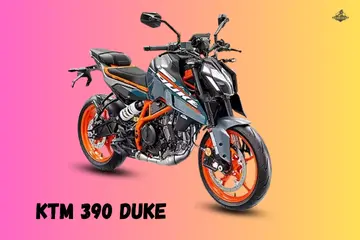
I remember a cold morning in Seattle when I was geared up and ready to ride. My heart sank because my ktm 390 duke not starting meant I was going to be late for a big meeting. The dash lit up, but the engine just would not fire. After years of riding these machines, I have learned the small tricks that get them running again.
That painful click… and nothing
It always seems to happen on Monday mornings. Outside the office gate. Helmet fogging up. You press the starter and the KTM 390 Duke pretends you don’t exist. That silence is the worst sound a rider can hear. Before you lose your cool, remember that these bikes are smart. Usually, they are just trying to tell you something small is wrong.
Quick reality checks before blaming KTM
Check the basics first. I have felt like a fool many times for missing these. They are simple but they stop the bike every time.
- Kill switch on? It is so easy to bump this by mistake.
- Neutral light actually showing? Sometimes the gear sensor gets stuck.
- Side-stand up? The bike won’t run in gear with the stand down.
- Enough fuel? Do not trust the bars. Open the cap and look inside.
- Key seated properly? Wiggle it to make sure the connection is solid.
I’ve done all of these wrong. More than once. Not proud.
How The 390 Duke Starts, So Troubleshooting Makes Sense
The bike is simple at heart. It needs air, fuel, a spark, and a battery. If you miss one, the ride is over. Think of it like a chain. If one link breaks, the whole bike stays still. Understanding this helps you find the fault fast without getting overwhelmed.
Battery + electrical (most common culprit)
The electrical system is the most likely spot for a fail. The Duke uses a lot of power for its screen and lights.
- Weak battery: If you don’t ride for a week, the charge can drop too low to turn the motor.
- Loose terminals: Vibrations can shake the battery bolts loose.
- Corroded connectors: Rain and road salt can cause gunk on the wires.
- Failing starter relay: This is the switch that sends power to the motor.
Signs:
- A dim TFT screen that flickers when you hit the button.
- A “click-click” sound that means there is not enough juice.
- Random warning lights appearing for no reason.
Sometimes there’s that faint hot-wire smell. Not ideal. If you smell smoke, stop right away.
Fuel delivery issues
If the bike turns over but won’t run, it might be thirsty. The fuel system is sensitive to dirt and old gas.
- Clogged fuel filter: This stops the gas from reaching the engine.
- Weak fuel pump: You should hear a hum for two seconds when you turn the key.
- Stale fuel: Gas can go bad if it sits for more than a month.
- Faulty fuel level sensor: It might say you have gas when you are bone dry.
Often happens after bikes sit all winter in the garage. Always use fresh gas and keep the tank clean.
Ignition + spark issues
The spark plug is what lights the fire. If it is dirty or wet, nothing happens.
- Fouled spark plug: Too much fuel can soak the plug.
- Failing coil: This part sends the high voltage to the plug.
- ECU or sensor glitch: The bike’s brain might be getting bad data from the air or throttle sensors.
Cranks. Cranks. Absolutely refuses to fire. It makes you want to sell it, for 5 minutes. Then you fix it and remember why you love it.
Airflow blocked
Your engine needs to breathe. If the air is blocked, the engine will choke and die.
- Dirty air filter: Dust and mud can plug the paper filter.
- Intake pipe leak: If air leaks in, the mix becomes too lean.
- Dust + debris buildup: Even a small nest of leaves can cause a big problem.
KTM Duke 390–Specific Quirks Riders See
These aren’t myths. You hear them at workshops and roadside tea stalls. These quirks are part of the Duke’s charm and its pain.
Overly sensitive side-stand sensor
A small pothole or a rainy day can mess with this sensor. It is located near the footpeg. If it gets dirty or wet, it might think the stand is down while you are riding. Suddenly, the engine says no and cuts out.
Immobilizer/key recognition mood swings
The Duke uses a chip in the key for safety. Sometimes the bike forgets your key. Try this:
- Remove the key.
- Wait 30 seconds.
- Put it back and wait for the screen to finish its sweep. It feels like the bike just wants attention. Giving it a moment to reset usually works.
Overheating and ECU protection behavior
The 390 runs very hot. After spirited city rides on hot afternoons, the ECU might keep you from starting the bike. This is to save the engine from heat damage. If the bike is boiling, let it cool for 15 minutes. It will likely start right up once the temp drops.
Step-By-Step Troubleshooting (Doable At Home)
You don’t need a fancy lab. Just patience, a rag, and maybe a hot coffee. Follow these steps in order to save time.
Step 1: Listen first
Listen to the bike when you turn the key.
- Silence? Check the battery, fuses, and kill switch.
- Click-click? Your battery is low or a wire is loose.
- Cranks but dead? You have power, but no fuel or spark is reaching the cylinder.
Step 2: Check the battery
Open the seat and look at the battery.
- Tighten terminals: Use a wrench to make sure the bolts are snug.
- Try jump-start: Use a portable power pack if you have one.
- Test voltage: A healthy battery should show at least 12.6V.
If it starts with a jump, replace the battery soon. Don’t gamble on long trips with a weak battery.
Step 3: Check for fuel
- Open the tank: Smell the gas. If it smells sour like old paint, it is bad.
- Listen for the pump: You should hear a “priming” sound when the key turns.
- Inspect fuses: Check the fuse box for any broken metal links.
A silent pump is a big problem. It usually means a fuse is blown or the pump is dead.
Step 4: Inspect the spark plug
You will need a spark plug tool for this.
- Pull the lead off the plug.
- Unscrew the plug and look at the tip.
- Clean it with a wire brush or just buy a new one.
- Refit it snugly.
Is the tip black and wet? That means it is fouled. A clean spark is the key to a fast start.
When DIY Should Stop (Trust The Mechanic)
I once kept cranking until I drained the battery outside a grocery store. It was a bad idea. I made a small problem much bigger. Know when to walk away.
Call a pro if:
- You smell a strong burning scent.
- You see any smoke coming from the wires.
- The ECU shows errors like “MTC Failure” that won’t go away.
- The fuel pump makes no sound at all after checking fuses.
- The bike is still under warranty. Do not void it by doing heavy work yourself.
It is better to pay for a tow than to pay for a new engine.
How To Prevent “Duke 390 Not Starting” Moments
Boring maintenance beats pushing a bike uphill. I do these small things to keep my bike happy.
Make these habits
- Ride at least weekly: This keeps the battery charged and gas flowing.
- Use a battery tender: If you store the bike, plug it in.
- Clean the air filter often: Especially if you ride in dusty areas.
- Replace the spark plug on schedule: Don’t wait for it to die.
- Avoid low-quality fuel: Good gas keeps the system clean.
- Check terminals before long rides: A quick wiggle of the wires saves hours of stress.
These feel small, but they save you from big headaches.
Final Recommendation
Dealing with a ktm 390 duke not starting is part of the owner experience. I have been there, and I know it is annoying. Most of the time, it is just a loose wire or a low battery. Take your time, check the basics, and listen to what the bike is telling you.
FAQs
A KTM 390 Duke not starting is often due to a weak battery or loose cable. Check battery charge, fuse, and side stand sensor first.
If it cranks but won’t start, fuel or spark may be missing. A bad spark plug or fuel pump issue is common.
Yes, a low battery can spin the engine but stop ignition. The ECU needs steady power to start the bike.
Cold starts often fail due to weak battery or old fuel. Fresh fuel and a fully charged battery help a lot.
Yes, a faulty kill switch cuts ignition power. Toggle it a few times and try starting again.
Yes, stale or dirty fuel blocks proper burn. Drain old fuel and refill with clean petrol.
If basic checks fail, get a scan done. Error codes help find sensor or ECU problems fast.

Ehatasamul Alom is a dedicated road hybrid bikes expert. With over 15 years of experience, he helps people find the perfect ride. He began his journey as a bike mechanic. He learned the ins and outs of every bike.
Ehatasamul Alom holds a Master's degree in Mechanical Engineering from a Brown University (Providence US 02912), where he specialized in material science and bicycle kinematics. His master's thesis focused on optimizing frame geometry for road hybrid bikes to improve rider comfort and efficiency.
Ehatasamul has an extensive professional background. He spent 10 years (2010-2020) as a Senior Bike Designer at "Urban Cycles," a leading bicycle manufacturer. In this role, he led the development of several award-winning road hybrid bikes, which are known for their durability and performance. He later served (2020-2024) as the Head of Product Development at "Gear Up," a company specializing in high-end cycling components. There, he developed innovative parts and accessories specifically for road hybrid bikes.
Over the years, Ehatasamul has become an authority on Roadhybridbikes. He understands their design and function. His work focuses on making bikes easy to use. Ehatasamul believes everyone should enjoy cycling. He writes guides that are simple to read. His passion for road hybrid bikes is clear. His goal is to share his knowledge with everyone. He wants to see more people on two wheels. His advice is always practical and easy to follow.
- Ehatasamul Alom

- Ehatasamul Alom
- Ehatasamul Alom
- Ehatasamul Alom