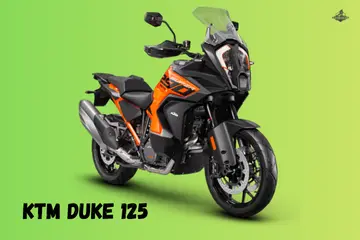
Last month in Miami, I planned a great sunrise ride along the coast. I put on my boots and grabbed my helmet with a big smile. My joy died when I found my ktm 350 adventure not starting in the driveway. It is a lonely feeling when the bike stays silent while the sun comes up. I spent that morning learning the small fixes that keep these adventure bikes alive.
That Awkward Morning When My KTM Refused To Wake Up
A normal weekday. Late for work. Bike parked near the gate. Hit the starter, silence. Just the birds laughing at me. I stood there in my full gear, sweating and confused. You start to think about the cost of a tow truck. You wonder if the engine is blown.
Quick panic. Then curiosity. Why adventure bikes fail right when you need them most is a mystery. These machines are built for the wild, but even a tiny wire can bring them to a halt. Usually, it is not a big disaster. It is just a small glitch in the system.
Start With The Easy Checks First (Don’t Overthink Yet)
Because most “not starting” issues are embarrassingly simple. I have made these mistakes many times. Check these before you start taking things apart.
Battery, Weak, Drained, or Loose
The battery is the first link in the chain. If it fails, nothing else matters.
- Low voltage after storage: If the bike sits for a week, the charge can drop.
- Loose terminals: Shaking from your last trail ride can loosen the bolts.
- Corrosion on posts: White crusty gunk stops the electricity.
Action: Test with a multimeter. It should show over 12.6V. Tighten the bolts. Clean the posts. Recharge if needed.
Kill Switch, Ignition & Side-Stand Sensor
These are safety parts that can act like tiny gremlins.
- Kill switch: I often flick this by mistake when moving the bike.
- Side-stand sensor: If the bike is in gear and the stand is down, it kills the spark.
- Ignition key: Make sure it is turned all the way and the chip is read.
Action: Cycle the switches back and forth. Inspect the sensor wires for mud. Try starting again.
Fuel, The Obvious Thing We Forget
We always think it is something complex, but sometimes the tank is just empty.
- Old fuel: Gas smells weird or sour when it goes bad.
- Empty tank: Do not trust the gauge. Lean the bike and listen for a splash.
- Clogged fuel line: Dirt from a trail can block the flow.
Action: Add a gallon of fresh fuel. Check the fuel line flow. Shake the tank gently.
If It Still Won’t Start, Look At Fuel Delivery
This is where most riders get stuck. Your bike needs high-pressure fuel to fire the injector.
Fuel Pump + Injector Issues
The fuel pump must prime when you turn the key.
- No pump prime sound: You should hear a “whir” for two seconds.
- Blocked injector: A tiny bit of dirt stops the fuel spray.
- Dirty in-tank filter: This slows down the gas flow.
Action: Listen for the pump first. Check the fuel pressure. Clean the injector professionally if needed.
Air Intake & Throttle Body
The engine needs to breathe. Dust is the enemy of the intake.
- Dusty air filter: If you rode trails recently, your filter might be a brick of mud.
- Dirty throttle body: Gunk can stop the air valve from opening.
Action: Clean or replace the air filter. Wipe the throttle body carefully with a clean rag.
Spark & Ignition, The Invisible Culprit
One time, I chased fuel for an hour. Bad spark plug the whole time. You cannot see the spark, so you have to test for it.
Spark Plug Problems
The plug lives in a hot, dirty world.
- Worn or fouled plug: Too much fuel can soak the tip.
- Wrong plug gap: If the gap is too big, the spark won’t jump.
- Cracked ceramic: This leaks the power into the engine block.
Action: Remove the plug. Inspect the tip. Replace it if you are unsure.
Coil, ECU & Electrical Connections
Wires carry the signals. If a wire is broken, the bike stays dead.
- Loose coil connector: Check the wire going to the spark plug.
- Moisture inside plugs: This happens a lot after washing the bike.
- Wires rubbing: Look for bare spots against the frame.
Action: Unplug the connectors. Dry them out. Apply dielectric grease to keep water away.
Sensors That Quietly Stop The Party
Adventure bikes rely heavily on electronics. When they lie, the engine refuses to run.
Crank Position Sensor (CPS)
The CPS tells the bike when the piston is at the top.
- No CPS signal: The bike will not spark because it does not know the time.
Action: Diagnose with a scanner tool. Replace the sensor if it shows a fault.
MAP & Temperature Sensors
These sensors help the bike mix fuel and air.
- Incorrect readings: The bike might think it is too hot or cold.
- Wrong fuel mix: This leads to a flooded engine.
Action: Scan for error codes. Compare the sensor readings to the actual air temp.
And sometimes the ECU thinks it’s freezing. While I’m sweating in the sun. It is a strange feeling.
Cold Starts, Flooded Starts, and “It Ran Yesterday”
Starting a bike is a skill. Modern bikes are smart, but they still have moods.
- Over-cranking: Holding the button too long floods the engine with gas.
- Cold mornings: The oil is thick and the battery is weak.
- Low idle: If the idle is set too low, it won’t stay running.
Action: Try short bursts. Do not hold the starter forever. Give it a tiny bit of throttle if it struggles.
Quick Smell-Sound-Touch Checklist
This part saves time. And nerves. Use your senses to find the fault.
- Smell fuel? You might be flooded. Wait five minutes.
- Hear the pump? If you hear the “whir,” the pump is likely fine.
- Touch the header: Is the exhaust pipe cold? Then you have no fire at all.
- Wiggle connectors: See if the dash flickers or the pump starts.
Little behaviors. Big clues. Trust your gut when something feels off.
When It’s Time To Stop Guessing And Call A Mechanic
Sometimes Saturday isn’t enough. I love fixing my own bike, but I know my limits.
- Warning lights: If the “FI” light stays on, you need a computer.
- No spark and no fuel: This usually means a big electrical short.
- Blown fuses: If they pop as soon as you put them in, you have a problem.
- Strange noises: Metal clunks mean stop hitting the button!
I once pushed the bike half a kilometer to the shop. Not heroic. Just sweaty. It turned out to be a dead stator. I could not have fixed that on the street.
Just Keep Learning
Machines misbehave. Riders get smarter. Every time my bike fails, I learn one more trick. Each “not starting” moment becomes another story for the next ride. Keep your tools ready. Keep your battery on a tender. Most of all, keep your sense of humor.
Our Recommendation
If you find your ktm 350 adventure not starting, do not lose hope. Start with the battery and the kill switch. Most fixes take ten minutes and zero dollars. Keep your bike clean and your connections tight. You will spend more time on the trails and less time in the driveway.
FAQs
A KTM 350 Adventure not starting is often due to a weak battery or loose fuse. Check battery charge, terminals, and the main fuse first.
If it cranks but won’t fire, fuel or spark may be missing. Common causes include a bad spark plug, fuel pump issue, or injector blockage.
Yes, low voltage can confuse the ECU. The KTM 350 Adventure needs steady power to spark and inject fuel.
Cold starts fail with old fuel or a tired battery. Use fresh fuel and fully charge the battery before trying again.
Yes, a faulty kill switch can cut ignition power. Flip it several times and check for dirt or moisture inside.
Yes, stale or dirty fuel can block injectors and stop ignition. Drain the tank and refill with clean petrol.
If basic checks fail, get a diagnostic scan. It can find sensor or ECU faults causing the no-start issue.

Ehatasamul Alom is a dedicated road hybrid bikes expert. With over 15 years of experience, he helps people find the perfect ride. He began his journey as a bike mechanic. He learned the ins and outs of every bike.
Ehatasamul Alom holds a Master's degree in Mechanical Engineering from a Brown University (Providence US 02912), where he specialized in material science and bicycle kinematics. His master's thesis focused on optimizing frame geometry for road hybrid bikes to improve rider comfort and efficiency.
Ehatasamul has an extensive professional background. He spent 10 years (2010-2020) as a Senior Bike Designer at "Urban Cycles," a leading bicycle manufacturer. In this role, he led the development of several award-winning road hybrid bikes, which are known for their durability and performance. He later served (2020-2024) as the Head of Product Development at "Gear Up," a company specializing in high-end cycling components. There, he developed innovative parts and accessories specifically for road hybrid bikes.
Over the years, Ehatasamul has become an authority on Roadhybridbikes. He understands their design and function. His work focuses on making bikes easy to use. Ehatasamul believes everyone should enjoy cycling. He writes guides that are simple to read. His passion for road hybrid bikes is clear. His goal is to share his knowledge with everyone. He wants to see more people on two wheels. His advice is always practical and easy to follow.
- Ehatasamul Alom

- Ehatasamul Alom
- Ehatasamul Alom
- Ehatasamul Alom