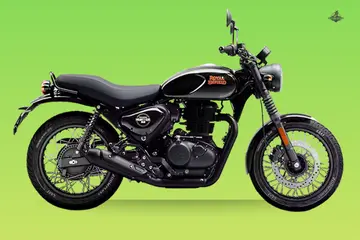
My Royal Enfield Hunter 350 sat outside my apartment in Seattle like a stubborn mule last Wednesday. Key turned. Dash lit up. Starter button pressed. Nothing but a sad click. I’d ridden it the day before without issues, so the silence felt personal. The royal enfield hunter 350 not starting problem isn’t rare and after an hour of poking around, I found the culprit hiding under the seat. Turns out, most starting issues on this bike are simpler than they seem.
The Day My Hunter 350 Refused To Wake Up
It was Monday morning. Late for work. The street smelled like rain and dust I thumbed the starter… nothing. My neighbor stared. I smiled like, “yeah, normal.”
The dash lights flickered weakly. I heard one faint click from somewhere near the battery. Then silence. I tried again. Same click. No crank. No engine sound. Just embarrassment.
The bike had started fine yesterday. Ran smooth. No warning signs. But now it acted like I’d asked it to climb Everest.
Modern RE singles are usually reliable. But when something small goes wrong, they shut down completely. No halfway. Just “nope.”
Start With The Simple Checks First
Quick wins before grabbing tools these save time and ego.
I wasted fifteen minutes checking complicated stuff before I looked at the obvious things. Don’t be like me. Start here.
Ignition, Kill Switch & Side Stand
- Kill switch off from yesterday’s wash: I’d cleaned the bike the night before. Bumped the switch. Didn’t notice.
- Side stand switch not registering: The Hunter won’t start if the stand is down and the bike is in gear. Safety feature.
- Loose ignition barrel wiring near the handle: Vibration loosens things. Wiggle the key while turning. Sometimes helps.
I checked my kill switch. It was fine. Side stand was up. So I moved on.

Battery Health & Terminals
Even with dash lights on, the battery can be too weak to crank the starter.
- Short city rides don’t fully charge the battery. It slowly drains.
- Corroded terminals under the seat create resistance. The starter can’t pull enough current.
- A multimeter should read 12.4 volts or more when resting. Below 12? Charge it.
I pulled the seat off. The negative terminal had white crusty powder all over it. The connection was loose. I could wiggle it with my finger.
That was my problem.
Fuel It Sounds Silly, But…
I glanced at the fuel gauge. Half tank. But I’d parked on a slight slope.
- Very low fuel on a slope can uncover the pump pickup. It sucks air.
- Old petrol after long parking smells like varnish. Clogs injectors.
- Tank vent blocked creates a vacuum. The pump can’t pull fuel.
I unscrewed the fuel cap. Heard a small hiss. Air pressure released. The vent might’ve been partly blocked.
Fuel Injection & Fuel Flow Hunter 350 Specific Quirks
Modern EFI is great… until it isn’t.
The Hunter 350 uses fuel injection. When it works, it’s smooth and reliable. When something clogs or fails, the bike refuses to start.
What Commonly Fails
- Weak fuel pump: No priming sound when you turn the key on.
- Clogged fuel filter: Starves the engine even if the pump works.
- Dirty injector from poor-quality fuel: Gunk blocks the tiny nozzle.
When I turned the key to “on” without pressing the starter, I listened. Usually there’s a soft buzz for two or three seconds. That’s the fuel pump priming. This time I heard it. Pump was fine.
DIY Checks You Can Do Safely
- Listen for the two to three second pump buzz when you turn the key on. Should be obvious.
- Inspect fuel lines for kinks or cracks. They hide under the tank.
- Try a reputable injector cleaner. Not a miracle cure, but it helps keep things clean.
- Check the fuel filter if you can reach it. Brown or black? Replace it.
I added some injector cleaner to a fresh tank of gas. It didn’t fix my problem that day, but it’s good practice.
Spark & Ignition When It Cranks But Won’t Fire
You hear the engine turning… but it refuses to live.
After I cleaned the battery terminal, the bike cranked. But it still wouldn’t fire. The engine spun over fine. Just no ignition.
Signs Spark Is Missing
- Strong fuel smell from the exhaust. The engine is flooding.
- Wet spark plug. Black and soaked.
- One odd backfire, then silence. Timing is off or spark is weak.
I pulled the spark plug. It was black. Soaked in fuel. The electrode looked worn.
What I Check First
- Plug cap fully seated: They loosen easily from vibration. Pull it off. Push it back on hard.
- Spark plug fouling or wrong gap: The Hunter uses an NGR7A or similar. Gap should be around 0.8mm. Check your manual.
- Coil or wiring disturbed after washing: Pressure washing pushes water into connectors.
I grabbed a spare plug from my toolbox. Gapped it with a feeler gauge. Screwed it in. Pressed the starter. The engine fired immediately.
I once blamed the ECU. Changed the plug in four minutes. Felt heroic then slightly silly.
Sensors, ECU & Air Intake The “Hidden” Reasons
These don’t always show obvious symptoms. But they matter.
The Hunter 350 has sensors feeding the ECU. If one fails or gives bad data, the computer panics and shuts everything down.
Sensor Gremlins
- Faulty TPS (Throttle Position Sensor): Tells the ECU how much throttle you’re giving. If it’s stuck, the bike thinks you’re wide open or fully closed.
- Loose ECU connection under the seat: The ECU sits near the battery. Vibration can loosen the plug.
- Check engine light flashing earlier in the week: That’s the bike trying to warn you.
I didn’t have a check engine light. But I unplugged the ECU connector and plugged it back in. Just to be sure.
Air & Intake Problems
I pulled the air filter cover. The filter was dusty but not terrible.
- A choked air filter makes the engine too rich. Won’t start or runs rough.
- Cracked intake boot lets in unmetered air. Confuses the ECU.
- Strange whistling sound before failure. That’s an air leak.
I tapped the filter on the pavement. Some dust came out. I put it back in. Didn’t seem like the problem.
Throttle Body & Idle Control
The Hunter’s throttle body can get dirty over time. Carbon builds up. The idle control valve sticks.
- Rough idle days before the bike dies. That’s a warning sign.
- Jerky low-speed throttle. The ECU is fighting dirty sensors.
- When to avoid DIY adjustments: Don’t mess with throttle body screws unless you know what you’re doing. You can make things worse.
I didn’t touch the throttle body. It looked clean enough.
Tools I Keep Handy For Hunter 350 Troubles
Because troubleshooting without tools is just guessing.
These tools live in a small bag under my seat. They’ve saved me more than once.
Must-Have
- Multimeter: For checking battery voltage and testing circuits.
- Spark plug wrench: Deep socket, usually 16mm or 18mm.
- Screwdrivers (flat and Phillips): For panels and covers.
- 10 to 12 mm spanners: Most bolts on the Hunter are this size.
- Flashlight: Night breakdowns feel louder and scarier without one.
Nice Add-Ons
- Dielectric grease: For protecting electrical connections from moisture.
- Battery trickle charger: Keeps the battery healthy during storage.
- Carb/Throttle body cleaner: For cleaning intake components.
- Small wire brush: For scrubbing corroded terminals.
A Real Breakdown Story (Short. Slightly Embarrassing.)
Evening traffic. Horns everywhere. Heat, sweat, mild panic.
I was stopped at a red light. Traffic behind me. Light turned green. I twisted the throttle. The bike sputtered once. Then died. Just cut off. Wouldn’t restart.
What Happened
- The negative battery terminal was slightly loose. Had been for weeks.
- Light corrosion was building up. Creating resistance.
- Under load, the connection failed. The bike shut off.
What Fixed It
- I pulled over. Removed the seat.
- Cleaned the terminals with a wire brush. Tightened the bolts.
- Applied a little dielectric grease.
- The bike fired instantly. I pretended I knew all along.
The guy behind me honked. I waved. He didn’t wave back.
When To Stop DIY And Call A Mechanic
Because “trial and error” shouldn’t become “wallet pain.”
I’m comfortable with plugs, filters, and basic electrical stuff. But when things get weird or internal, I stop.
Get Professional Help If:
- Burning wire smell: Electrical fire risk. Stop immediately.
- Fuses keep blowing: That’s a short circuit somewhere. Needs proper diagnosis.
- No fuel pump sound at all: Even after checking fuses and relays.
- ECU warning light stays on: Needs a scan tool to read codes.
- Engine feels like zero compression: Could be valves, timing, or worse.
Shops have diagnostic tools. They read error codes. They have compression testers and fuel pressure gauges. They’ve seen every weird failure the Hunter can throw.
Let them handle the complicated stuff. It’s cheaper than buying parts you don’t need.
Simple Habits To Avoid “Hunter 350 Not Starting” Moments
Tiny routines. Big peace of mind.
Most starting problems come from neglect. I learned this the hard way.
Preventive Practices
- Start the bike weekly if parked long: Keeps the battery charged and seals lubed.
- Keep terminals clean and tight: Check them once a month. Takes two minutes.
- Use good petrol: Cheap fuel clogs injectors. Not worth the savings.
- Replace plugs on schedule: The manual says every 10,000 km. Don’t skip it.
- Follow service intervals honestly: Oil, filters, valve checks. They matter.
Final Recommendation
My Royal Enfield Hunter 350 runs perfectly now. But it took me an hour and some dirty hands to get there.
Start simple. Check the kill switch. Test the battery and terminals. Pull the spark plug. Those three things solve most “won’t start” problems on the Hunter 350.
If you’ve done all that and it still won’t fire, don’t feel bad about getting help. The Hunter is a simple bike at heart. But the fuel injection and sensors add complexity that needs real tools to diagnose.
The royal enfield hunter 350 not starting issue usually comes down to battery, spark, or fuel. Fix those three, and you’re back on the road. Keep up with basic maintenance, and you won’t be standing in traffic with horns blaring behind you, wondering what went wrong.
Because trust me. The bike won’t tell you. But a clean terminal, fresh plug, and charged battery? Those speak loud and clear.
FAQs
A weak battery is the top cause of Royal Enfield Hunter 350 not starting. Low fuel, a blown fuse, or a dirty spark plug can also stop ignition.
If it cranks but will not start, fuel or spark may be missing. A clogged injector or weak fuel pump is a common reason.
Yes, the battery may light the dash but fail to start the engine. The starter needs more power than lights.
Cold air weakens the battery and thickens fuel flow. This makes starting harder, especially with an old battery.
Yes, a faulty side stand sensor or kill switch can block starting. The bike reads it as unsafe.
Yes, a worn or wet spark plug can stop ignition. Replacing it is quick and low cost.
If basic checks fail, see a mechanic. Ongoing issues may point to fuel or sensor faults.

Ehatasamul Alom is a dedicated road hybrid bikes expert. With over 15 years of experience, he helps people find the perfect ride. He began his journey as a bike mechanic. He learned the ins and outs of every bike.
Ehatasamul Alom holds a Master's degree in Mechanical Engineering from a Brown University (Providence US 02912), where he specialized in material science and bicycle kinematics. His master's thesis focused on optimizing frame geometry for road hybrid bikes to improve rider comfort and efficiency.
Ehatasamul has an extensive professional background. He spent 10 years (2010-2020) as a Senior Bike Designer at "Urban Cycles," a leading bicycle manufacturer. In this role, he led the development of several award-winning road hybrid bikes, which are known for their durability and performance. He later served (2020-2024) as the Head of Product Development at "Gear Up," a company specializing in high-end cycling components. There, he developed innovative parts and accessories specifically for road hybrid bikes.
Over the years, Ehatasamul has become an authority on Roadhybridbikes. He understands their design and function. His work focuses on making bikes easy to use. Ehatasamul believes everyone should enjoy cycling. He writes guides that are simple to read. His passion for road hybrid bikes is clear. His goal is to share his knowledge with everyone. He wants to see more people on two wheels. His advice is always practical and easy to follow.
- Ehatasamul Alom

- Ehatasamul Alom
- Ehatasamul Alom
- Ehatasamul Alom