
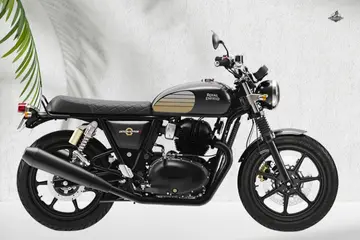
My Royal Enfield Interceptor 650 left me stuck in Miami last summer, right outside a busy café on Ocean Drive. The evening was hot. Humid air thick with salt smell. I hit the starter button and got a weak click. I’ve owned this Interceptor for four years now. I’ve learned that when your Royal Enfield Interceptor 650 not starting, the problem usually comes from a few common causes. Most you can fix yourself in 20 minutes with tools that fit under the seat.
The Evening My Interceptor Refused To Start
It was Thursday. Humid. I hit the starter outside a coffee shop, and the bike just clicked. My heart sank. My latte went cold.
First panic signs:
Slow cranking sound. Dashboard lights flickered when I pressed start. That sinking feeling in your stomach.
That awkward “it usually starts!” moment:
People walking by. Watching. Waiting to see if you figure it out. You smile like everything’s fine. Inside? Panic.
Why big twins behave differently when something’s off:
The Interceptor 650 is a parallel twin. Two cylinders. More compression than a single. Needs strong battery. Good spark. Proper fuel delivery. When one thing fails, it shows immediately.
Singles are forgiving. Twins are not.
Start With The Basic Checks (Trust Me, Start Here)
Before opening tools, rule out the obvious. Most breakdowns hide here.
Ignition & Kill Switch
Start with the simplest things. Save yourself hours.
Kill switch nudged accidentally:
Red switch on right handlebar. Easy to bump when cleaning or putting on gloves.
Check it’s in RUN position. Not OFF. Sounds obvious. Happens constantly.
Loose ignition barrel connection:
The ignition switch connects to wiring harness. Vibration loosens it over time.
Wiggle the key while turned to ON. Dashboard flickers? Loose connection.
Side stand switch misbehaving:
Interceptor has side stand safety switch. Bike won’t start in gear with stand down unless clutch pulled.
Switch gets caked with road dirt. Stops working properly. Spray contact cleaner on it. Work it back and forth.
Battery & Terminals (A Major Interceptor Weak Spot)
This is THE problem most Interceptor owners face. Battery issues.
Weak battery after short city rides:
The Interceptor’s charging system needs higher RPMs to charge properly. Short city rides at low RPM don’t charge battery fully.
Battery slowly drains over weeks. Then won’t start.
Loose negative terminal under the seat:
Vibration loosens battery terminals. Especially negative. It’s under the seat where you can’t see it working loose.
Pop seat off. Check both terminals. Wiggle them. Should not move at all.
Quick multimeter test, what numbers matter:
Red probe on positive. Black on negative. Engine off.
12.6 volts or higher? Battery healthy.
12.0-12.4 volts? Weak. Will struggle with twin cylinders.
Below 12 volts? Dead or dying. Replace it.
Start the engine. Voltage should rise to 13.5-14.5 volts at 2,000 RPM. Lower? Charging system problem.
Fuel , Simple, But Sneaky
Fuel problems show up in weird ways on the Interceptor.
Old fuel smell after storage:
Fuel goes bad in 30-60 days. Smells sour. Like varnish. Won’t burn properly in fuel injection.
Drain old fuel. Add fresh. Big difference.
Tank vacuum from blocked vent:
Fuel cap has tiny vent hole. Gets blocked with dirt or grime. Creates vacuum in tank. Starves fuel pump.
Loosen fuel cap. Hear hissing? That’s vacuum releasing. If bike suddenly starts, your vent was blocked.
Low fuel + angled parking… weird, but it happens:
Park on steep angle with low fuel? Fuel pickup can’t reach fuel. Pump runs dry. Won’t start.
Level the bike. Add fuel. Usually solves it.
Fuel Delivery & EFI System , Interceptor 650 Specific Issues
Fuel-injected twins are sensitive. A tiny issue becomes big drama.
Common Fuel System Problems
The Interceptor’s fuel injection is reliable. But when it fails, it fails completely.
Weak fuel pump, no priming sound at key-on:
Turn key to ON. Don’t start yet. Listen carefully near tank.
You should hear quiet whirring for 2-3 seconds. That’s pump priming system. Building pressure.
No sound? Pump isn’t running. Could be dead pump. Could be blown fuse. Also, Could be wiring.
Clogged fuel filter:
Inline fuel filter catches dirt from tank. Over time it clogs. Restricts fuel flow.
Replace filter every 10,000-15,000 kilometers. They’re cheap. About $5-8.
Dirty injectors from cheap petrol:
Low-quality fuel leaves deposits in injectors. They spray poorly. Engine won’t start or runs terrible.
Use premium fuel. Add fuel system cleaner every few tanks. Keeps injectors clean.
Safe DIY Checks
Things you can check without taking bike apart.
Listen for the pump (2–3 second buzz):
Already mentioned above. But critical. Always check this first.
No pump sound means electrical problem or dead pump.
Inspect lines for cracks or leaks:
Fuel lines age. Crack. Leak. Look for wet spots. Smell for fuel. Check connections tight.
Leaking fuel is fire hazard. Fix immediately.
Add quality injector cleaner (as support, not magic):
Injector cleaner helps. But it’s not magic. Won’t fix broken pump or clogged filter.
Use Techron or Chevron brands. Add to full tank. Ride hard for 30 minutes.
When Fuel Problems Mimic Electrical Issues
Sometimes symptoms confuse you.
Starts, then stalls:
Engine fires. Runs few seconds. Dies. Feels like electrical. Often it’s fuel delivery. Not enough pressure.
Hesitation before dying:
Engine surges. Hesitates. Then quits. Could be fuel starvation. Or air leak.
Random surging:
RPM bounces around. Feels like electrical problem. Often it’s fuel pump or clogged filter.
Spark & Ignition , When It Cranks But Won’t Fire
Sometimes the engine turns. And refuses to live.
Signs Spark Is Missing
No spark means no combustion. Simple.
Fuel smell without ignition:
Strong fuel smell after cranking. Engine flooded. Fuel getting in but not igniting.
Wet spark plug:
Remove plugs. They’re soaked with raw fuel. Black and wet. Not sparking.
Loud backfire once in a while:
Random backfire through exhaust or intake. Weak or intermittent spark.
What To Check First
Start with easiest checks.
Plug caps fully seated (they loosen!):
The rubber caps on spark plugs. They vibrate loose. Especially on twins.
Pull them off. Press back on firmly. Should click into place. Test by trying to pull off, should resist.
Plug wear, gap, and fouling:
Remove both spark plugs. The Interceptor has two.
Check electrodes. Should be light brown. Dry. Gap should be 0.7-0.8mm. Check manual for exact spec.
Black and sooty? Fouled. Running rich.
Wet with fuel? Not sparking.
White or gray? Running lean.
Replace plugs every 10,000-12,000 kilometers. They’re cheap. About $8-10 each.
Ignition coil connections after washing:
Wash the bike? Check coil connectors. Water gets in. Causes weak spark or no spark.
Spray contact cleaner in connectors. Let dry. Reconnect firmly.
Personal story:
I once tore half the bike apart. Checked battery. Checked fuel pump. Also, Checked wiring. Hours of work.
Finally tested spark. Dead. Changed plug. Five minutes. Bike fired immediately.
I laughed at myself. Then sulked for wasting three hours.
Always test spark early. Don’t assume it’s good.
Sensors, ECU & Throttle Body Gremlins
Modern bikes have feelings. And moods.
Common Sensor Problems
The Interceptor’s ECU relies on sensors. Bad data means bad performance.
Faulty TPS (Throttle Position Sensor):
Tells ECU how far throttle is open. When it fails, ECU can’t calculate fuel properly.
Symptoms: rough idle, stalling, won’t start, check engine light.
TPS failure is uncommon but happens. Usually after 30,000+ kilometers.
MAP sensor issues:
Measures manifold air pressure. Helps ECU calculate fuel delivery.
When it fails: rough running, hard starting, poor acceleration.
Loose ECU connector under seat:
The ECU lives under seat. Main connector can vibrate loose. Especially after removing seat multiple times.
Check connector. Press in firmly. Should click and lock.
Air Intake Issues
Engine needs clean air. Block it and nothing works right.
Dirty air filter:
Remove seat and side panels. Access air filter.
Pull it out. Hold to light. Can you see through? No? Too dirty.
Clean or replace. Foam filters wash. Paper filters replace only.
Dirty filter restricts air. Engine runs rich. Hard to start. Bogs under throttle.
Air leaks at intake boots:
Rubber boots connect throttle bodies to cylinder head. They age. Crack. Let unmetered air in.
Engine runs lean. Won’t idle properly. Hard starting.
Look for cracks. Feel for air leaks while cranking. Replace cracked boots.
Whistling noise before it got worse:
Air leak makes whistling sound. Usually noticeable before starting problems appear.
If you heard whistling recently, check for air leaks.
Throttle Body Sync & Idle Control
The Interceptor has two throttle bodies. One per cylinder. They must be synchronized.
Rough idle before non-start:
If idle got progressively rougher before bike stopped starting, throttle bodies might be out of sync.
Sync requires special tools and knowledge. Not DIY for beginners.
Jerky throttle behavior:
Throttle feels uneven. One cylinder firing differently than other. Sign of sync problems or TPS issues.
When to avoid DIY and call a pro:
Throttle body sync. Valve adjustments. ECU programming. These need professional tools and knowledge.
Don’t guess. You can make things worse. I’ve seen people mess up sync badly. Cost $200+ to fix their DIY attempt.
Tools I Actually Use When The Interceptor Won’t Start
These live permanently in my toolkit.
Must-Have Tools
Multimeter:
For testing battery, checking voltage, testing continuity. Digital is easiest. $15-30.
Plug wrench:
Deep socket for spark plugs. The Interceptor uses specific size. Check manual. Keep correct one.
Allen key set:
Many fasteners on Interceptor are Allen bolts. Metric set. 4mm, 5mm, 6mm most common.
Basic socket kit:
10mm, 12mm, 14mm, 17mm. These cover most bolts. Battery terminals. Side panels. Seat.
Flashlight:
LED headlamp preferred. Frees both hands. Night breakdowns smell like fear + petrol. Light helps.
Nice To Have
Fuel system cleaner:
Techron or Chevron brand. Keep bottle at home. Use every few tanks for prevention.
Dielectric grease:
For electrical connections. Prevents corrosion. Small tube lasts years. Worth it.
Battery charger or jump pack:
Smart battery tender for home. Portable jump pack for road. Lithium packs are small. Fit under seat.
Small brush for terminal cleaning:
Wire brush for cleaning battery terminals. Removes corrosion effectively.
All this fits in small bag under passenger seat. Maybe 3 pounds total. Saved me countless times.
A Real Breakdown Story (And The Dumb Fix)
Hot afternoon, middle of traffic, horns everywhere.
What Went Wrong
I was riding through Miami traffic. Stop and go. Engine died at a light. Wouldn’t restart.
Click. Nothing. Dashboard dim. Battery seemed weak.
Loose negative terminal:
Popped seat off right there on the road. Cars honking. People staring.
Checked battery. Positive terminal tight. Negative terminal wiggled easily. Loose.
Light corrosion:
White powder around negative terminal. Not much. But enough to cause problems.
What I Did
Removed seat:
Quick releases on Interceptor seat. Easy.
Cleaned, tightened, greased:
Used my multitool to tighten terminal. Wiped corrosion with rag. Applied dielectric grease from my toolkit.
Bike roared back:
Hit starter. Engine fired immediately. That beautiful parallel twin sound.
I pretended I knew all along what was wrong. Gave thumbs up to watching drivers. Rode off like nothing happened.
Inside? Relieved. Embarrassed. Glad I carry tools.
When It’s Time To Stop DIY
Because “guessing” becomes “expensive.”
Call a Mechanic If:
You smell burning wires:
Electrical fire starting. Stop immediately. Disconnect battery. Don’t try fixing it.
Burning wire smell is serious. Can cause major damage fast.
The ECU light won’t clear:
Check engine light stays on. Even after you fix things. ECU stored fault codes that won’t clear.
Needs professional scan tool. Can’t fix by guessing.
Repeated fuse failures:
Replace fuse. It blows again. There’s short circuit somewhere.
Finding shorts requires experience, tools, wiring diagrams. Not guesswork.
Zero fuel pump sound:
If you confirmed pump isn’t running. Checked fuses. Checked wiring. And still nothing.
Time for professional diagnosis. Could be ECU. Could be pump relay. Also, Could be wiring harness.
Suspected compression problems:
If engine spins too easily. Or makes metallic knocking sounds. Don’t run it.
Internal engine problems need professional attention. Compression test. Maybe valve work or rings.
Don’t mess with internal engine without experience.
Final Recommendation
Here’s what I’ve learned after four years and about 32,000 kilometers on my Royal Enfield Interceptor 650:
Most cases of a Royal Enfield Interceptor 650 not starting come from simple causes. Weak battery. Loose terminals. Fouled plugs. Old fuel. Moisture in connectors. You can fix these yourself in 20-30 minutes with basic tools.
The Interceptor 650 is a fantastic bike.
Parallel twin engine. Smooth power. Classic styling. Comfortable. Great for commuting and touring.
But it needs attention. Regular maintenance. Clean connections. Good battery. Fresh fuel.
My maintenance approach:
Prevent problems before they start. Spend 20 minutes weekly checking basics.
Battery terminals tight? Plugs clean? Fuel fresh? Air filter clear? Connections dry?
Not exciting. Nobody posts photos of checking battery terminals. But it works.
I haven’t been stranded in over a year. That weekly routine is worth every minute.
When problems happen, stay systematic.
Don’t panic. Don’t randomly replace expensive parts.
Work through basics first. Battery always first. It causes 60% of starting problems on twins.
Then fuel. Then spark. Also, Then air. Then sensors.
Most problems reveal themselves if you’re calm and methodical.
Know your limits.
I’m comfortable with battery work, plugs, fuel system basics, electrical connections. But I don’t sync throttle bodies. I don’t adjust valves. I don’t program ECUs.
When something exceeds my skill, I take it to shop specializing in Royal Enfields. Not every mechanic knows these bikes.
The Miami traffic incident taught me:
Always carry tools under seat. Always check terminals before long rides.
Also, check terminals monthly. Twins vibrate more than singles. Things loosen faster.
That afternoon I got lucky. Had tools. Fixed it quickly. Could have been worse.
My honest assessment:
The Royal Enfield Interceptor 650 is excellent motorcycle. Modern. Reliable. Fun. Character-filled parallel twin.
Most starting problems come from neglect or normal wear. Batteries die. Connections loosen. Fuel ages. Plugs foul.
Take care of it properly, weekly rides, tight connections, good battery, fresh fuel, regular checks, and it starts every time. That twin-cylinder thump never gets old.
Ignore it for months, skip maintenance, let things loosen, and you’ll be standing in parking lots while your coffee goes cold, wondering what went wrong.
Your choice.
I choose the weekly checks and preventive maintenance. Less stress. More riding. More enjoyment of that beautiful twin sound.
And way fewer embarrassing moments in Miami traffic while everyone watches and wonders if the guy on the cool bike actually knows what he’s doing.
FAQs
A weak battery is the most common reason a Royal Enfield Interceptor 650 will not start. Low fuel, a blown fuse, or a dirty spark plug can also cause issues.
If it cranks but will not start, fuel or spark may be missing. A clogged injector or weak fuel pump is often the cause.
Yes, the battery may power the dash but fail to start the engine. The starter motor needs much more power.
Cold weather reduces battery strength and fuel flow. Older batteries struggle more in low temperatures.
Yes, a faulty side stand or kill switch can block ignition. The bike thinks it is unsafe to run.
Yes, a worn or fouled spark plug can stop ignition. Replacing it is quick and low cost.
If basic checks do not help, visit a mechanic. Ongoing issues may point to fuel or sensor faults.

Co-Founder, Owner, and CEO of RoadHybridBike.
Ehatasamul Alom is a dedicated road hybrid bikes expert. With over 15 years of experience, he helps people find the perfect ride. He began his journey as a bike mechanic. He learned the ins and outs of every bike.
Ehatasamul Alom holds a Master’s degree in Mechanical Engineering from a top university, where he specialized in material science and bicycle kinematics. His master’s thesis focused on optimizing frame geometry for road hybrid bikes to improve rider comfort and efficiency.
Ehatasamul has an extensive professional background. He spent 10 years as a Senior Bike Designer at “Urban Cycles,” a leading bicycle manufacturer. In this role, he led the development of several award-winning road hybrid bikes, which are known for their durability and performance. He later served as the Head of Product Development at “Gear Up,” a company specializing in high-end cycling components. There, he developed innovative parts and accessories specifically for road hybrid bikes.
Over the years, Ehatasamul has become an authority on road hybrid bikes. He understands their design and function. His work focuses on making bikes easy to use. Ehatasamul believes everyone should enjoy cycling. He writes guides that are simple to read. His passion for road hybrid bikes is clear. His goal is to share his knowledge with everyone. He wants to see more people on two wheels. His advice is always practical and easy to follow.
Leave a Reply
You must be logged in to post a comment.