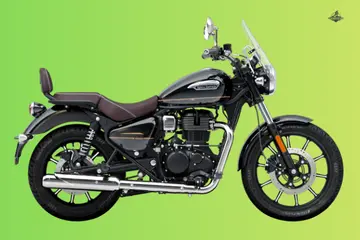
My Royal Enfield Meteor 350 died on me in Portland last fall, right outside a coffee shop where I’d stopped to meet a friend. The morning was cold. Fog rolling in from the river. I hit the starter button and got a single click. I’ve had this Meteor for three years now. I’ve learned that when your Royal Enfield Meteor 350 not starting, the cause is usually something simple. Most fixes take 15-20 minutes with tools you can carry under the seat.
The Evening My Meteor 350 Just… Refused
It was Thursday. I had to run to town before the rain hit. Hit the starter, click. Nothing. Somewhere the street dogs looked amused.
Why Meteor 350 owners face this more than we expect:
The Meteor is modern. Fuel injection. Digital display. More electronics than older Royal Enfields. But electronics are sensitive. Water. Loose connections. Corrosion. Small things stop it cold.
Panic vs patience, why slowing down actually helps:
Your brain jumps to worst-case scenarios. ECU failure. Fuel pump dead. Expensive repairs.
Usually? It’s a loose terminal. Or moisture in a connector. Nothing serious.
Quick rider mindset: look, listen, smell, then decide.
Before touching tools, observe.
Look at dash lights. Bright or dim?
Listen when you press start. Click? Whir? Silence?
Smell anything? Fuel? Burning? Nothing?
This tells you where to start troubleshooting.
Basic Checks Before You Touch Any Tools
Start simple. Most “big” problems are tiny ones hiding.
Battery, Half Alive, Half Dead
Batteries cause most starting problems. Always check first.
Dim cluster, slow crank, relay clicking:
Turn the key. Dashboard lights up weak? Battery struggling.
Press start. Hear clicking but engine barely turns? Not enough power.
One loud click then nothing? Relay works but battery too weak.
Multimeter basics (12.4–12.6V+):
Test battery voltage. Red probe on positive. Black on negative.
12.6 volts or higher? Battery healthy.
12.0-12.4 volts? Weak. Might struggle starting.
Below 12 volts? Dead or dying.
Jump-start safely (no sparks, no drama):
Use portable jump pack. Or another bike. Not a car, voltage too high.
Connect positive to positive. Negative to negative or frame ground.
Wait 30 seconds. Try starting.
Works? Battery needs charging or replacement.
Winter mornings = weaker battery:
Cold kills batteries. Chemical reactions slow down. A battery that works fine at 70°F fails at 30°F.
Keep battery on trickle charger in winter. Or bring it inside overnight.
Kill Switch, Neutral & Side Stand Sensor
Safety switches prevent starting. By design.
How the Meteor safety system stops starting:
Kill switch must be RUN. Not OFF.
Bike must be in neutral. Green N light glowing. Or clutch pulled if in gear.
Side stand up if you’re in gear.
Mud, dust, rain, sensors hate them:
Off-road riding fills sensors with crud. They corrode. Stop working right.
Side stand sensor especially. It’s low. Gets hit with everything.
Quick cleaning and test routine:
Spray contact cleaner on sensors. Work them back and forth. Let dry.
Check side stand spring. Does it snap back firmly? Weak springs don’t trigger sensor properly.
Test: start in neutral with stand down. Should work. Put in gear with stand down. Should not start.
Fuel , Sometimes… It Really Is Fuel
Obvious but worth checking.
Stale petrol after weeks of sitting:
Fuel goes bad in 30-60 days. Smells sour. Like varnish. Won’t burn properly.
Drain old fuel. Add fresh. Try starting.
Hearing the fuel pump prime when key turns:
Turn key to ON. Don’t start yet. Listen carefully near tank.
Quiet whirring for 2-3 seconds? Fuel pump priming. Good sign.
No sound? Pump not running. Could be dead pump. Could be blown fuse. Also, Could be wiring.
Hot day vapor lock situations:
Park in direct sun on hot day? Fuel vaporizes in lines. Creates air pockets. Won’t start.
Let bike cool 10-15 minutes. Try again.
Or pour water on tank to cool it faster.

When It Cranks… But Won’t Fire Up
Engine turns. Spins. But refuses to start. Different problem now.
Spark Plug & Ignition
No spark equals no combustion. Simple math.
What a fouled plug smells like:
Strong fuel smell after cranking. Plug soaked with gas. Engine flooded.
Black soot on electrode. Wet and oily tip.
Remove → inspect → light clean → replace if needed:
Unscrew spark plug. Usually 16mm deep socket.
Look at electrode tip. Should be light brown. Dry.
Black and sooty? Fouled. Running rich.
Wet with fuel? Not sparking.
White or gray? Running lean.
Test spark. Reconnect plug to wire. Ground threads on engine. Press start. Watch for bright blue spark.
Weak orange spark? Bad plug or coil.
No spark? Replace plug. Cost $5-8. Keep spares always.
Loose ignition wiring gremlins:
Vibration loosens connections. Especially wires to coil.
Check wiring. Look for breaks, cracks, rubbed spots. Wiggle connectors. Make sure tight.
I once chased a starting problem for two days. Turned out to be a loose connector at the coil. Pressed it in. Problem solved. Felt silly.
Air Filter & Intake
Engine breathes through filter. Block it, engine suffocates.
Dusty highway rides, monsoon nights:
Dust packs filters. Water soaks them. Mud cakes them.
Blocked filter starves engine. Won’t start or runs terrible.
Signs of poor airflow:
Hard starting. Rough idle. Black smoke. Strong fuel smell.
Bogs when you twist throttle. No power.
Cleaning without drowning the filter in oil:
Remove seat. Air filter behind side panel on Meteor.
Pull filter. Hold to light. Can you see through? No? Too dirty.
Wash foam filters in warm soapy water. Rinse well. Dry completely, 24 hours minimum.
Oil very lightly. Just enough to barely coat foam. Too much oil blocks air just like dirt.
Paper filters replace only. Don’t wash them.
EFI Sensors (MAP, TPS, O2)
Fuel injection relies on sensors. Bad data means bad starting.
How wrong readings confuse the ECU:
Sensors tell ECU what’s happening. Air pressure. Throttle position. Oxygen levels.
Bad readings mean ECU calculates wrong fuel amount. Engine won’t start or runs awful.
Rough idle, misfire, warning icons:
Symptoms of sensor problems. Check engine light. Unstable idle. Random stalling.
Engine starts then dies immediately.
When to use OBD, don’t guess blindly:
If check engine light is on, ECU stored fault codes.
Many shops scan for free. Or buy OBD reader $30-40. Plugs under seat.
Codes tell you exactly what failed. Saves time and money.
Don’t guess and replace sensors randomly. Read codes first.
Meteor 350 Quirks You Only Learn By Owning One
A few “oh, that again” issues.
Loose Battery Terminals (Thanks, Vibration)
Every Royal Enfield owner knows this problem.
Why long rides shake things loose:
Royal Enfields vibrate. It’s part of the character. Single cylinder thump. That vibration loosens everything over time.
Battery terminals especially. They work loose gradually. You don’t notice until starting problems appear.
Tightening and cleaning steps:
Open seat. Check both battery terminals. Wiggle them. Should not move at all.
See white or green crusty buildup? Corrosion. Scrape clean with wire brush or sandpaper.
Tighten with 10mm spanner. Firm but not excessive. Don’t strip threads.
Check ground wire. Negative terminal to frame. Both ends tight.
A dab of dielectric grease helps:
After cleaning and tightening, apply thin coat of dielectric grease on terminals.
Prevents corrosion. Keeps moisture out. Maintains good connection.
Small tube costs $5. Lasts years. Totally worth it.
Moisture After Washing or Rain
Water and electronics don’t mix well.
Damp connectors = no start:
After washing or heavy rain, water gets into connectors. Creates shorts or blocks signals.
Common spots: under seat near ECU, handlebar switches, coil connector, sensors.
Gentle drying vs blasting heat:
Don’t use heat gun on high. Melts plastic. Damages seals.
Use compressed air to blow water out. Or let air dry naturally.
Contact cleaner spray evaporates moisture. Spray into damp connectors. Let dry 5 minutes.
Waterproofing habits that actually work:
Before rain season, spray dielectric grease into exposed connectors. Creates water barrier.
Apply to ECU connector, coil, any exposed plugs.
Don’t pressure wash near electrical parts. Hand wash those areas gently.
ECU Reset Moments
Sometimes the brain needs rebooting.
When it makes sense to try:
If bike won’t start after you fixed something. Or check engine light stays on after repair. Or idle acts weird.
Simple, safe method:
- Turn ignition completely OFF.
- Disconnect negative battery terminal.
- Wait 5-10 minutes. Drains capacitors. Clears ECU memory.
- Reconnect negative terminal. Tighten properly.
- Turn ignition ON. Wait for fuel pump prime sound.
- Try starting.
When to stop fiddling:
If reset doesn’t help, you have real hardware problem. Not software glitch.
Multiple resets won’t fix broken sensors or damaged wiring. Time for professional help.
Tools That Actually Help (Pocket-Sized, Realistic)
Stuff I carry, not a full workshop.
Multimeter:
Tests battery voltage. Checks electrical continuity. Digital easy to read. $15-25.
Helps diagnose: weak battery, bad connections, dead coil.
Spark plug wrench:
Deep socket. 16mm for Meteor 350. Keep correct size.
Helps diagnose: fouled plug, no spark, flooded engine.
10mm spanner:
Most Meteor fasteners are 10mm. Battery terminals especially.
Helps diagnose: nothing directly, but lets you tighten loose connections.
Contact cleaner + small brush:
Spray cleaner for electrical connections. Wire brush for terminals.
Helps diagnose: corrosion, moisture problems, dirty sensors.
Electrical tape + zip ties:
Temporary fixes. Secure loose wires. Cover damaged spots.
Helps diagnose: nothing, but gets you home safely.
Compact jump starter:
Lithium jump pack. Small. Fits under seat. $50-70.
Helps diagnose: battery problems. If jump works, battery is weak.
All this fits in small tool roll under seat. Maybe 2 pounds total. Saved me many times.
When DIY Isn’t Smart Anymore
If it smells like money burning… pause.
Burning plastic smell:
Electrical fire starting. Stop immediately. Disconnect battery. Call help.
Don’t try fixing yourself. Fires spread fast.
Repeated fuses blowing:
Fuses protect circuits. If they keep blowing, there’s short somewhere.
Finding shorts needs experience and proper tools. Not guesswork.
Metallic knocking during crank:
Internal engine noise. Bearings. Piston. Rod. Very bad news.
Don’t run engine. Every crank causes more damage.
EFI faults that keep returning:
Fixed something. Bike runs. Days later same problem. You didn’t fix root cause.
Needs proper diagnosis with scan tools and knowledge.
Warranty? Straight to the service center:
DIY repairs can void warranty. Check your terms first.
Dealers have factory tools. Know common Meteor problems. Can reprogram ECU if needed.
A little humor, but serious underneath:
If your wallet sweats when you look at the bike, call a mechanic. Don’t make expensive mistakes.
I tried fixing complex electrical once. Made it worse. Paid double to fix my damage. Learn from my mistakes.
Habits That Keep the Meteor Starting Smoothly
Tiny routines. Learned the hard way. On a sweaty afternoon.
Start it weekly if parked long:
Don’t let bike sit for weeks. Battery drains. Fuel goes stale. Seals dry out.
Start up. Warm fully. Run 10-15 minutes. Keeps everything happy.
Trickle charger for long storage:
Not riding for while? Connect trickle charger. Maintains battery without overcharging.
Cost $25-30. Extends battery life dramatically.
Avoid pressure washing connectors:
Pressure washers force water into sealed connectors. Causes problems.
Hand wash near electrical components. Save pressure washer for wheels and frame.
Check terminals after bumpy rides:
Long rough roads? Check battery terminals when home. Tighten if needed.
Takes 30 seconds. Prevents future headaches.
Use fresh petrol:
Fill regularly. Use fuel within 30 days. Don’t let it sit months.
Old fuel is number one starting problem.
Keep a tiny toolkit under the seat:
Tools fit perfectly under Meteor seat. Use that space.
What I carry: 10mm spanner, screwdrivers, plug wrench, contact cleaner, zip ties, tape, flashlight.
Saved me on roads, trails, parking lots countless times.
Real-Life Recap , Stuck Outside the Grocery Market
Came back with bread and eggs. Bike dead. Slight petrol smell. Hands greasy, shirt dirty.
What happened:
Shopping bags on handlebars. Light drizzle starting. Turned key. Pressed start. Click. Nothing.
Dashboard flickered. Dimmed when I pressed button.
Quick diagnosis:
Popped seat. Everything damp from drizzle. Battery area wet.
Wiggled positive terminal. Moved easily. Loose again. Classic Meteor problem.
The fix:
Dried terminal with shirt tail. Tightened with 10mm spanner from toolkit.
Pressed start. Engine fired. That smooth idle kicked in.
My reaction:
I laughed. Then sighed. Should have checked terminals before shopping. Would have saved 10 minutes.
Rode home. Bread slightly damp but okay. Bike ran perfect rest of way.
Cleaned and greased terminals properly that evening. Added reminder to check monthly.
Final Recommendation
Here’s what I’ve learned after three years and about 28,000 kilometers on my Royal Enfield Meteor 350:
Most cases of a Royal Enfield Meteor 350 not starting come from simple causes. Weak battery. Loose terminals. Moisture in connectors. Old fuel. Fouled plug. You can fix these yourself in 15-30 minutes with basic tools.
The Meteor 350 is a modern Royal Enfield.
Smooth. Refined. Comfortable. Fuel injection works well. Digital display is clear. Riding position perfect for long distances.
But it needs basic care. Check connections. Keep battery charged. Protect from moisture.
My maintenance approach:
Prevent problems before they start. Spend 15 minutes every week or two checking basics.
Battery terminals tight? Connections dry? Fuel fresh? Air filter clean?
Boring routine. Nobody brags about it. But it works.
I haven’t been stranded in over a year. That simple routine is worth every minute.
When problems happen, stay calm.
Don’t panic. Don’t randomly buy expensive parts.
Work through basics systematically. Battery first. Always. It causes most problems.
Then fuel. Then spark. Also, Then air. Then sensors.
Most issues reveal themselves if you’re patient and methodical.
Know your limits.
I’m comfortable with battery work, plug changes, basic electrical, filter cleaning. But I don’t mess with ECU programming. I don’t rebuild engines. I don’t trace complex shorts.
When something exceeds my skill, I take it to shop that knows Royal Enfields. Not all mechanics understand these bikes.
The Portland coffee shop incident taught me:
Always carry basic tools on bike. Always check terminals before long rides.
Also, park under cover when possible. Moisture causes more problems than people think.
That morning I got lucky. Friend had jump pack. Got me started. Rode to work. Fixed properly that evening.
My honest assessment:
The Royal Enfield Meteor 350 is excellent motorcycle. Modern. Reliable. Comfortable. Great for commuting and touring.
Most starting problems come from neglect or normal wear. Batteries die. Connections loosen. Moisture gets in.
Take care of it properly, weekly rides, tight connections, dry storage, regular checks, and it starts reliably every time.
Ignore it for months, skip maintenance, let things loosen, and you’ll be standing in parking lots while street dogs watch, wondering what went wrong.
Your choice.
I choose the quick checks and regular maintenance. Less stress. More riding. More enjoyment of smooth Meteor experience.
And way fewer awkward moments outside grocery stores with melting ice cream while I troubleshoot in the rain.
FAQs
A weak battery is the most common reason a Royal Enfield Meteor 350 will not start. Low fuel, a blown fuse, or a dirty spark plug can also cause issues.
If it cranks but will not start, fuel or spark may be missing. A clogged injector or weak fuel pump is often the cause.
Yes, the battery may power the dash but fail to start the engine. The starter motor needs much more power.
Cold weather reduces battery strength and fuel flow. Older batteries struggle more in low temperatures.
Yes, a faulty side stand or kill switch can block ignition. The bike thinks it is unsafe to run.
Yes, a worn or fouled spark plug can stop ignition. Replacing it is quick and low cost.
If basic checks do not help, visit a mechanic. Ongoing issues may point to fuel or sensor faults.

Ehatasamul Alom is a dedicated road hybrid bikes expert. With over 15 years of experience, he helps people find the perfect ride. He began his journey as a bike mechanic. He learned the ins and outs of every bike.
Ehatasamul Alom holds a Master's degree in Mechanical Engineering from a Brown University (Providence US 02912), where he specialized in material science and bicycle kinematics. His master's thesis focused on optimizing frame geometry for road hybrid bikes to improve rider comfort and efficiency.
Ehatasamul has an extensive professional background. He spent 10 years (2010-2020) as a Senior Bike Designer at "Urban Cycles," a leading bicycle manufacturer. In this role, he led the development of several award-winning road hybrid bikes, which are known for their durability and performance. He later served (2020-2024) as the Head of Product Development at "Gear Up," a company specializing in high-end cycling components. There, he developed innovative parts and accessories specifically for road hybrid bikes.
Over the years, Ehatasamul has become an authority on Roadhybridbikes. He understands their design and function. His work focuses on making bikes easy to use. Ehatasamul believes everyone should enjoy cycling. He writes guides that are simple to read. His passion for road hybrid bikes is clear. His goal is to share his knowledge with everyone. He wants to see more people on two wheels. His advice is always practical and easy to follow.
- Ehatasamul Alom

- Ehatasamul Alom
- Ehatasamul Alom
- Ehatasamul Alom