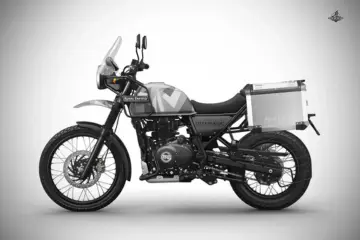
My Royal Enfield Himalayan left me stranded in Denver last winter, right in front of a coffee shop where I’d just had breakfast with friends. The morning was freezing. Snow on the ground. I hit the starter button and got a sad click. I’ve owned this Himalayan for four years now. I’ve learned that when your Royal Enfield Himalayan not starting, the problem usually comes from a few simple causes. Most you can fix yourself in 20 minutes with tools that fit in a small bag.
What Happened? The Morning My Himalayan Refused to Wake Up
It was early. A bit cold. I hit the starter. Click. Nothing. Somewhere, a crow laughed.
Where I was: Standing in the parking lot. Friends inside finishing coffee. Engine just dead.
What I felt: Annoyed first. Then worried about cost. Then confused. What changed since yesterday?
What it sounded like: Single click from the starter relay. Then silence. Dash lights flickered dim.
Why this matters for owners
The Himalayan is an adventure bike. Built tough. Simple. But it has quirks. Electrical connections loosen from vibration. Sensors get finicky in extreme weather. Small things stop it cold.
Common emotions riders feel
You’re not alone if you feel frustrated. Everyone faces this. Worried about repair costs? Normal. Confused where to start? Also normal.
The key is slowing down. Not panicking.
Quick checklist mindset
Before doing anything, use your senses.
Smell for fuel. Does it reek of gas? Or nothing at all?
Listen to sounds. Click? Whirring? Grinding? Silence?
Observe dash lights. Bright? Dim? Flashing error codes?
This tells you where to start looking.
Basic Checks First (Before Touching Tools)
A simple start helps. These are the “don’t skip” steps everyone forgets.
Battery , Weak, Dead, or Just Sulking?
This is the problem most of the time. Batteries hate cold weather.
Indicators you’ll see:
- Dim headlight when you turn the key
- Slow cranking sound, engine barely turns
- Repeated clicking from starter relay
- Dashboard lights fade when you press start
Use multimeter: Red probe on positive terminal. Black on negative. You want 12.6 volts or more. That’s healthy.
Between 12.0-12.4 volts? Weak. Will struggle to start.
Below 12 volts? Dead or dying. Charge it or replace it.
Try jump-start (safe process): Use a portable jump pack. Or jump from another bike, not a car. Cars have too much voltage. Can damage electronics.
Connect positive to positive. Negative to negative. Or negative to frame ground.
Try starting. If it fires up, your battery is weak.
Cold-weather battery behavior: Cold kills batteries fast. Chemical reactions slow down. A battery that works fine at 70°F fails at 30°F.
In winter, keep batteries on trickle chargers. Or bring them inside overnight.
Kill Switch & Side Stand , Yes, It Happens
I’ve done this. Multiple times. No shame.
Safety interlock basics: The Himalayan has safety switches. Side stand sensor. Clutch switch. Kill switch on the handlebar.
Bike won’t start if side stand is down and you’re in gear. Unless clutch is pulled.
Kill switch must be in RUN position. Seems obvious. But gets bumped while cleaning.
Dirt, water, and worn sensors: Off-road riding fills switches with mud and water. They corrode. Stop working.
Side stand sensor especially. It’s low. Gets caked with dirt.
Quick clean-and-test steps: Spray contact cleaner on switches. Work them back and forth. Let dry.
Check side stand spring. Is it pulling the stand up fully? Weak springs don’t trigger the sensor properly.
Test by putting bike in neutral with stand down. Should start fine. Put it in gear with stand down and clutch out. Should not start.
Fuel , It’s Not Always “Empty Tank”
Fuel problems show up in weird ways.
Stale fuel smell: Old fuel smells sour. Like varnish. Won’t burn properly. Especially ethanol fuel after 30-60 days.
Drain old fuel. Add fresh fuel. Try starting.
Fuel tap / EFI priming sound: The Himalayan has fuel injection. Electric fuel pump. Turn the key to ON. Listen carefully near the tank.
You should hear a quiet whirring for 2-3 seconds. That’s the pump priming.
No sound? Pump isn’t running. Could be dead pump. Could be blown fuse. Also, Could be wiring.
Vapor lock on hot days: Park in direct sun on a hot day? Fuel can vaporize in the lines. Creates air pockets. Engine won’t start.
Let it cool 10-15 minutes. Try again.
Or pour water over the fuel tank to cool it faster.

When It Cranks… But Still Won’t Start
Engine turns. Spins. But refuses to fire. Different problem now.
Spark Plug & Ignition
No spark means no combustion. Simple as that.
Fouled plug symptoms: Strong fuel smell after cranking. Plug soaked with gas. Black soot on electrode. Wet and oily tip.
Engine turns but never catches. Not even a cough.
Pull-check-replace steps: Remove the spark plug. Usually needs a deep socket, 16mm or 18mm depending on year.
Look at the electrode tip. Should be light brown. Dry.
Black and sooty? Fouled. Running rich.
Wet with fuel? Not sparking.
White or gray? Running lean.
Test the spark. Reconnect plug to wire. Ground threads on engine. Press starter. Watch for bright blue spark.
Weak orange spark? Bad coil or plug.
No spark? Replace plug first. They’re cheap. $5-8.
Still no spark? Coil or wiring problem.
Ignition coil / wiring harness issues: The coil creates high voltage for spark. When it fails, spark dies.
Check wires to the coil. Look for breaks, cuts, or bare spots. Wiggle connections. Make sure they’re tight.
Corrosion on connectors kills signal. Spray contact cleaner. Dry. Reconnect.
Air Intake & Filter
Engine needs air. Block it and it suffocates.
Dust, mud, rain rides: The Himalayan goes off-road. Air filter catches everything. Dust. Mud. Water.
Clogged filter starves the engine. Won’t start or runs terrible.
Symptoms of restricted airflow: Hard starting. Rough idle. Bogs when you twist throttle. Black smoke from exhaust.
Strong fuel smell, running too rich because not enough air.
Quick clean, when to replace: Remove the seat. Air filter is under there. Pop the cover off.
Pull out the filter. Hold it to light. Can you see through it? No? Too dirty.
Foam filters wash in warm soapy water. Rinse well. Dry completely. Oil lightly. Reinstall.
Paper filters replace only. Don’t wash them. They fall apart.
Replace filters every 5,000-10,000 kilometers. More often if you ride dusty trails.
EFI & Sensors (MAP, TPS, O2)
Fuel injection relies on sensors. They tell the ECU what’s happening. Bad sensor data means bad starting.
Himalayan EFI quirks: The Himalayan’s fuel injection is generally reliable. But sensors fail. Especially after water crossings or pressure washing.
Common sensors:
- MAP sensor (manifold absolute pressure), measures air pressure
- TPS (throttle position sensor), tracks throttle opening
- O2 sensor (oxygen sensor), monitors exhaust gases
When they fail, engine won’t start. Or starts and runs terrible.
Signs of bad sensor vs wiring: Bad sensor: check engine light on, error codes stored, consistent symptoms.
Bad wiring: intermittent problems, works sometimes, stops after hitting bumps.
When it’s time for an OBD scan: If the check engine light is on, the ECU has stored fault codes. You need to read them.
Some shops scan for free. Or buy a cheap OBD reader, $30-40. Plugs into diagnostic port under the seat.
Codes tell you exactly what failed. Saves guessing.
Common Himalayan-Specific Gremlins
Some things are “just Himalayan things.” Learned the hard way.
Loose Battery Terminals
This is THE classic Himalayan problem. Ask any owner.
Why it happens: Vibration. Long rides. Rough roads. The battery terminals vibrate loose over time.
Loose connection means poor electrical flow. Weak cranking. Random electrical glitches.
Tightening checklist: Open the seat. Check both battery terminals. Try wiggling them. They shouldn’t move at all.
Tighten with a 10mm spanner. Firm but not gorilla-tight. Don’t strip threads.
Check the ground wire too. Goes from negative terminal to frame. Make sure both ends are tight.
Dielectric grease tip: After tightening, apply dielectric grease to terminals. Prevents corrosion. Keeps moisture out.
Small tube costs $5. Lasts years. Worth it.
Moisture After Rain or Washing
Water and electronics don’t mix. The Himalayan is water-resistant. Not waterproof.
Damp connectors: After rain rides or washing, water gets into connectors. Causes shorts or poor connections.
Common spots: under the seat, near the ECU, handlebar switches, side stand sensor.
Drying gently (not roasting!): Don’t use heat guns or hair dryers on high. You’ll melt plastic.
Use compressed air to blow water out. Let it air dry naturally. Or use low heat from distance.
Contact cleaner evaporates moisture. Spray into connectors. Let dry.
Preventive dielectric coating: Before rainy season or water crossings, spray dielectric grease into exposed connectors. Creates water barrier.
Do this to ECU connector, coil connector, and any other exposed plugs.
ECU Reset Trick
Sometimes the ECU gets confused. Stored errors prevent starting even after you fix the problem.
When it helps, and when it doesn’t: Helps if: you fixed something but bike still won’t start, check engine light stays on, idle is weird after repairs.
Doesn’t help if: there’s an actual hardware failure, wiring is damaged, sensors are dead.
Safe step-by-step process:
- Turn ignition OFF.
- Disconnect negative battery terminal.
- Wait 5 minutes. This drains capacitors and clears ECU memory.
- Reconnect negative terminal tightly.
- Turn ignition ON. Don’t start yet. Let fuel pump prime.
- Try starting.
If it works, great. If not, you have a real problem that needs fixing.
Tools You’ll Actually Use (Not a Full Garage)
Hands-on, realistic. Stuff that fits in a small pouch.
Multimeter: For testing battery voltage and electrical continuity. Digital is easiest. $15-25.
Helps diagnose: weak battery, bad connections, dead coil.
10mm spanner: Most fasteners on the Himalayan are 10mm. Battery terminals especially.
Open-end or socket. Keep one in your toolkit.
Helps diagnose: nothing directly, but lets you tighten loose connections.
Spark plug wrench: Deep socket. Usually 16mm or 18mm depending on year. Check your manual.
Helps diagnose: fouled plug, no spark, wet plug from flooding.
Small brush + contact cleaner: Wire brush for cleaning terminals. Spray contact cleaner for connectors and switches.
Helps diagnose: corroded connections, dirty switches, moisture in connectors.
Zip ties + electrical tape: For temporary fixes. Securing loose wires. Covering bare spots.
Helps diagnose: nothing, but gets you home safely.
Portable jump starter: Lithium jump pack. Small. Fits under seat. About $50-70.
Helps diagnose: weak battery vs other problems. If jump works, you know it’s battery.
I carry all this under my seat. Fits in a small tool roll. Saved me multiple times.
When To Stop DIY and Call a Mechanic
Because sometimes “YouTube confidence” meets reality.
Burning smell, melted plastic, smoke: Stop immediately. Disconnect battery. Don’t try fixing it yourself. Electrical fires spread fast.
Crank but metal knocking sounds: Internal engine damage. Bearings. Piston. Rod. Don’t run it. Every second causes more damage.
Repeated fuse failures: Fuses blow for a reason. They protect the system. If you keep blowing fuses, there’s a short circuit somewhere.
Finding shorts takes experience and proper tools. Let a pro handle it.
EFI faults that keep returning: Fixed something. Bike runs. Two days later same problem. Means you treated symptoms, not cause.
Needs proper diagnosis with scan tools and wiring diagrams.
Warranty concerns and dealer diagnostics: If your bike is under warranty, DIY repairs can void it. Check your warranty terms first.
Dealers have factory diagnostic tools. They see error codes you can’t access. They know common problems.
Light humor: If you smell money burning, that’s your sign. Call a mechanic before you turn a $50 fix into a $500 disaster.
I’ve been there. Tried fixing something I didn’t understand. Made it worse. Paid more in the end.
Preventive Habits That Save Headaches
Small routines, big difference. Learned over months, not manuals.
Start the bike weekly if stored: Don’t let it sit for weeks. Battery drains. Fuel goes stale. Seals dry out.
Start it. Let it warm up completely. Run for 10-15 minutes. Keeps everything happy.
Keep battery on a trickle charger: Especially in winter or if you don’t ride daily. Trickle chargers maintain battery without overcharging.
Cost $25-35. Extend battery life by years.
Check terminals after rough rides: After long off-road rides or rough roads, check battery terminals. Tighten if loose.
Takes 30 seconds. Prevents roadside failures.
Avoid pressure washing near connectors: Pressure washers force water into places it shouldn’t go. ECU connectors. Switches. Sensors.
Wash by hand near electrical components. Save pressure washer for wheels and frame.
Fresh fuel, not “mystery tank leftovers”: Use fuel within 30 days. Drain tank if storing longer. Add fuel stabilizer if you must store fuel.
Old fuel is the number one cause of starting problems.
Keep a small toolkit under the seat: Basic tools fit under the seat. You have the room. Use it.
Tools I carry: 10mm spanner, screwdrivers, spark plug wrench, zip ties, electrical tape, contact cleaner, small flashlight.
Saved me dozens of times on trails and parking lots.
Real-Life Scenario Recap (Cold Morning, Busy Monday)
Let me walk you through exactly what happened that Denver morning.
What failed: Weak battery combined with loose positive terminal. Double trouble.
How the diagnosis went: First, I turned the key. Dash lights came on dim. Very dim. That told me battery.
Hit the starter. Single click. Relay engaging but not enough power to turn starter motor.
Popped the seat. Checked battery. Terminals looked fine at first. But when I wiggled the positive terminal, it moved. Loose.
Tightened it with my 10mm spanner. Tried starting. Better. Cranked slowly but still wouldn’t fire.
Battery was weak from the cold plus the loose connection had been draining it slowly.
What it smelled/sounded like: No fuel smell. Good. Not flooding.
Cranking sound was slow. Labored. Like the battery was dying.
No clicking after I tightened the terminal. Just slow cranking.
What finally worked, and what didn’t: My friend had a jump pack in his car. Connected it. Bike fired immediately.
Loose terminal was causing weird voltage drops. Battery never charged properly while riding.
What didn’t work: I initially thought it was the side stand sensor because I’d had problems with it before. Spent five minutes checking that. Waste of time. Should have checked battery first.
Rode home. Put battery on a charger overnight. Tightened terminals properly. Applied dielectric grease. Haven’t had the problem since.
Final Recommendation
Here’s what I’ve learned after four years and about 40,000 kilometers on my Royal Enfield Himalayan:
Most cases of a Royal Enfield Himalayan not starting come from simple causes. Weak battery. Loose terminals. Old fuel. Fouled plug. Dirty connections. You can fix these yourself in 20-30 minutes with basic tools.
The Himalayan is a tough bike.
Built for adventure. Simple. Reliable. Goes anywhere. Handles abuse well.
But it needs basic care. Check connections. Keep battery charged. Use fresh fuel. Clean air filter.
My maintenance approach:
Prevent problems before they happen. Spend 15-20 minutes after every long ride checking things.
Battery terminals tight? Air filter clean? Fuel fresh? Electrical connections dry?
Not exciting. But it works. I haven’t been stranded in over a year.
When problems happen, stay calm.
Use your senses first. Smell. Listen. Observe. This narrows down the problem fast.
Don’t randomly replace parts. Work through basics systematically.
Battery first. Always. It causes 60% of starting problems.
Then fuel. Then spark. Also, Then air.
Know your limits.
I’m comfortable with electrical basics, fuel system checks, plugs, and filters. But I don’t mess with ECU programming. I don’t rebuild engines. I don’t trace complex shorts.
When something exceeds my skill, I take it to a mechanic who knows Royal Enfields. Not every shop does. Find one that specializes.
The Denver incident taught me:
Always check battery terminals. Always. After rough rides. After long trips. Monthly at minimum.
Loose terminals cause so many weird problems. Random stalling. Weak lights. Starting failures. All from one loose connection.
Also, carry a jump pack. Small lithium ones fit under the seat. About $60. Worth every penny.
My honest assessment:
The Royal Enfield Himalayan is an excellent adventure bike. Comfortable. Capable off-road. Simple to maintain. Parts are cheap and available.
Most starting problems come from neglect or normal wear. Batteries die. Connections loosen. Fuel ages.
Take care of it properly, weekly rides, tight connections, fresh fuel, and it starts every time.
Ignore it for months, skip checks, let things loosen, and you’ll be standing in cold parking lots while crows laugh at you.
Your choice.
I choose the after-ride checks and battery tender. Less stress. More riding. More adventures without the drama.
And way fewer embarrassing moments in front of coffee shops while friends watch through the window wondering if I need help.
FAQs
A weak battery is the most common reason a Royal Enfield Himalayan will not start. Low fuel, a blown fuse, or a dirty spark plug can also cause issues.
If it cranks but will not start, fuel or spark may be missing. A clogged injector or weak fuel pump is often the cause.
Yes, the battery may power the dash but fail to start the engine. The starter motor needs much more power.
Cold weather reduces battery strength and fuel flow. Older batteries struggle more in low temperatures.
Yes, a faulty side stand or kill switch can cut ignition. The bike thinks it is unsafe to run.
Yes, a worn or fouled spark plug can stop ignition. Replacing it is a quick and low-cost fix.
If basic checks do not help, visit a mechanic. Ongoing issues may point to fuel or sensor faults.

Ehatasamul Alom is a dedicated road hybrid bikes expert. With over 15 years of experience, he helps people find the perfect ride. He began his journey as a bike mechanic. He learned the ins and outs of every bike.
Ehatasamul Alom holds a Master's degree in Mechanical Engineering from a Brown University (Providence US 02912), where he specialized in material science and bicycle kinematics. His master's thesis focused on optimizing frame geometry for road hybrid bikes to improve rider comfort and efficiency.
Ehatasamul has an extensive professional background. He spent 10 years (2010-2020) as a Senior Bike Designer at "Urban Cycles," a leading bicycle manufacturer. In this role, he led the development of several award-winning road hybrid bikes, which are known for their durability and performance. He later served (2020-2024) as the Head of Product Development at "Gear Up," a company specializing in high-end cycling components. There, he developed innovative parts and accessories specifically for road hybrid bikes.
Over the years, Ehatasamul has become an authority on Roadhybridbikes. He understands their design and function. His work focuses on making bikes easy to use. Ehatasamul believes everyone should enjoy cycling. He writes guides that are simple to read. His passion for road hybrid bikes is clear. His goal is to share his knowledge with everyone. He wants to see more people on two wheels. His advice is always practical and easy to follow.
- Ehatasamul Alom

- Ehatasamul Alom
- Ehatasamul Alom
- Ehatasamul Alom