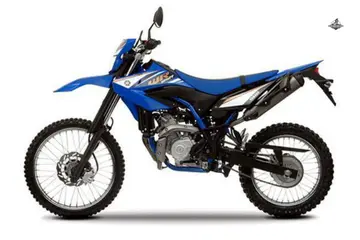
My Yamaha WR 125 sat in the garage in Denver like a stubborn rock last month. Button pressed. Lights on. Nothing else. I’d ridden trails the day before without issues, so the silence caught me off guard. Turns out, the yamaha wr 125 not starting problem has a handful of common causes and most aren’t as scary as they seem. I fixed mine in under an hour once I stopped guessing and started checking the right things.
The Day My Yamaha WR 125 Went Silent
Cold Tuesday morning. Mud still on the tires. Turned the key… nothing but quiet embarrassment.
I pressed the starter button. The dash lit up fine. Fuel pump didn’t make a sound. Engine didn’t even try to turn over. Just dead silence. My breath fogged in the cold garage air. I tapped the button again. Nothing. Again. Still nothing.
The bike had worked perfectly the day before. We’d hit some muddy single track. Splashed through a creek. Normal WR stuff. But now it acted like I’d asked it to climb a mountain backwards.
WR 125s are tough bikes. But when something small goes wrong, they shut down completely. No halfway. No warning. Just silence.
Start With The “Obvious” Checks (Trust Me…)
Before blaming the engine, rule out the simple stuff. These bite more riders than we admit.
I spent twenty minutes checking complicated things before I looked at the simple ones. Don’t be like me. Start here.
Ignition, Kill Switch & Safety Sensors
- Kill switch turned off mid-wash: I’d pressure washed the bike the night before. Bumped the kill switch without noticing. It sat in the “off” position all night.
- Loose ignition barrel connection: Wiggle the key while turning. Sometimes the barrel gets loose from vibration.
- Clutch safety switch not engaging: The WR won’t start unless you pull the clutch lever. If that switch fails, you’re stuck.
- Side stand sensor quirks: Bike in gear with the stand down? Some models refuse to start. Safety feature.
I found my kill switch off. Flipped it. Felt like an idiot. But at least I hadn’t torn anything apart yet.
Battery & Charging System
Even with dash lights on, the battery can be too weak to crank the starter.
- Weak battery gives you slow spinning. Dead battery gives you nothing.
- Terminals corroded after rain rides? Clean them.
- A multimeter should read 12.4 volts or higher when resting. Below 12? Charge it.
I checked mine. It read 12.6 volts. Battery was fine. So I moved on.
Fuel Sounds Dumb, But Still
I glanced at the fuel gauge. Quarter tank. Not empty, but lower than I thought.
- Trail rides slosh fuel around. The pickup can suck air on steep angles.
- Old fuel after weeks sitting turns to varnish. Clogs things.
- Blocked fuel cap vent creates a vacuum. The pump can’t pull fuel.
I unscrewed the fuel cap. Heard a little hiss. Air pressure released. That told me the vent might be partly blocked.
Fuel System Troubles on the WR 125
Fuel-injected bikes like the WR don’t like dirt, rust, or lazy pumps.
When I turned the key to “on” without hitting the starter, I listened. Usually there’s a two-second buzz. That’s the fuel pump priming. This time? Nothing.
Common Fuel Delivery Issues
- Failing fuel pump: No buzz means no fuel pressure.
- Clogged fuel filter: Starves the engine even if the pump works.
- Dirty injector from bad fuel: Gunk blocks the tiny nozzle.
I tapped the fuel tank with my knuckles. Sometimes a stuck pump needs a nudge. Turned the key again. This time I heard a faint buzz. The pump was trying, but weak.
DIY Checks You Can Safely Do
- Listen for the pump prime when you turn the key on. Should be obvious.
- Inspect fuel lines for cracks or kinks. Off-road riding shakes things loose.
- Add fuel injector cleaner to a fresh tank. Not magic, but it helps.
- Check the fuel filter if you can access it. Brown or black? Replace it.
I added injector cleaner. Topped off the tank with fresh gas. The pump sounded stronger after that.
When To Stop Guessing
If the pump buzzes but the bike still won’t start, stop. You need pressure testing tools.
Go to a shop if:
- You smell strong fuel but get zero ignition.
- The bike starts for two seconds, then dies. Over and over.
- The pump never makes a sound, even after checking every connection.

Spark & Ignition The Classic “No Start” Culprit
If there’s fuel but no spark, the WR simply refuses to play.
I pulled the spark plug. It was black. Soaked in fuel. The electrode looked worn down to a nub.
Signs Spark Is Missing
- Repeated cranking with no firing. Just spinning.
- Little backfiring “pops” from the exhaust.
- Wet plug tip after trying to start multiple times.
The WR floods itself if you crank it too much without spark. Fuel builds up. Makes things worse.
What To Check First
- Spark plug type, gap, and wear: The WR uses an NGK CR7E or similar. Gap should be 0.6-0.7mm. Check the manual.
- Plug boot fully seated? Pull it off. Push it back on hard. Should click.
- Ignition coil or wiring damage: Off-road riding bounces things around. Wires chafe. Connections loosen.
I grabbed a spare plug from my toolbox. Gapped it. Screwed it in. Pressed the starter. The engine fired immediately.
I blamed the fuel pump for an hour. Spoiler: spark plug. Two minutes. Felt heroic.
Air, Sensors & ECU Gremlins
Modern bikes are dramatic one upset sensor and everything stops.
This is where the WR 125 gets picky. The ECU needs clean data from multiple sensors. If one lies, the computer panics and cuts everything.
Air Intake Problems
I pulled the air filter cover. The foam was packed solid with trail dust. Like brown concrete.
- A choked filter makes the engine too rich. Won’t start or runs terrible.
- Over-oiled foam suffocates airflow. Same problem.
- Engine feels sluggish for a few rides, then dies completely.
I tapped the filter on the garage floor. A cloud of dust puffed out. I washed it with soap and water. Let it dry. Re-oiled it lightly. Not soaked.
Common Sensor Issues
The WR has sensors feeding the ECU. If one fails, everything shuts down.
- Throttle Position Sensor (TPS): Tells the ECU how much throttle you’re giving. If it’s stuck or dirty, the bike thinks you’re wide open or fully closed.
- MAP sensor: Reads air pressure and altitude. A bad one causes rough idle or no start.
- Loose connectors after pressure washing: Water gets into plugs. Causes weak connections or corrosion.
I traced every wire I could see. Found one connector near the airbox that was green with corrosion. Unplugged it. Sprayed contact cleaner inside. Plugged it back in. The connection felt tighter.
Exhaust Restrictions
I looked under the bike. The exhaust outlet had mud caked inside. Trail life.
A blocked exhaust chokes the engine. It can’t breathe out, so it won’t start. Or starts and immediately dies.
I used a stick to scrape the mud out. Also heard a rattle inside the muffler. Probably carbon buildup. Or a loose baffle. Common on WRs with miles on them.
Maintenance Habits That Prevent “Yamaha WR 125 Not Starting”
Little routines save hours, tow trucks, and your sanity.
Most of my problem came from neglect. I rode hard. Cleaned the outside. Ignored the stuff that mattered.
Simple Preventive Checklist
- Start and warm the bike weekly. Even if you don’t ride. Keeps seals lubed and fuel moving.
- Keep the battery charged if stored. A trickle charger prevents slow drain.
- Clean the air filter regularly. After every muddy ride if you’re serious.
- Use fresh fuel. Don’t let gas sit for more than a month. Add stabilizer if storing.
- Follow service intervals. Especially valve checks. The WR 125 valve clearances tighten over time.
Handy Tools I Keep in the Garage
- Multimeter for checking voltage and continuity.
- Spark plug wrench (deep socket, 18mm usually).
- Small socket kit with extensions.
- Dielectric grease for connectors.
- Shop towels. The smell of gas never leaves your hands otherwise.
These tools live on a shelf right by the bike. They’ve saved me multiple times.
When It’s Time To Call a Mechanic
Sometimes DIY turns into blind guessing. That’s when I step back.
I’m comfortable with plugs, filters, and basic electrical stuff. But when things get internal or computerized, I stop. Because replacing random parts isn’t diagnosing it’s gambling.
Go Professional If:
- Burning smell while cranking. Electrical fire risk. Stop immediately.
- ECU warning light won’t clear. That needs a scan tool to read codes.
- No fuel pump sound at all. Even after checking every fuse and relay.
- Electrical short or melted wiring. Off-road crashes can pinch wires.
- Compression feels weak when kicking through. Could be valves, rings, or worse.
Shops have diagnostic tools. They read error codes. They have compression testers and fuel pressure gauges. They’ve seen every weird failure mode the WR can throw.
Let them handle the hard stuff. It’s cheaper than buying parts you don’t need.
Final Recommendation
My Yamaha WR 125 runs strong now. But it took me a few hours and some trial and error to get there.
Start simple. Check the kill switch. Test the battery. Pull the spark plug. Clean the air filter. Those four things solve most “won’t start” problems on the WR 125.
If you’ve done all that and it still won’t fire, don’t feel bad about getting help. The WR is a simple bike at heart. But the fuel injection and sensors add complexity that needs real tools to diagnose properly.
The yamaha wr 125 not starting issue usually comes down to spark, fuel, or air. Fix those three, and you’re back on the trail. Keep up with basic maintenance, and you won’t be standing in a cold garage pressing a dead starter button like I was, wondering what went wrong.
Because trust me. The bike won’t tell you. But a fresh plug, clean filter, and charged battery? Those speak loud and clear.
FAQs
A weak battery or dirty spark plug often causes Yamaha WR 125 not starting. Old fuel, a blown fuse, or a loose wire can also stop ignition.
If it cranks but will not start, fuel or spark may be missing. A clogged injector or blocked air filter is a common cause.
Yes, the battery can power lights but fail to start the engine. The starter needs much more power to turn the motor.
Cold weather reduces battery strength and fuel flow. Older batteries struggle more in low temperatures.
Yes, a faulty side stand or kill switch can cut spark. The bike thinks it is unsafe to run.
Yes, a worn or fouled spark plug can stop ignition. Replacing it is quick and low cost.
If basic checks do not fix the issue, see a mechanic. Ongoing problems may mean fuel or sensor faults.

Ehatasamul Alom is a dedicated road hybrid bikes expert. With over 15 years of experience, he helps people find the perfect ride. He began his journey as a bike mechanic. He learned the ins and outs of every bike.
Ehatasamul Alom holds a Master's degree in Mechanical Engineering from a Brown University (Providence US 02912), where he specialized in material science and bicycle kinematics. His master's thesis focused on optimizing frame geometry for road hybrid bikes to improve rider comfort and efficiency.
Ehatasamul has an extensive professional background. He spent 10 years (2010-2020) as a Senior Bike Designer at "Urban Cycles," a leading bicycle manufacturer. In this role, he led the development of several award-winning road hybrid bikes, which are known for their durability and performance. He later served (2020-2024) as the Head of Product Development at "Gear Up," a company specializing in high-end cycling components. There, he developed innovative parts and accessories specifically for road hybrid bikes.
Over the years, Ehatasamul has become an authority on Roadhybridbikes. He understands their design and function. His work focuses on making bikes easy to use. Ehatasamul believes everyone should enjoy cycling. He writes guides that are simple to read. His passion for road hybrid bikes is clear. His goal is to share his knowledge with everyone. He wants to see more people on two wheels. His advice is always practical and easy to follow.
- Ehatasamul Alom

- Ehatasamul Alom
- Ehatasamul Alom
- Ehatasamul Alom